
Vehicle Classifieds: List Cars, Bikes & Parts Locally
A step-by-step guide to listing cars, bikes, and parts on Brixaz — the exact fields to fill, bad-versus-better copy, pricing, paperwork, and safe pickup wording buyers trust.
ARTICLE LANGUAGE
Showing original language
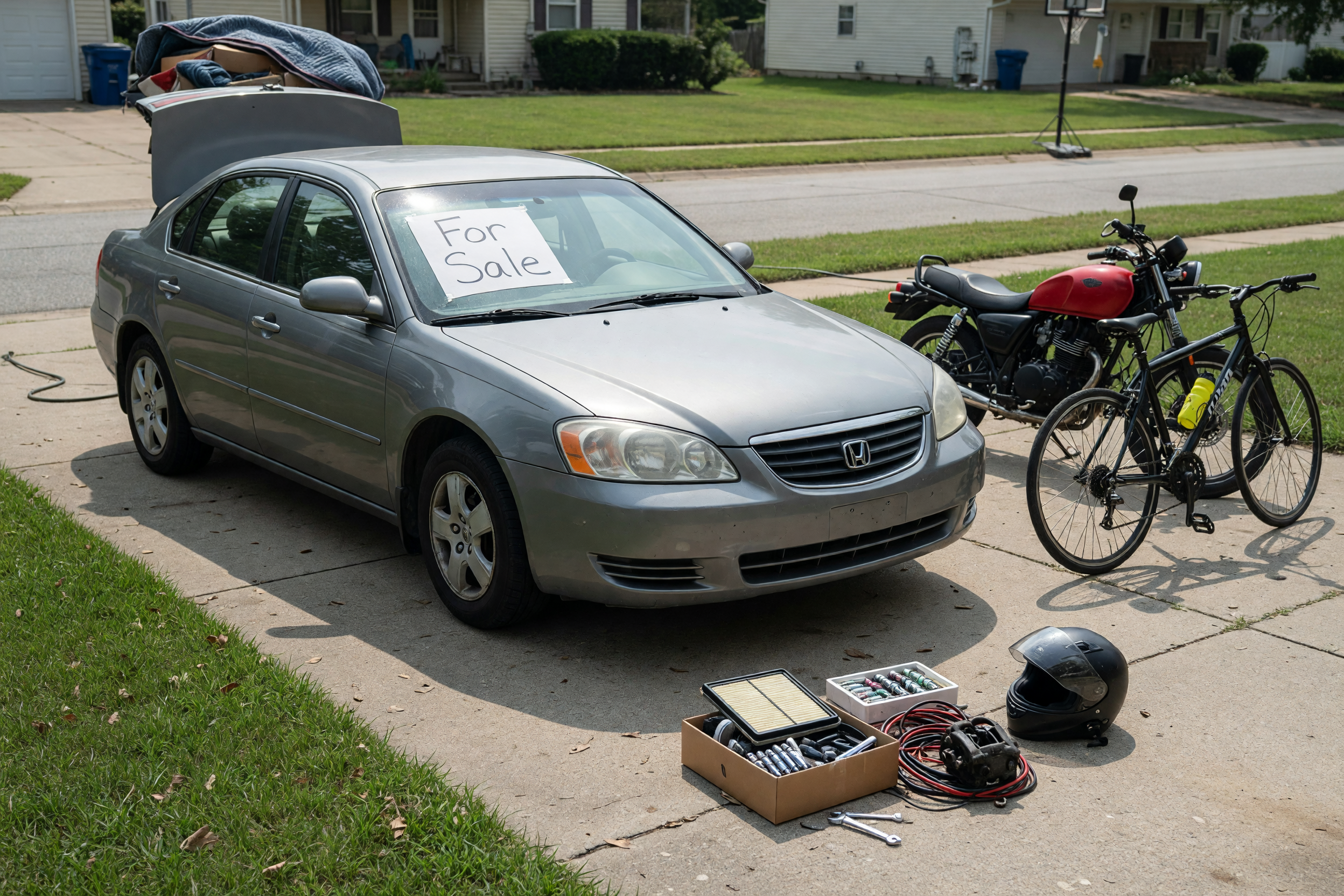
A used car, a bike collecting dust in the garage, or a box of parts left over from a repair all have the same problem: they're worth real money, but only if a local buyer can find them and trust the listing enough to drive over. Vehicle classifieds are where that match happens — a seller posts what they have, a nearby buyer sees it, and a direct message turns into a sale. The catch is that most vehicle listings bury the three things a buyer actually needs: honest condition, real numbers, and a clear way to see or test it.
This guide walks a real seller through listing a car, a bike, and even leftover parts on Brixaz so a local buyer can decide before they ever message you. You'll get the exact fields to fill for each type, bad-versus-better listing copy, a photo and paperwork checklist, and pickup and test-drive wording that filters out the tire-kickers. If you can take a few clear photos and read your own odometer, you can post today.
Why local vehicle buyers decide before they message
Buying a vehicle locally is a bigger commitment than grabbing a used lamp. A car buyer is planning to bring cash or arrange a transfer, set aside a test drive, and often bring a second person or a mechanic. A parts buyer needs to know the part fits their exact year and model before they'll drive across town. Nobody makes that trip on a vague listing.
So the person scanning vehicle classifieds near them is quietly asking three questions before they type a word: Are the real numbers here — mileage, year, price, condition? Is the paperwork clean enough that I can actually buy it? And can I see it, test it, or confirm it fits without a hassle? A listing that answers all three earns a "Can I come look Saturday?" instead of ten rounds of "How many miles?" Every real number and clear photo you add is friction you remove from the buyer's decision.
On Brixaz, everything with wheels or an engine lives in the vehicles section and surfaces by city, so a buyer a few neighborhoods over sees your listing alongside genuine local options instead of results from three states away. Direct contact means the buyer messages you, not a middleman, so the conversation goes straight to logistics.
Cars, bikes, and parts: choose the category buyers actually browse
The single fastest way to get ignored is to post in the wrong place. A buyer hunting for a motorcycle isn't scrolling the same list as someone looking for a road bike, and a person searching for a specific alternator won't find it if it's tossed in with cars. Picking the right category is the difference between showing up for the exact buyer and disappearing into a pile.
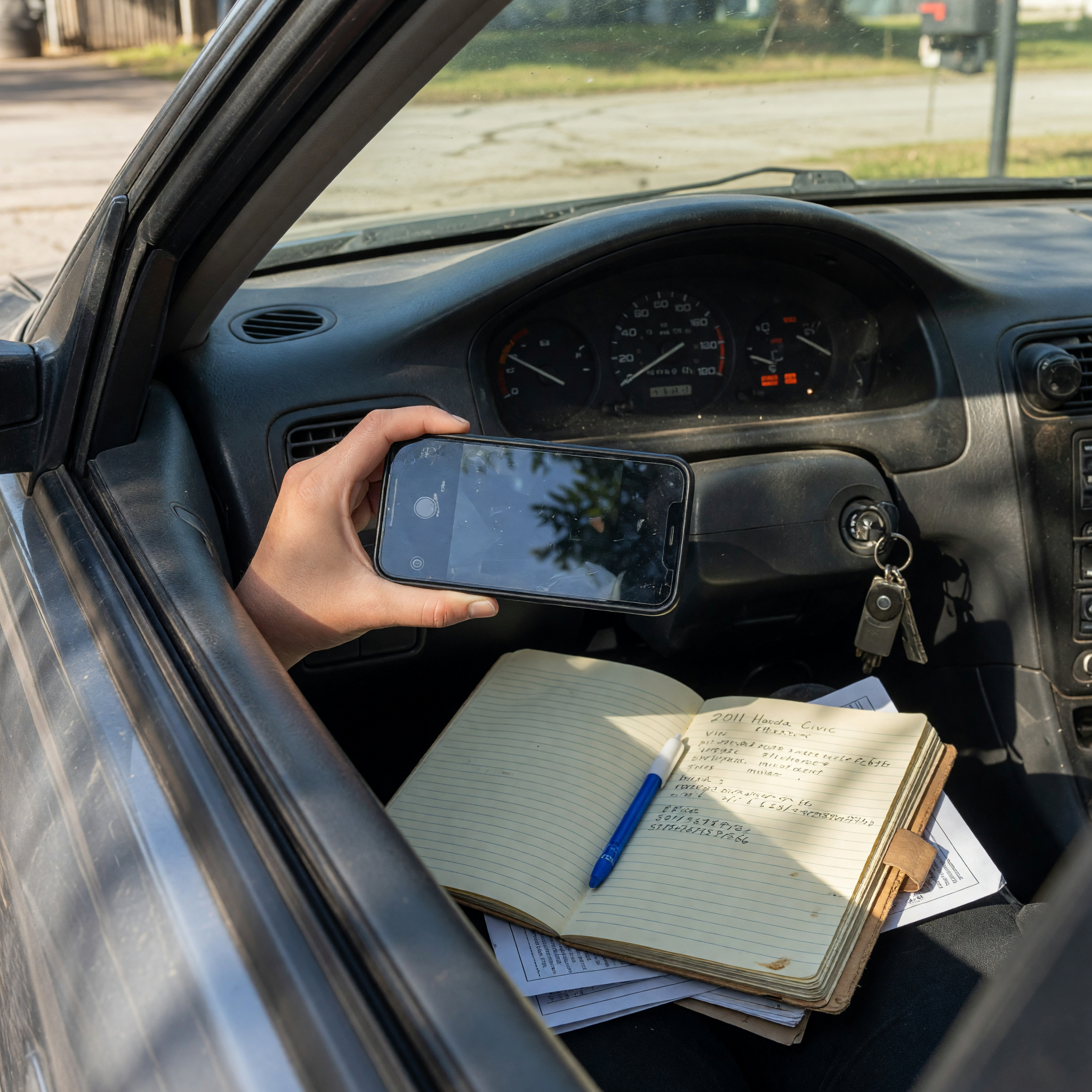
Here's how the common vehicle types map to where a local buyer expects to find them, and the one detail that matters most for each:
| What you're selling | Best category | The detail buyers check first |
|---|---|---|
| Sedan, hatchback, coupe | Cars | Mileage, year, title status |
| Truck, SUV, van | Trucks & SUVs | Mileage, tow/payload, bed condition |
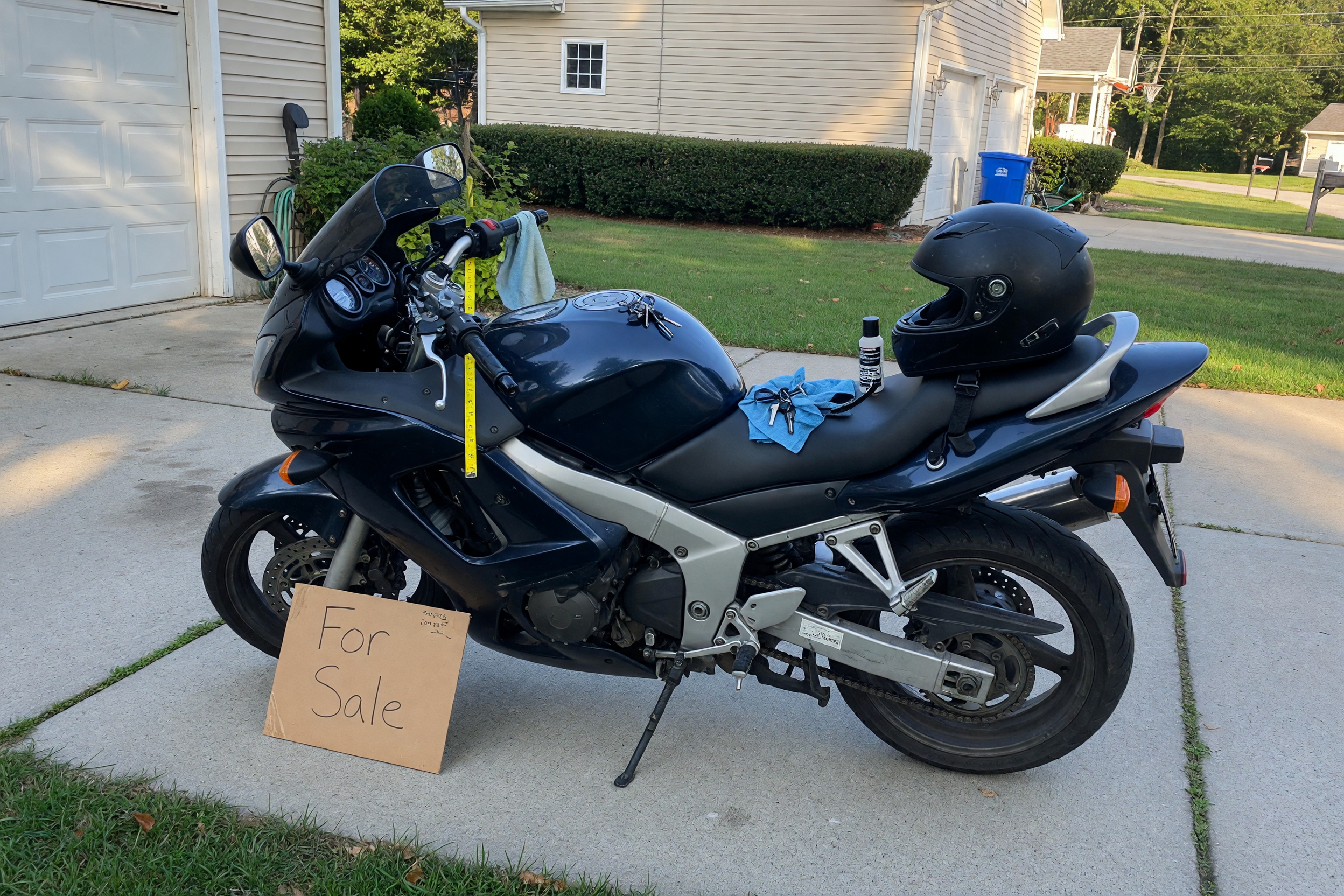
| Motorcycle, scooter, dirt bike | Motorcycles | Mileage, title, running condition |
| Road, mountain, or kids' bicycle | Bicycles | Frame size, wheel size, brake type |
| Alternator, wheels, seats, spares | Parts | Exact year/make/model it fits |
| Boat, trailer, RV, camper | Boats & RVs | Length, condition, paperwork |
Parts are the most under-listed category and the easiest win. If you have a garage of takeoff wheels, a spare bumper, or a used but working alternator, list it — those buyers are actively searching and rarely find local options. Post a part with the fitment fields pre-set on the parts posting form so the buyer can confirm it fits their vehicle at a glance.
The fields that make a vehicle listing get a reply
Before you write a sentence, gather the facts a buyer needs. Missing any of these is the most common reason a vehicle listing sits while a nearly identical one down the street sells in a day. The specific fields differ by type, but the principle is the same: replace every guess with a number or a photo.
- Cars, trucks, and motorcycles: year, make, model, trim, exact mileage, title status (clean, salvage, rebuilt), transmission, VIN available on request, recent work or new parts, and any known issues stated plainly.
- Bicycles: brand and model, frame size (and rider height it fits), wheel size, gearing, brake type, and whether anything needs service like new tires or a tune-up.
- Parts: the exact year/make/model the part fits, the part name and number if you have it, whether it's OEM or aftermarket, condition (new, used-working, for-repair), and why you're selling it.
The "known issues" line is the one most sellers skip, and it's the one that closes sales. A buyer who reads "AC blows warm, needs a recharge — priced accordingly" trusts the rest of the listing more, not less. Honesty up front turns a possible argument in your driveway into a fair deal you both expected.
Bad vs. better listing copy for a car and a part
The specifics matter more than the polish, but structure makes your specifics easy to scan. Compare these real-world versions.
Bad car listing: "2014 sedan for sale. Runs great. Clean. $6000 obo. Serious buyers only."
Better car listing: "2014 Honda Civic LX, 112,000 miles, clean title in hand, automatic. Second owner, non-smoker. New front brakes and battery this spring; oil changed every 5k with records. Small door ding on the passenger side shown in photo 5, AC cold, everything works. $6,200, firm because it's priced under local comps for the mileage. Cash or verified transfer, test drive welcome with a valid license. Located in the [neighborhood] area — message me a time."
Bad part listing: "Alternator for sale. Works. $40."
Better part listing: "OEM alternator pulled from a running 2010–2015 Toyota Corolla 1.8L (part #27060-0T010). Tested and charging before removal, roughly 90k miles on it. $40 firm, cash on pickup in [neighborhood]. Message your car's year and engine and I'll confirm it fits before you drive over."
Neither better version is padded. Every added phrase kills a question: the mileage and title kill "is it clean," the maintenance notes kill "was it cared for," the ding photo kills "any damage," and the fitment line kills "will this even work on my car." You've done the buyer's homework, and buyers reward that with faster commitment and fewer lowballs.
Pricing, mileage, and paperwork that keep buyers serious
A round number with no reasoning invites a lowball. "$6,000" reads as a starting bid; "$6,200 firm, priced under local comps for a 112k-mile Civic with a clean title" reads as a decision. Anchor your price to something real: comparable local listings, the vehicle's condition and mileage, and any recent work that adds value. For bikes and parts, the same rule holds — tie the number to condition and to what a new one costs today.
If you're unsure where to land, run your vehicle or part through the Brixaz listing price checker to see a sensible local range before you commit. Pricing to the market, not to hope, is what gets you a serious first message instead of a week of silence.
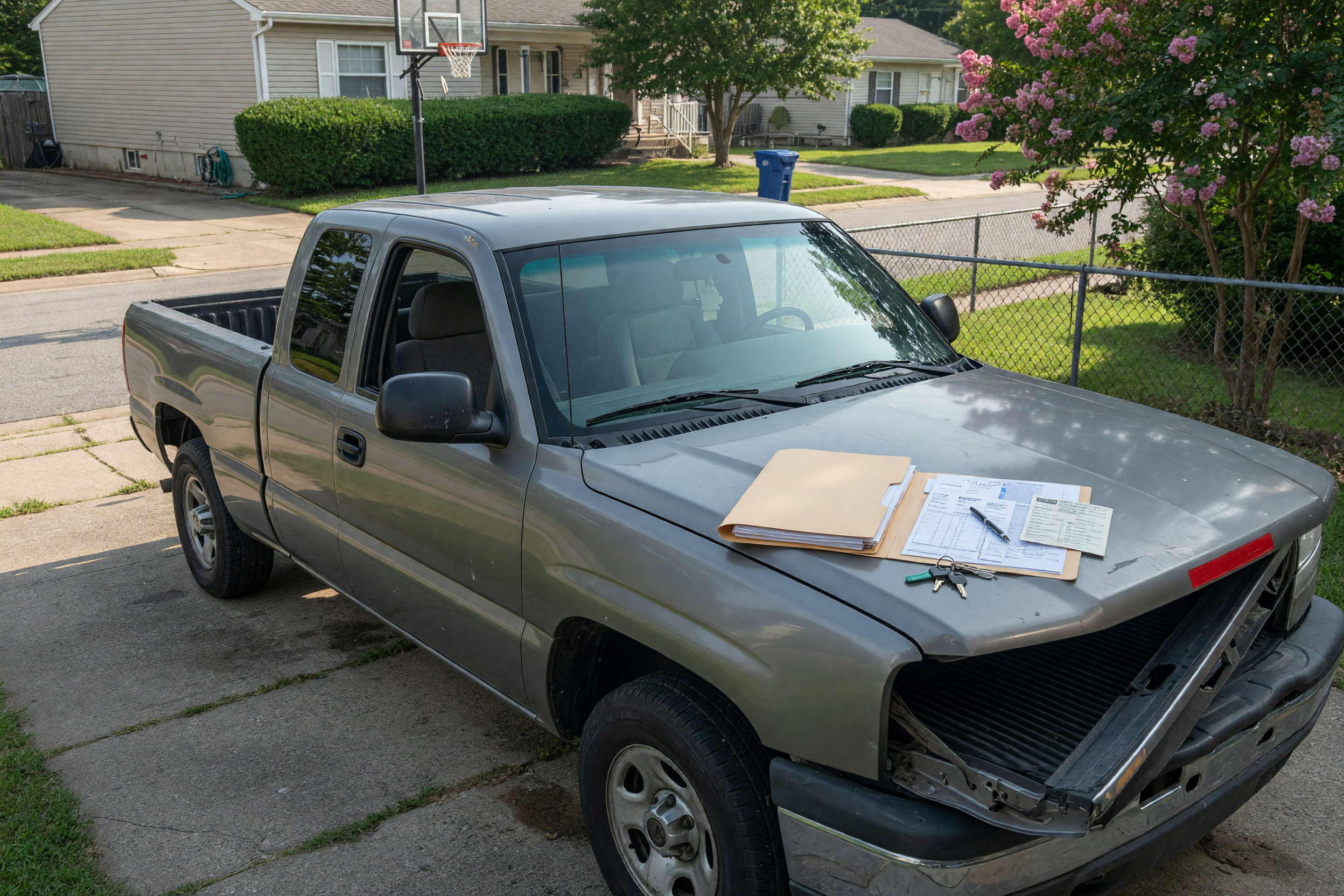
Paperwork is what turns interest into a completed sale. For a car or motorcycle, have the title ready, know whether it's clean or rebuilt, and be prepared to sign a simple bill of sale so both sides have a record. Many states also want you to file a release of liability after the sale. Naming your paperwork status right in the listing — "clean title in hand, will sign a bill of sale" — signals you're a real, organized seller and moves you ahead of the vague listings around you.
Photos, test drives, and safe local pickup
Vehicles sell on trust, and photos build it faster than any paragraph. Daylight and a clean, uncluttered spot beat any filter. Take these shots for a car or bike, and the fitment and condition shots for a part:
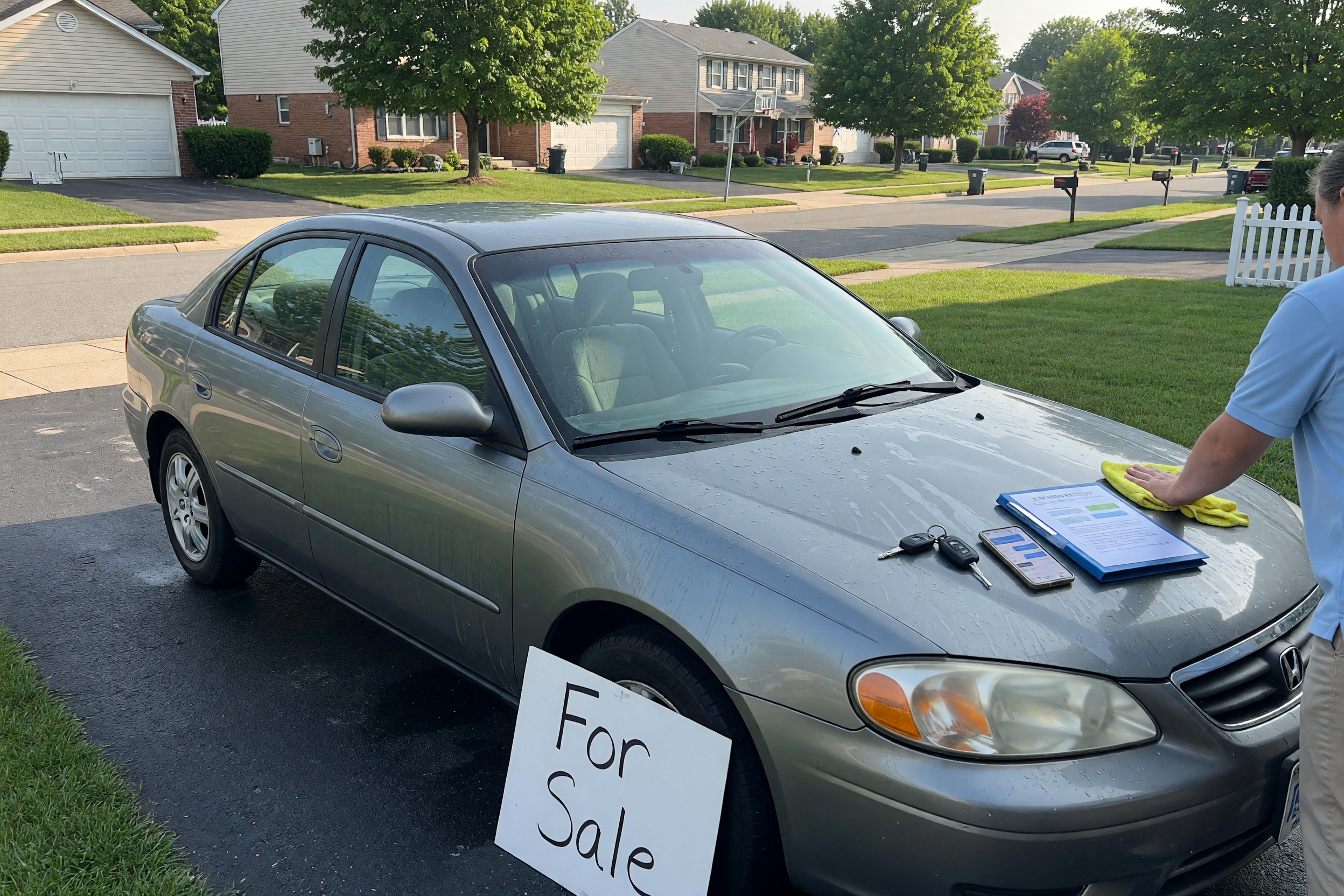
- Full exterior, front three-quarter angle: the whole vehicle in frame, shot outdoors in daylight. This is your thumbnail — make it clean.
- The odometer or the frame size: the real number the buyer wants, photographed clearly, not described.
- Interior and seats, or the drivetrain: shows real wear and condition so the buyer can picture ownership.
- Every known flaw, up close: the ding, the worn tire, the scratch. Showing it builds trust and prevents a driveway argument.
- Title, VIN, or part number: a photo of the paperwork or fitment detail (block out sensitive numbers) proves you have it.
For test drives and pickups, set the terms in the listing: meet in a public, visible spot in daylight; ask to see a valid driver's license before a test drive; ride along or keep the keys until you're back; and take payment as cash or a verified transfer before the title changes hands. Never hand over the title or keys before payment clears. These are normal boundaries, and serious buyers expect them. If you want to see how strong local vehicle listings read before you write yours, scan current sell-used listings to model the format and tone.
Post your vehicle listing free
Related truck seller guide: sell a used pickup truck locally
For sellers with a motorbike to post, this guide goes deeper on motorcycle details: sell a motorcycle locally
For a car-specific private-sale walkthrough: sell a used car privately
For smaller vehicle-category listings, this bicycle guide is more specific: sell a used bicycle locally
For larger private-sale vehicles: sell used boat or RV
If the vehicle is a private-sale car: used car listing checklist
Bike sellers can make the vehicle section stronger with this focused guide: used kids bike listing checklist
For sellers listing parts instead of a whole vehicle, this checklist is more specific: sell used car parts with fitment details
Related guide: boat or RV listing checklist
Frequently asked questions
How do I sell a used car locally without wasting weekends?
Front-load the answers so only serious buyers reach out. Post the year, make, model, exact mileage, title status, recent maintenance, a clear flaw photo, your firm-or-negotiable price with a reason, and how test drives work. When the listing already answers the top questions, the first message is usually "Can I come Saturday?" instead of a dozen clarifying texts. Meet in a public spot, verify a license before any test drive, and take payment before the title changes hands.
Can I sell used car parts on a local marketplace?
Yes, and parts are one of the most under-served vehicle categories, so a clear listing stands out fast. Post the exact year, make, and model the part fits, the part name or number, whether it's OEM or aftermarket, its condition, and a photo. Ask the buyer to confirm their vehicle before pickup. You can start a parts listing with the fitment fields pre-set on the parts posting form.
What should a bicycle listing include?
Frame size and the rider height it fits, wheel size, brand and model, gearing, brake type, and whether anything needs service. Frame size is the field buyers check first — a great bike in the wrong size is an instant pass, so state it plainly. Add a full-side photo and a close-up of the drivetrain and tires. Post it in the bicycles category so it reaches riders searching for that exact size instead of scrolling past cars.
How do I price a vehicle so buyers don't lowball me?
Anchor the number to something real — comparable local listings, mileage and condition, and any recent work — and say the reason in the listing. "$6,200 firm, under local comps for the mileage" reads as a decision, not an opening bid. Run it through the Brixaz listing price checker first to confirm a sensible local range so you're pricing to the market, not to hope.
What paperwork do I need to sell a car privately?
Have the title ready and know whether it's clean, salvage, or rebuilt. Sign a simple bill of sale so both sides have a record of the price and date, and check whether your state wants you to file a release of liability after the sale. Stating "clean title in hand, will sign a bill of sale" in your listing signals you're organized and moves you ahead of vaguer sellers.
Where should I list a car, a bike, and parts on Brixaz?
All of them belong in the vehicles section, but post each in its correct category — cars, motorcycles, bicycles, or parts — so it surfaces for the specific buyer searching for it. Local buyers browse by city and message you directly, so a clean category choice plus real numbers is what turns a view into a driveway visit.



Comments
Loading comments...
Checking sign-in status...