
Sell a Used Boat or RV: Title, Condition, Photos
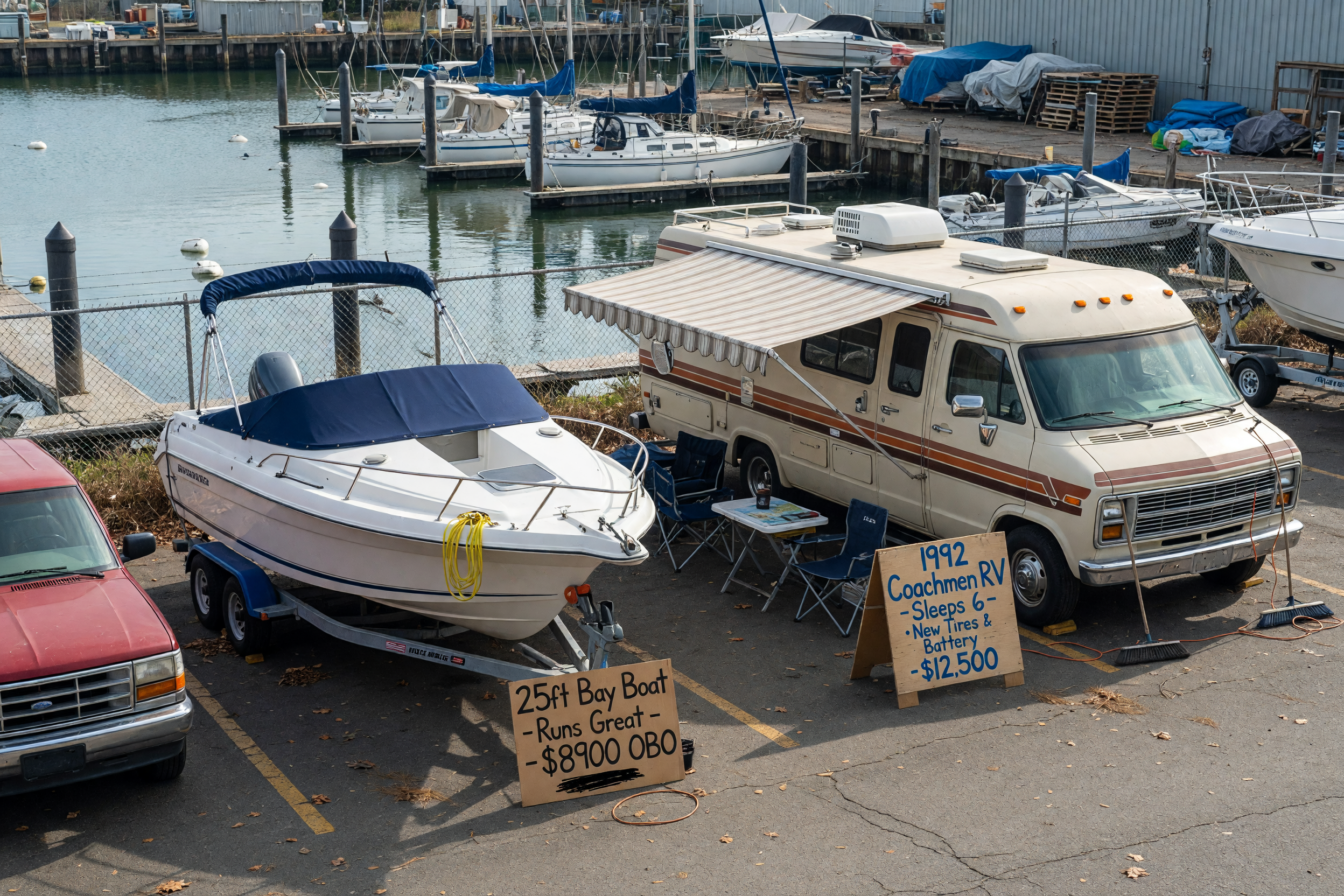
Selling a used boat, camper, trailer, or RV works better when title status, condition, transport, and viewing rules are clear. Use this checklist to post a stronger local listing on Brixaz.
ARTICLE LANGUAGE
Showing original language
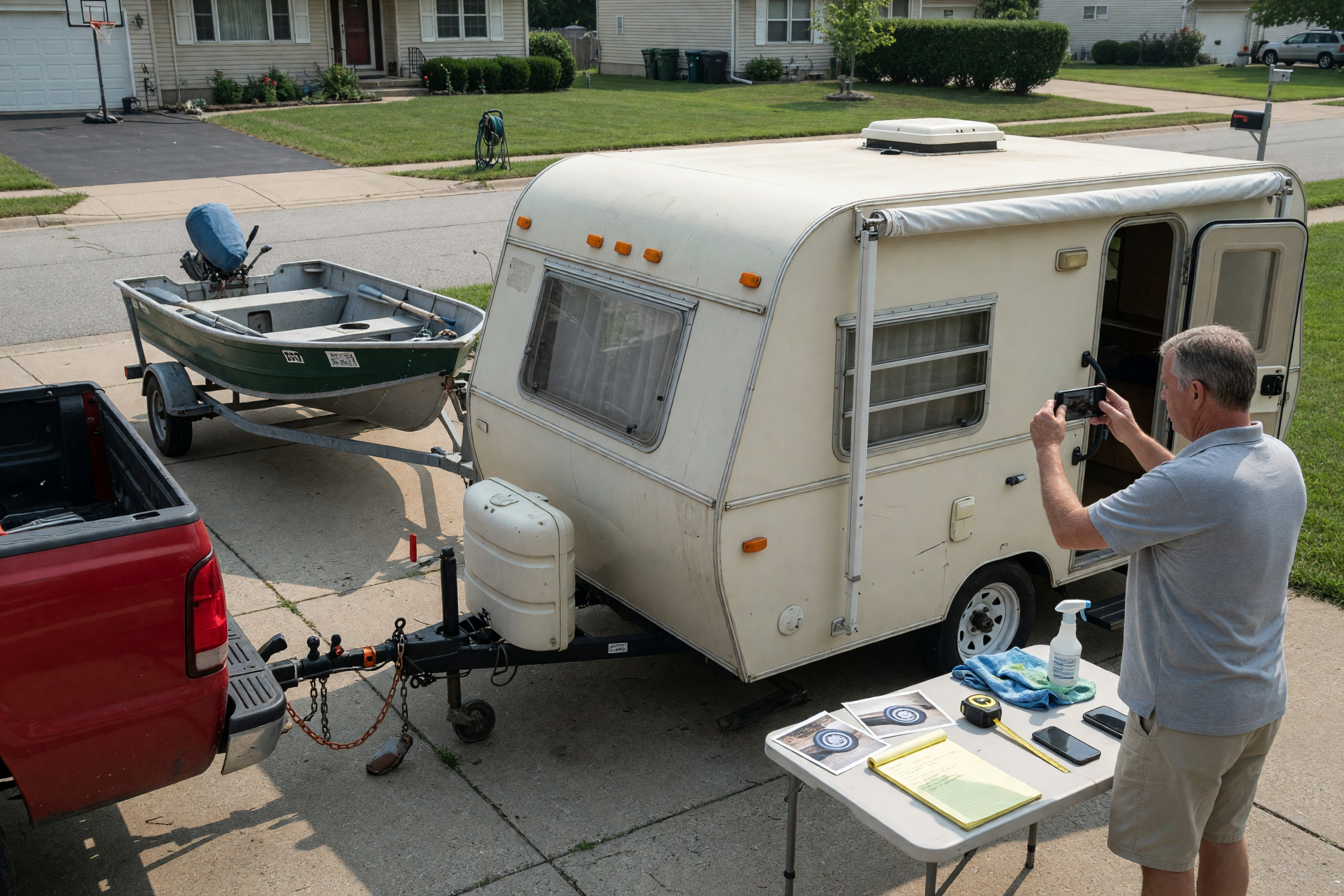
If you have a used boat, camper, travel trailer, or RV sitting in the driveway, the best listing is not the longest one. It is the one that answers the hard questions before a serious buyer has to ask: who owns it, what condition is it in, can it move safely, what is included, and how can someone see it without wasting your weekend? You can post a boat or RV listing on Brixaz with the vehicle category already selected, so the work is mostly gathering the right details and photos.
This guide is for a private owner who can post today: the family selling a fishing boat before storage season, the couple upgrading from a small camper, the contractor clearing a utility trailer, or the RV owner who wants direct local messages instead of another paid lead system. Brixaz is still smaller than the oldest classified sites, but that is the trade-off for founding sellers: free posting, direct contact, lower category competition, and no marketplace fee taken from the sale.
Start With the Ownership Details Buyers Need
For boats and RVs, trust starts with paperwork. A buyer may like the photos, but they will usually stop if title status, registration, lien status, or included documents are vague. Put those facts near the top of the listing, not buried after a story about why you are selling.
Use plain language. For a boat, say whether you have the title for the hull, trailer title if applicable, current registration, maintenance records, and any loan or lien payoff step. For a camper or RV, say whether the title is clean, rebuilt, salvage, bonded, or still held by a lender. If you do not know a document status, do not guess. Say what you can verify and what the buyer should confirm before payment.
Bad copy: “Nice boat, ready for summer. Papers available.” Better copy: “Clean title in my name for the 18-foot aluminum fishing boat. Trailer registration current through this year. No lien. I have the last service receipt for the outboard.” That one paragraph makes the listing feel safer because it names the asset, document, and proof.
If you are unsure what a vehicle-adjacent item might be worth, Brixaz has a used car value calculator that can help you think through mileage, condition, and private-sale pricing logic. It is not a marine appraisal tool, but the discipline is useful: title status, age, condition, maintenance, and buyer risk all affect what a local buyer will consider fair.
Separate Condition From Features
A useful boat or RV listing has two different blocks: features and condition. Features describe what the item is supposed to offer. Condition describes what a buyer is actually getting today. Mixing them creates confusion and invites low-quality messages.
For features, list the make, model, year, length, sleeping capacity, engine or motor type, fuel type, hitch class, slide-outs, awning, generator, appliances, electronics, fish finder, trolling motor, trailer, covers, extra tanks, batteries, and accessories. Keep this section factual. Do not call every feature “premium” or “rare” unless you can explain why.
For condition, name the useful truth: starts cold, last used date, known leaks, soft spots, tire age, battery condition, water system status, roof condition, upholstery wear, hull damage, engine hours if known, service records, odor, mildew, appliance testing, brake lights, bearings, and whether it can be towed today. Buyers forgive imperfections faster than surprises.
One Brixaz-specific advantage is clean category choice. A boat or RV buried inside a broad “for sale” post has to fight furniture, electronics, and household goods. Posting it in the vehicles area, and using a focused title, helps the right local buyer understand immediately that the listing is for a towable or recreational vehicle, not a vague weekend item. You can also browse the broader vehicles section to see how direct category discovery works.
Use Photos That Prove It Can Be Inspected
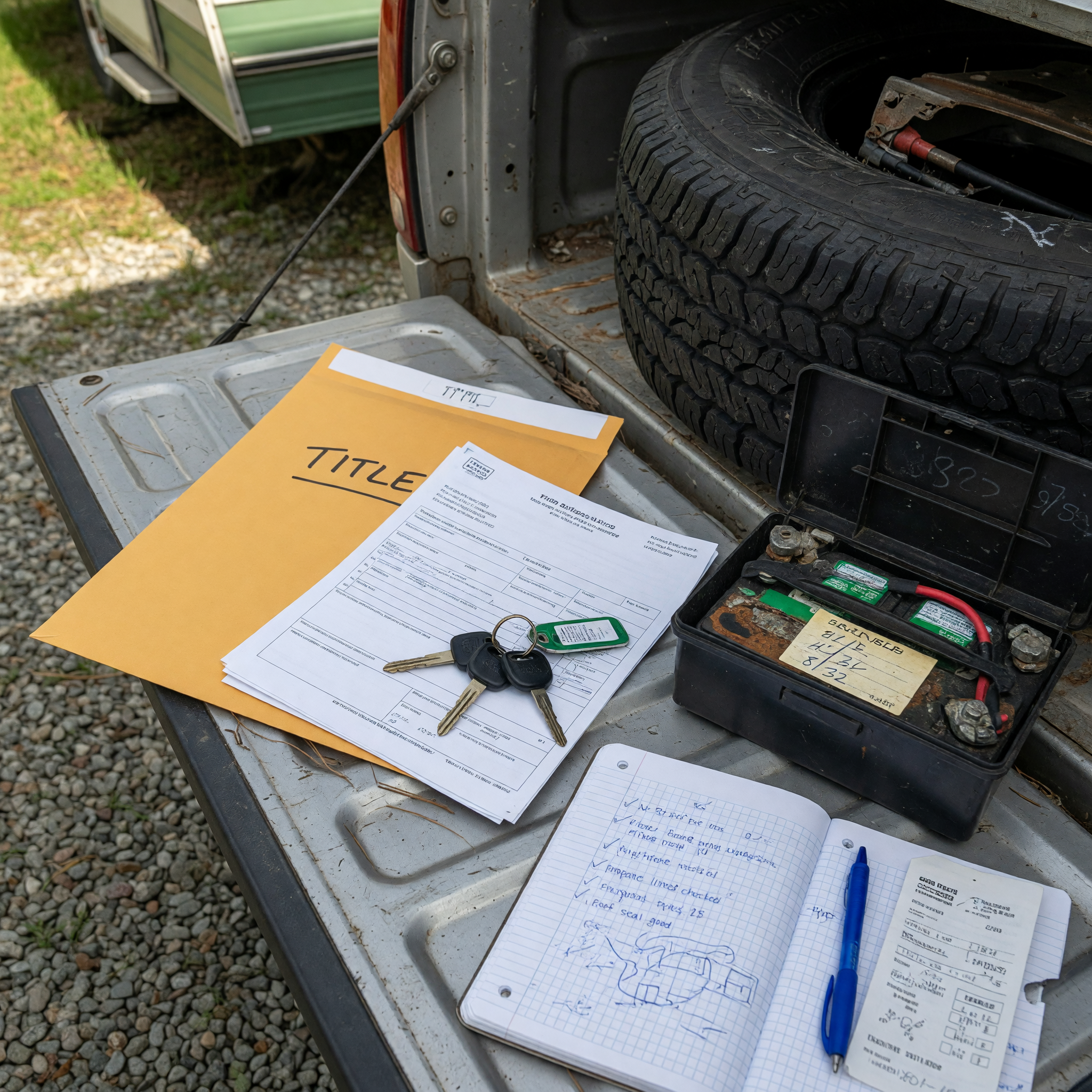
Photos should reduce uncertainty, not decorate the listing. A buyer is trying to answer three questions before they message: is this real, is it close enough to inspect, and is the condition worth the trip? Take photos in daylight, clean the item first, and shoot the parts people normally worry about.
For a boat, include the full side profile, bow, stern, hull bottom if visible, transom, motor, prop, cockpit, seats, storage compartments, trailer tires, trailer lights, hitch, registration numbers if you choose to show them, and included gear laid out clearly. Avoid posting any personal document numbers or address details in the image.
For an RV or camper, include the exterior on all sides, roof condition if safe to photograph, tires, hitch, VIN plate area without exposing sensitive numbers, interior wide shots, beds converted for use, bathroom, kitchen, fridge, water heater area, battery compartment, generator, slide-outs, awning, water damage spots, and any patched area. A single honest photo of a flaw can save five pointless showings.
Do not use screenshots from an old listing as your only photos. If you already have listing text from another marketplace, importing or reposting can be useful, but new photos show current condition. For this article’s motion, the shortest honest next step is a fresh Brixaz post with the category and sale intent already selected.
Write the Listing Copy Buyers Can Compare
Good listing copy makes comparison easy. A buyer may be looking at five campers or three boats in one afternoon. If your post makes them hunt for basics, they move on or send a lazy “available?” message. Give them a clean structure.
Use this order: title, price, location area, make/model/year, size, ownership status, condition summary, what works, what needs attention, what is included, viewing rules, and pickup or towing expectations. You do not need legal language or salesmanship. You need complete facts.
Bad title: “Camper for sale.” Better title: “2016 17-foot travel trailer, clean title, sleeps 4.” Bad description: “Everything works, no lowballers.” Better description: “Lights, fridge on electric, water pump, and roof fan worked when tested this week. Tires are older and should be inspected before a long tow. Includes weight-distribution hitch and two propane tanks.”
Price language should also be direct. If the price is firm, say “price firm for the first week.” If you will consider offers after inspection, say “reasonable offers after you see it in person.” Avoid “testing the waters” unless you truly do not need to sell, because serious buyers often skip listings that sound noncommittal.
Checklist Before You Post
Use this quick checklist before publishing. It helps you avoid the most common messages that do not turn into showings.
| Listing field | What to include | Why it matters |
|---|---|---|
| Title status | Clean, lien, rebuilt, missing, bill of sale only, or unsure | Stops paperwork surprises before a buyer drives over |
| Exact identity | Year, make, model, length, engine, trailer or RV type | Lets buyers compare your listing against similar options |
| Current condition | What works, what was tested, what needs repair | Builds trust and reduces low-quality messages |
| Towing or transport | Tire age, lights, hitch, battery, road-ready status | Helps buyers plan pickup safely |
| Included items | Covers, tanks, batteries, electronics, keys, manuals, service records | Explains value without overpromising |
| Viewing rules | Available days, public meet option, no solo test drives, payment boundary | Protects your time and sets a safer transaction |
Keep the listing honest but not apologetic. “Soft spot near rear corner shown in photo” is stronger than hiding the issue, and it attracts buyers who can handle that repair. The right buyer may be a hobbyist, a family wanting a starter camper, a fishing buyer who already has tools, or someone looking for a project at the right price.
Set Viewing, Test, and Payment Boundaries
Boats and RVs create more logistics than a couch or phone. Say where the item can be viewed in general terms, such as “north side of Austin” or “near the county fairgrounds,” then share the exact address only with a serious buyer. If the item is stored at a marina, yard, or facility, confirm access rules before scheduling anyone.
For a boat, decide whether you will run the motor on muffs, meet at a ramp, allow a water test, or sell as-is from storage. If a water test requires time, fuel, launch fees, or a deposit, explain that before the appointment. For an RV, decide whether shore power is available for testing appliances, whether propane systems will be demonstrated, and whether the buyer can arrange an independent inspection.
Payment boundaries should be boring and clear. Say what payment methods you will consider, when title transfer happens, and whether you will hold the item. Avoid taking large deposits from strangers through risky methods, and do not release title or keys until payment is settled in a way you trust. A direct-contact marketplace is useful because you can answer real buyer questions without routing the conversation through a commission-taking checkout, but you still control the meeting and payment rules.
If you are posting during Brixaz’s founding-seller stage, the honest benefit is not guaranteed traffic. It is that an empty or thin category gives a complete listing more room to stand out. The founding sellers page explains that trade-off plainly: free posting, direct contact, and less competition today, with no promised sale or view count.
Post Your Boat or RV Free Today
Before you post, answer the conversion question in one sentence: “I am selling a specific used boat, camper, trailer, or RV, and I can show title status, condition, photos, and viewing rules today.” If that sentence is true, you are ready.
Use the Brixaz form to publish the listing with the sale type and vehicle category already set. Add the strongest facts first: year, make, model, length, title status, condition, included items, and pickup or viewing area. Then upload the photos that prove the item exists and can be inspected. Keep the final line practical: “Message with your preferred viewing time and any questions about title, towing, or testing.”
Owners parting out vehicle-related items can use this parts-focused guide: used auto parts listing checklist
The same buyer trust principles apply to heavier vehicles, especially when title and inspection details matter: sell a work truck with title and condition proof
FAQ
What should I put in the title when I sell a used boat or RV?
Put the year, make, model, length, and strongest trust detail in the title. For example: “2014 19-foot fishing boat, clean title, trailer included” or “2018 travel trailer, sleeps 4, clean title.”
Should I mention problems in the listing?
Yes. Name known issues directly and show them in photos when possible. A disclosed leak, soft spot, old tire, or appliance issue filters for buyers who understand the repair instead of creating conflict at the showing.
Do I need to include the exact address?
No. Use a general area in the public listing and share the exact meeting place only with a serious buyer. For stored vehicles, confirm access hours before scheduling a viewing.
How many photos should I use?
Use enough photos to cover the full exterior, interior, title-ready details without exposing private numbers, tires, hitch, motor or systems, included accessories, and flaws. Ten useful photos are better than three polished ones.
What if the boat or RV is a project?
Say it is a project in the title or first paragraph. List what is missing, what you tested, what you did not test, and whether it can be moved safely. Project buyers need clarity more than persuasion.
Can I post if I still owe money on it?
You can describe the listing, but be clear that there is a lien and explain the payoff or title-release process you can support. Many buyers will want lender confirmation before paying.



Comments
Loading comments...
Checking sign-in status...