
Sell a Boat or RV: Title, Storage, Systems Check
A practical listing guide for selling a used boat or RV locally: title status, storage access, a simple systems check, and viewing terms buyers can trust.
ARTICLE LANGUAGE
Showing original language
A used boat or RV sells faster when the listing proves three things before the first message: the title is clean enough to transfer, a buyer can actually reach and view the unit, and the systems you claim were checked recently. If you already have those notes, post your boat or RV free with the category already set so serious local buyers can contact you directly.
This guide is for an owner, estate seller, or small dealer with one real boat, pontoon, jet ski, travel trailer, fifth-wheel, camper van, or motorhome to sell locally in the United States. The exact listing to publish is that one unit, not a vague "boats and RVs" ad. Brixaz is smaller than the older classified boards, so a complete first post in a thin category can get seen instead of buried.
Name the exact boat or RV you are selling
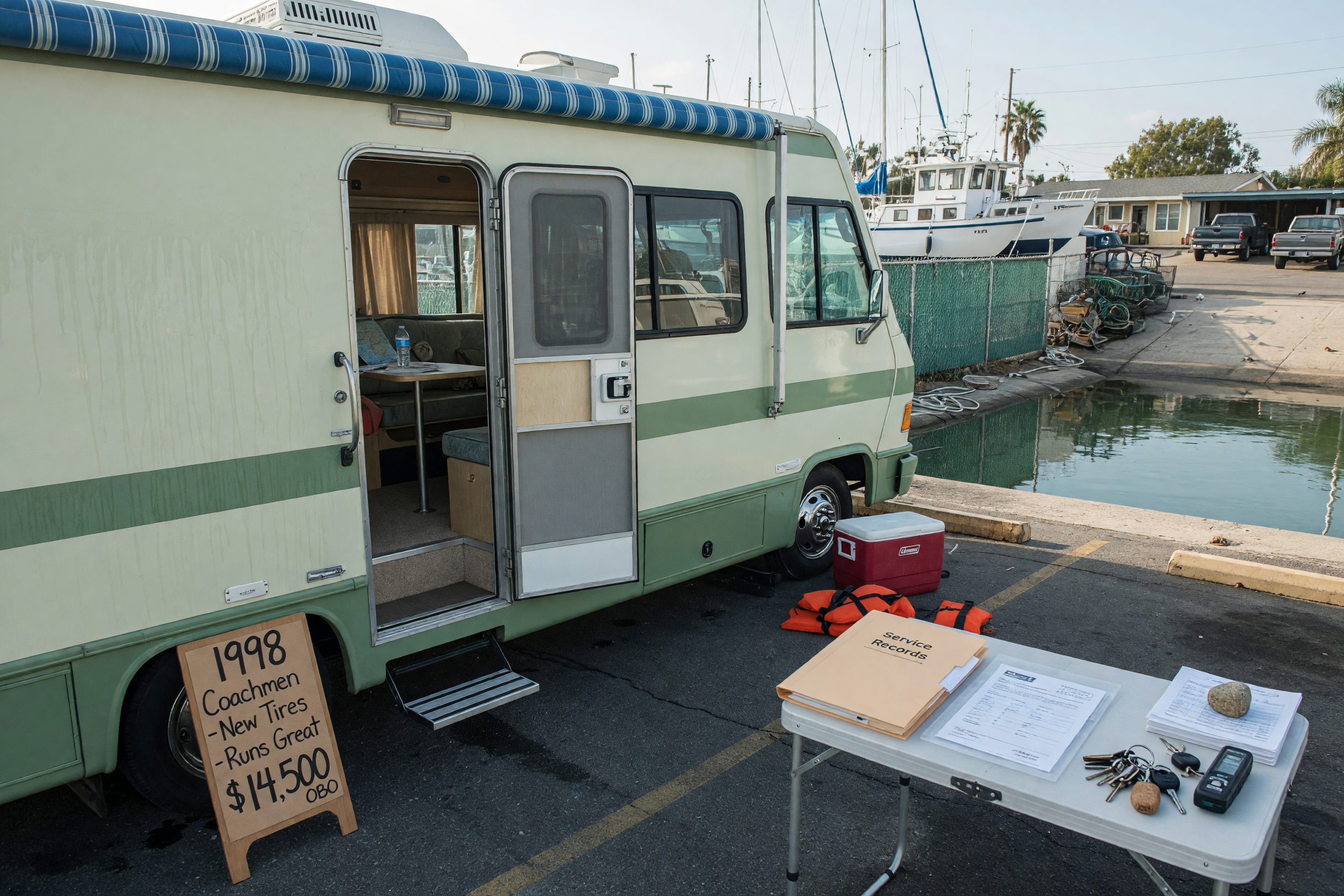
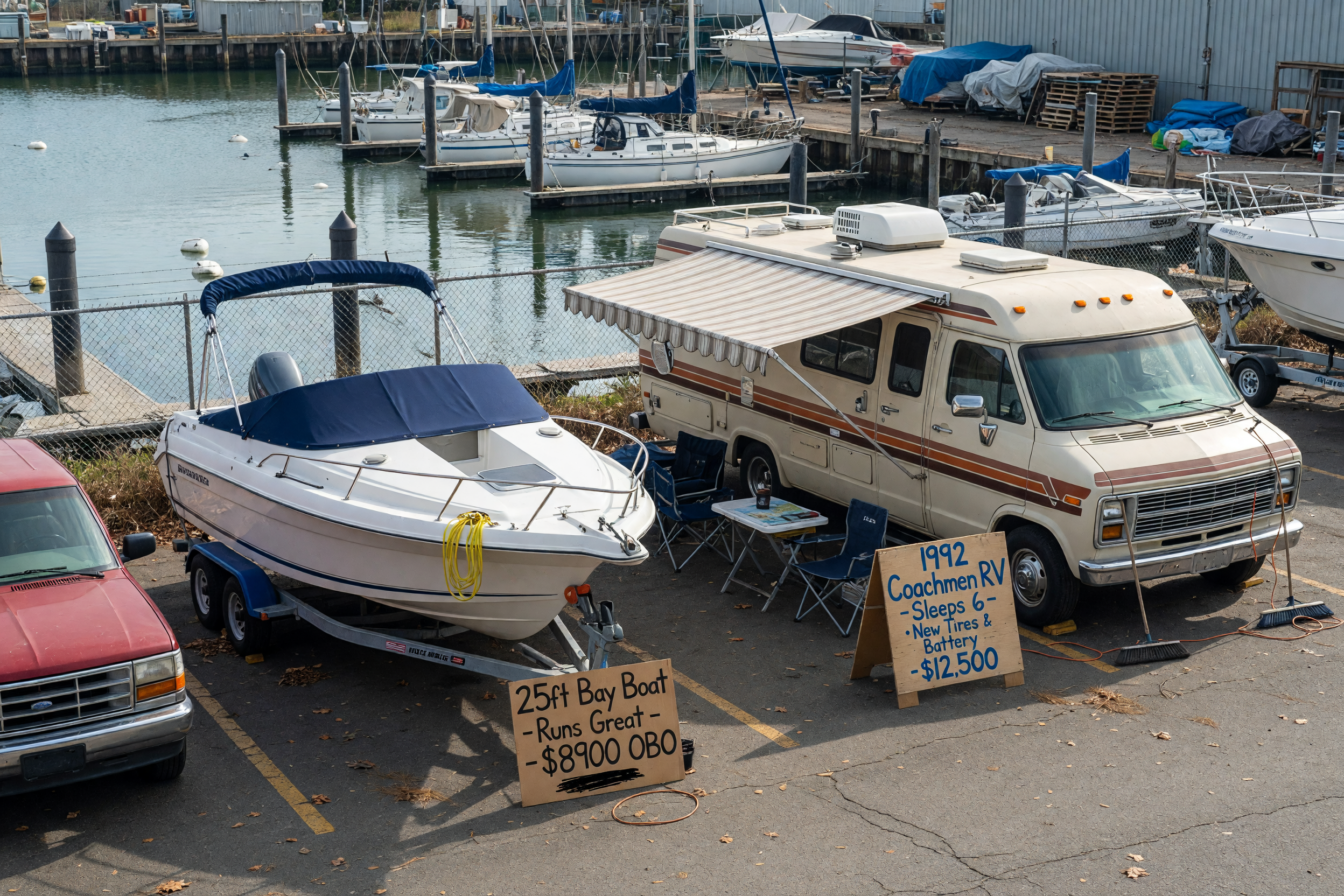
Buyers search differently for a 16-foot aluminum fishing boat, a pontoon, a sailboat on a trailer, a pop-up camper, a travel trailer, and a Class C motorhome. Put the type, length, year if known, and sleep or passenger count in the title. "2014 24ft travel trailer, sleeps 6, title in hand, stored in Austin" is stronger than "Nice camper for sale."
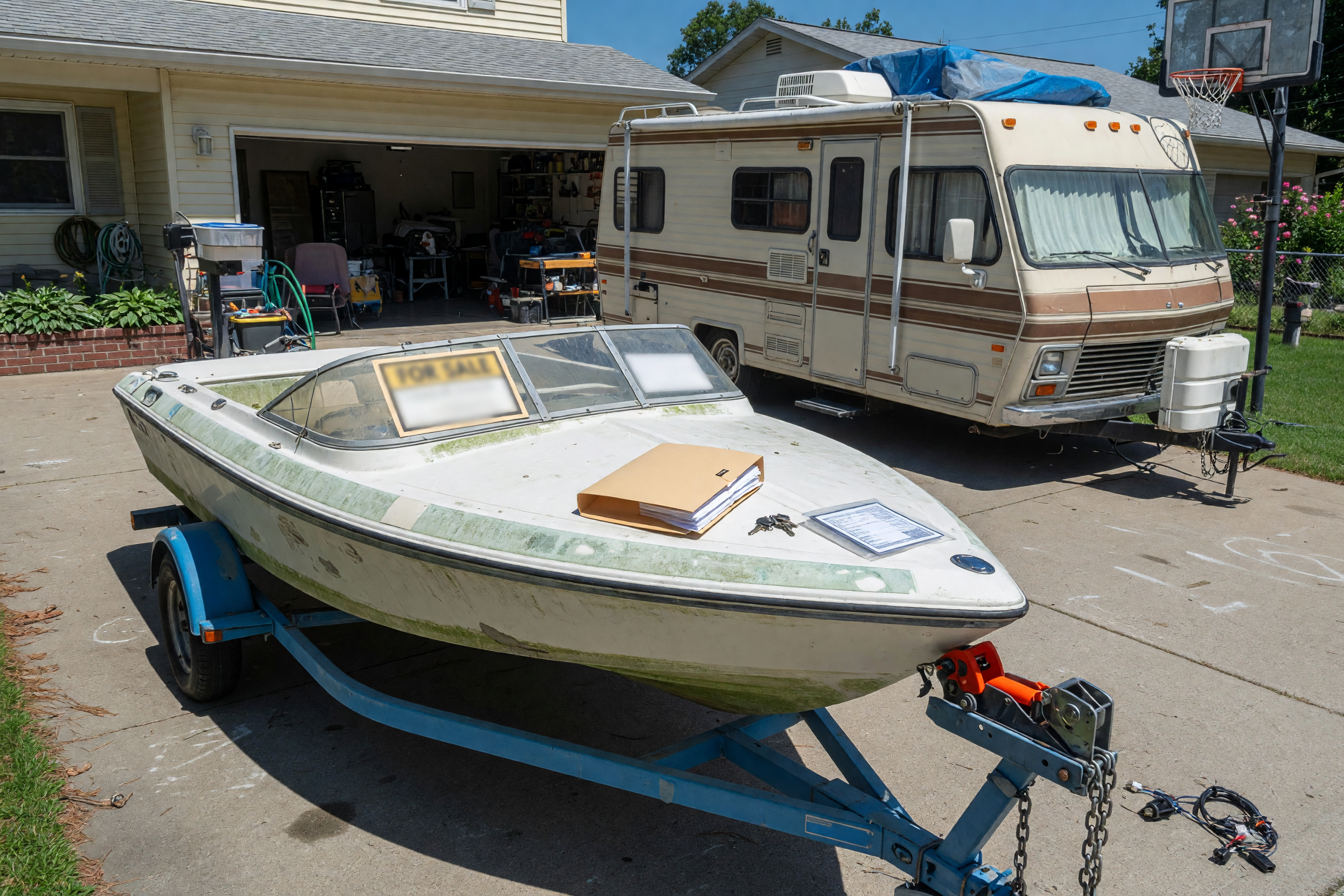
Say whether the unit is on a trailer, in a slip, in a storage lot, or parked at a house. That one fact changes who can buy it this week. A trailer-ready boat has a different buyer than a boat that needs a crane or marina appointment. An RV that can be towed with a half-ton truck is a different listing than a fifth-wheel that needs a specific hitch.
Do not write "perfect condition" or "ready to camp this weekend" unless you can point to a recent check. Better wording is specific: "Batteries held charge on August 29; propane cooktop lit; roof inspected from the ground; selling because we switched to hotels."
Prove title, registration, and liens
Title problems kill more boat and RV deals than cosmetic wear. State in the listing whether you have the paper title, an electronic title, a registration card, and whether a lien is still open. If the title is in a spouse's, parent's, or LLC name, say who has to sign and how long that takes. If you are waiting on a duplicate title, say that before anyone books a viewing.
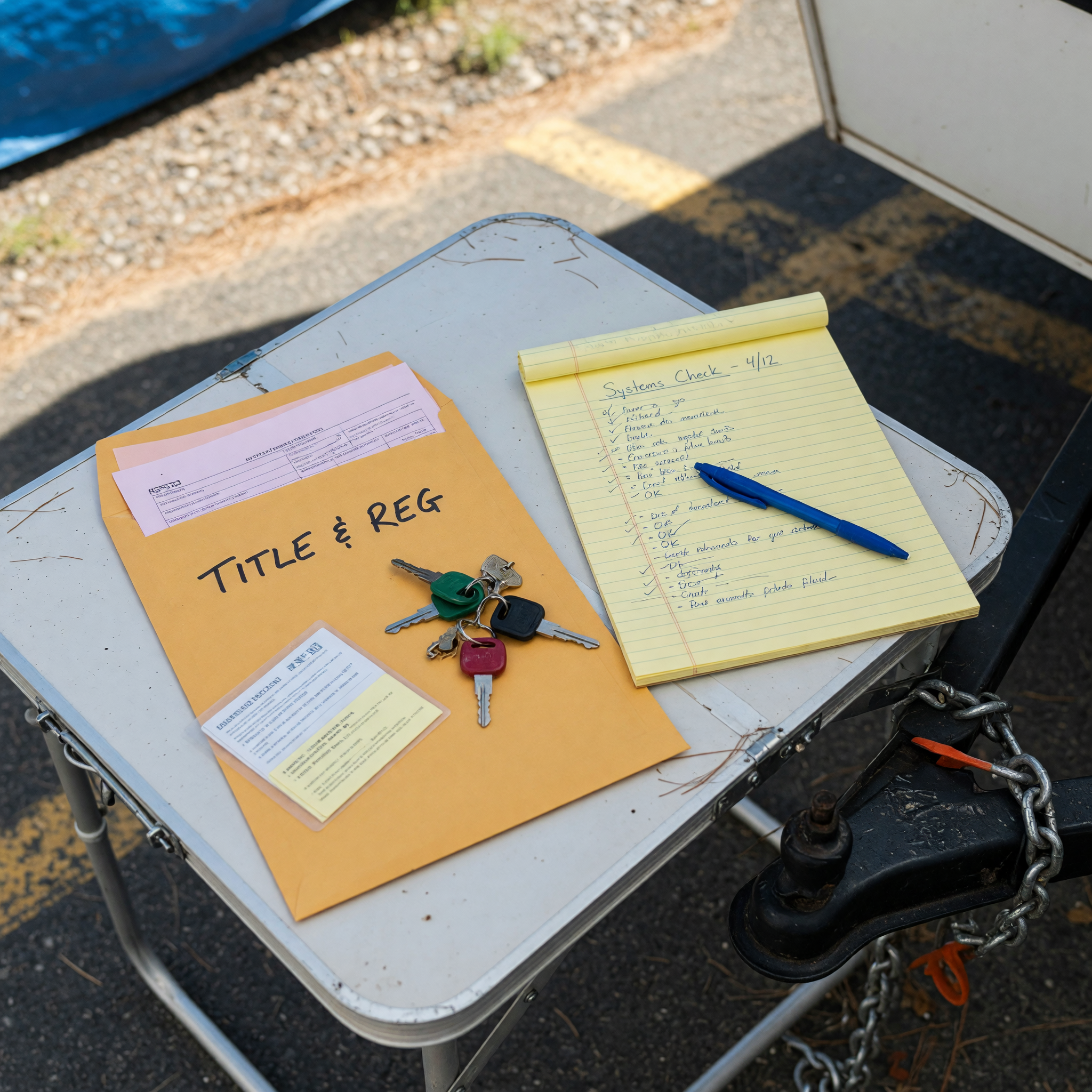
Photograph the title with personal numbers and the document ID covered. Show the year, make, hull or VIN line if it is readable, and that the paper exists. For a trailered boat, say whether the trailer has its own title or is included on the boat paperwork. Buyers planning a same-weekend pickup need that split.
If you already compared prices against similar local ads, keep those notes. The listing price checker is useful for a sanity check, but title clarity and access usually move the deal more than a $200 price change.
Record storage, dimensions, and access
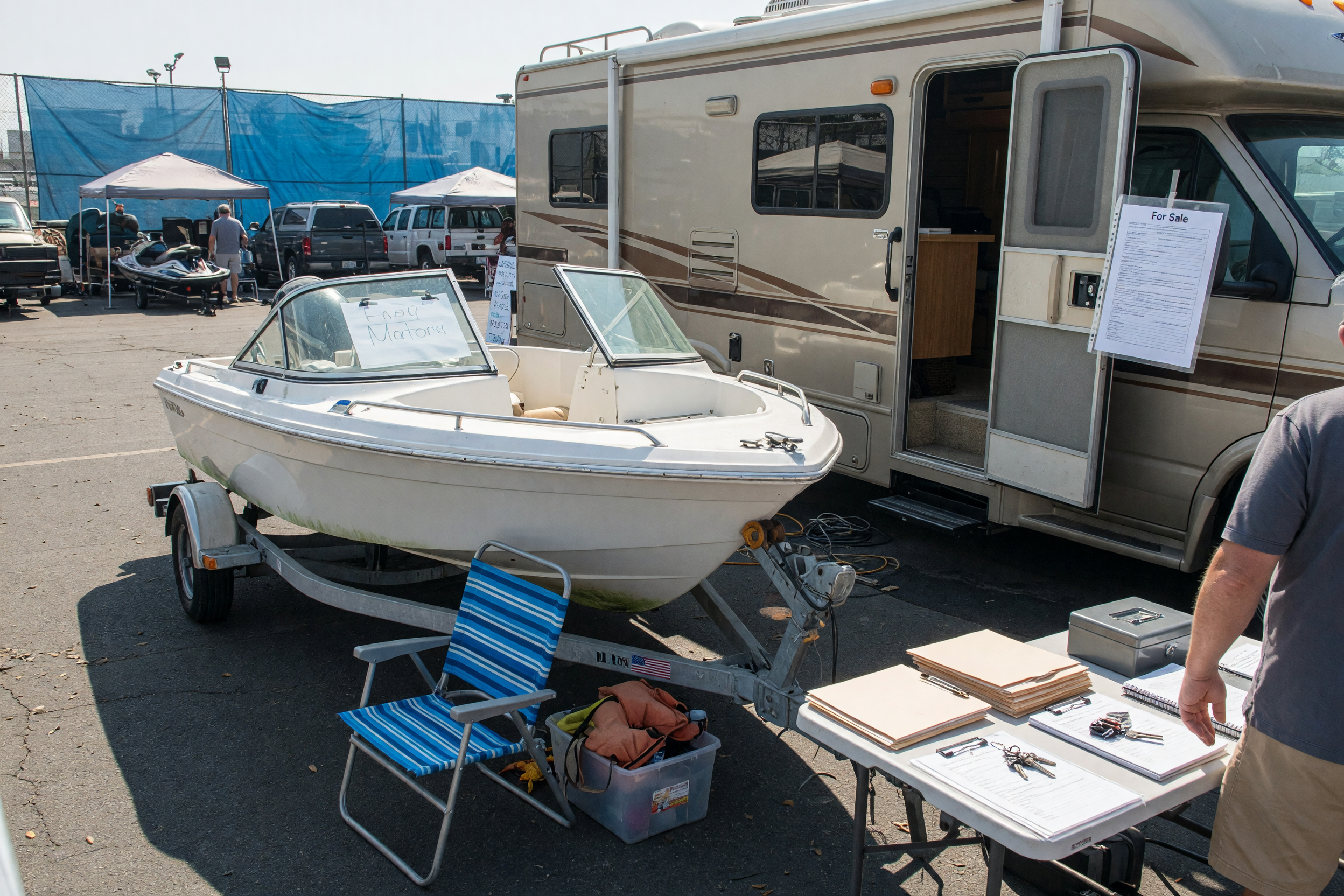
A buyer cannot say yes until they know where the unit lives and how they get it out. Write the city or neighborhood, whether it is on private property, a paid storage lot, a marina, or a driveway, and what appointment rules apply. "Stored in a fenced lot near Tampa; I can meet Saturday 9-11 a.m.; lot requires a photo ID at the gate" is usable. "Local pickup only" is not.
Include length overall, beam or width, height if it is an RV, dry weight if you have it, and hitch type. Mention slide-outs, awnings, or a tongue jack that changes the towing setup. If the unit has been sitting, say how long and whether the tires hold air. A boat on a bunk trailer with a working winch is a different job than a boat sitting on stands.
If the storage lot charges a gate fee or needs 24-hour notice, put that in the listing. Surprise access rules are why viewers no-show. The same access honesty belongs on any heavy vehicle listing in the vehicles section: the buyer is shopping the move as much as the unit.
Run a systems check and write the result
You do not need a marine survey or RV technician report to write a trustworthy ad. You do need to say what you personally checked and what you did not. A buyer spending thousands on a used boat or RV wants a dated note, not adjectives.
For a boat, check whether the engine starts, whether it idles, whether the bilge pump runs, whether navigation lights work, and whether you see soft spots, cracked gelcoat, or standing water. If it is a tiller outboard, say hours if the meter exists and when it last ran in the water. If you only ran it on muffs in the driveway, write that. Do not imply a recent lake test you did not do.
For an RV or camper, check house batteries, 12-volt lights, water pump, propane appliances if you can do so safely, roof leaks from inside, slide operation, and whether the furnace or A/C actually ran. Note broken seals, soft floors, and missing keys. A one-line table in the listing helps:
| System | What you checked | Result |
|---|---|---|
| Start / engine or tow vehicle hookup | Date and how you tested | Started / did not start / not tested |
| Electrical | Shore power, batteries, lights | Pass / fail / unknown |
| Water / bilge / tanks | Pump, leaks, standing water | Pass / fail / unknown |
| Propane or marine fuel | What you lit or sniffed for | Pass / fail / not tested |
| Trailer / tires / hitch | Air, lights, winch, jack | Pass / fail / unknown |
Unknown is an honest answer. "Not tested since last fall" is better than a guessed "all systems work."
Photograph proof buyers can trust
Need more than three beauty shots. Take one full exterior, one interior living or helm shot, the hull ID or VIN plate, the title with private numbers covered, the engine or generator, the roof or canvas, tires and hitch, and any damage. Daylight and a clean foreground beat night phone photos against a cluttered garage wall.
Do not show house numbers, children's faces, license plates you cannot blur, or mail. If the unit is in a storage facility, photograph the unit and the aisle, not the facility sign with your account number. Buyers understand used boats and campers are not showroom pieces. They leave when photos hide the roof, the floor, or the engine bay.
Write viewing, tow, and handover terms
Viewing rules belong in the listing. Offer a short window, say whether a deposit holds the unit, and say what the buyer must bring: tow vehicle, hitch, straps, a second adult, or a trailer that fits the boat. "First person with cash and a truck that can tow 6,000 lb gets it Saturday" is clearer than "serious buyers only."
Write how payment and title handover work. Local cash or a verified bank transfer at pickup, title signed when the unit leaves, and no shipping-for-a-stranger stories. If you want a simple written record of the sale, the bill of sale tool is enough for many private party handovers; it does not replace your state's title process.
Brixaz listings use direct contact and no fee taken from the sale. That is useful when the category is still thin: you are not paying to be the first clear boat or RV in town. The trade-off is audience size, which is why the founding sellers page is worth one read before you decide where else to cross-post.
FAQ
Should I sell the boat and trailer together?
Sell them together when the trailer is titled and road-ready for that hull. List them separately only if one title is missing, the trailer is the wrong size, or buyers in your area commonly already have a trailer.
What if I do not have the title yet?
Say that in the first paragraph and do not take a deposit you cannot refund. A buyer can wait a few days for a duplicate title if you are honest. They will not wait after a wasted viewing.
Can I list an RV that has not been used this year?
Yes. Write the last use date, what you checked after storage, and what you did not winterize or de-winterize. Sitting time is not a deal-breaker when the photos and access are clear.
Who should tow the unit away?
The buyer, unless you clearly offer delivery. Put hitch class, weight, and brake requirements in the listing so people do not arrive with a car that cannot move it.
Is Brixaz a good place for an early boat or RV listing?
It can be, especially if your local category is empty. Posting is free, buyers message you directly, and a complete listing is easier to notice on a smaller board than on a crowded national feed. Cross-post if you want more eyes, but keep the same facts in every ad.



Comments
Loading comments...
Checking sign-in status...