
Sell a Motorcycle Locally: Build a Listing Riders Trust
A practical guide for private motorcycle sellers who want serious local messages. Build a listing with proof, photos, condition notes, and pickup terms riders can trust.
ARTICLE LANGUAGE
Showing original language
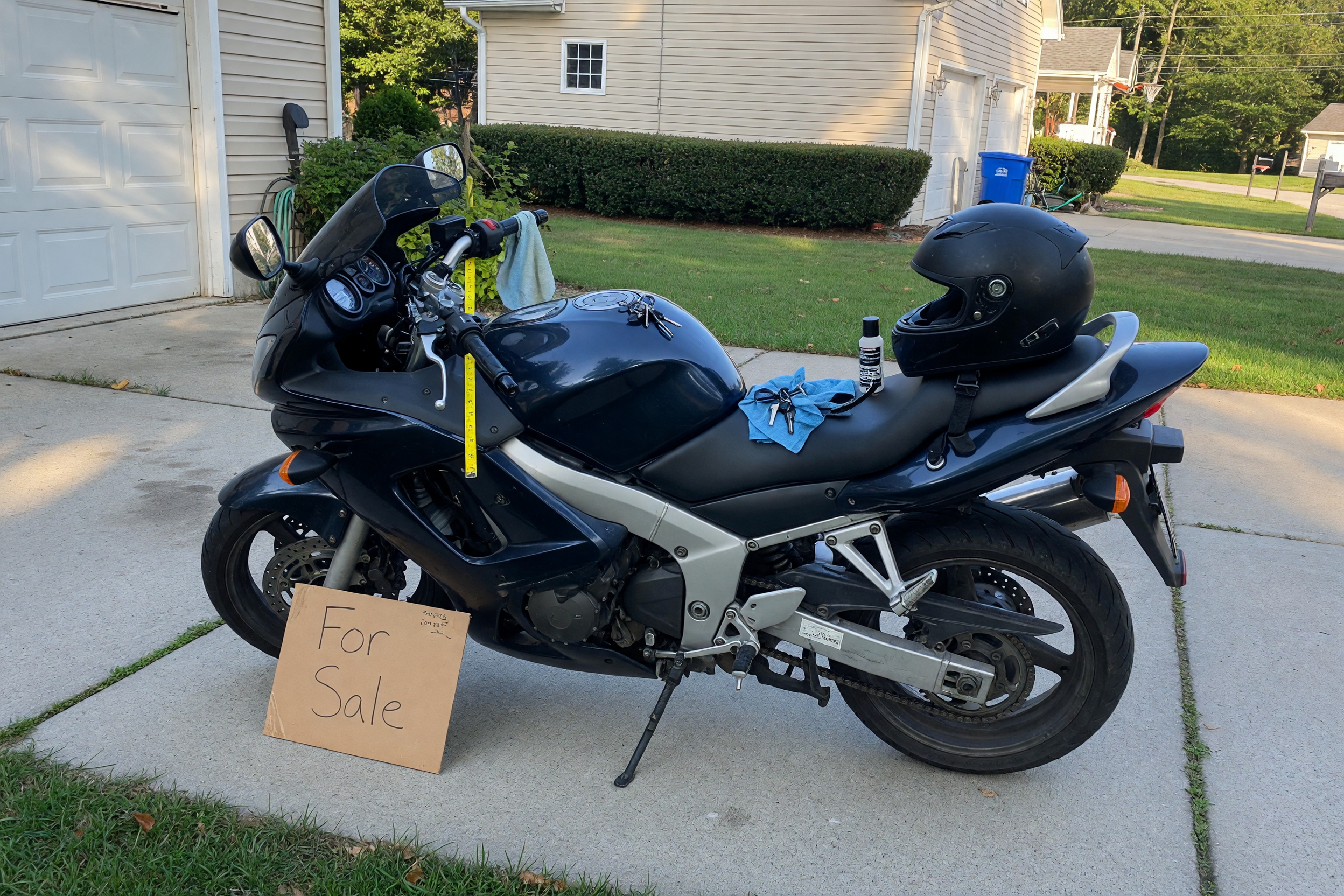
If you want to sell a motorcycle locally, your listing has to answer the questions a rider asks before they spend a Saturday driving across town: title status, mileage, maintenance, cold start behavior, tire life, damage, and whether the bike is actually ready to ride home. You can post a used motorcycle directly in the Brixaz motos category here: list your motorcycle for local buyers.
This guide is for one specific seller: the private owner with a real motorcycle in the garage, driveway, storage unit, or apartment parking spot who can show the bike this week. The exact thing to post is a used motorcycle listing with clear photos, honest condition notes, VIN-safe title information, and a direct-contact plan for local pickup or inspection. Brixaz does not take a sale fee, so the listing should do the hard screening work before a buyer messages you.
Start with the rider's trust questions
A motorcycle buyer is not only shopping for a price. They are deciding whether the bike is mechanically understandable, legally transferable, and worth the risk of meeting a stranger. Your first paragraph should prove that you know what you are selling and that you are not hiding the basics.
Lead with the year, make, model, engine size, mileage, title status, running condition, and your city or nearby area. If the bike has a clean title in your name, say that plainly. If there is a lien, salvage title, rebuilt title, missing title, registration issue, or parts-only condition, do not bury it. Riders will ask anyway, and unclear paperwork is one of the fastest ways to lose a serious buyer.
Bad opening copy sounds like this: "Nice bike, runs good, no lowballs." It gives a buyer almost nothing to evaluate.
Better copy sounds like this: "2018 Yamaha MT-07, 13,800 miles, clean title in my name, starts cold, rides smoothly, recent oil change, front tire about 70%, rear tire about 50%, located in Austin. Selling because I moved to a shorter commute." That version does not need hype. It gives a rider enough information to decide whether to keep reading.
Brixaz-specific insight: direct contact works best when the listing is already organized around the buyer's next question. A clean motorcycle listing can turn messages from "Is this available?" into "Can I see it Saturday morning and hear it start cold?" That saves time because the conversation starts closer to an actual inspection.
Use a title that matches how local buyers search
The title should include the bike, the condition signal, and the local intent. A buyer searching "motorcycle for sale near me" still scans titles quickly, so your title has to carry the useful details before they click.
Use this structure: year + make + model + engine size or trim + one trust detail. Keep it readable. Do not load the title with every accessory, every abbreviation, or all-caps urgency.
- Weak: "FAST BIKE MUST SELL TODAY"
- Better: "2018 Yamaha MT-07, clean title, 13.8k miles"
- Weak: "Motorcycle for sale"
- Better: "2020 Honda Rebel 500, beginner-friendly, clean title"
- Weak: "Harley lots of extras"
- Better: "2016 Harley Iron 883, serviced, extras included"
If you are unsure how to phrase the listing, use the marketplace listing template generator to turn the facts into a tighter draft. Then edit it so it sounds like you, not like a dealer ad.
Show proof without oversharing private information
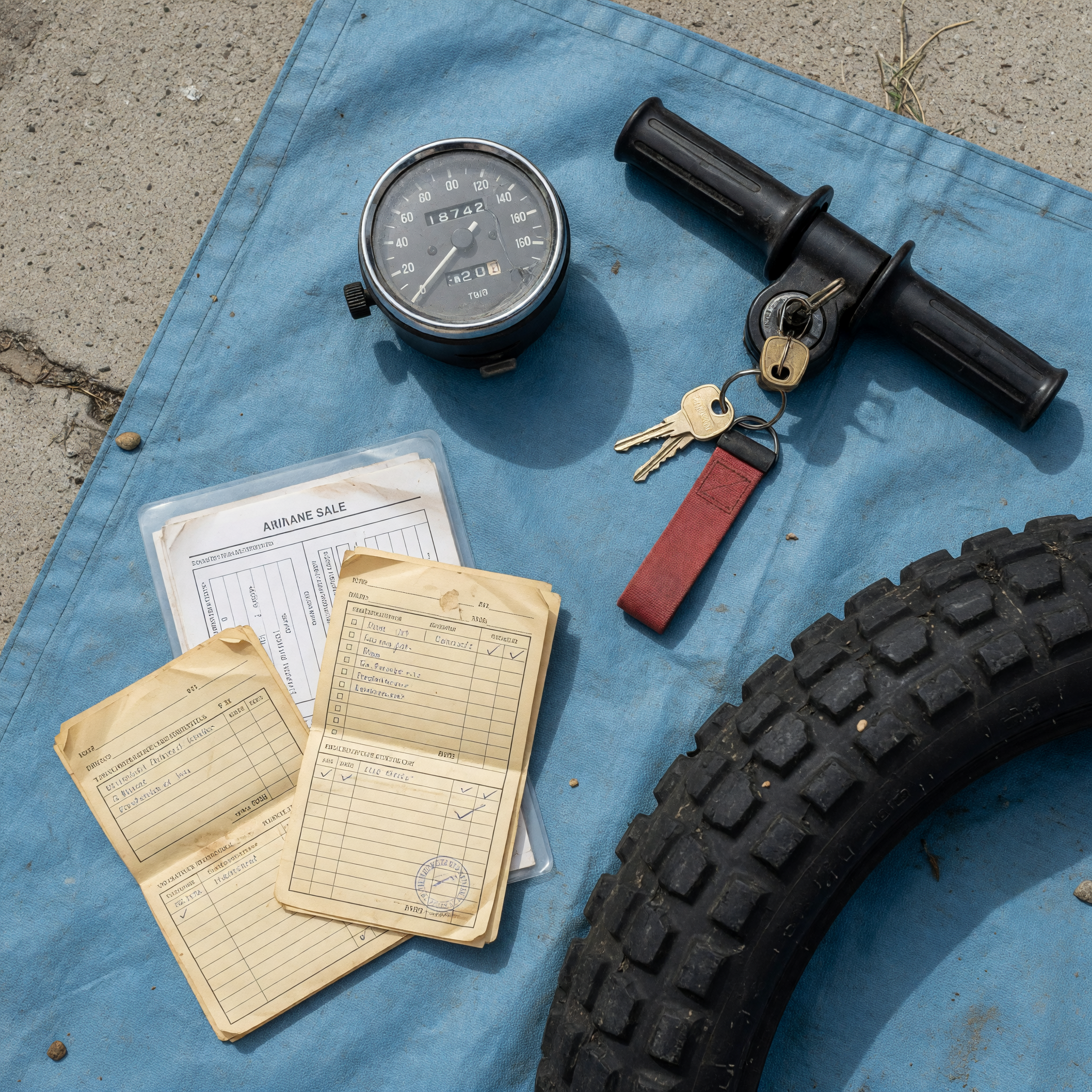
A trustworthy used motorcycle listing includes enough proof for a buyer to feel comfortable asking for a showing. It should not expose your full home address, full VIN in public photos, personal documents, license plate if you prefer to cover it, or private contact details outside the platform.
Say what you can verify. "Clean title in my name" is useful. "Title ready at showing" is useful. "VIN available to serious buyer in person or after direct message" is safer than uploading a close photo of the full VIN plate. If the bike has a loan or lien, say what the payoff process requires. If the title is missing, say that before someone drives over.
Maintenance proof matters because motorcycle problems can be expensive and safety-sensitive. Mention the most recent oil change, chain and sprocket condition, brake pad life if known, battery age, coolant or brake fluid work, tire age or tread estimate, and any recent shop invoice. If you do your own maintenance, state what you did and when. Do not invent service history you cannot support.
Also explain modifications. Aftermarket exhaust, tune, handlebars, seat, bags, fairings, crash protection, lowering links, heated grips, luggage racks, and removed parts all affect buyer fit. Some riders love mods; others want stock parts. If original parts are included, say where they are and whether they come with the sale.
Take the photos riders use to decide if it is worth a trip
Good motorcycle photos are not glamour shots. They are inspection shortcuts. Take the bike outside in daylight, clean enough to see the condition, and photograph both sides straight on. Add front, rear, cockpit, odometer, tires, chain, engine cases, exhaust, seat, controls, lights, keys, and any damage.
Include one cold-start photo setup if you can support it with a message later: the bike parked before running, not already warmed up. You do not need to publish a video in the article, but be prepared to send a short cold-start clip to a serious buyer if your normal selling workflow allows it.
Damage photos are not optional if you want fewer wasted meetups. Show scratches, dents, cracked plastics, rust, leaks, missing fasteners, worn grips, torn seats, and bar-end damage. A rider may still buy the bike, but they need to price the risk before they show up.
For pricing confidence, compare local listings and use a range instead of chasing the highest asking price you saw. The used vehicle value calculator can help you think through mileage, condition, and local market pressure, even though motorcycle-specific buyer judgment still depends heavily on maintenance, model demand, and season.
Motorcycle listing checklist before you post
Use this checklist before you publish. It keeps your listing practical, reduces repetitive questions, and helps a local rider decide whether to message you.
| Listing field | What to include | Why it matters |
|---|---|---|
| Bike identity | Year, make, model, trim, engine size, mileage | Lets riders compare the exact motorcycle, not a vague category |
| Paperwork | Clean title, lien status, registration status, bill of sale plan | Prevents dead-end messages from buyers who need transferable paperwork |
| Mechanical condition | Cold start, idle, rideability, leaks, warning lights, battery | Answers the risk questions that matter before an inspection |
| Wear items | Tires, brakes, chain, sprockets, fluids, fork seals | Helps buyers estimate immediate ownership costs |
| Maintenance | Recent work, receipts, shop name if appropriate, DIY notes | Builds confidence without making unverifiable claims |
| Mods and extras | Exhaust, tune, luggage, windscreen, stock parts, accessories | Shows what is included and what changed from factory condition |
| Pickup terms | General area, viewing windows, payment terms, test ride boundary | Sets expectations before someone asks to meet |
Write pickup, payment, and test ride terms clearly
Motorcycle listings need firmer boundaries than many used-item listings because test rides, cash handling, and title transfer require planning. You can be friendly without being vague.
A practical pickup note might say: "Located near north Austin. Available to show weekday evenings or Saturday morning. I can start it cold and answer questions. Test rides only with valid motorcycle endorsement, agreed collateral, and cash in hand; otherwise buyer may inspect and hear it run." Adjust that wording to your comfort level and local laws. If you do not allow test rides, say so clearly and offer a reasonable alternative such as a cold start and slow ride demonstration by you in a safe area.
For payment, avoid complicated promises. Say whether you prefer cash, cashier's check verified at the issuing bank, or another secure method. Do not accept overpayment arrangements, shipping agents, remote pickup pressure, or requests to move the conversation into a suspicious payment workflow. Meet in a public, appropriate place when possible, bring another adult if that makes sense, and complete title transfer according to your state requirements.
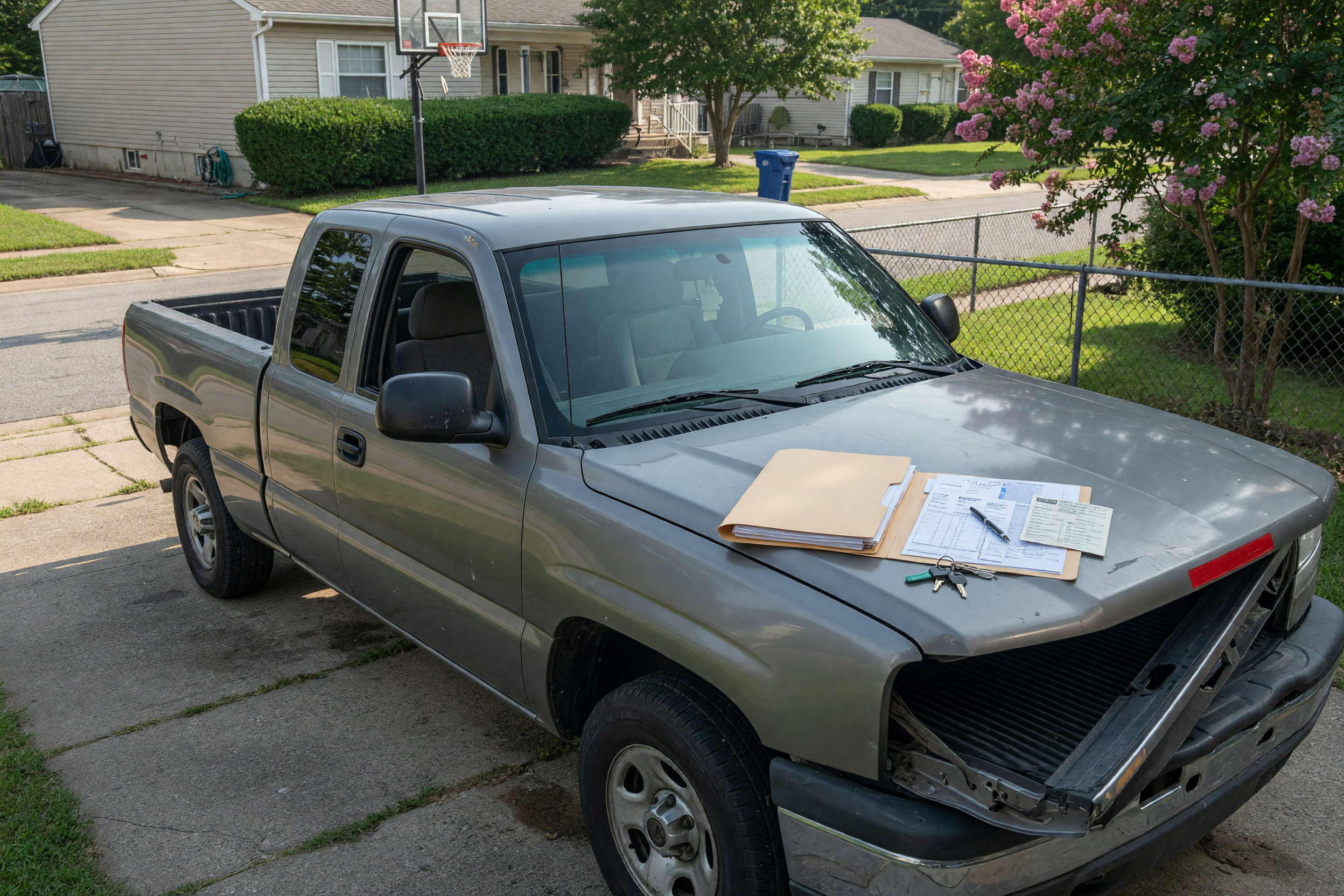
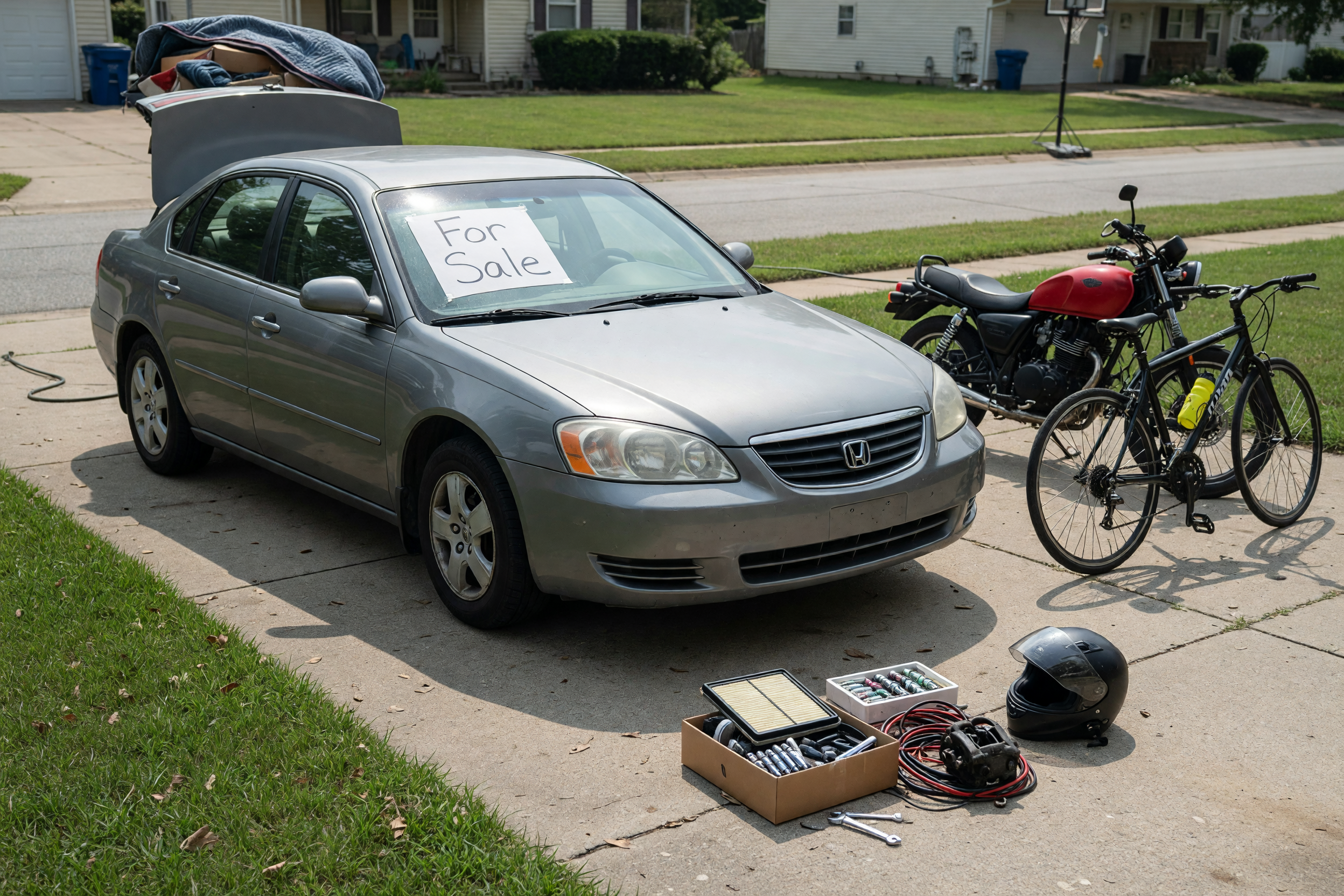
If you are selling other vehicle-related items later, the broader vehicles section can also hold cars, bikes, parts, and other transportation listings. For this article, keep the motorcycle post focused so riders do not have to sort through unrelated items.
Price the bike with room for serious negotiation
A private motorcycle sale usually works best when the asking price is explainable. You do not need the cheapest bike in town, but you need a reason for the number. Mention the factors that support your price: clean title, mileage, service, tires, included accessories, desirable model, stock parts, or known issues already reflected in the ask.
Do not say "firm" unless you mean it. If you are open to reasonable offers, write: "Reasonable offers considered in person after inspection." That discourages blind low offers while still giving serious buyers a path. If your price already accounts for a needed tire, registration, cosmetic damage, or a nonworking part, say that directly.
Here is better pricing copy: "Asking $4,800 because it has a clean title, recent service, good front tire, usable rear tire, and includes the stock exhaust. Price reflects scratches on the right fairing shown in photos." This does more than state a number. It tells a buyer how to judge the number.
For another title-and-inspection listing checklist: sell a used boat or RV locally
FAQ
What should I include when I sell a motorcycle locally?
Include the year, make, model, mileage, title status, running condition, maintenance history, tire and brake condition, modifications, damage, asking price, general location, and showing terms. The goal is to answer the rider's inspection questions before they message you.
Should I show the VIN in a used motorcycle listing?
You can say the VIN is available to serious buyers, but avoid posting unnecessary personal or identifying document details in public photos. Many sellers share the VIN by direct message or during an in-person inspection, depending on their comfort level.
How many photos does a motorcycle listing need?
Use enough photos to show both sides, front, rear, odometer, cockpit, tires, chain, engine area, exhaust, seat, keys, paperwork proof without private details, and any damage. Ten clear photos usually beat three dramatic angles.
Should I allow test rides before selling my motorcycle?
Set a boundary you can enforce. Some sellers require a valid motorcycle endorsement, agreed collateral, and cash in hand. Others do not allow test rides and instead offer a cold start, inspection, and demonstration ride by the owner.
How do I avoid wasting time with low-intent motorcycle buyers?
Write a complete listing, state your showing windows, explain your test ride policy, and say that reasonable offers are considered after inspection. Clear details reduce repetitive questions and make it easier to spot serious messages.
Where should I post a private motorcycle for sale?
Post where local riders can discover the bike and contact you directly. On Brixaz, a private owner can post in the motos category for local discovery without Brixaz taking a fee from the sale.



Comments
Loading comments...
Checking sign-in status...