
Sell a Used Bicycle: Frame Size, Condition, Trial Ride
A practical seller checklist for turning a used bicycle into a trustworthy local listing with frame size, condition, price, photos, and pickup rules.
ARTICLE LANGUAGE
Showing original language
If you want to sell a used bicycle locally, the quickest useful move is to turn the bike into a complete listing today: frame size, wheel size, condition, tune-up status, included accessories, pickup area, and trial-ride rules. You can post the bicycle free on Brixaz in the bicicletas category with direct buyer contact, so a serious rider does not have to guess whether the bike fits or whether it is ready to ride.
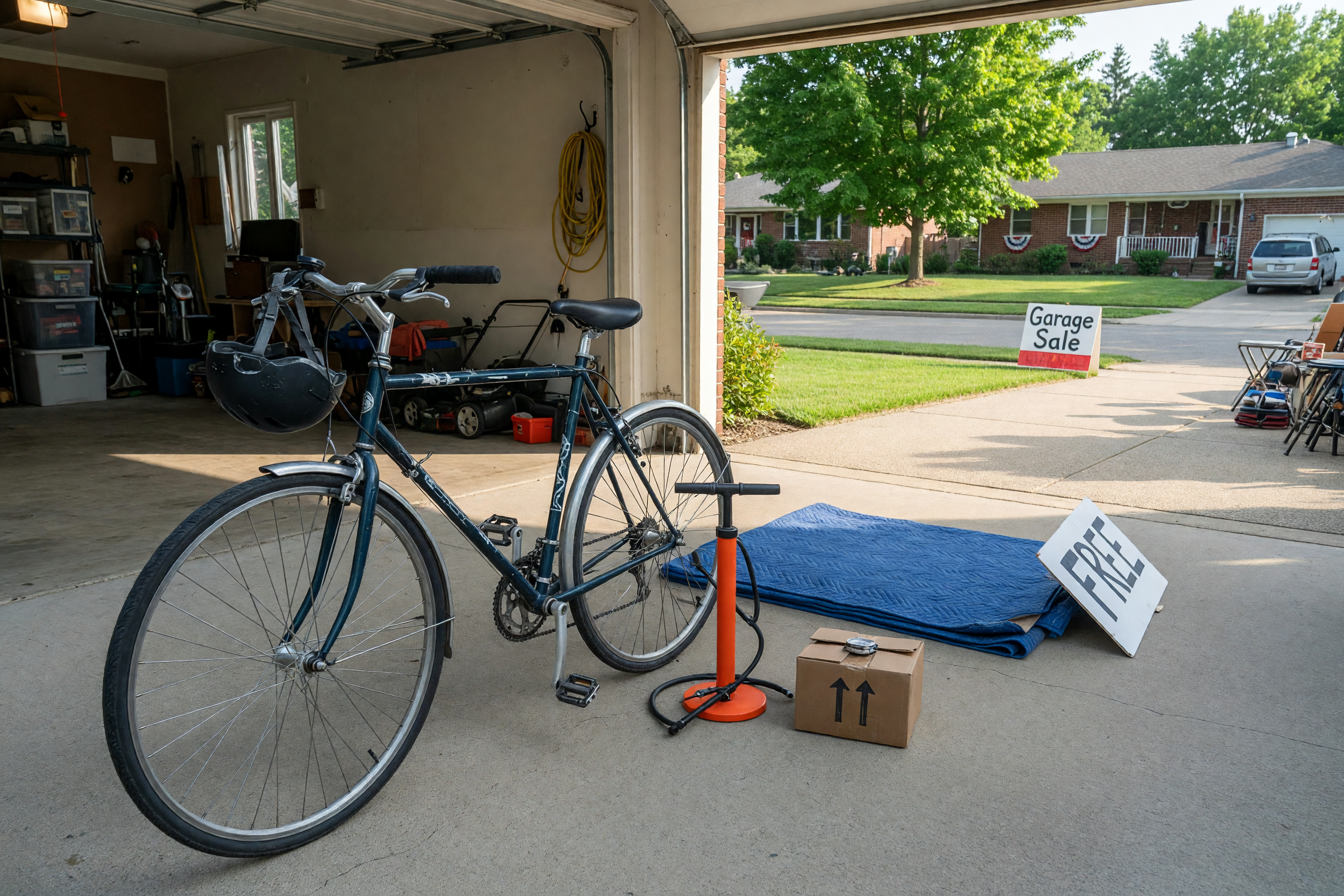
This guide is for the person with one real bike in the garage, apartment storage room, shed, or bike rack: a commuter bike you replaced, a mountain bike you stopped riding, a kids bike that was outgrown, or a road bike that needs a new owner. Brixaz is still in founding-seller mode, which means the audience is smaller today, but early bicycle listings face lower category competition, cost nothing to publish, and can be written clearly enough to filter out casual messages before they start.
Start With the Bike a Buyer Can Recognize
A bicycle listing should identify the bike before it tries to sell the bike. Lead with the type, size, and condition because those are the first filters a local buyer uses. "Bike for sale" invites every possible question. "Medium aluminum hybrid bike, 700c wheels, tuned last spring" tells a commuter, student, or weekend rider whether the listing is worth opening.
Use the title to name the bike plainly. Good title patterns include "Medium hybrid bike, 700c wheels, ready to ride," "20-inch kids bike with training wheels removed," or "Hardtail mountain bike, large frame, front suspension." Avoid title clutter like "must go," "great deal," or "serious buyers only." Those phrases do not replace the facts that help buyers self-select.
If you are unsure of the model year, do not invent one. Say what you can verify: brand if visible, model if printed on the frame, frame material if you know it, brake type, wheel size, number of gears, and the kind of riding it suits. A trustworthy listing is not the most polished listing; it is the one that makes the buyer feel they will not discover hidden details at pickup.
For broader used-item selling habits, Brixaz also has a sell used goods hub, but a bicycle needs more fit and mechanical detail than a basic household item. Treat it more like a small vehicle than a generic object.
Measure Frame Size, Wheel Size, and Rider Fit
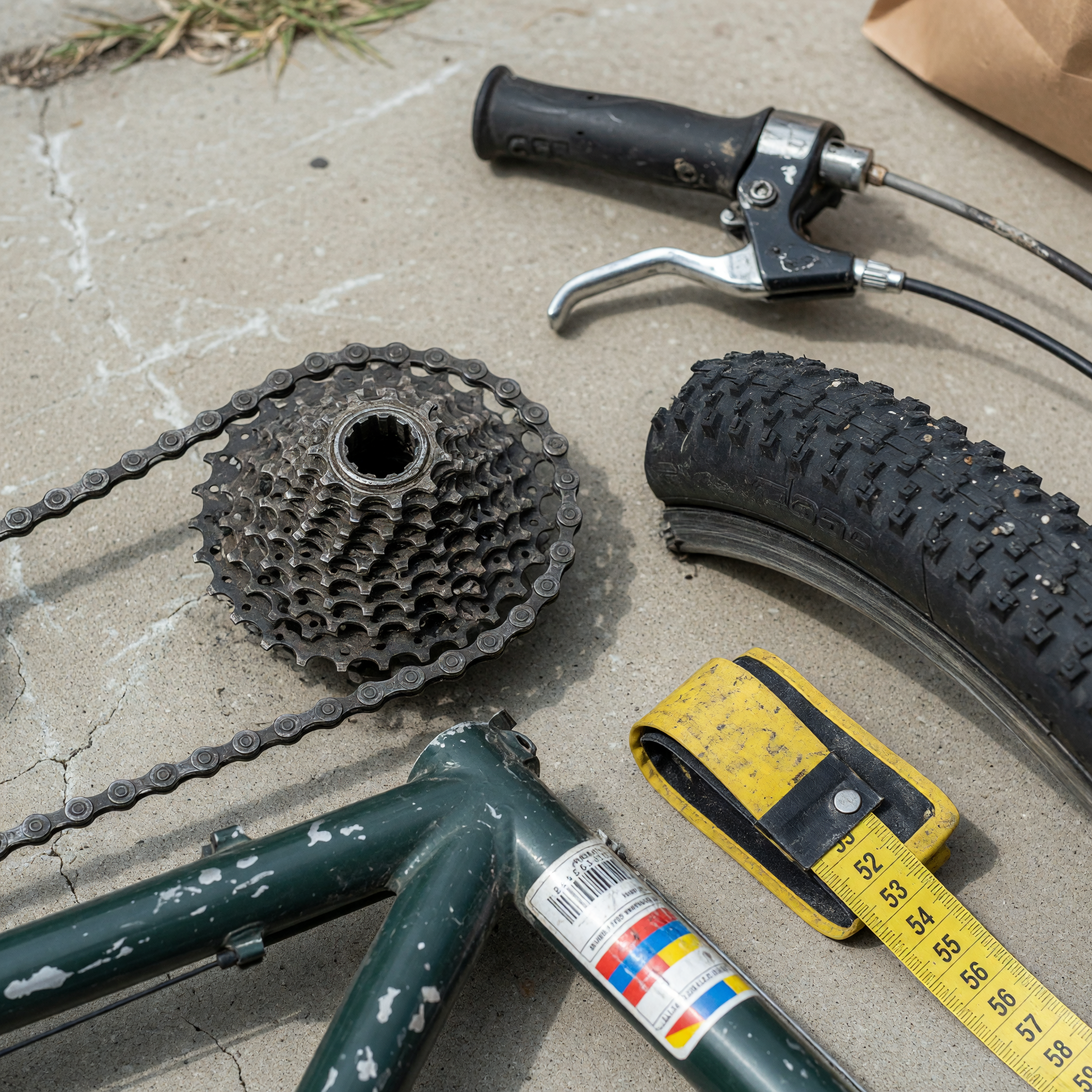
Fit is the difference between a buyer who schedules pickup and a buyer who sends five vague messages. If the frame has a size label, include it exactly: XS, S, M, L, XL, 17 inch, 19 inch, 52 cm, 54 cm, or whatever the bike shows. If there is no label, measure from the center of the bottom bracket to the top of the seat tube and state that it is an approximate seat-tube measurement.
Wheel size matters too. Common examples include 12, 16, 20, and 24 inches for kids bikes; 26, 27.5, and 29 inches for mountain bikes; and 700c for many road, gravel, and hybrid bikes. If you cannot find the wheel size, check the tire sidewall. It usually has printed numbers. You do not need to interpret every number on the tire, but adding the visible wheel size reduces back-and-forth immediately.
Do not promise that the bike fits a certain height unless you know the sizing range from the manufacturer. A better line is: "Medium frame; current rider is about 5 ft 8 in, but buyer should confirm fit." That is honest and still useful. For kids bikes, include the child's approximate age range only as a rough clue and rely on wheel size as the main detail.
Show Condition Without Overselling It
Used bicycle buyers expect normal wear. What worries them is silence about mechanical issues. Split condition into visible condition, ride condition, and maintenance status. Visible condition covers scratches, rust, dents, worn grips, cracked saddle material, missing reflectors, and cosmetic scuffs. Ride condition covers whether the brakes stop cleanly, whether the gears shift, whether the wheels spin straight, and whether the tires hold air. Maintenance status covers tune-ups, new tubes, new chain, new brake pads, or known work still needed.
Bad copy: "Great bike, works good, no lowballers." Better copy: "Medium hybrid bike with 700c wheels. Tires hold air, brakes work, gears shift through all speeds. Chain has surface rust and rear grip is worn. Last tune-up was about a year ago. Good commuter or campus bike after a quick check." The better version does not hide flaws, and that is exactly why it earns better messages.
If the bike needs repair, say so in the title or first paragraph. "Project bike" is not a failure if the price and condition match. A mechanically inclined buyer, reseller, parent, or student may still want it, but only if the listing is honest about what they are taking on. For example: "Front brake needs adjustment; rear brake works. Tires are flat from storage, not recently checked." That line prevents disappointment at pickup.
Price the Bike With Local Signals, Not Guesswork
Pricing a used bike is not about what you paid years ago. It is about what a local buyer can compare today: similar bike type, frame size, brand tier, age, accessories, and whether it is ready to ride. A clean, tuned commuter bike with working brakes can be much easier to sell than a higher-end bike with unclear mechanical needs. Condition beats original price when the buyer has to arrange pickup.
Before you post, search for similar used bicycles in your area and compare only bikes with similar fit and condition. A road bike should not be priced against a kids bike. A large mountain bike should not be priced against a small hybrid. If you need a structured gut check, use Brixaz's listing price checker and then adjust based on your urgency, included accessories, and whether the buyer can try the bike before paying.
Be clear about whether the price is firm. "Firm today because it is tuned and ready" is better than arguing later. "Open to reasonable offers after viewing" is fine if you truly are flexible. Avoid using a fake high price just to negotiate down. It attracts bargain hunters and hides the fair local value from the buyer you actually want.
| Listing field | What to write | Why it matters |
|---|---|---|
| Bike type | Hybrid, road, mountain, cruiser, BMX, kids, e-bike | Matches the buyer's intended use |
| Frame size | Medium, 54 cm, 17 inch, or approximate measured size | Filters out bad-fit messages |
| Wheel size | 700c, 26 inch, 27.5 inch, 29 inch, 20 inch | Helps riders and parents compare correctly |
| Mechanical status | Brakes work, gears shift, tires hold air, needs tune-up | Sets trust before pickup |
| Included items | Helmet, lock, lights, pump, rack, basket, training wheels | Can justify price and reduce questions |
| Pickup terms | Neighborhood or cross streets, daylight pickup, cash or agreed payment | Makes the next step concrete |
Take Photos That Reduce Ride Surprises
A good bicycle photo set is simple: full bike from the drive side, full bike from the other side, close-up of the frame size or model area, tires, brakes, drivetrain, saddle, handlebar grips, and any damage. Photograph included accessories separately if they affect the value. Do not crop out the wheels. A buyer needs to see the whole bike, not just a flattering angle.
Clean the bike before photos if you can do it honestly. Wipe dust off the frame, pump the tires if they hold air, and move clutter away from the background. Do not edit photos to hide rust, dents, cracked tires, or worn parts. Direct-contact marketplaces work best when the first message starts from shared facts. On Brixaz, a clean category choice in vehicles plus specific bike details helps the listing make sense in local discovery instead of floating as a generic item.
If the bike has a serial number visible, avoid posting a close-up of the full serial in the listing photos. You can keep a private record for your own protection and still show enough model detail for buyers. For e-bikes, include battery condition, charger status, approximate range if you know it, and whether the buyer can see the bike power on.
Set Trial-Ride and Pickup Rules Before Messages Arrive
A short trial ride can help sell a bike, but it needs boundaries. Decide before posting whether you allow one, where it can happen, and what the buyer must leave with you during the ride. Many sellers use a public, daylight location and ask the buyer to leave an ID, keys, or payment in hand while they ride nearby. Choose the boundary you are comfortable with and write it plainly.
Example pickup wording: "Pickup near downtown Austin, daylight only. Short ride on the block is fine with ID held during ride. Please confirm frame size works for you before coming." That line is specific without sharing a home address in public. It also filters people who want you to hold the bike indefinitely without committing to a time.
Use direct messages to confirm only what is necessary: fit, pickup window, payment expectation, and whether the buyer understands any known repair needs. Do not move into unsafe arrangements, ship the bike to an unknown buyer, accept overpayment, or share sensitive personal information. A local bike sale should stay local, simple, and documented enough that both sides know what is happening.
If you are posting early on Brixaz, the founding sellers page explains the trade-off clearly: free posting and lower category competition today, with no guaranteed sale or view count. For a bike owner who wants another local discovery path, that trade-off can be worthwhile because the listing costs nothing and direct contact keeps the sale simple.
For sellers clearing more garage fitness gear, here is how to sell used exercise equipment with pickup details
If the bike is for a child or youth rider, add this companion checklist for sell a used kids bike with size and fit details
FAQ
What should I include when I sell a used bicycle?
Include bike type, frame size, wheel size, brand or model if visible, working condition, known repairs, included accessories, price, pickup area, and trial-ride rules. Those details answer the questions serious buyers ask before they decide to meet.
How do I find the frame size if the label is missing?
Look for a size sticker on the seat tube, top tube, or near the crank area. If you cannot find one, measure the seat tube from the center of the bottom bracket to the top of the tube and describe it as approximate. Add the current rider height only as a rough reference, not a guaranteed fit.
Should I tune up the bike before listing it?
If a low-cost tune-up makes the bike safer and easier to sell, it can help. If you do not want to spend money first, list the bike honestly as needing a tune-up and price it accordingly. Do not claim it is ready to ride unless brakes, tires, and shifting have been checked.
Should I allow a trial ride?
A short ride can help close the sale, but set boundaries first. Use a daylight public area, keep the ride nearby, and decide what the buyer must leave with you during the ride. If you are uncomfortable with trial rides, say that in the listing and offer a basic brake and gear demonstration instead.
How much should I ask for my used bike?
Compare similar local bikes by type, size, brand tier, and condition. Then adjust for urgency, tune-up status, accessories, and repair needs. A clear, fair price usually works better than a high anchor that forces every buyer into negotiation.
Can I sell a kids bike the same way?
Yes, but lead with wheel size, approximate age range, condition, brake type, training wheels if included, and whether the tires hold air. Parents need fast fit and safety details, so clear photos of the tires, brakes, saddle, and handlebar area matter.



Comments
Loading comments...
Checking sign-in status...