
How to Sell a Boat or RV on Brixaz: Title, Storage, and Systems
A strong boat or RV listing answers the questions buyers ask first: who owns it, where it’s stored, and what condition the major systems are in. Use this guide to build a clear, local listing that helps serious buyers mo
ARTICLE LANGUAGE
Showing original language
When you want to sell a boat or RV locally, buyers usually decide fast based on trust. They want to know if the title is clean, where the vehicle is stored, and whether the big systems work as expected.
Brixaz gives you a simple way to publish a boat, camper, or RV listing with the details buyers need before they message. Start here: vehicles.
Start with a clean title story
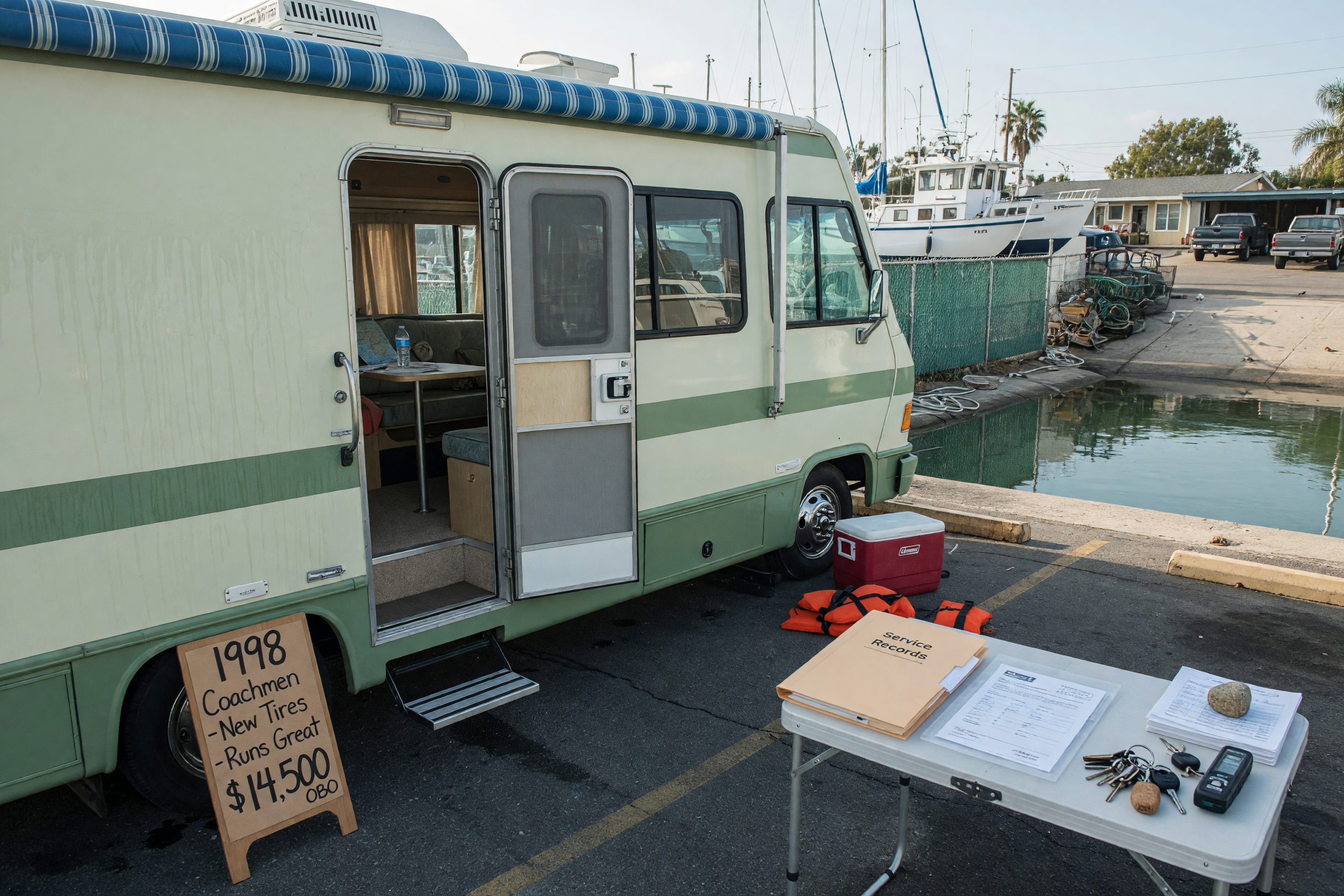
The title is the first filter for serious buyers. Before you publish a boat or RV listing, make sure you know exactly whose name is on the title, whether there is a lien, and if the paperwork matches the vehicle you are selling. If the title is missing, delayed, or needs a transfer step, say so in plain language. Buyers often back away when the legal status feels unclear, even if the vehicle itself is in good shape.
Include the basics: make, model, year, length or class, VIN or HIN if appropriate, and whether the title is in hand. For a used boat, mention registration status and whether the hull identification number is visible and readable. For an RV, note if it is a motorhome, travel trailer, or fifth wheel. A listing that explains title status up front reduces repeated questions and helps you attract buyers who are ready to move. If your goal is to sell a used item locally, clarity here matters as much as photos.
Describe storage without hiding anything
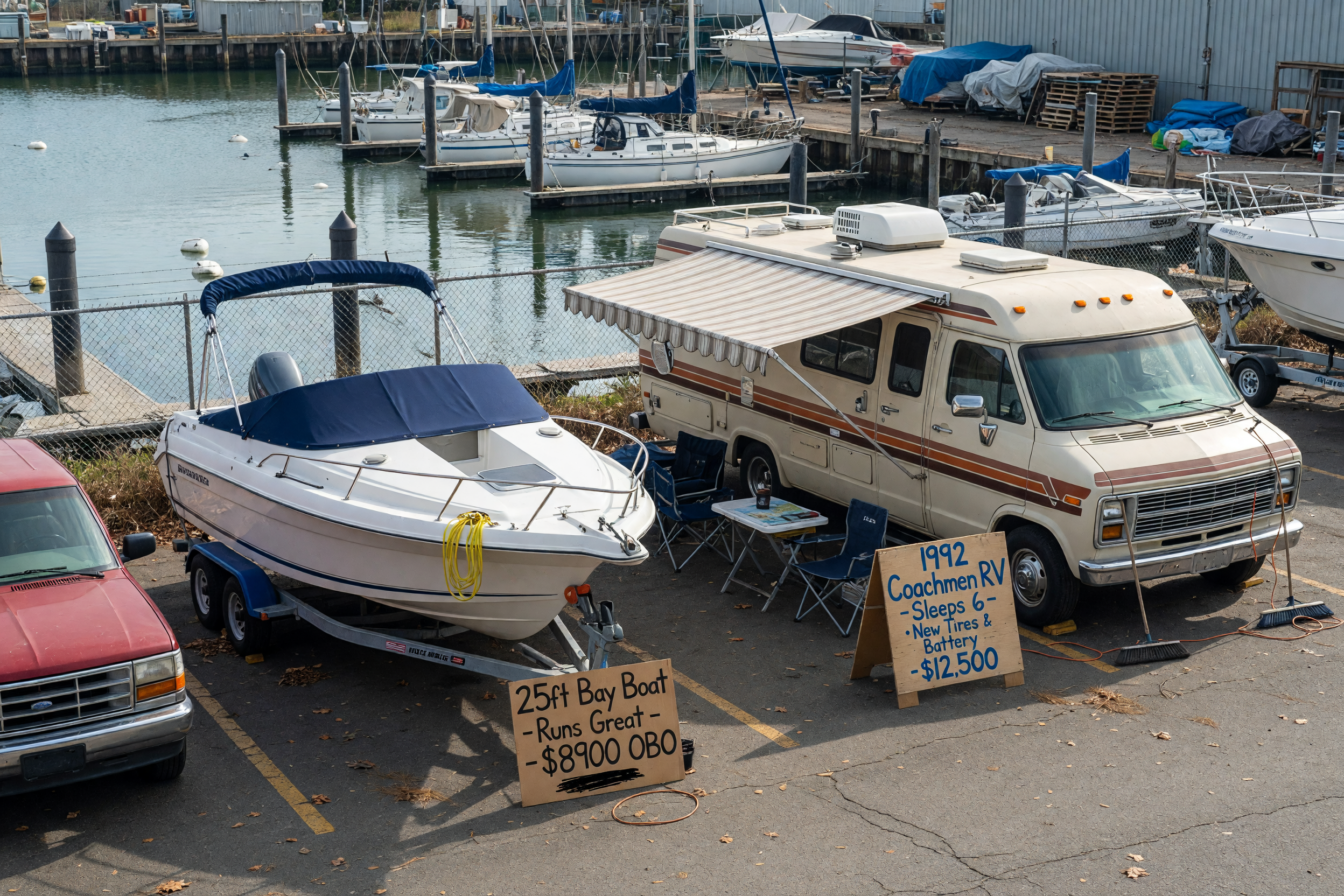
Storage details tell buyers a lot about condition. A boat kept on a trailer, under a cover, or in dry storage gives different signals than one parked outdoors all year. An RV stored on private property, at a lot, or in a secured facility also affects how buyers think about wear, access, and inspection. When you publish a house-riding style listing, be specific about where the vehicle is kept and whether it is easy to view by appointment.
Use storage details to build confidence, not mystery. Mention exposure to sun, salt, snow, or humidity if those conditions matter. If the tires are held at pressure, batteries are disconnected, or the engine is winterized, say that too. Buyers looking to sell camper local or buy from an RV of owner listing usually want an honest picture of how the vehicle has been protected between uses. Clear storage notes help set expectations and make your post feel more professional, especially in a crowded vehicles category.
Check systems before you list
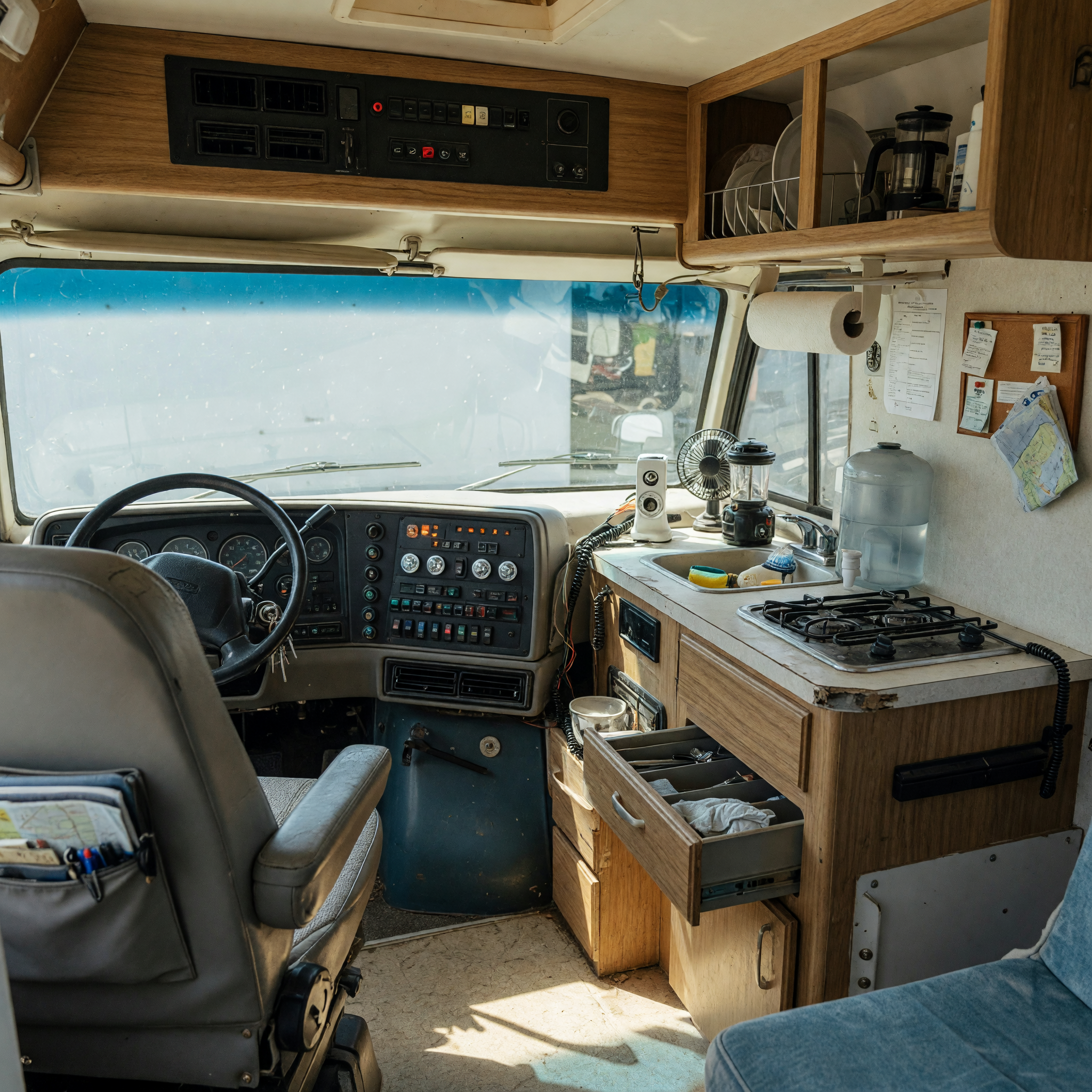
Major systems are where boat and RV deals are won or lost. Buyers want to know whether the engine starts, the generator runs, the battery holds charge, the water pump works, the fridge cools, and the lights behave normally. For boats, they may also ask about steering, bilge pumps, electronics, fuel delivery, and hull condition. For RVs, they will want details on plumbing, propane, HVAC, slide-outs, brakes, and awnings. If you can test a system, do it before posting.
Write down what you tested, when you tested it, and what needs attention. If a system is untested, say that directly. Honest language builds more trust than vague phrases like “should be good.” A buyer looking to publicar casa rodante or compare a used boat will often choose the listing that gives clear operating status over the one that sounds polished but incomplete. If there is a known issue, mention whether it is minor, intermittent, or likely to need repair. That level of detail helps buyers decide quickly and keeps your messages focused on serious interest.
Write the listing like a buyer already asked the questions
The best listings answer buyer questions before they arrive. Lead with the most useful facts: year, type, size, mileage or hours, title status, storage situation, and the current condition of the main systems. Then add a short summary of how the vehicle has been used and maintained. A simple, direct structure works better than a long story. Buyers scanning a boats and RVs listing want facts they can compare in seconds.
Use consistent terms so your post is easy to understand. If it is a motorhome, say whether it is gas or diesel. If it is a trailer, note hitch type and tow requirements. If you are trying to vender bote usado or present an RV de dueño offer, keep the tone factual and local. Avoid exaggeration and avoid using too many superlatives. The goal is not to sound flashy; it is to sound dependable. A clear listing with the right keywords can improve search visibility while also helping buyers feel comfortable reaching out.
Use photos to support the facts, not replace them
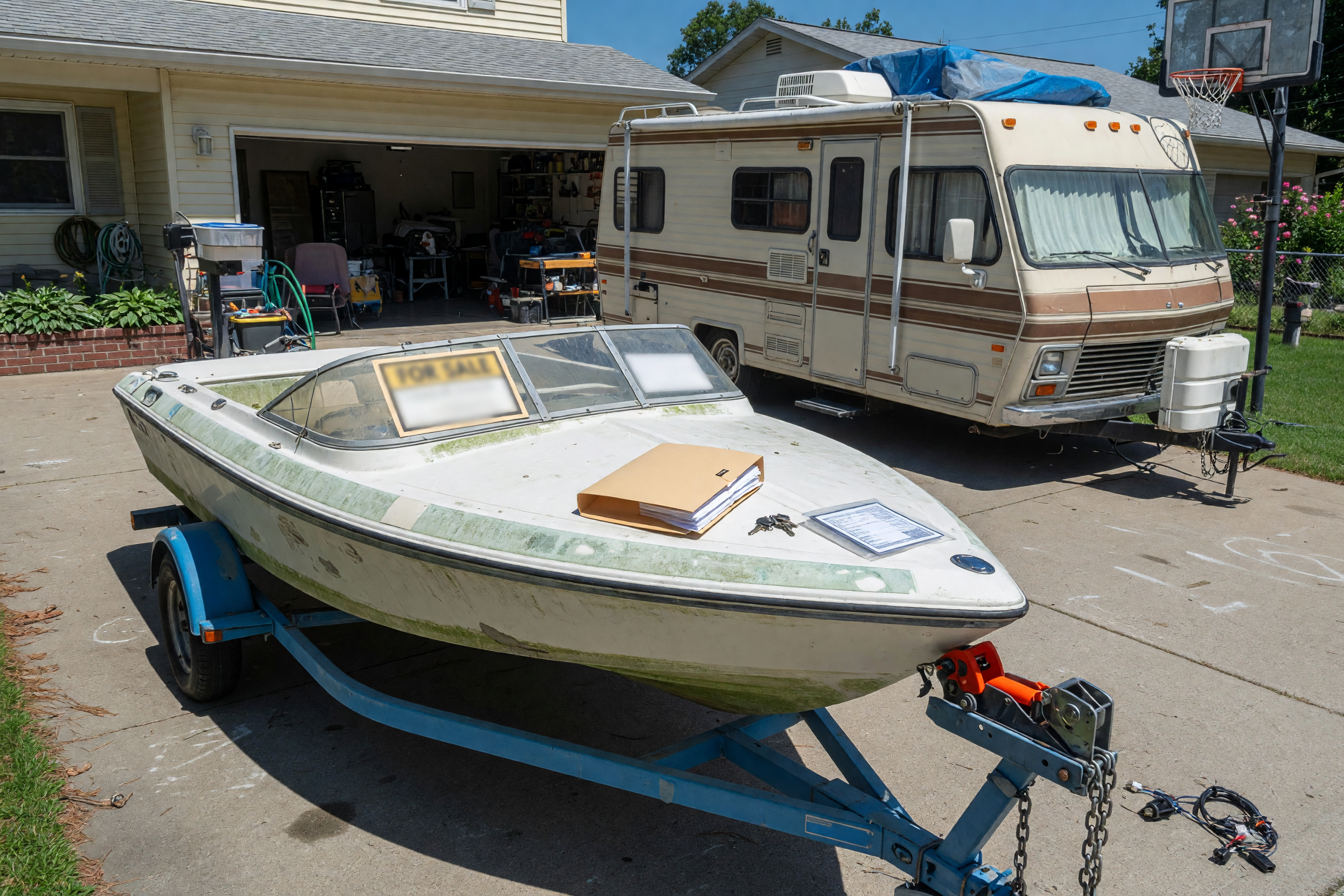
Photos should confirm what your words already say. Show the exterior from multiple angles, the title status if appropriate for your process, the storage setup, and every important system area. For boats, include the hull, deck, engine bay, trailer, and any wear spots. For RVs, show the roof line, tires, interior, appliances, bathroom, and slide-outs. Clean, bright photos make a listing easier to trust, but they should never hide defects or crop out important details.
Take pictures that match the order of your description so buyers can follow along. If you mention that the generator works, include a photo of it. If you note worn upholstery or faded paint, show it honestly. Good photos also help your post stand out when someone wants to sell camper local or browse a nearby vehicle listing. Keep backgrounds uncluttered and avoid filters that change the true color or condition. A buyer who feels the listing is honest from the first image is more likely to read the full post and message with specific questions.
Publish for local buyers and keep replies organized
Local sales move faster when the listing makes viewing easy. State the general area where the boat or RV is stored, the best times to inspect it, and whether the buyer should bring anything for a proper look. If the vehicle is not ready to drive or tow, say that up front so you do not waste time with unprepared visitors. Local buyers usually appreciate direct scheduling because it shows the seller is organized and serious.
Once your listing is live, keep your replies focused on the same details you already published. Answer questions about title, storage, systems, and condition in the same order each time. That consistency helps separate real buyers from casual browsers. If your goal is to vender bote usado or publicar casa rodante with less back-and-forth, the key is to make your listing complete enough that the first message is meaningful. A well-written local post saves time for both sides and helps the right buyer move forward without confusion.
Use why early listings matter when that is the next step. Use listing assistant when that is the next step.
Frequently asked questions
What title details should I include in a boat or RV listing?
Include who holds the title, whether it is clean, whether a lien exists, and whether the title is in hand. If there are registration or transfer steps still needed, state that clearly.
Should I mention where the boat or RV is stored?
Yes. Storage location and conditions help buyers judge wear, access, and inspection ease. Mention cover use, indoor or outdoor storage, and any exposure to sun, salt, snow, or moisture.
What systems matter most in an RV or boat listing?
Buyers usually ask about the engine, battery, generator, plumbing, HVAC, propane, brakes, lighting, and any moving parts. For boats, add steering, bilge pumps, fuel delivery, and hull condition.
How honest should I be about repairs or issues?
Be direct and specific. Name the issue, explain whether it is minor or major, and say whether the system is untested. Clear disclosure builds trust and reduces wasted messages.
What makes a local boat or RV listing feel trustworthy?
A trustworthy listing gives exact facts, clear storage notes, honest system checks, and photos that match the description. Buyers respond well to simple language and complete details.



Comments
Loading comments...
Checking sign-in status...