
Short term rental listing tips: how to get booked faster
A practical guide to writing, pricing, and photo-planning a short-term rental listing so guests can decide fast and contact you directly.
ARTICLE LANGUAGE
Showing original language
Short term rental listing tips start with clarity: show what guests get, why it fits their stay, and how to contact you directly on Brixaz vivienda listings. If you want faster inquiries, make the first photo, title, and opening sentence do the work before a guest scrolls away.
This guide shows you how to build a stronger listing today with better photos, a cleaner description, a simple pricing check, and a paste-ready template you can use right away. Brixaz is free to post and gives you direct buyer-seller contact, so your goal is to make the listing easy to trust and easy to compare.
Choose one stay type and write for that guest
The fastest listings are specific. Instead of trying to appeal to everyone, pick the guest you want most: a solo traveler, a couple, a family, a work trip, or someone who needs temporary housing for a few weeks. Then write your title and opening line around the stay they care about. A guest deciding between several options wants to know three things immediately: what the place is, who it suits, and what is included. If you have a kitchen, desk, parking, laundry, or a separate entrance, mention the one or two features that actually change the stay. Avoid a title that sounds generic or decorative. A direct title is easier to skim and easier to compare.
One useful test is to read your first sentence out loud and ask whether it answers “Why would I choose this place?” If it only repeats “nice place” or “great location,” rewrite it with a concrete benefit. For example, lead with the sleep setup, the privacy level, or the work-friendly feature. That small shift often improves the whole listing because it tells the reader how the space lives, not just what it is.
Use photos that prove comfort and layout
Photos do most of the selling, so the set should answer questions a guest would ask before booking. Take a wide shot of the main sleeping area, one image that shows the layout, one that shows a useful feature such as the kitchen or workspace, and one that shows the bathroom in a clean, honest way. Airbnb says high-quality photos are one of the most important parts of a listing, and it recommends showing the place at its best by using natural light, opening window coverings, and removing clutter. That advice matters even if you are posting on Brixaz, because guests compare what they see against what they expect to get.
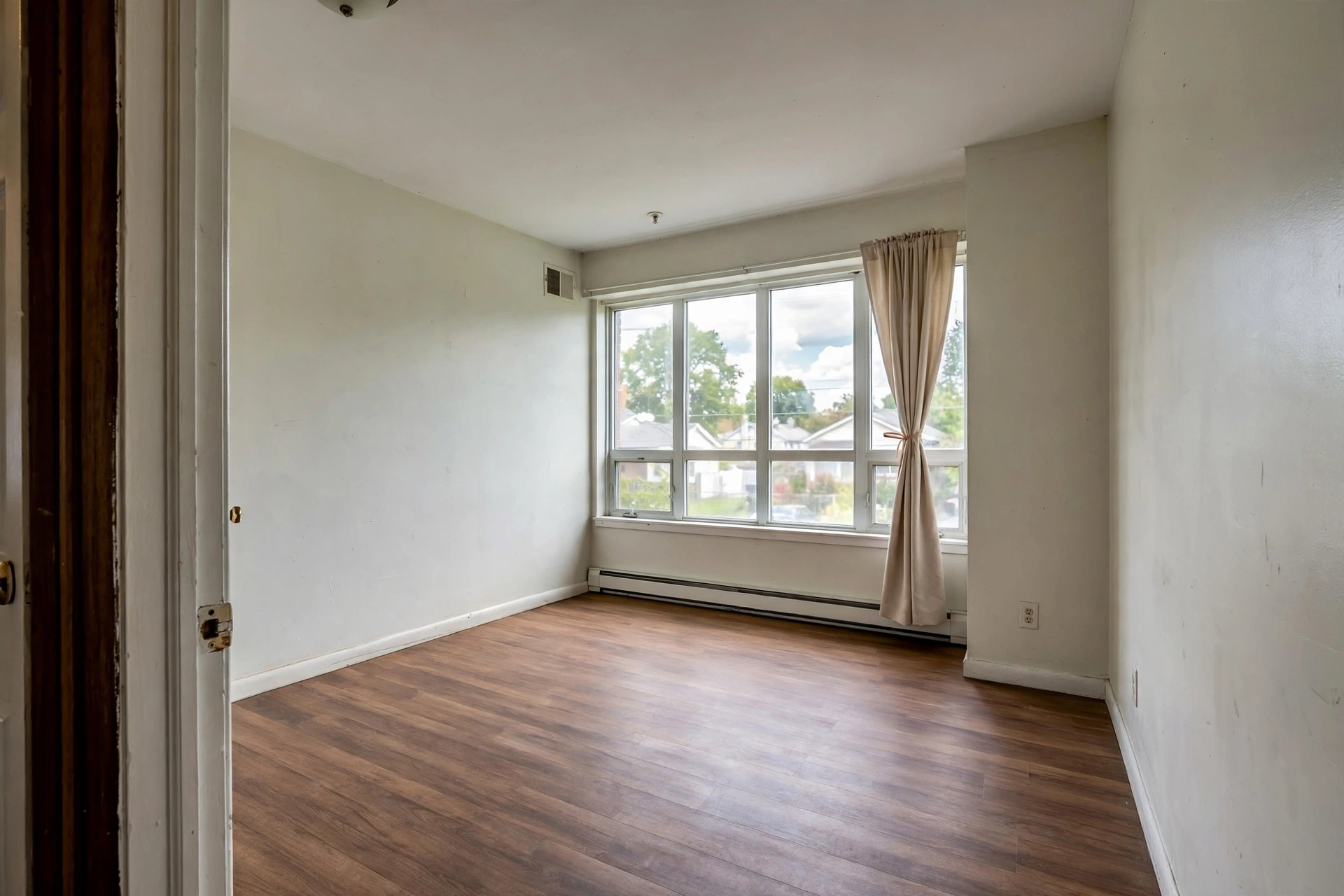
Do not hide imperfections with tight crops or too much editing. A guest wants confidence, not a mystery. If the room is compact, photograph it from the doorway so the layout feels understandable. If the best feature is a balcony, patio, or desk area, place it in a photo where the guest can see how it fits into daily use. The goal is not to make the space look bigger than it is; it is to make it easy to understand.
For the strongest version of vacation rental photos and rules, keep the images consistent: same lighting, similar angle quality, and no clutter in the background. That makes the listing feel intentional and reduces questions later.
Paste-ready listing kit you can edit today
- Title: Quiet furnished stay with kitchen and fast Wi‑Fi
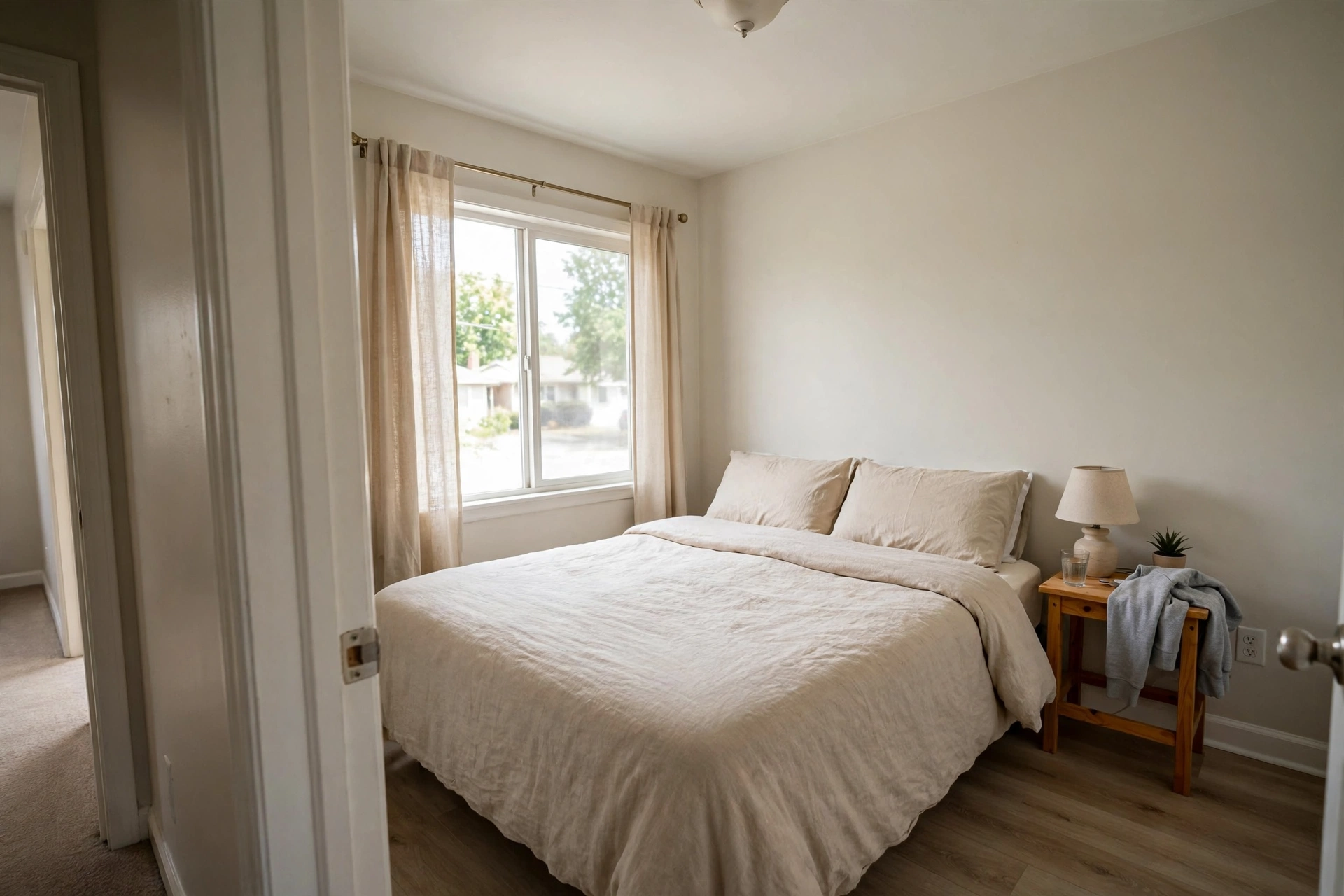
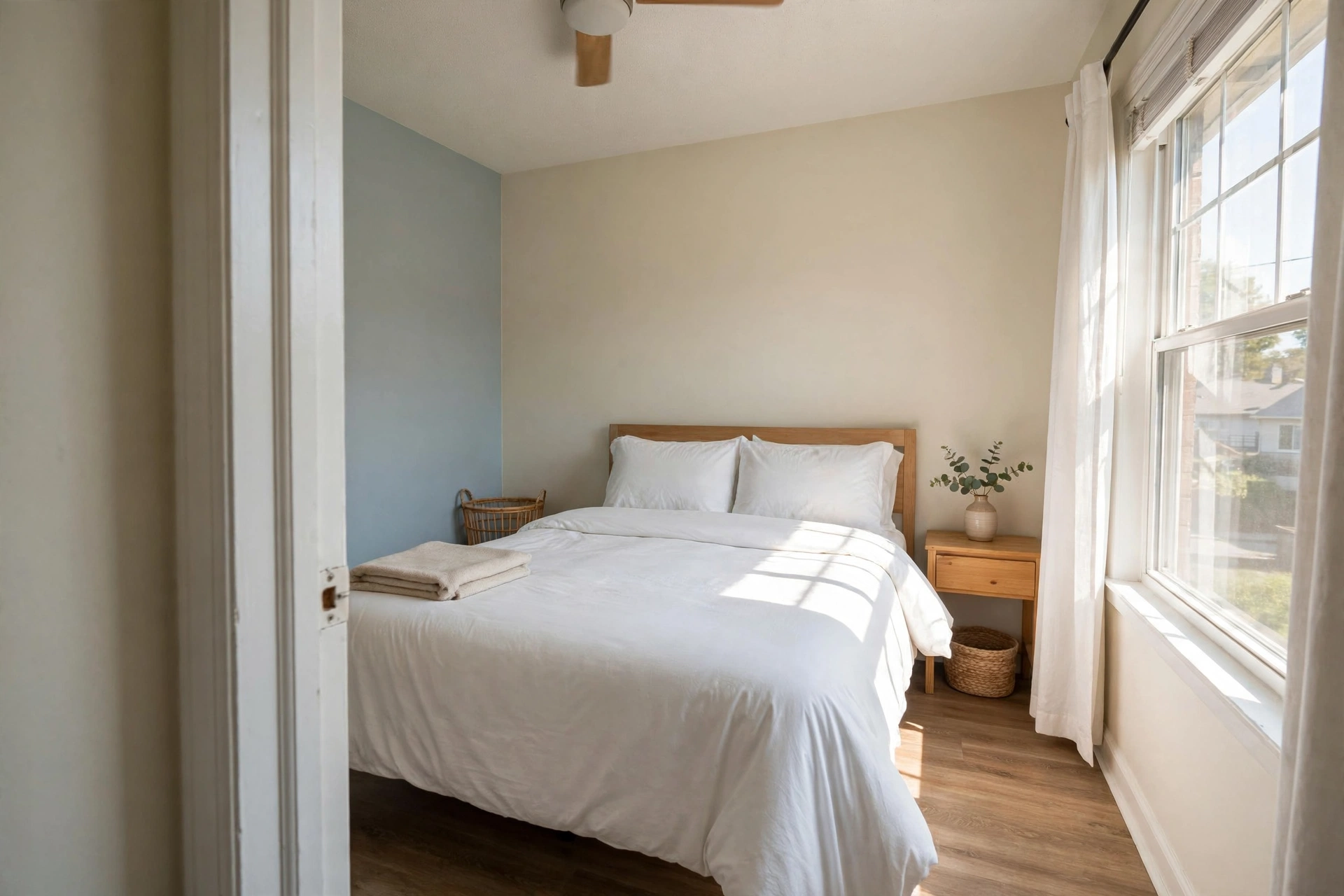
- Photo 1: Wide shot of the main bedroom or sleeping area with the bed made and curtains open
- Photo 2: Full view of the kitchen or kitchenette with counters clear
- Photo 3: Desk, dining table, or sitting area that shows how the space works day to day
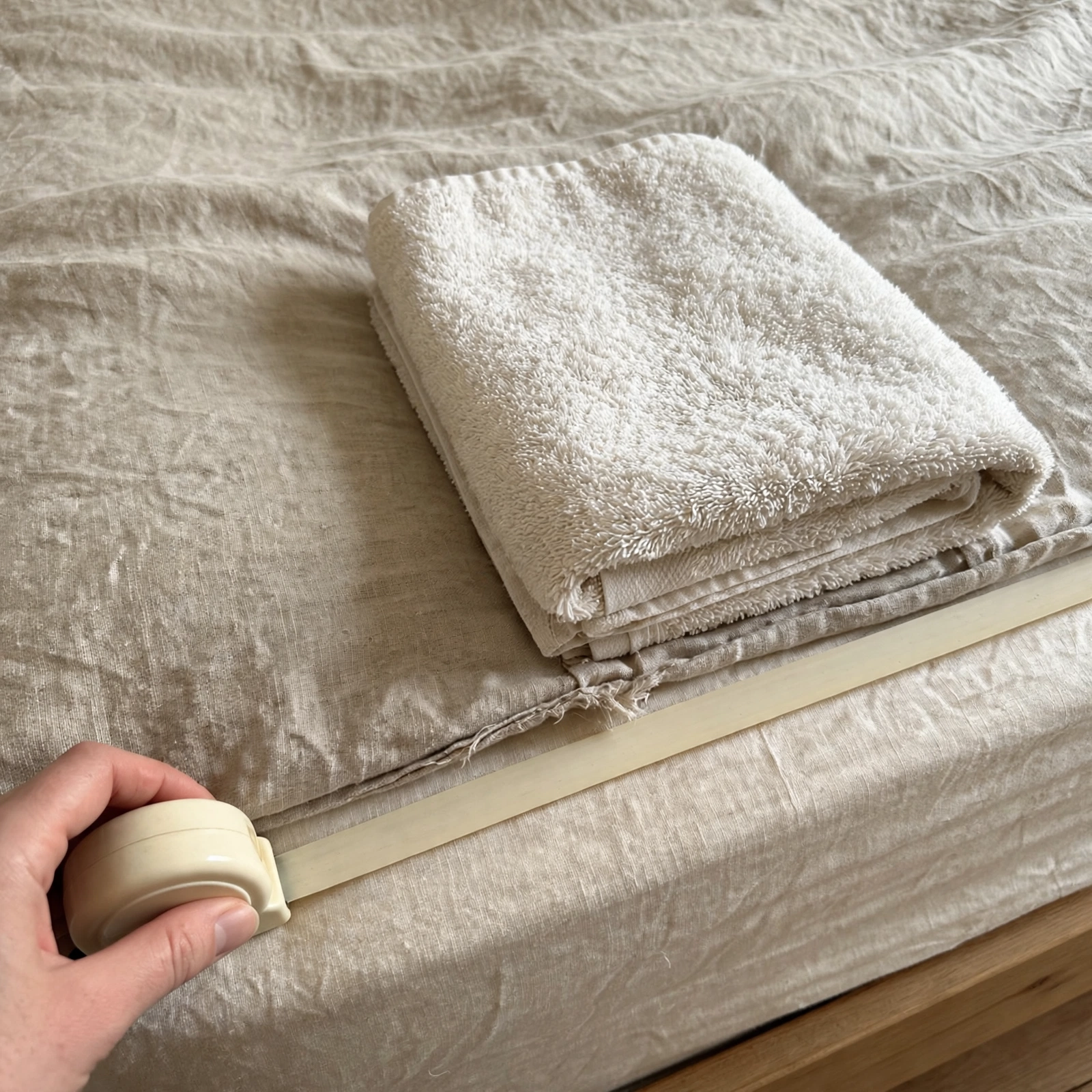
- Photo 4: Clean bathroom shot with towels folded and all fixtures visible
- Editable description sentence: This furnished short stay is set up for guests who want a simple, private place to settle in with the essentials already ready.
Use this kit as your starting point, then swap in the features that are true for your space. If your strongest selling point is privacy, mention the entrance. If it is convenience, mention furnished basics. If it is flexibility, say whether the stay is better for a weekend visit or a longer temporary housing need. You can also add one detail that removes uncertainty, such as whether linens are included or whether the unit is shared. That one line often prevents back-and-forth messages. For the live listing, place free listing assistant where the reader would naturally continue after seeing the main pitch, and How to Post a Short-Term Rental That Attracts the Right Fit where they would check a similar option or next step.
Check price against comparable local listings
Do not guess your price in isolation. Compare similar local listings with the same dates, guest count, bed count, and basic amenities, then note where your place is stronger or weaker. If your space has better privacy, a better sleep setup, or a more useful kitchen, it can sit above the simplest comparable options. If it is smaller, shared, or missing a key amenity, it should usually be easier to justify. Airbnb says its price tips use factors such as location, amenities, your past bookings, and the latest prices in your area, and its pricing guidance recommends setting a base price you can adjust anytime. That is a useful model even if you are posting elsewhere.
When you check comparable local listings, look at the total picture, not just one nightly number. Compare cleaning expectations, stay length, and what is included in the rate so you do not overprice a place that appears simple on the surface. If you are unsure, start with a price that is easy to explain in your description and revisit it after you see how people respond. If your city or state has rules about short-term rentals, confirm them before you publish.
Keep the description honest about what a guest is paying for. If the stay is bare-bones, say that clearly. If it is furnished and ready to use, say that too. Guests usually accept a price more readily when the value is obvious.
List the details that cut down on questions
| Detail | What to write | Why it helps |
|---|---|---|
| Sleeping setup | Bed size, sofa bed, or extra mattress | Helps guests judge fit without messaging |
| Work setup | Desk, chair, and internet access | Useful for work trips and longer stays |
| Kitchen use | Full kitchen, kitchenette, or shared access | Sets expectations about meals and storage |
| Entry and privacy | Separate entrance, shared entrance, or private room | Prevents confusion before arrival |
| House basics | Linens, towels, parking, laundry, or AC if true | Answers the most common practical questions |
A good listing is not long because it is wordy; it is long because it removes uncertainty. Add the details that a guest needs to decide quickly, and leave out filler that does not change the stay. One common mistake is writing only about style and forgetting logistics. Another is burying the practical facts halfway down the post. Put the most useful details near the top, then add the rest in a tidy list. If there are house rules, write them plainly and keep them short. The clearer you are about the basics, the less time you spend answering repetitive messages.
Avoid the mistakes that make guests bounce
The biggest mistake is making the listing sound generic. Phrases like “great space” or “perfect getaway” do not help a guest compare options. Another mistake is using photos that look nice but leave out the room size, the bed, or the bathroom. Guests want to see reality in a flattering but accurate way. A third mistake is forgetting the details that affect comfort, such as whether the stay is shared, whether there is a place to work, or whether linens are included. When those answers are missing, a guest may move on instead of asking.
Also avoid overpromising. If the place is best for short stays, say that. If the setup is simple, call it simple and emphasize the convenience. If you promise more than the space delivers, you risk disappointment and unnecessary messages. A truthful listing usually converts better than a polished one that sounds too good to be real. That is especially important when people are comparing temporary housing near me options and need quick confidence.
What to do before you hit post
Before publishing, read the listing like a first-time guest. Check that the title says what kind of stay it is, the first photo matches the title, and the opening paragraph explains who the space is for. Then verify that the photo order makes sense: overview first, useful features next, and details after that. Finally, check the spelling of the contact info or preferred reply method, because a good listing cannot work if a guest cannot reach you easily. If you mention any house rules, make sure they are easy to find and consistent with what the photos show.
It also helps to look at your listing on a phone, not just a desktop. Many guests will see it on a small screen, so the first few lines need to carry the message. If the strongest feature is buried, move it up. If the description is hard to scan, split it into short sentences. Then post, watch which questions people ask, and improve the text from there.
Frequently Asked Questions
What are the best short term rental listing tips for first-time hosts?
Start with the guest type, show the space clearly in photos, and write the first sentence around the main benefit. Then include the practical details that reduce questions, such as sleeping setup, privacy, and whether the place is furnished. The best listings are specific, easy to scan, and honest about what a guest will actually get.
How much should I charge for a short-term rental listing?
Check comparable local listings with the same dates, guest count, beds, and amenities, then price against what is truly similar. If your place offers more privacy or convenience, that can justify a higher price; if it is simpler, it should usually be easier to compare. Revisit the number after you see what guests ask and how often they contact you.
How do I keep trust high and avoid scams or fraud?
Use clear photos, accurate descriptions, and straightforward house rules so guests know exactly what they are contacting you about. Be careful with requests that feel rushed, inconsistent, or outside the normal booking flow. A truthful listing lowers the risk of confusion and makes it easier for both sides to verify what is being offered before they commit.
Where should I post a short-term rental listing?
Post where local renters and guests can contact you directly and see the full details without extra steps. On Brixaz, that means using the housing category that matches the stay and writing a clear post that explains the setup, the basics, and the best features. If you cross-post elsewhere, keep the wording consistent so people see the same offer everywhere.
How do I write a title that gets attention without sounding generic?
Lead with one or two facts that matter most to the guest, such as furnished, private, kitchen access, or workspace. Keep it short enough to scan, but specific enough that someone can tell whether it fits their stay. Avoid vague phrases that could describe any place, because guests usually skip listings that do not quickly explain the value.
How do I price a furnished stay for temporary housing?
Look at nearby listings with similar length of stay, furnishings, and privacy, then compare the total package instead of one number alone. If your listing is ready to use with the essentials already in place, say that in the description so the pricing makes sense. If you are unsure, start conservatively and adjust after you review interest and feedback.

Comments
Loading comments...
Checking sign-in status...