
Used Pickup Truck for Sale: How to List Yours
A practical Brixaz guide for selling a used pickup truck with the right details, photos, and price proof so local buyers can decide quickly.
ARTICLE LANGUAGE
Showing original language
If you’re posting a used pickup truck for sale, the fastest path is to show condition, utility, and pickup details in the first photo and first sentence. This guide gives you a simple way to price it, describe it, and publish it on Brixaz with Brixaz vehiculos listings so buyers can contact you directly today.
Use the same approach for a work truck, daily driver, or weekend hauler: prove what it can do, show what needs attention, and compare your asking price with similar local listings instead of guessing. If you are selling a used pickup truck for sale, the goal is a clear post that answers the buyer’s first questions before they message you.
Start with the truck’s real job, not just the trim
Buyers usually want to know what the truck actually does well. Lead with cab style, bed length, drivetrain, mileage, and whether it has tow gear, a bed liner, or tool-box setup. Example: “Crew cab, 6.5-foot bed, 4x4, clean title, used for light hauling.” That tells a shopper whether it fits work, family, or towing. If the truck has a fifth-wheel hitch, camper shell, spray-in liner, or snowplow prep, list it plainly. If something does not work, say so now: check-engine light, worn seat, cracked windshield, dead AC, or rust spots. A buyer is far more likely to trust a post that sounds complete than one that feels polished but vague. Avoid generic phrases like “runs great” by itself. Instead, pair the claim with a concrete fact the buyer can verify, such as recent brakes, a fresh battery, or a photo of the odometer. Keep the description practical and factual so it is easy to compare against other listings.
Check price against comparable local listings before you post
Do not pick a price from a memory or a single forum post. Open a few nearby listings for the same make, body style, drivetrain, mileage band, and condition, then note where your truck sits. A good comparison set should look close in age, bed length, and trim, not just “other trucks.” If your truck has extra equipment, compare it to trucks with similar equipment; if it needs work, compare it to other trucks with visible wear. Write down three things: asking price, mileage, and the strongest feature in each listing. That gives you a realistic range to work from without inventing a market average. If you want more room for negotiation, post near the top of your fair range and be ready to explain why your truck earns it. If you want a quicker sale, price it near the middle of comparable listings and keep the description tight and honest. The point is to match the local market buyers are already seeing.
Use a photo set that answers the buyer’s first six questions
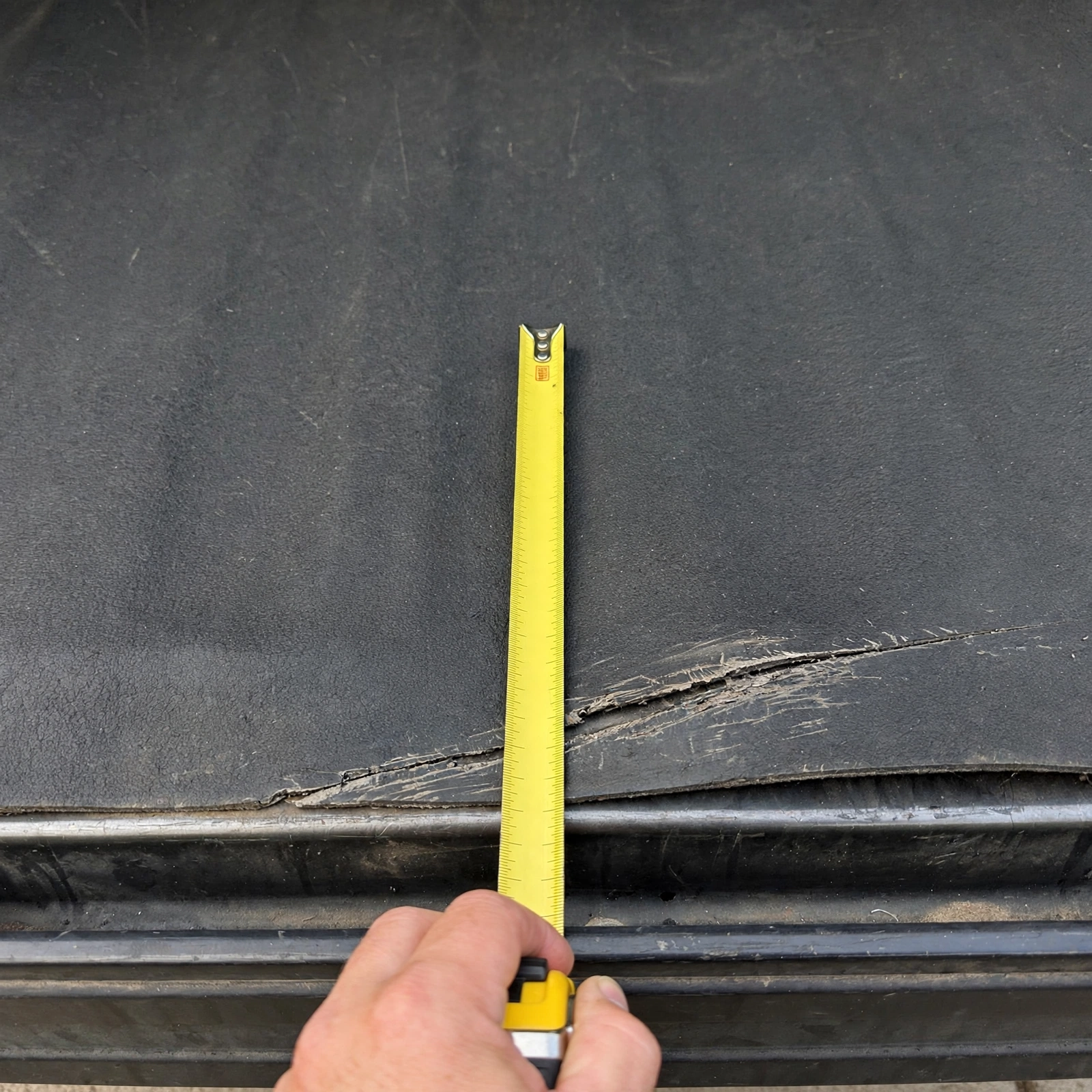
Strong photos cut down on repeats and no-shows. Take wide shots in daylight from the front, rear, both sides, and a three-quarter angle. Then add close-ups of the tires, bed, driver seat, dashboard with mileage, and any damage. If the truck has towing equipment or a utility setup, photograph that too. Keep the truck clean enough that the real condition is obvious; don’t hide dents with weird angles. Use free listing assistant to place your listing in the vehicle category, then make sure every image matches the text. A buyer should be able to answer: Is it 4x4? How long is the bed? What condition are the tires in? Does the interior look maintained? Are there warning lights? If a detail matters, show it. If a photo raises a question, caption it briefly in the description rather than hoping people won’t notice. Clear photos reduce back-and-forth and make serious buyers easier to spot.
Paste-ready listing kit for a truck post
- Title: Crew Cab 4x4 Pickup, Clean Title, Work Ready
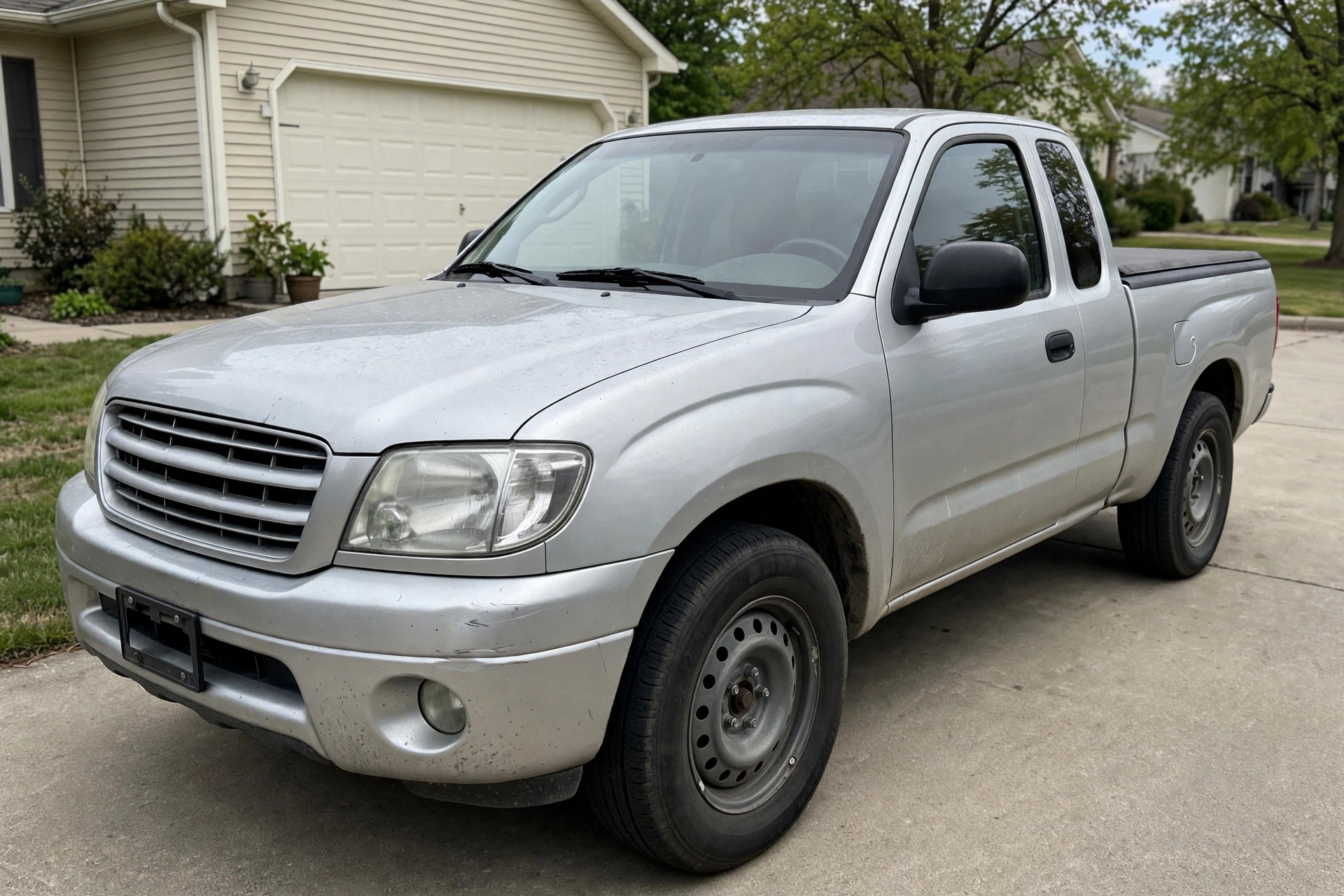
- Photo 1: Front three-quarter view in daylight on a clean driveway or curb
- Photo 2: Odometer and dashboard with no glare
- Photo 3: Bed and tailgate, showing liner, rails, or dents
- Photo 4: Tire tread and one close-up of the largest flaw
- Description sentence: “Reliable pickup with [mileage], [bed length], [drive type], and [notable feature], plus [one honest issue] shown in photos.”
Use that kit as a fill-in template instead of writing from scratch. It keeps your post specific, and it helps buyers see the truck as a real vehicle rather than a vague ad. If you also have service records, mention the latest big items, such as tires, brakes, battery, or fluids, and attach the relevant photo proof if you can. The biggest mistake is hiding the one detail a buyer will discover in person anyway. Honest structure sells better than a perfect-sounding but incomplete post.
Write the kind of description buyers can scan in 20 seconds
Short, structured copy works best for vehicle posts. Start with the basics: year, make, model, trim, mileage, cab style, bed size, and drivetrain. Then add one line on use history, one line on maintenance, and one line on issues. Example format: “Used for light contractor work, oil changed regularly, tires at good tread, AC blows cold, rear bumper has a dent.” That tells a buyer what matters without making them decode a paragraph. Use Sell Used Car Parts: Fitment, Condition, Pickup if you’re comparing your truck to other local vehicle posts, especially when you want to see how buyers phrase features and flaws. Avoid filler like “must see” or “won’t last long”; buyers care more about facts than hype. If you mention towing, hauling, or commuting, back it up with a feature that proves the claim. A good description should help a shopper decide whether to message, not force them to ask basic follow-up questions.
Avoid the mistakes that create ghosting, low offers, and wasted meetups
The most common mistake is leaving out the hard facts that matter to truck buyers. Don’t skip mileage, title status, drivetrain, bed length, cab size, or known issues. Don’t post only shiny exterior shots and no interior or dashboard images. Don’t set a vague pickup plan that turns into long back-and-forth later. Say where the truck can be seen, what hours work, and whether you can meet in a public location. If you’re selling a modified truck, list the changes clearly so no one is surprised by lift kits, oversized tires, exhaust changes, or removed equipment. Keep your wording plain and your promises modest. If you’re unsure about title transfer, emissions, or any state-specific step, confirm with your state DMV or local office before meeting a buyer. Brixaz is free to post, with direct buyer-seller contact, but you still need a complete listing to get serious replies. The cleanest posts are usually the ones that sound like a careful owner, not a salesperson.
Frequently Asked Questions
What should I include in a used pickup truck for sale post?
Include the year, make, model, trim, mileage, cab style, bed length, drivetrain, title status, and any major features like 4x4, tow package, or bed liner. Then add honest condition notes for tires, brakes, interior wear, rust, warning lights, and recent maintenance. Buyers usually decide fast when the post answers those basics clearly.
How do I price a used pickup truck without guessing?
Compare your truck to similar local listings with the same body style, drivetrain, mileage range, and overall condition. Look at several posts, not just one, and note what features or flaws explain the differences. That gives you a real-world price band to work from. If you’re unsure, price based on the closest matches you can find and stay ready to adjust.
What photos help sell a truck fastest?
Take daylight photos of the front, rear, both sides, and a three-quarter angle, then add close-ups of the odometer, tires, bed, and any damage. Buyers want to see the truck’s shape and the details that affect value. If the truck is clean, that helps; if it has wear, showing it early builds trust and reduces wasted messages.
Should I mention scratches, rust, or mechanical issues?
Yes. Mention anything a buyer will notice in person or on a test drive. Clear notes about scratches, rust, leaks, warning lights, or worn tires help filter out the wrong buyers and prevent surprise complaints later. A straightforward listing often gets better responses than a polished one that hides problems, because serious shoppers value honesty.
How do I write a used pickup truck for sale listing that gets replies?
Keep it simple and specific: start with the vehicle basics, add what it was used for, list maintenance and features, then name the biggest flaw. A short sentence with real facts is easier to trust than a long story. If buyers can scan the post and understand the truck in under a minute, you’re doing it right.



Comments
Loading comments...
Checking sign-in status...