
Sell a Commercial Truck: GVWR, Hours, Inspection
A work truck listing gets better local buyer replies when it proves capacity, condition, title status, inspection history, and pickup or viewing terms before the first message.
ARTICLE LANGUAGE
Showing original language
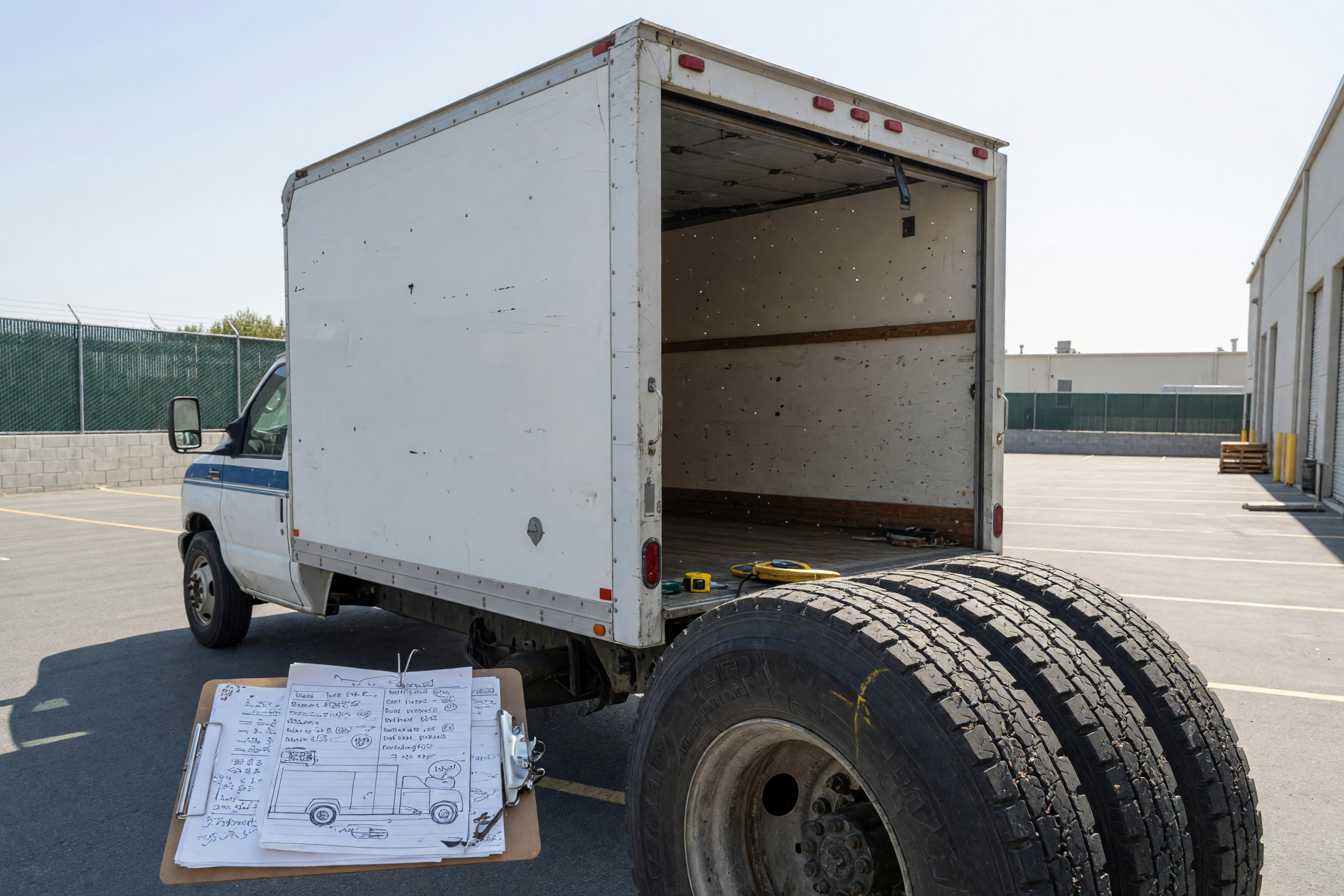
If you own a box truck, dump truck, work van, flatbed, stake bed, cargo truck, or other commercial vehicle that is ready to sell, start with a focused Brixaz commercial truck listing. A serious buyer is not just shopping for "a truck." They are checking whether the vehicle can legally and practically do the work they need this month.
The conversion question for this guide is narrow: a contractor, fleet owner, delivery operator, landlord, landscaper, mover, or small business can post one real commercial truck today. The exact listing should include GVWR, mileage or engine hours, body style, cargo measurements, title status, inspection notes, known defects, photos, and a clear viewing plan. Brixaz is still in founding-seller mode, so the trade-off is plain: free posting and direct buyer contact now, with a smaller audience and no guaranteed sale or view count.
Lead with the truck's work use
Commercial truck buyers search by use before they search by personality. A buyer may need a local delivery box truck, a landscaping dump truck, a plumbing service body, a food business cargo van, a flatbed for equipment, or a retired fleet vehicle for parts and backup work. Your first paragraph should say what the truck is best suited for and what it is not suited for.
Weak copy says, "Truck for sale, runs good, message me." Better copy says, "Used 16-foot box truck for local delivery or moving work. Runs and drives, liftgate works, clean title in hand, inspection due next month, buyer should plan for front tires soon." The better version does not oversell. It gives a working buyer enough information to decide whether to keep reading.
Use the title to identify the body style and the core proof: "Box truck with liftgate, clean title, runs daily" is stronger than "Great work truck." If the truck has a known limitation, include it early. A buyer with cash and a deadline would rather hear the honest limitation now than discover it after arranging a viewing.
Put GVWR, payload, and dimensions where buyers can find them
GVWR matters because many buyers are trying to stay inside licensing, insurance, route, parking, and job requirements. Do not bury it. If you know payload, cargo box length, interior height, bed length, gate width, liftgate capacity, wheelbase, or clearance height, add it to the listing. If you do not know a number, say "not confirmed" instead of guessing.
For a box truck, list exterior height, box length, interior cargo height, ramp or liftgate condition, and door opening. For a dump truck, list bed length, side height, hydraulic condition, axle setup, and whether the dump operates smoothly. For a service body, list compartments, lock condition, shelving, ladder rack, and whether keys are included.
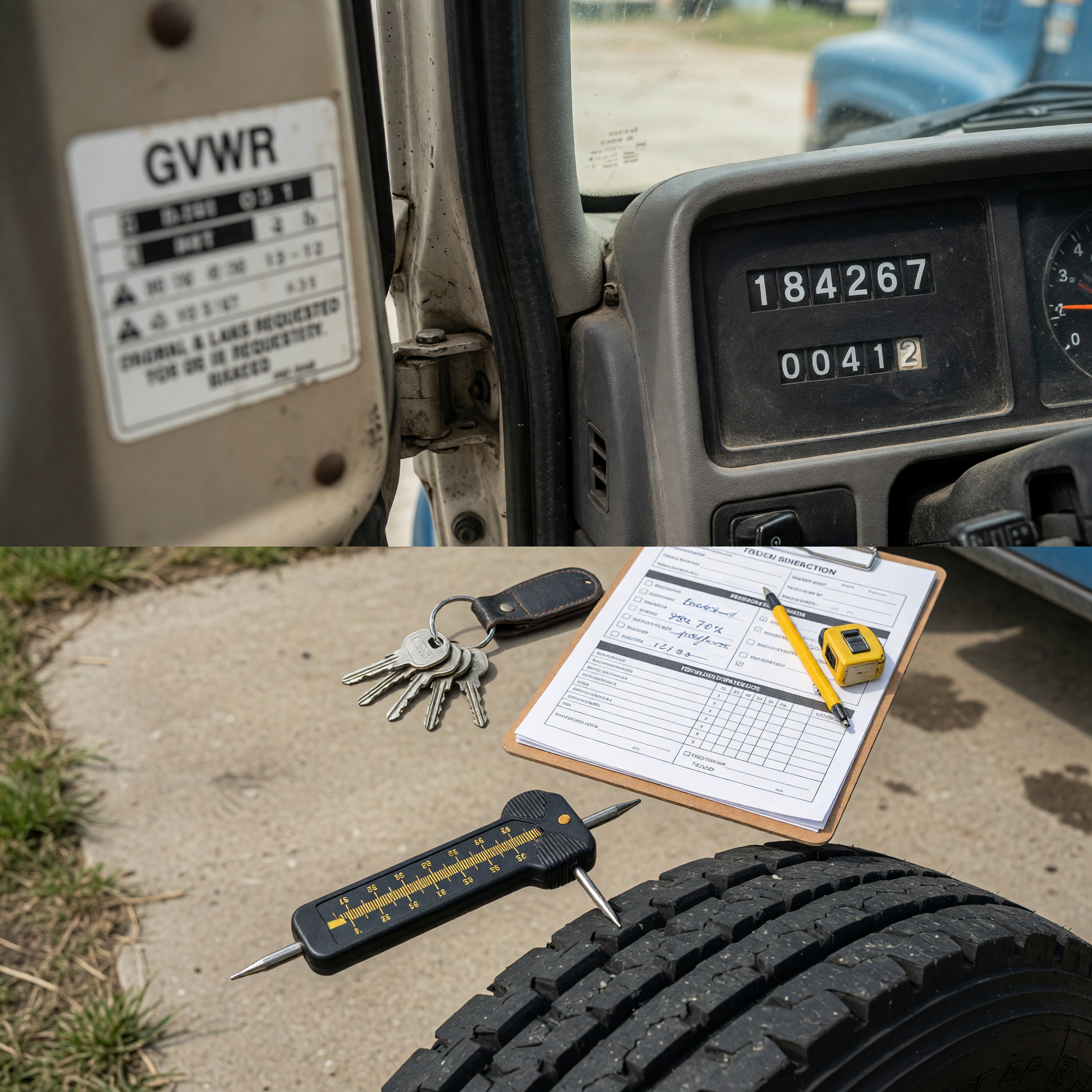
Use this commercial truck listing checklist
Before you publish, collect the details below from the title, door jamb label, service records, inspection paperwork, and a walkaround. The goal is to reduce back-and-forth, not to make the truck sound perfect. A complete listing helps a working buyer decide whether the truck is worth viewing.
| Detail | What to include | Better listing wording |
|---|---|---|
| Truck type | Box, dump, flatbed, service body, cargo, stake bed | 16-foot box truck with working liftgate |
| Capacity | GVWR, payload if known, axle setup, cargo dimensions | GVWR listed on door label; payload not confirmed |
| Use case | Delivery, moving, landscaping, contractor, parts, backup truck | Best for local delivery routes, not long highway hauling |
| Title | Clean, lien, rebuilt, salvage, title in hand, bill of sale limits | Clean title in hand; seller name matches title |
| Odometer and hours | Mileage, engine hours, PTO hours if relevant | Odometer shown in photos; engine hours listed if verified |
| Mechanical condition | Starts, drives, leaks, warning lights, brakes, transmission | Starts cold, shifts normally, ABS light is on |
| Body condition | Rust, dents, cargo floor, doors, locks, roof, glass | Box roof dry, rear door rolls up, floor has worn spots |
| Inspection | Current sticker, expired inspection, known work needed | State inspection current through the date shown in photo |
| Viewing plan | Location area, appointment windows, test drive rules | Shown by appointment near the industrial park, daylight only |
| Pickup terms | Payment method, plates, towing, deposit, bill of sale | Buyer handles plates, insurance, and pickup after payment clears |
If you are deciding how to describe a mixed-use vehicle, the Brixaz vehicles section keeps work trucks near cars, vans, boats, RVs, and parts instead of scattering them across general household listings. Clean category choice is a real advantage on a young marketplace because the first detailed truck posts become easier to discover.
Show condition without creating a surprise
A commercial truck buyer expects wear. What they do not want is a hidden issue that changes the cost of putting the truck to work. Be specific about tires, brakes, lights, leaks, warning lights, battery age, rust, box condition, liftgate, hydraulics, PTO, ramps, doors, locks, AC, heat, and whether the truck starts cold.
Bad copy: "Needs minor TLC." Better copy: "Runs and drives. AC does not blow cold. Rear tires have usable tread; front tires should be replaced soon. Liftgate raises and lowers under light load. Small oil seep at valve cover." That wording may reduce casual messages, but it helps attract buyers who know what they are looking at.
If the truck recently passed an inspection, say when. If it failed inspection, say why if you know. Do not invent a repair estimate or promise the buyer can pass inspection in another state. Requirements vary, and a practical marketplace listing should separate observed facts from guesses.
Photograph the truck like a fleet buyer will inspect it
Photos should help the buyer decide whether to schedule a viewing. Include the front, rear, both sides, cab, odometer, dashboard warning lights with the engine on, tires, VIN plate area without exposing sensitive details, door jamb capacity label if safe to show, cargo floor, roof or box corners, liftgate or ramp, underbody rust areas, engine bay, and any damage.
Take daylight photos on level ground. Do not hide dents with dark angles. Do not include readable company logos, customer names, DOT numbers, license plates, gate codes, receipts, or private paperwork. If the truck is wrapped or still branded, explain whether decals will be removed before sale. A buyer who wants a work-ready truck will ask anyway.
For pricing context, use similar local listings and condition, then check your assumptions with the used car value calculator when the truck is close enough to a standard vehicle comparison. For specialized trucks, body equipment, fleet maintenance history, and current inspection status often matter more than a generic book value.
Write the first-message rules and viewing plan
Commercial truck sales attract vague questions because buyers are comparing risk, financing, equipment fit, and pickup logistics. Your listing should say what you need in the first message: intended use, timing, whether they are a cash buyer or need financing, whether they need a test drive, and what viewing windows work.
Use a direct script: "Please send the truck use, when you want to view it, whether you need a test drive, and whether you are arranging plates, insurance, or transport. I will not hold the truck without an agreed deposit." That is firm without being aggressive.
For safety, meet in daylight, keep the title and keys controlled until payment terms are settled, verify funds in a way you trust, and avoid sharing sensitive documents in public messages. If a buyer wants a mechanic inspection, define where it can happen, how long it can take, and who pays any transport or shop fee.
The founding sellers page is worth reading if you are posting early inventory on Brixaz. The benefit is lower category competition, free posting, and direct contact. The honest limit is that an early marketplace cannot promise the lead volume of a mature classified site, so the listing has to carry more trust on its own.
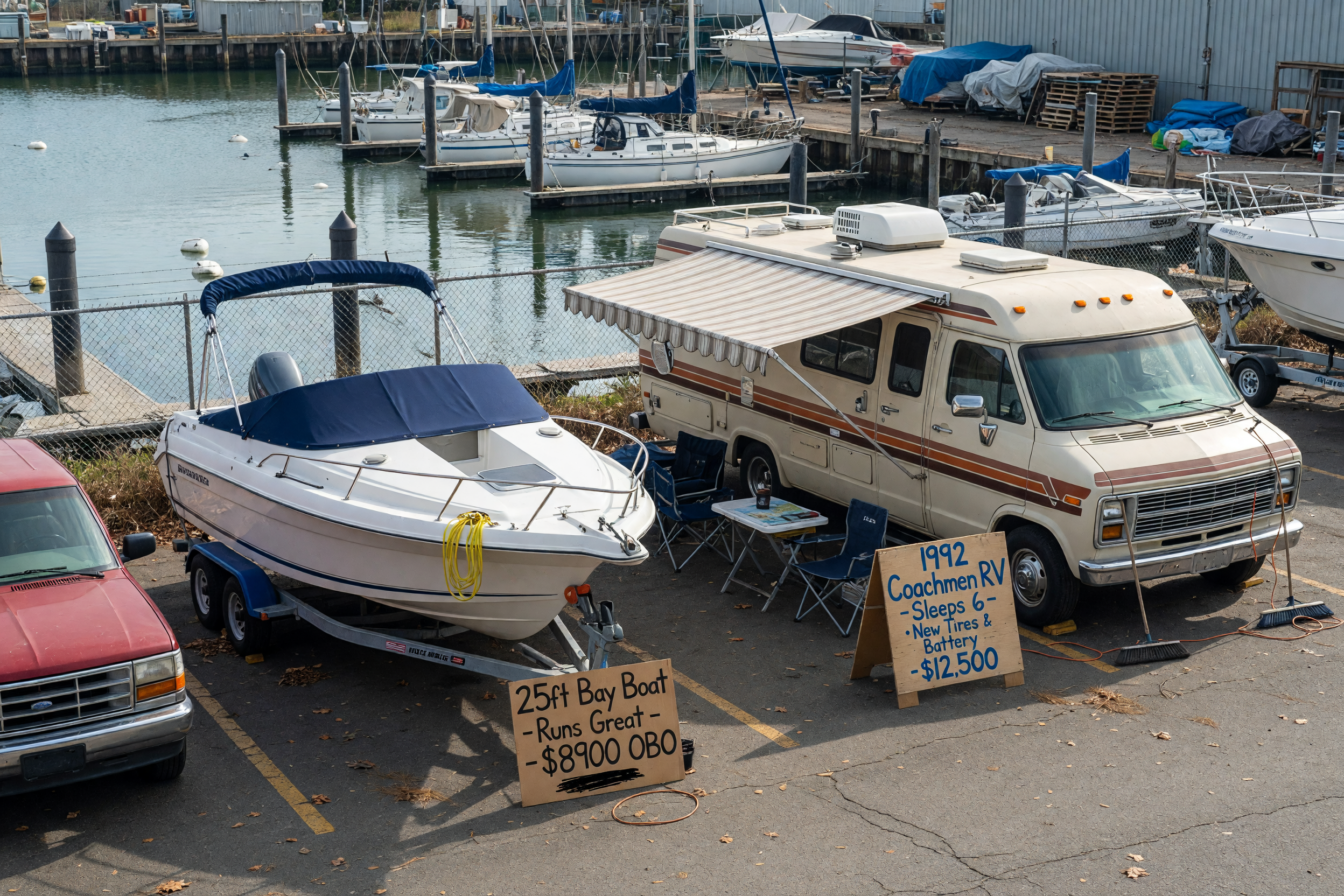
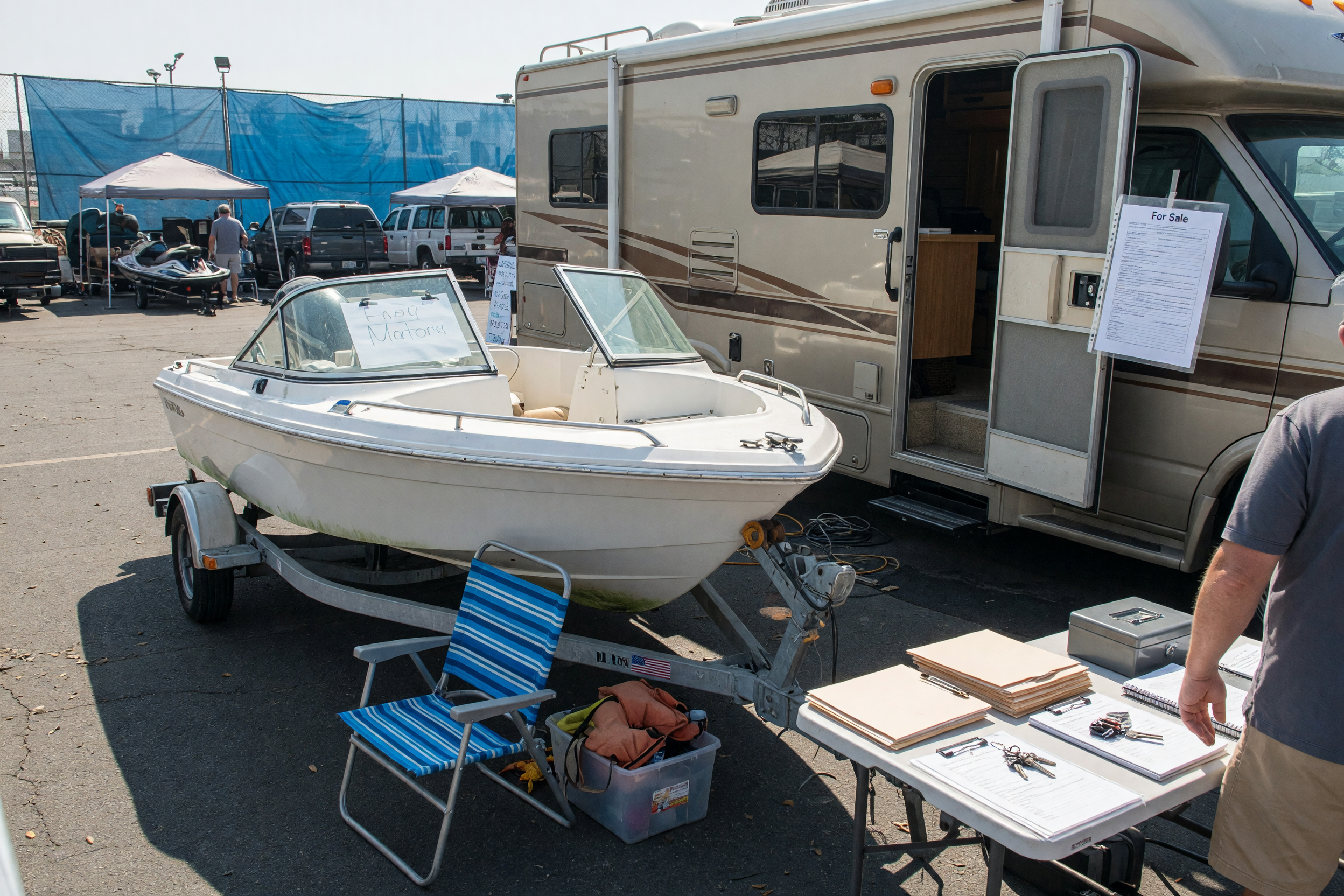
Related guide: boat or RV title and systems-check listing guide
FAQ
What details help sell a commercial truck faster?
Include truck type, GVWR, mileage, engine hours if relevant, cargo or bed dimensions, title status, inspection status, known defects, service history, photos, viewing windows, and pickup terms.
Should I include GVWR in a used truck listing?
Yes. GVWR helps buyers understand licensing, insurance, route, and payload limits. If you are not sure about payload, list the GVWR from the truck label and say payload is not confirmed.
How honest should I be about mechanical issues?
Be direct. A work truck buyer can handle known repairs better than hidden surprises. List warning lights, leaks, tire condition, brake concerns, hydraulic issues, liftgate problems, AC issues, and inspection needs.
What photos should I take before posting?
Take the exterior from all sides, cab, odometer, dashboard, tires, cargo area, bed or box floor, liftgate or ramp, underbody rust, engine bay, title-safe documents, and closeups of damage or useful equipment.
Can I sell a truck that needs inspection work?
You can list it if you describe the inspection status clearly and follow your state rules. Say whether inspection is current, expired, failed, or unknown, and avoid promising that it will pass somewhere else.
Where should I post a commercial truck on Brixaz?
Post it as a selling offering in the trucks category. The prefilled Brixaz route sets the listing intent and category so local buyers see it as a work vehicle, not a general item.



Comments
Loading comments...
Checking sign-in status...