
How to Sell a Boat or RV with a Strong Listing
A strong boat or RV listing starts with the right title, clear storage details, and honest system checks. Use this guide to build trust, reduce questions, and create a cleaner path to local buyer interest.
ARTICLE LANGUAGE
Showing original language
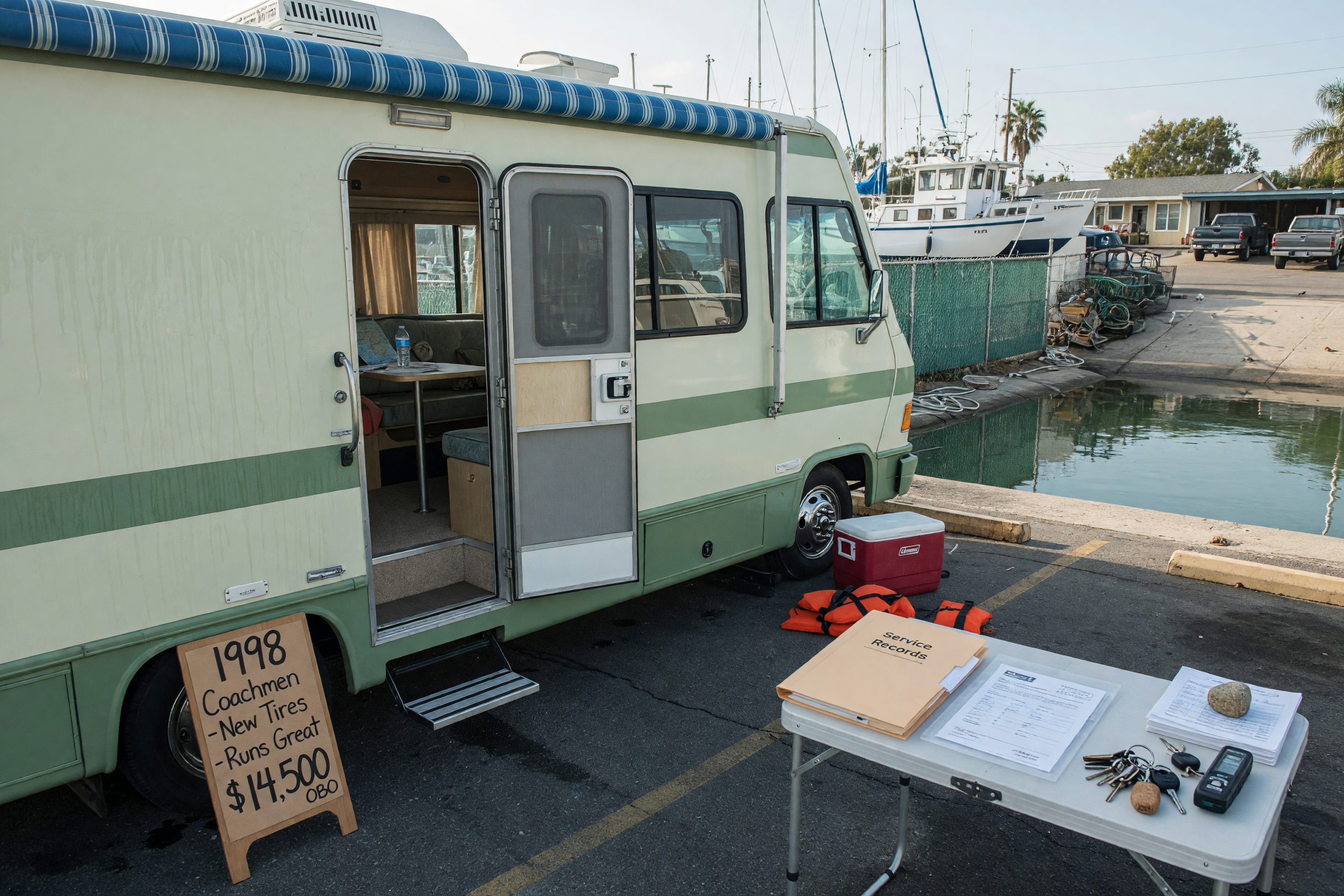
vehicles When you sell a boat or RV, the first impression comes from the title and the details you choose to show. Buyers scan for clarity, condition, and signs that the vehicle has been cared for.
A focused listing helps you attract the right audience faster. If you want to publish a casa rodante or vender bote usado locally, the goal is simple: make the condition easy to understand and the next step easy to take.
Write a title that matches the real vehicle
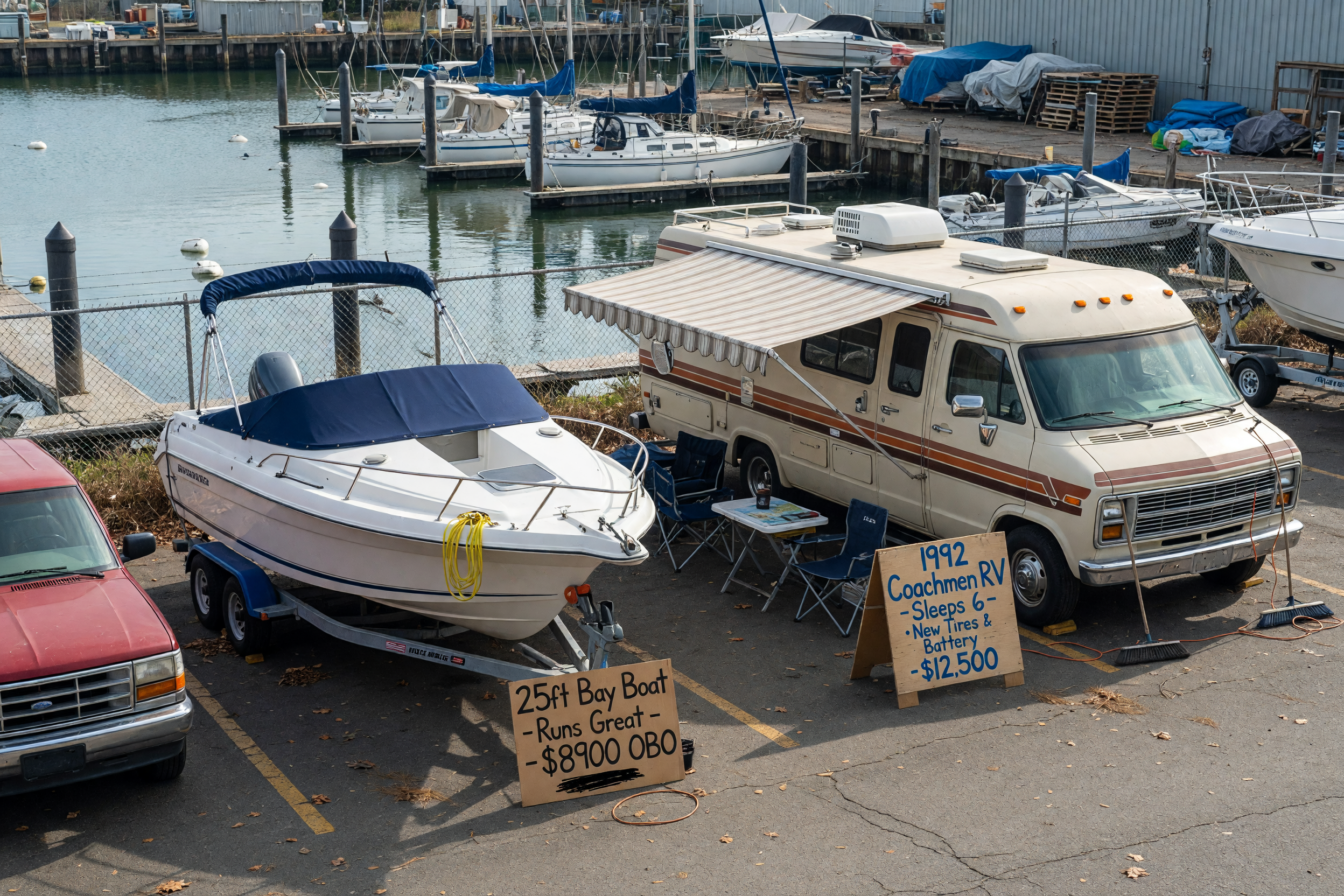
Your title should tell buyers exactly what you are offering without padding or guesswork. Start with the type of vehicle, then add the most useful detail, such as length, model year, or a key feature like outboard power, slide-outs, or bunk space. A clear title helps people decide fast whether the listing fits their needs, which is especially important when they search to vendre bote usado or compare options for an RV de dueño.
Avoid broad phrases like “great deal” or “must sell.” Those do not help the listing surface in search or build trust. Instead, use the facts buyers care about: condition, propulsion, sleeping capacity, or whether the vehicle is road-ready. If there is a title issue, say that plainly. If the registration is clean, say that too. Clear wording filters out the wrong messages and brings in buyers who are prepared for the next step. For a local marketplace listing, accuracy in the title often matters more than hype.
Describe storage and how it affected condition
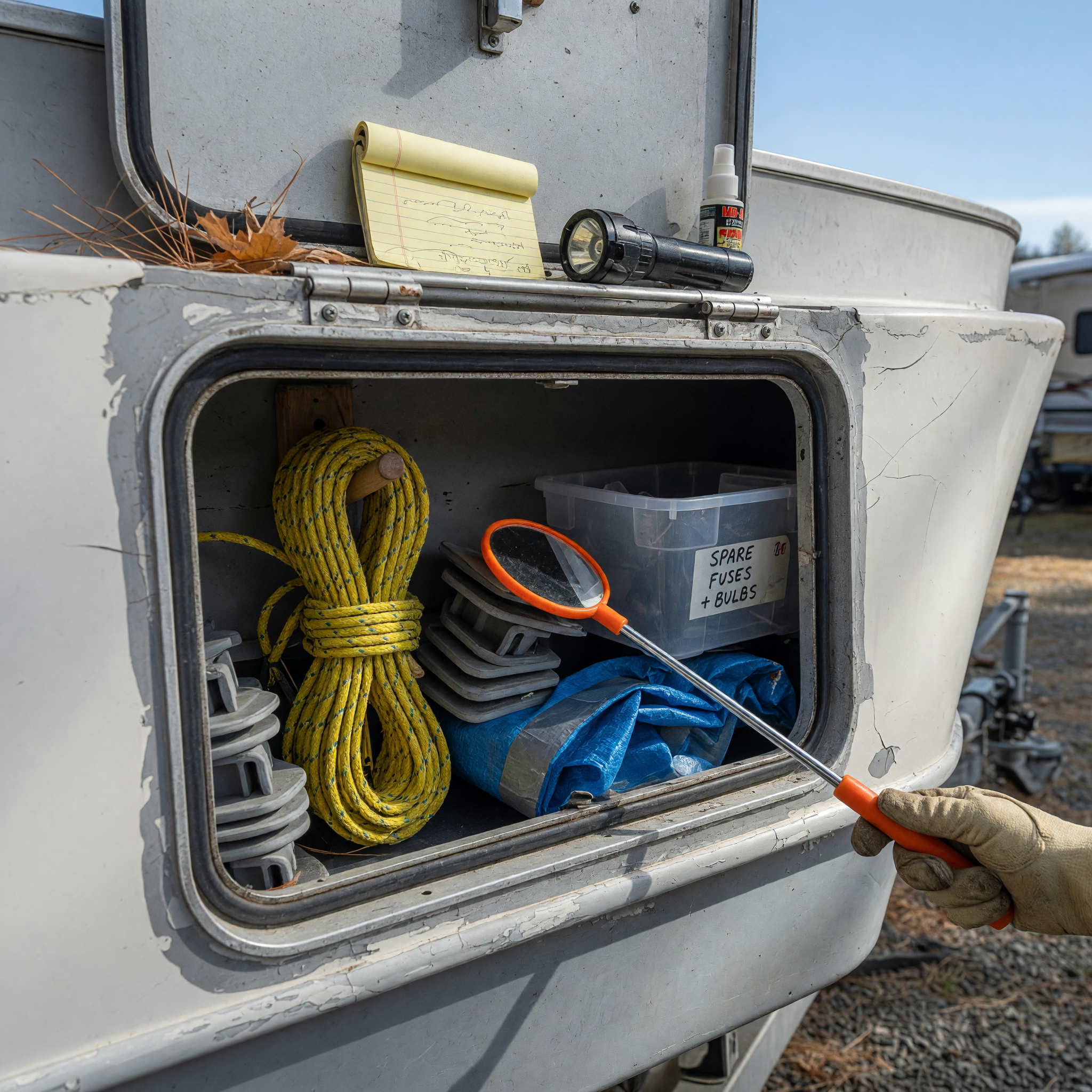
Storage history is a major trust signal because boats and RVs can wear differently depending on where they were kept. Tell buyers whether the vehicle was stored indoors, under a cover, at a marina, in a yard, or in a climate-controlled space. If it sat outside, explain what protection was used and how often it was covered, cleaned, or serviced. This matters for upholstery, seals, electrical parts, and trailer hardware.
Good storage details also help buyers estimate future costs. A well-stored boat may show fewer signs of UV damage, corrosion, or mildew. A camper kept dry may have a stronger roof, tighter windows, and fewer odor concerns. When you publicar casa rodante, storage can be just as important as mileage or engine hours. Add dates when possible, such as how long it has been stored and whether it has been moved recently. Specific facts make your listing feel prepared, not improvised.
Check core systems before you list
Before you post, test the systems that tell buyers whether the vehicle is usable or needs work. For a boat, that includes the battery, lights, bilge pump, steering, engine start-up, fuel delivery, and trailer equipment if included. For an RV, check the brakes, battery bank, water pump, fridge, furnace or air conditioner, jacks, generator, slide-outs, and any roof seals or plumbing fixtures. Write down what works and what needs attention.
Buyers expect transparency, but they also appreciate a seller who has already done the basic checks. If you can provide recent maintenance notes, include oil changes, impeller replacements, tire age, battery replacement, or winterization steps. If something has not been tested, say so clearly instead of guessing. That approach reduces disputes later and helps the right buyer decide whether the vehicle fits their budget and skill level. A careful system check is one of the fastest ways to make a seller post look serious.
Use photos and details that answer buyer questions
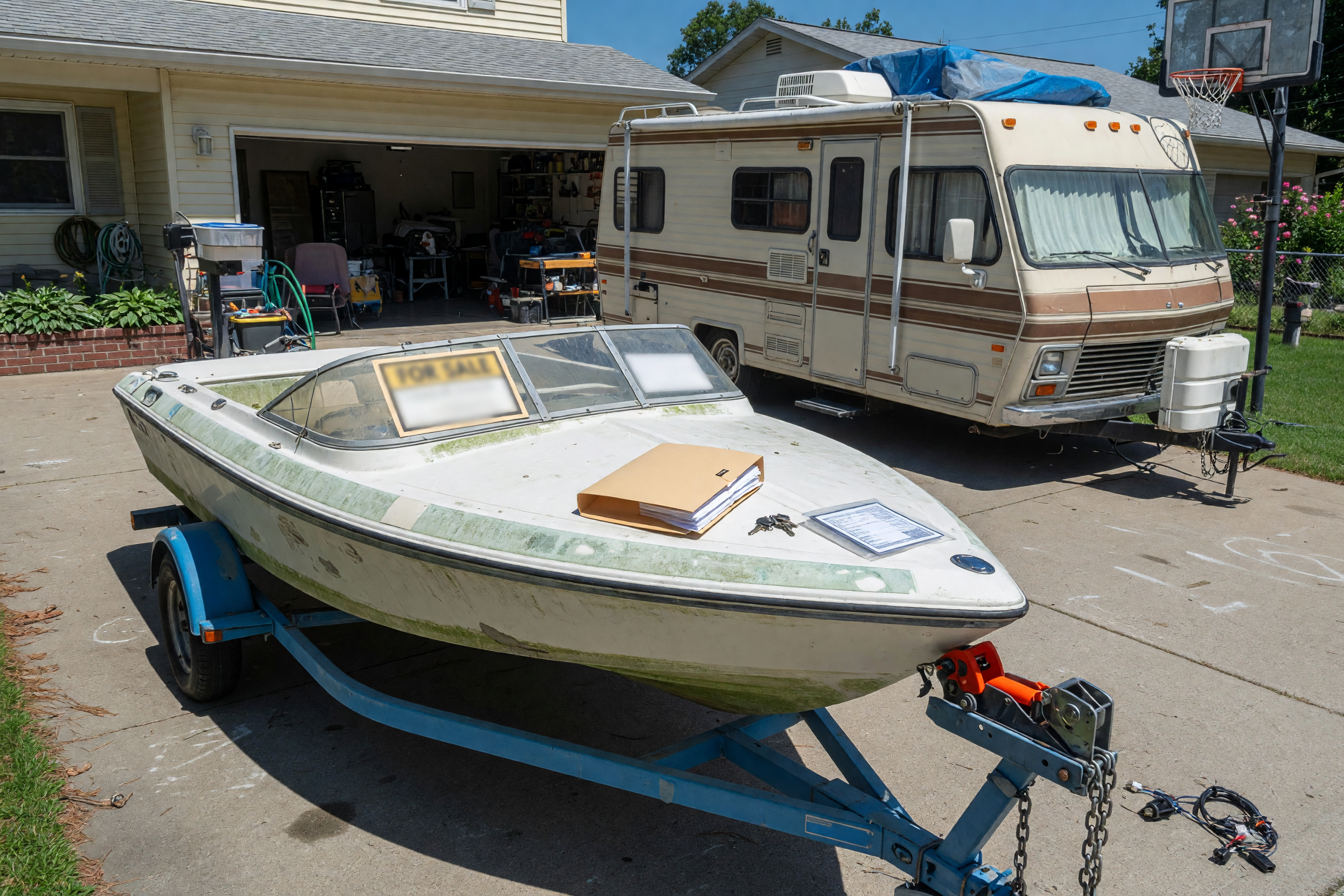
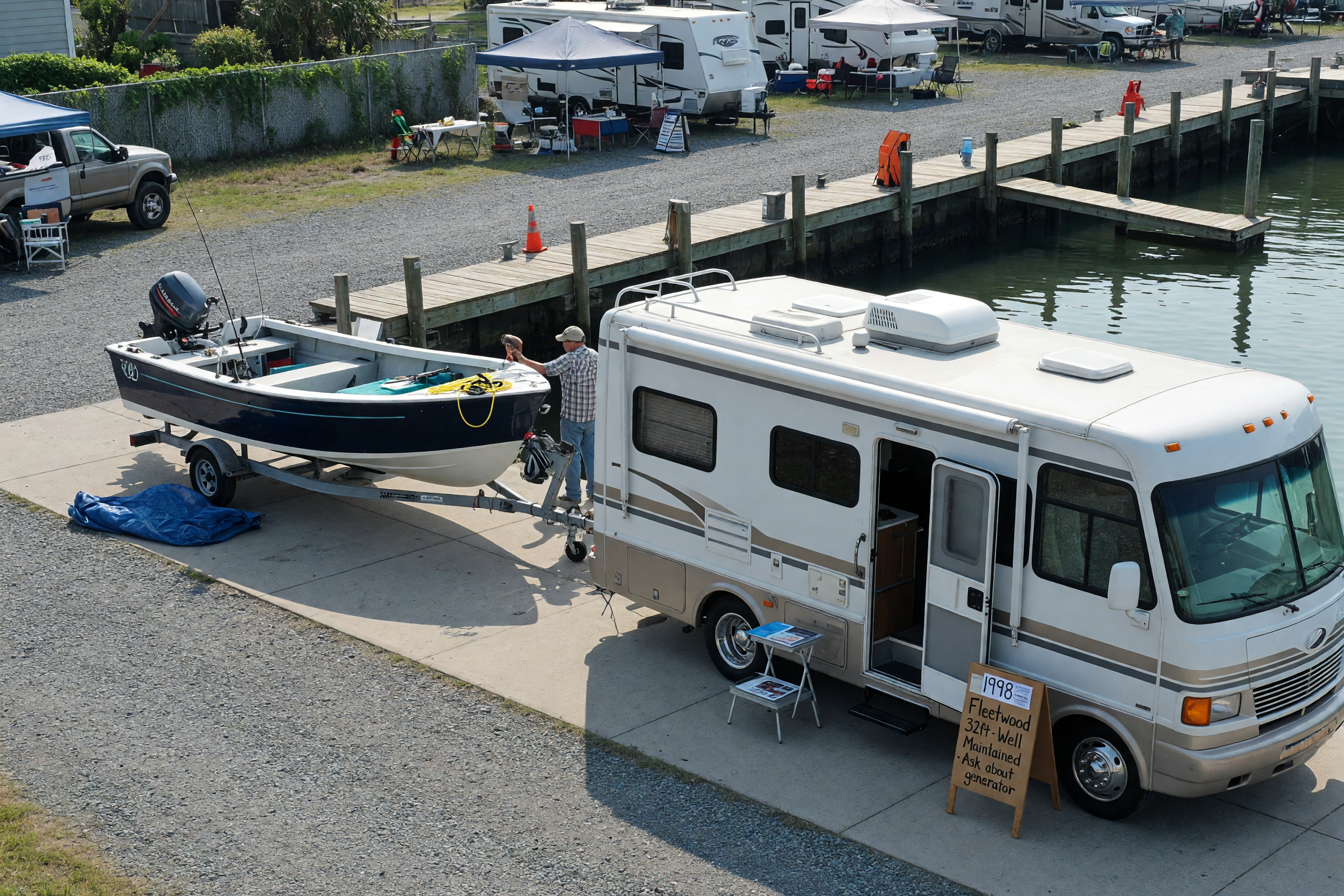
Your listing should answer the first ten buyer questions before they ask them. Show the exterior from several angles, the interior, the storage areas, the dashboard or helm, the sleeping space, and the most important systems. Include close-ups of tires, upholstery, roof seams, hull condition, and any visible repairs. Good photos reduce back-and-forth and help people evaluate whether they want to visit in person.
Pair the photos with concise details that match what the images show. If there is cosmetic wear, show it. If the floor plan is unusual, explain it. If you want to vender camper local, buyers usually want to know how easy it is to use, tow, launch, or park. Include dimensions, weight, fuel type, sleeping capacity, and whether extras like a cover, trailer, or accessories are included. The more complete the listing, the less likely you are to attract people who were never ready to buy. Clarity saves time on both sides.
Price with condition, season, and local demand in mind
Pricing a boat or RV works best when you compare similar vehicles that share age, size, condition, and equipment. A well-maintained unit with strong systems can justify a higher number than a similar listing with missing documentation or untested gear. Look at recent local listings first, then adjust for storage quality, maintenance history, and upgrades. Seasonal demand also matters. Boats often draw more attention when warm weather approaches, while RV interest can rise before travel weekends and vacation months.
Be careful not to overprice based on emotion or the money you spent on repairs. Buyers usually care about current condition, not sunk cost. If your price is firm, say why. If you are open to offers, give a realistic range rather than an unrealistic anchor. A thoughtful price signals that you understand the market and respect buyers’ time. It also improves the chance that people searching to publish a casa rodante or compare a local used boat will take your listing seriously instead of skipping it.
Set the listing up for fast, local responses
Once the title, storage notes, systems checks, and price are ready, your listing should be easy to read from top to bottom. Put the most important facts near the beginning: year, make, model, condition, storage situation, and any major system notes. Then add a short summary that tells buyers what makes the vehicle worth reviewing. Keep the language direct and avoid long blocks of filler text that hide the useful details.
Local buyers often move quickly when a listing feels organized. They want to know whether the boat or RV is nearby, whether the seller can answer basic questions, and whether the description matches the photos. A clean structure helps your post stand out in a crowded marketplace and supports better search visibility for terms like RV de dueño and vender bote usado. If you include maintenance records, a clear location, and honest system status, your listing becomes easier to trust and easier to act on. That is the foundation of stronger seller acquisition results.
Use why early listings matter when that is the next step. Use listing assistant when that is the next step.
Frequently asked questions
What should I include in a boat or RV title?
Include the vehicle type, make or model if helpful, and one or two specific details that matter most to buyers, such as length, year, or a major feature. Keep it accurate and easy to scan.
Why does storage history matter so much?
Storage history helps buyers judge wear, especially for moisture, sun exposure, corrosion, and seal condition. It also gives them a better sense of future maintenance needs.
Which systems should I test before listing an RV?
Check the battery, brakes, water system, appliances, slide-outs, jacks, lights, and any generator or HVAC equipment. Note anything that is untested or in need of repair.
How many photos should I add?
Use enough photos to show the full vehicle and the important details buyers will inspect first. Exterior angles, interior spaces, storage areas, tires, and close-ups of wear are all useful.
How do I price a used boat or RV fairly?
Compare similar local listings by age, condition, size, and features, then adjust for maintenance, storage, and equipment. Price based on current market value, not original purchase cost.



Comments
Loading comments...
Checking sign-in status...