
How to Sell a Boat or RV Locally: Title, Storage, and Systems
A clear boat or RV listing needs more than photos. Learn how to handle title details, storage status, and system checks so buyers trust your post and respond faster.
ARTICLE LANGUAGE
Showing original language
If you can post today, start on vehicles and keep the listing specific enough that a local buyer can decide fast.
Use why early listings matter if you want the no-fee, direct-contact trade-off in plain words.
Start with a clean ownership story
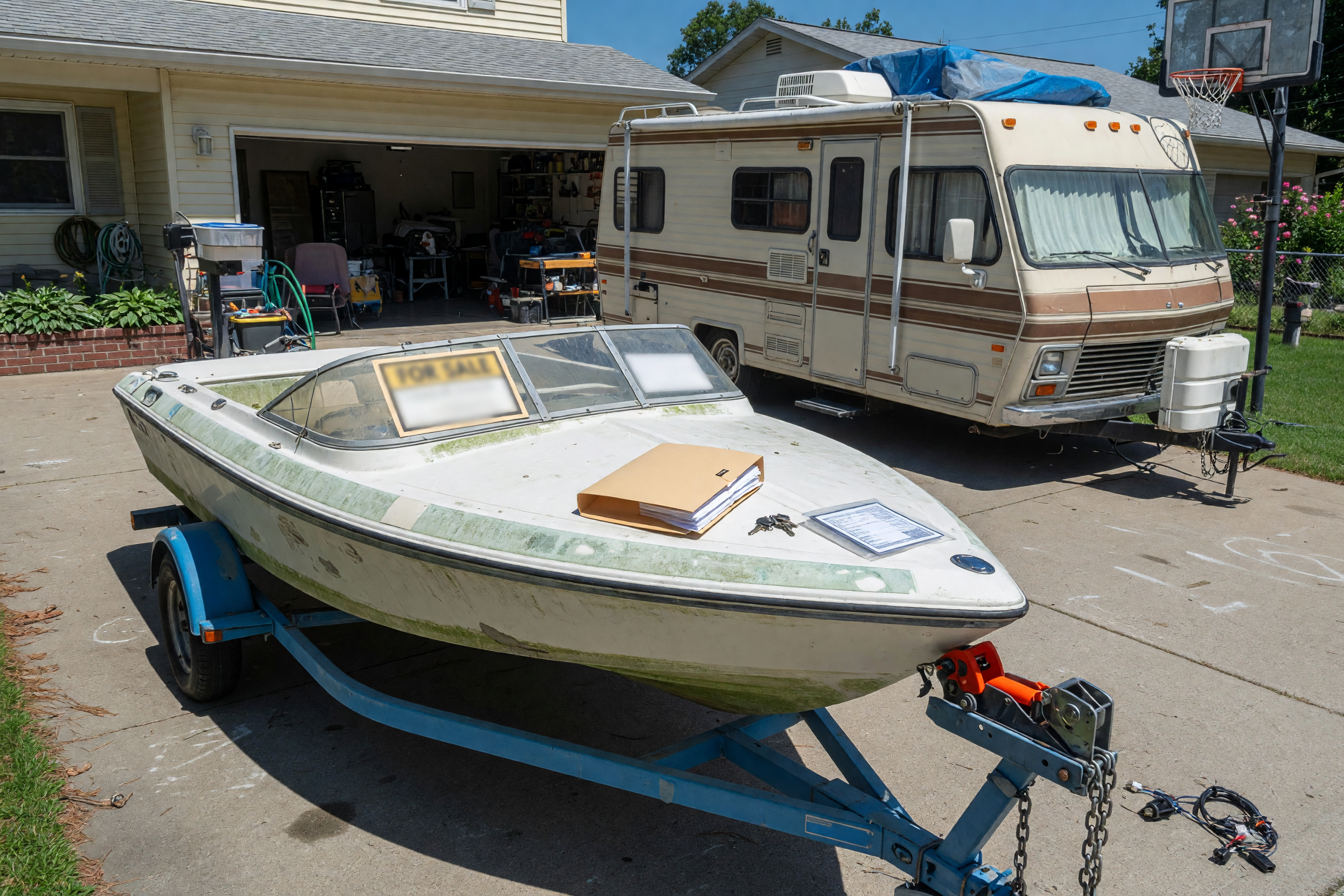
Before you write anything about condition or price, make the ownership story easy to follow. Buyers of boats and RVs worry about liens, missing paperwork, and name mismatches more than they worry about a few scratches. If the title is in your name, say so clearly. If there is a lien, a salvage history, or a rebuilt title, disclose it up front. That kind of honesty reduces wasted messages and makes your post feel serious from the first line.
Include the basics in a short, readable form: year, make, model, title status, and whether the unit is currently registered. For a boat, mention the hull identification number and trailer title if applicable. For a camper or motorhome, note if the title covers the vehicle and any separate equipment. This level of detail helps buyers compare listings and makes it easier to vender camper local because people can quickly decide if the unit fits their needs and paperwork comfort level.
Lead with the storage situation
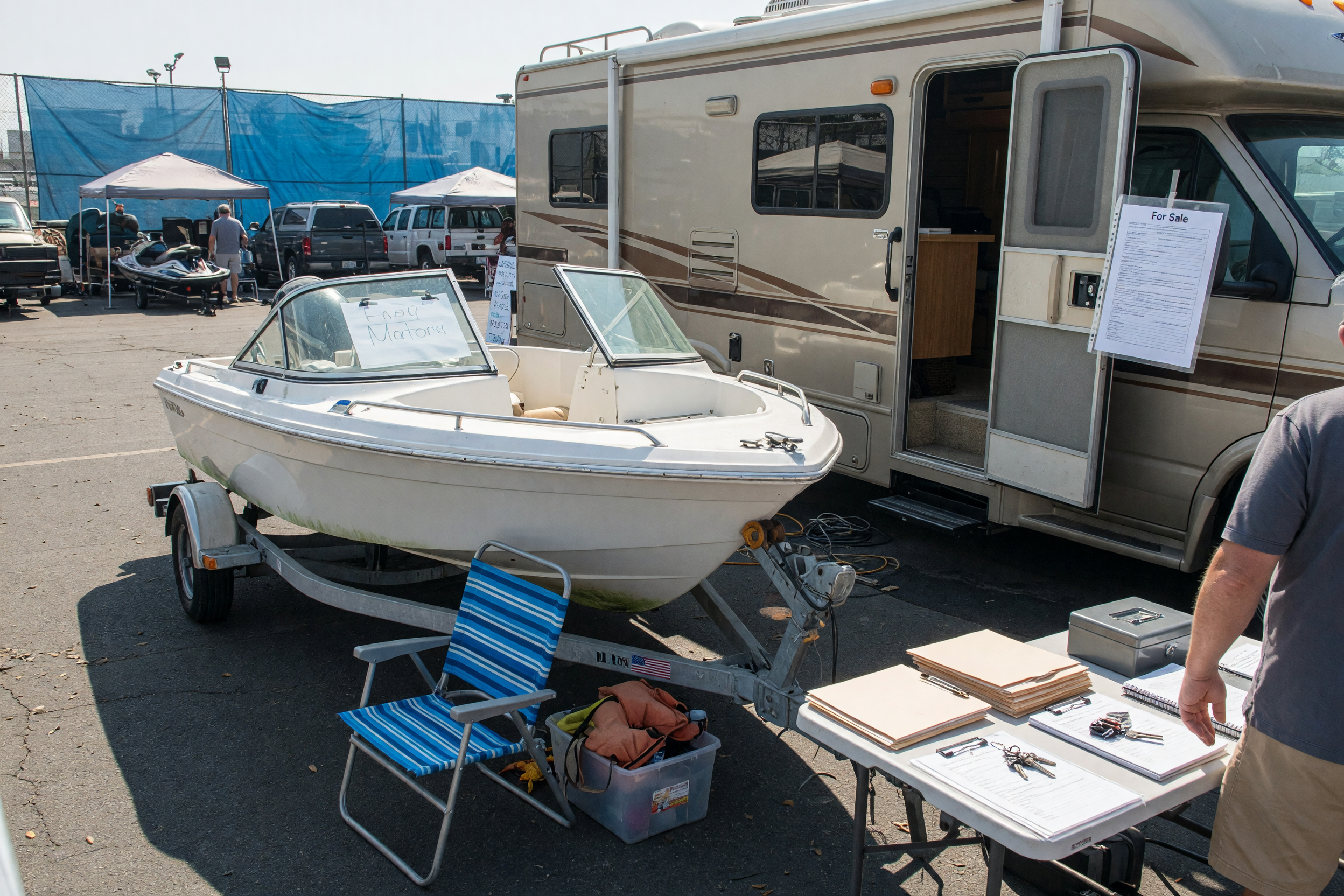
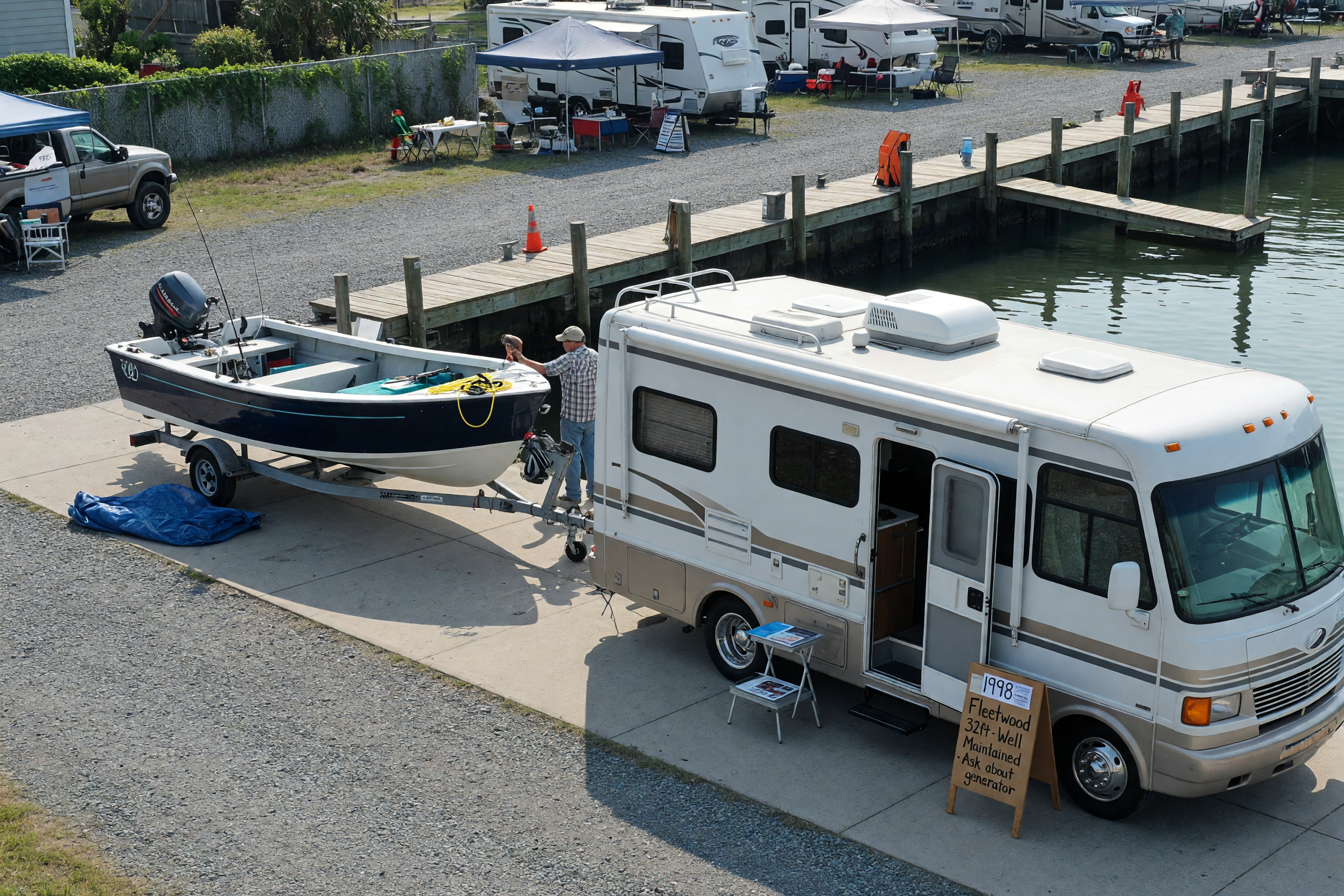
Storage is a major part of the buying decision for boats and RVs because moving the vehicle is often the first real challenge. Tell buyers exactly where the item is stored, whether it is indoors, covered, or exposed, and whether they can inspect it on-site. If the boat is on a trailer, say whether the trailer is roadworthy and ready to tow. If the RV has been parked for a while, explain how long it has been stationary and whether it starts, rolls, or needs transport.
This information matters because storage conditions affect condition, convenience, and risk. A dry, covered boat usually suggests less wear than one left in the sun and weather. A camper stored near home may be easier to view than one in a remote lot. The more precise you are, the easier it becomes for a local buyer to plan the visit. In a RV de dueño listing, clear storage details often do more to build trust than a long sales pitch.
Check all major systems before you post
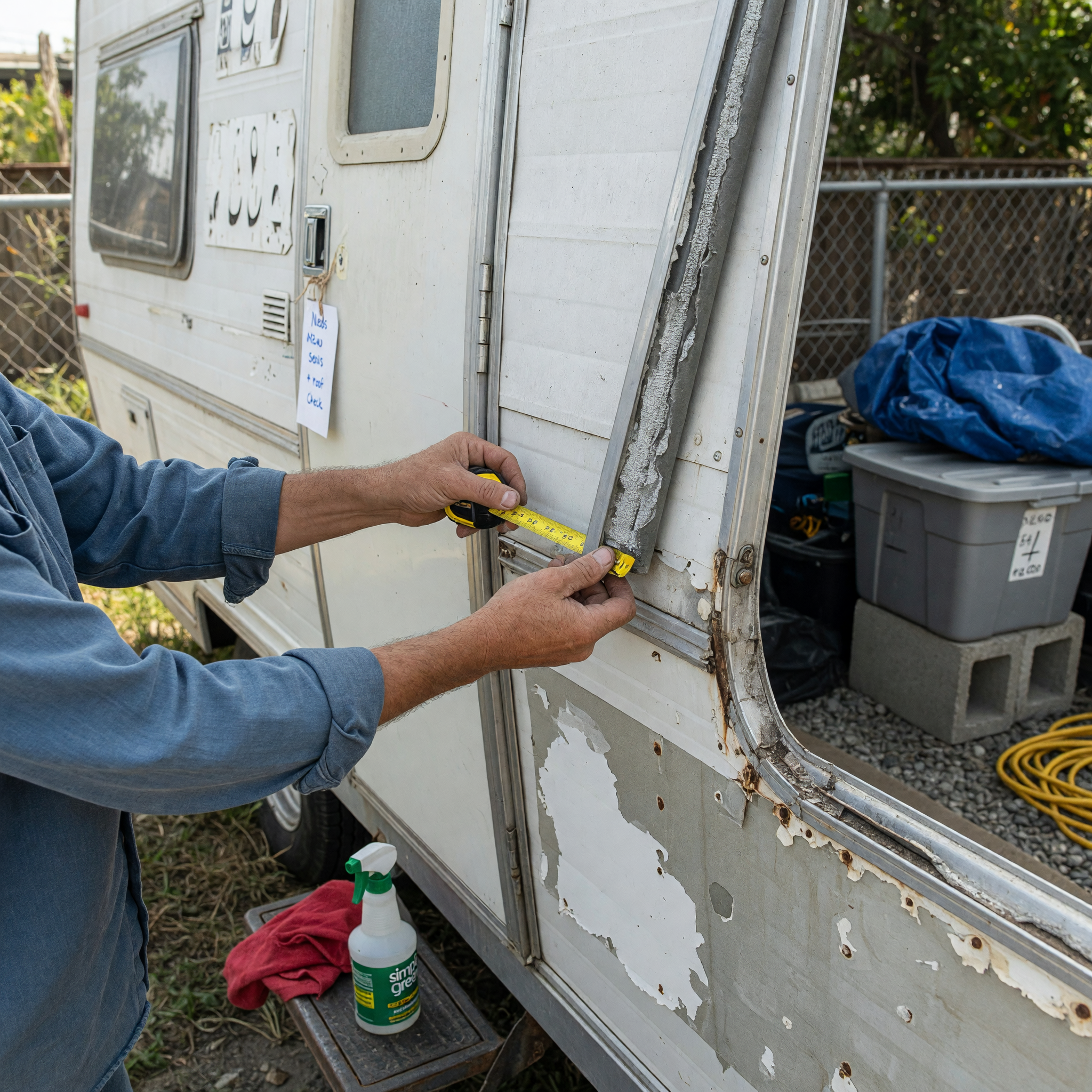
A strong boat or RV listing should include a quick systems review. Buyers want to know what works, what has been serviced, and what needs attention. For boats, focus on the engine, batteries, bilge pump, steering, navigation lights, fuel system, and trailer lights if included. For RVs and campers, cover the engine or tow package, generator, propane system, water pump, toilets, air conditioning, heater, appliances, slides, and electrical hookups. If something is untested, say that clearly instead of guessing.
You do not need a mechanic-style report, but you do need enough detail to reduce surprises. A short checklist in the listing helps buyers understand the condition and saves you from repetitive questions. If you recently changed oil, replaced batteries, resealed windows, or serviced the trailer bearings, mention it. Those details make it easier to publicar casa rodante with confidence and show that the unit has been cared for, not just parked and forgotten.
Write the listing like a buyer is scanning it on a phone
Most local buyers skim first and read closely only if the post seems credible. That means the first few lines should do real work. Put the year, type, storage location, title status, and biggest system facts near the top. Avoid vague phrases like “great condition” unless you explain why. Instead, say “starts reliably,” “stored covered,” or “new tires last season.” Specific words help your post stand out in a crowded feed.
Use short paragraphs or simple bullet-like structure in plain text if the platform allows it. Separate ownership, storage, systems, and extras so readers can find the important parts quickly. Mention included accessories such as safety gear, covers, spare parts, manuals, or tow equipment. If you are trying to vender bote usado or vender camper local, the goal is not to sound polished; it is to sound clear, complete, and easy to trust on a first pass.
Price the vehicle with condition and friction in mind
Boats and RVs are rarely priced on condition alone. Buyers also factor in transport, maintenance risk, seasonal demand, and how much work they think they will inherit after the sale. If your title is clean, your storage is good, and your systems are well documented, you can justify a stronger price. If the item has been sitting, needs service, or has limited test options, expect buyers to discount for inconvenience as well as repair risk.
Research similar local listings, but compare more than just the asking price. Look at title status, whether the trailer is included, storage quality, and the clarity of the listing. A cheaper post that is vague may not actually be a better deal in the buyer’s mind. When you present the facts well, you make it easier for serious buyers to judge value and harder for casual shoppers to waste your time with low-quality offers.
Use Brixaz to make the post local and trustworthy
For a vehicle listing, local reach matters because most buyers want to inspect the item before deciding. On Brixaz, a strong post in the vehicles category should make location, access, and condition easy to understand right away. The marketplace flow is built for straightforward local discovery, so your job is to give enough detail that nearby buyers can move from interest to inspection without a long message chain.
Keep your listing focused on the facts that matter most for a boat or RV: title, storage, systems, and what comes with it. Add precise location context only as needed for viewing, not as a replacement for real condition details. That approach helps buyers trust the post and helps your listing stay useful even if someone is comparing several options at once. Clear structure is especially important when the item is high-value, transport-heavy, and likely to attract cautious shoppers.
Use listing assistant when that is the next step.
Frequently asked questions
What title details should I include in a boat or RV listing?
List the title status, your name on the title, any lien, and whether the title is clean, salvage, or rebuilt. If there is a trailer title or a separate document for equipment, mention that too.
Should I mention storage conditions in the post?
Yes. Say whether the boat or RV is indoors, covered, or exposed, and where buyers can inspect it. Storage details help buyers judge condition and plan a viewing.
What systems should I check before I publish the listing?
Check the main mechanical and utility systems for the type of vehicle you are selling. Boats should cover engine, batteries, and lights; RVs should cover power, water, propane, appliances, and climate control.
How detailed should I be if something does not work?
Be direct and specific. Name the system, describe the issue, and say whether it is untested or known to need repair. Clear disclosure reduces bad leads.
Can I still attract buyers if the RV or boat needs work?
Yes, if the listing is honest and organized. Buyers often accept repairs when they can see the title status, storage setup, and system condition without guessing.



Comments
Loading comments...
Checking sign-in status...