
How to List a Used Refrigerator So Buyers Can Plan Pickup
The measurements, photos, pickup wording, and pricing signals to put in a used refrigerator listing so serious local buyers can plan pickup and show up ready.
ARTICLE LANGUAGE
Showing original language
A used refrigerator is one of the easiest big items to sell locally and one of the easiest to bungle. Buyers are not just deciding whether they want a fridge. They are quietly asking a second question: Can I actually get this thing out of your kitchen and into mine? When your listing answers that question up front, the right buyer messages you ready to commit. When it doesn't, you get a stream of "still available?" messages, no-shows, and one panicked person standing in your doorway realizing the unit won't fit through it.
This guide walks through exactly what to put in a used refrigerator listing so a buyer can plan pickup before they ever message you: the measurements that matter, the photos that build trust, the pickup wording that filters out flakes, and the pricing signals that stop lowballs. Whether you're upgrading, moving, or clearing out a garage unit, you can post a clean listing today on Brixaz sell-used and have serious buyers lined up by the weekend.
Why refrigerator listings live or die on pickup details
Most furniture and electronics sell on looks and price. A refrigerator sells on logistics. It's heavy, it's tall, it needs a truck or a van, and it has to fit through two sets of doorways plus whatever stairs or turns are between the curb and the kitchen. A buyer who can't picture the pickup working will scroll past a perfectly good fridge — not because they don't want it, but because you made them do the math and they gave up.
Here's the Brixaz-specific insight worth remembering: on a direct-contact marketplace, the buyer messages you, not a support queue. That's an advantage, but it means every unanswered question in your listing becomes a message you have to type back manually. A refrigerator listing that already states the width, the door-swing side, the pickup window, and "must bring your own help" pre-answers the five questions that would otherwise eat your evening. The listing does the qualifying so you don't have to.
The exact measurements buyers need before they commit
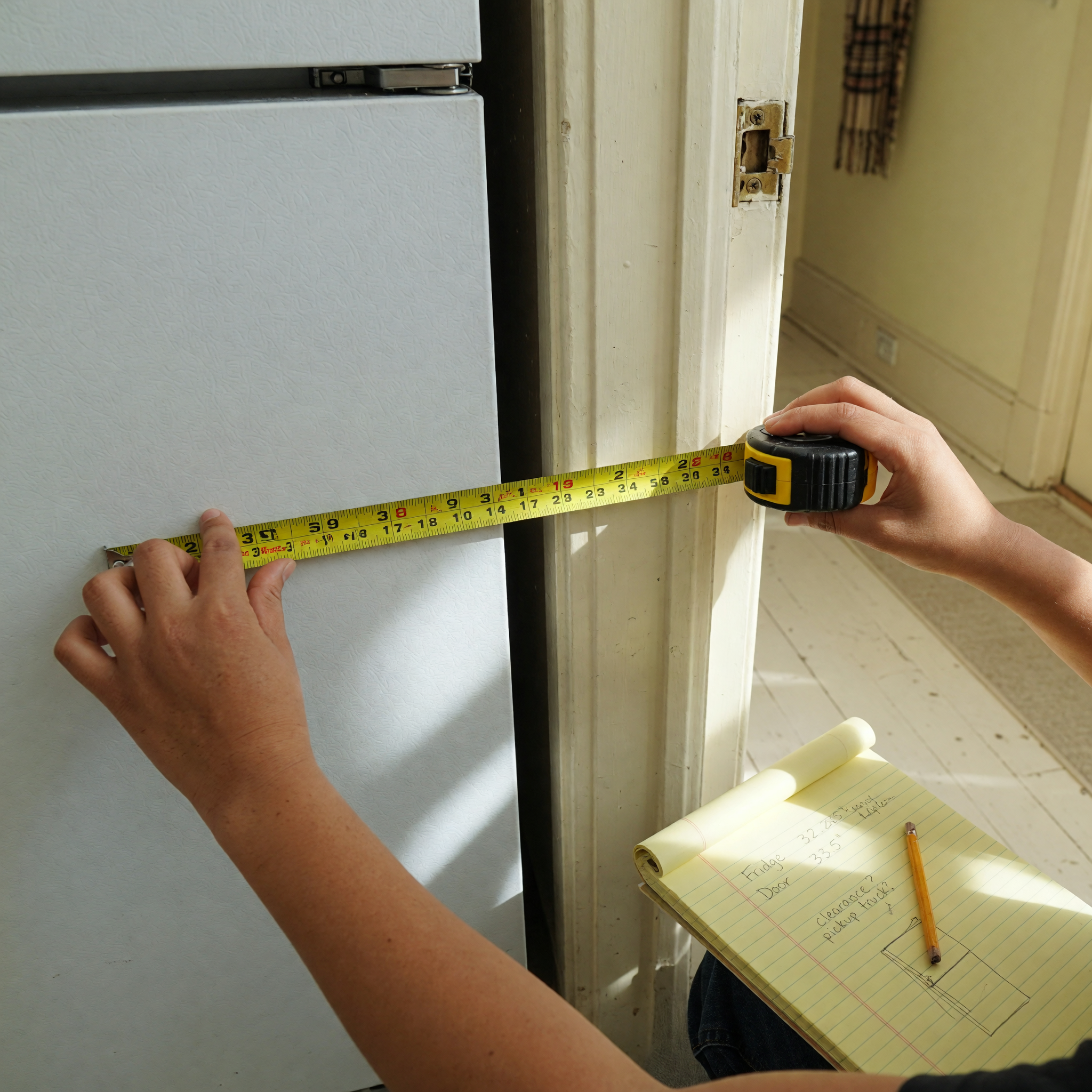
Appliance buyers are measuring a specific gap in their kitchen. Give them numbers, not adjectives. "Full size" and "big" mean nothing when someone is trying to slot a unit into a 30-inch cabinet cutout. Measure the unit yourself with a tape and write the real figures.
Capture these fields and put them directly in the listing body:
- Height — floor to the top of the cabinet (note if hinges or a top handle add height).
- Width — side to side, and separately note the width with doors open if it's a French-door or side-by-side.
- Depth — front to back including the door and handles; call out if it's counter-depth or standard.
- Door swing — which side the door is hinged on, and whether the hinge is reversible.
- Configuration — top-freezer, bottom-freezer, side-by-side, French door, or mini/compact.
- Power — standard 120V plug, and whether it needs a water line for the ice maker.
Bad vs better: refrigerator listing copy that gets replies
The difference between a listing that stalls and one that sells is usually specificity. Compare these two openers for the same unit:
| Weak listing | Better listing |
|---|---|
| "Fridge for sale. Works great. $150 OBO. Message me." | "Whirlpool top-freezer fridge, white, ~28"W x 66"H x 30"D. Cools cold, clean inside, no dents on front. $150 firm. Pickup only, ground-floor garage, easy load. Bring help + a truck." |
| Buyer has to ask: size? color? does it fit? can I get it out? is the price real? | Buyer already knows if it fits their space and their truck, and whether the price is negotiable. |
The better version isn't longer for the sake of it — every extra word removes a reason to hesitate or a message you'd have to answer. If you want help turning your rough notes into clean copy like this, the Brixaz listing assistant can structure the details into a scannable listing in a couple of minutes.
The photo checklist that builds appliance trust
Refrigerators are sold used all the time with hidden problems — a freezer that frosts over, a seal that's torn, a compartment full of mystery smell. Good photos are how you prove yours isn't one of those. Shoot in daylight, wipe the unit down first, and cover these shots:
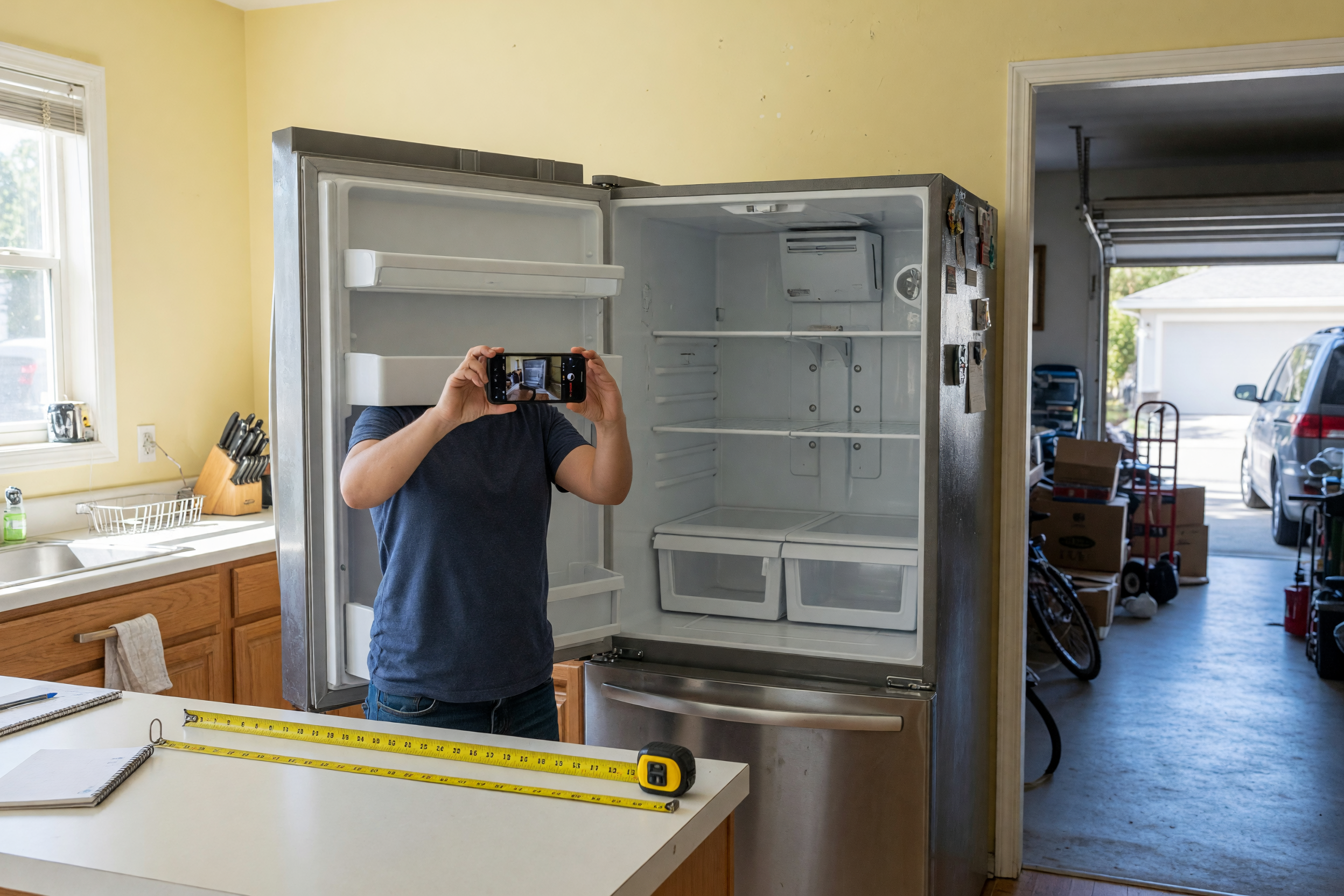
- Full front, doors closed — the "hero" shot, straight on, whole unit in frame.
- Doors open — clean, empty shelves and drawers; this is the trust shot.
- The freezer compartment — buyers specifically want to see it's not iced over.
- Any flaws, honestly — a dent, a scratch, a missing shelf. Showing it builds credibility and prevents pickup arguments.
- The model/spec sticker — usually inside the door; lets buyers look up specs themselves.
- It running — a shot of the interior light on or a thermometer reading, if you can.
Empty, clean, and well-lit beats a staged-but-full fridge every time. The single most reassuring photo is open doors with bare, wiped-down shelves.
Pickup wording that filters flakes before they message
This is where you save yourself the most hassle. Vague pickup terms invite people who "might swing by sometime." Specific terms attract people who show up with a truck and cash. Spell out the logistics in plain language:
- Where it is: "Ground-floor garage, one step to the driveway" or "Second-floor apartment, one flight of stairs, no elevator." Stairs change everything — say so.
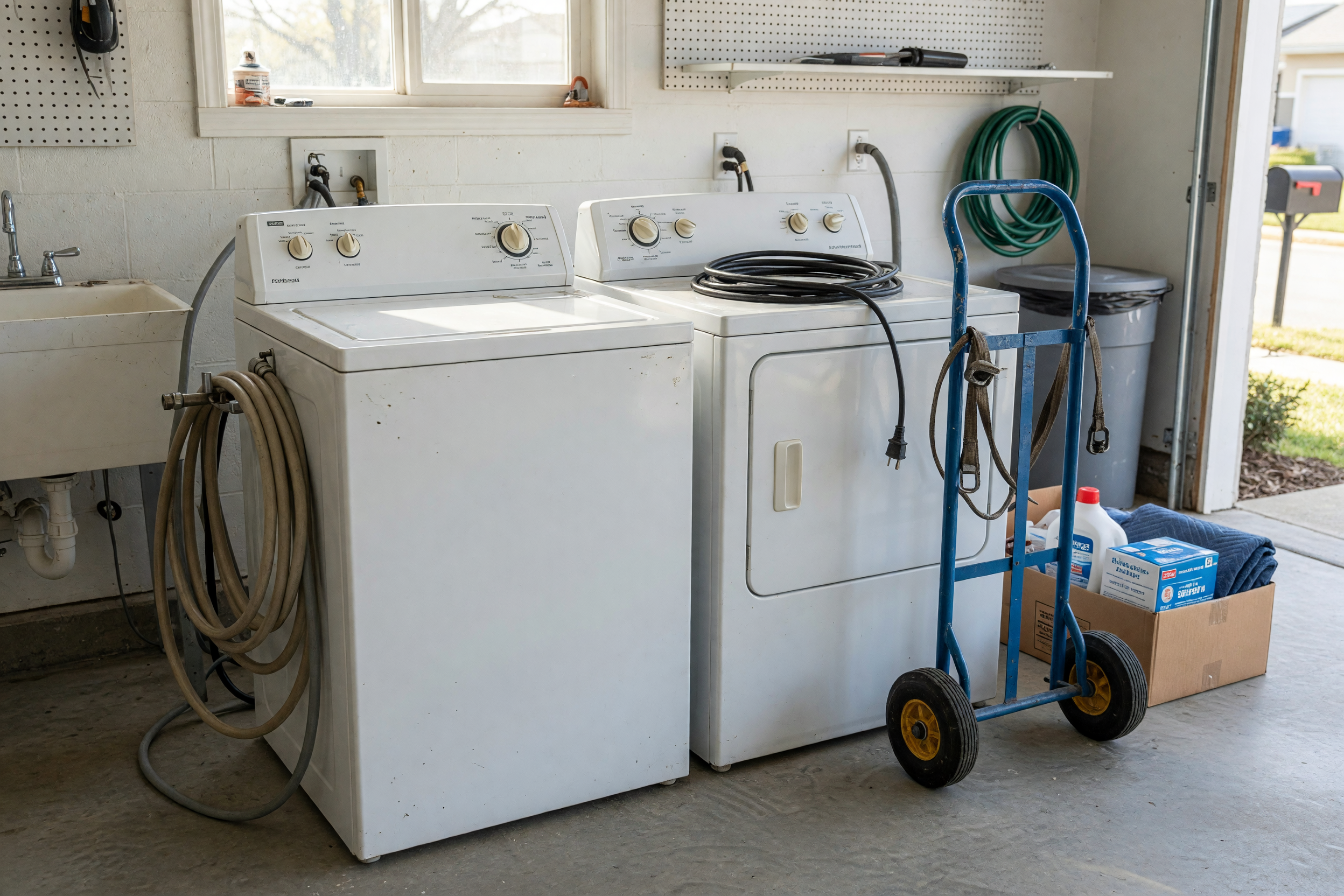
- What they must bring: "Bring at least two people and your own dolly/straps. It's heavy." Do not offer to help lift it down stairs unless you mean it.
- Vehicle: "Needs a truck or cargo van — will not fit in a sedan or small SUV."
- Timing: Give a real window: "Pickup this Saturday or Sunday, 9am–6pm." A window filters better than "anytime."
- Payment and hold: "Cash on pickup. First to confirm a time gets it — I don't hold without a scheduled pickup."
One more practical note appliance buyers respect: let the fridge sit upright for a few hours after transport before plugging it back in, so the compressor oil settles. Mentioning it signals you actually know appliances, which builds trust in everything else you claimed.
Pricing signals that stop the lowballs
Used refrigerator prices swing on age, brand, condition, and configuration, so don't guess from a feeling. Anchor your number to what comparable units are actually listed for locally, then decide how firm you are. State the reasoning in the listing — "priced to move because I need the space by Sunday" or "firm, it's only two years old and works perfectly" — because a number with a reason gets far fewer lowball replies than a bare price with "OBO."
Before you set the figure, sanity-check it against similar local listings with the Brixaz price checker. If you're a reseller flipping appliances, run the numbers through the reseller fee calculator so pickup, cleaning, and your time are covered by the price. Whatever you land on, write "firm" or "OBO" clearly — leaving it ambiguous just guarantees every message opens with a number lower than yours.
If the refrigerator is working but you need it gone fast: free refrigerator pickup listing
If you are importing an existing appliance ad first: sell used appliances near me
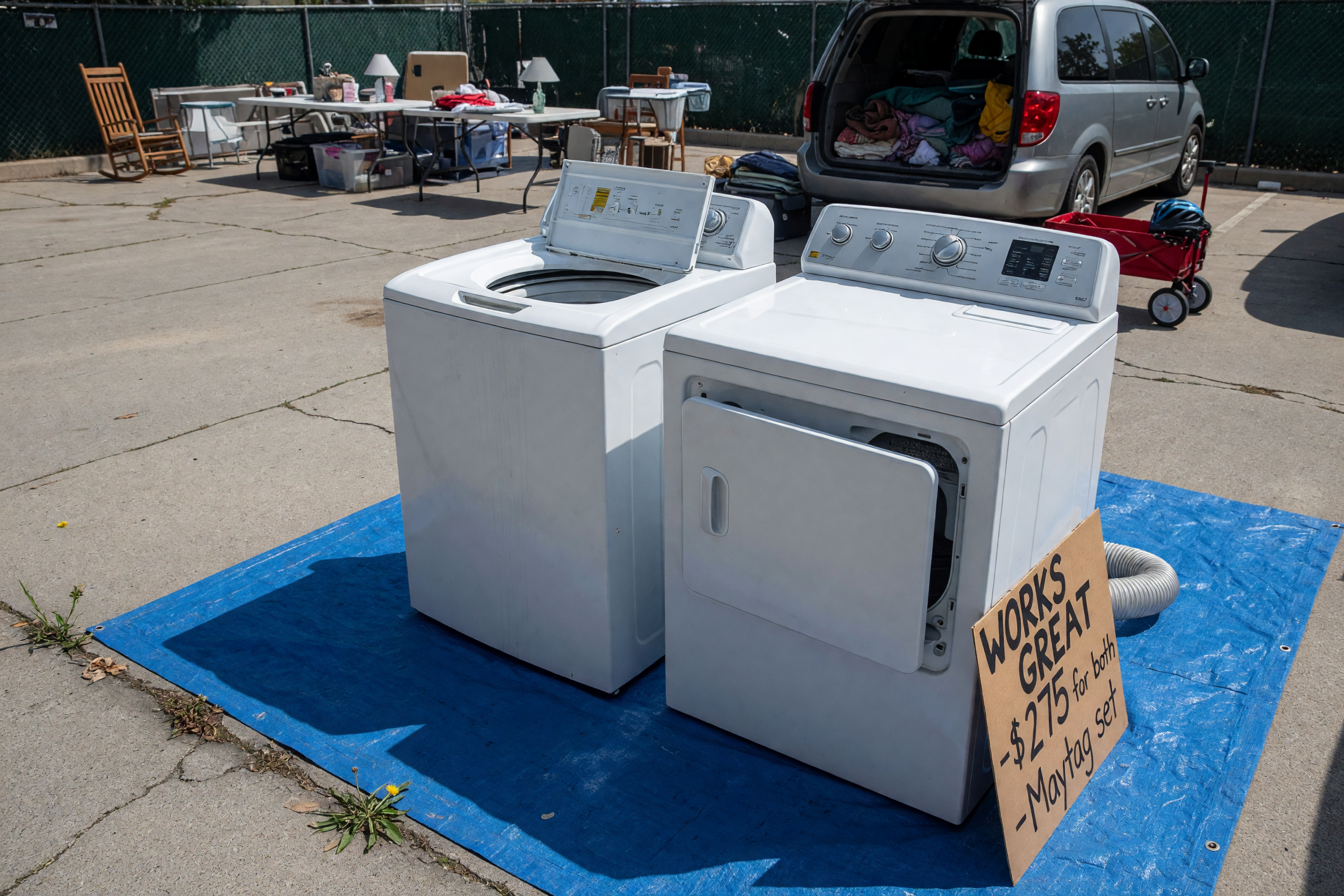
Guía relacionada: vender una nevera o lavadora usada localmente
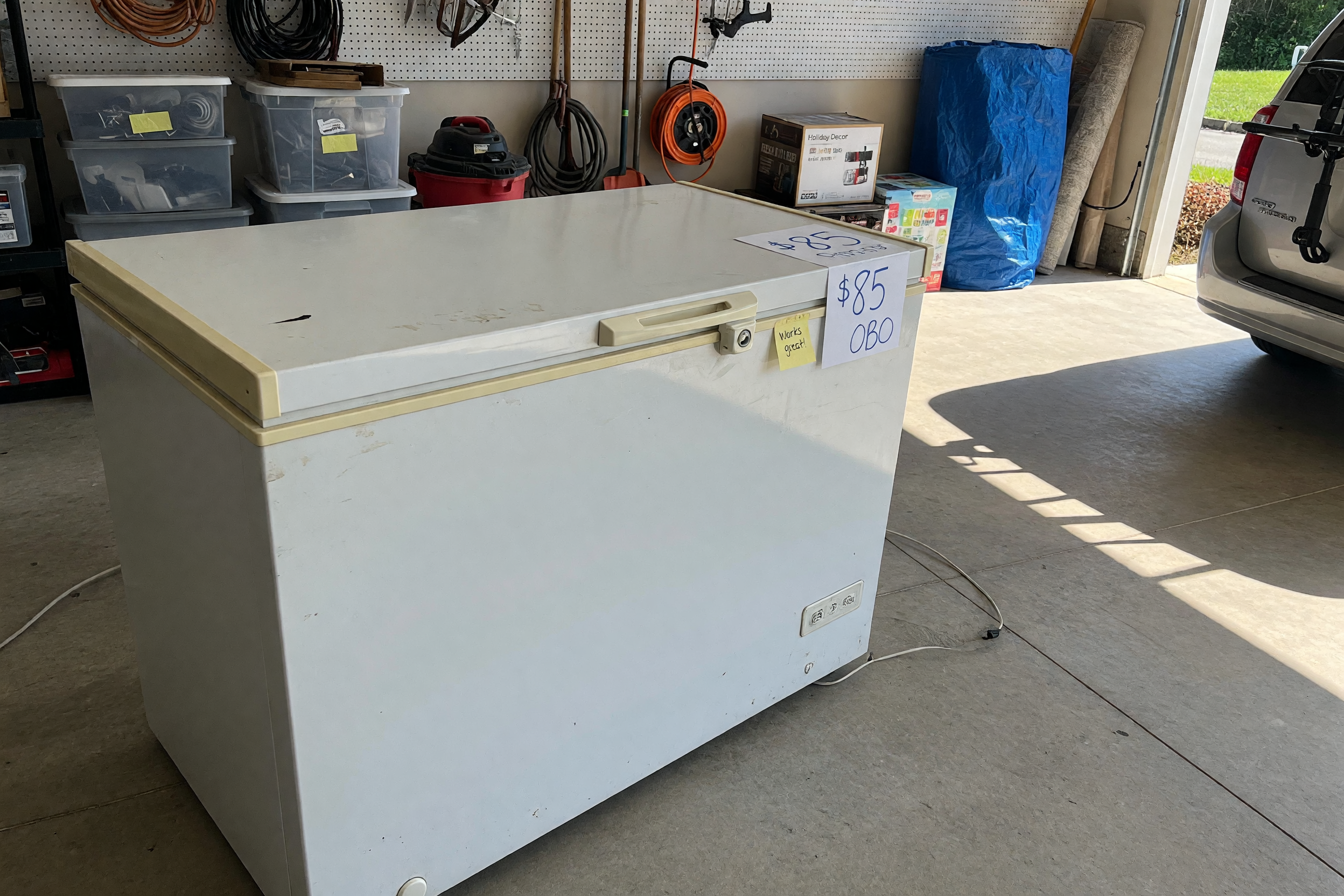
Related appliance listing guide: how to sell a used freezer locally
Frequently asked questions
What measurements should I include when selling a used refrigerator?
Include height (floor to top of cabinet), width (and width with doors open for side-by-side or French-door units), and depth including doors and handles. Also note the door swing side, the configuration (top-freezer, bottom-freezer, side-by-side, French door), and whether it needs a water line. Those numbers let a buyer confirm it fits their kitchen gap and their doorway before they drive over.
How do I keep buyers from asking "is this still available?" all day?
Pre-answer the common questions in the listing itself: size, condition, price firmness, pickup location, and what to bring. On a direct-contact marketplace the buyer messages you personally, so every detail you include is one message you don't have to type back. A complete listing filters casual browsers and leaves you talking mostly to people ready to schedule.
Should I list pickup only or offer delivery?
Most private sellers list pickup only, and that's fine — just say so clearly and describe the path from the unit to the curb, including stairs. If you're willing to deliver for a fee, state the radius and price ("local delivery within 10 miles for $40"). Ambiguity is what causes no-shows, so pick one and write it plainly.
How should I price a used refrigerator so I don't get lowballed?
Anchor to comparable local listings rather than the original retail price, factor in age and condition, and state whether the price is firm or OBO with a short reason. A number backed by a reason ("two years old, works perfectly, firm") draws far fewer lowball offers than a bare price. Use a price checker to confirm your figure is in the local range before posting.
Is it safe to sell a large appliance to a stranger for pickup?
Yes, with normal precautions. Meet during daylight, have another person home, keep the transaction in the garage or driveway rather than deep inside your home, and take cash on pickup before the unit leaves. Require the buyer to bring their own help and equipment so you're never lifting a heavy unit down stairs for someone you just met.
What if my fridge has a flaw — should I hide it?
Never hide it — photograph it. A visible dent, a missing shelf, or a small scratch shown honestly in the listing builds credibility and prevents arguments at pickup. Buyers expect used appliances to have wear; what they won't forgive is discovering a problem you concealed after they've loaded it onto a truck.

Comments
Loading comments...
Checking sign-in status...