
Chicago Room Rental Listing Template for Better Replies
Use this Chicago room rental listing template to show rent, location, photos, rules, and move-in details clearly before renters message.
ARTICLE LANGUAGE
Showing original language
A good Chicago room rental listing does not need fancy language. It needs to answer the questions a serious roommate or renter will ask before they message: where the room is, what the monthly cost includes, when it is available, who the home fits, and what happens next. If those details are missing, you get short replies like “still available?” from people who may not match the room. If those details are clear, you give qualified renters a reason to write a real message.
This guide is for someone who can post a room today: a leaseholder looking for a roommate, a homeowner renting a spare bedroom, or a small landlord filling one room in a shared apartment. The examples are Chicago-specific because neighborhood, transit, parking, heat, laundry, and move-in timing all change how people evaluate a room. Use the template, tighten your photos, and make the next step simple.
Start With The Reply You Want
Before you write the listing, decide what a useful first reply should include. For a Chicago room, a good reply usually confirms move-in date, budget, work or school schedule, pets, smoking, parking needs, and whether the person has seen the commute from your neighborhood. Your listing should invite that kind of reply instead of forcing you to ask basic questions one by one.
Bad opening copy: “Room for rent in Chicago. Message me.” It is short, but it gives renters nothing to qualify themselves with.
Better opening copy: “Private room available August 1 in a two-bedroom apartment near Logan Square. $925 monthly, utilities usually split with one roommate. Best fit for one person who wants a quiet home, no smoking indoors, and easy Blue Line access.”
The better version does not oversell. It simply gives the renter enough facts to decide whether the room belongs on their shortlist. That is the Brixaz-specific advantage of direct contact: when the listing is specific, the first message can move straight to fit, schedule, and viewing details instead of basic discovery.
Write A Title That Filters Before People Click
Your title should include the city or neighborhood, the room type, one major fit signal, and the timing or price when possible. Avoid titles that sound like ads. Chicago renters scan fast, and many are comparing rooms across neighborhoods, commute paths, and lease dates.
Use a plain title formula:
Private room in [neighborhood], [monthly rent], [availability or strongest detail]
Examples that work:
- Private Room in Pilsen, $850, Available August 1
- Furnished Room Near Loyola, Utilities Included
- Room in Logan Square Apartment, Blue Line Nearby
- Quiet Room in Bridgeport House With Laundry
Skip vague phrases like “great deal,” “must see,” or “perfect location.” If the room is near transit, say which line or bus area in general terms. If it is furnished, say so. If there is a private bathroom, mention it. If the room is for one person only, say that in the body so couples or groups do not waste your time.
Show The Room, Shared Spaces, And Move-In Facts
A room listing is not only about the bedroom. People are deciding whether they can sleep, work, cook, shower, store things, and commute from the place. Your photos and details should cover the full daily experience without exposing private information.
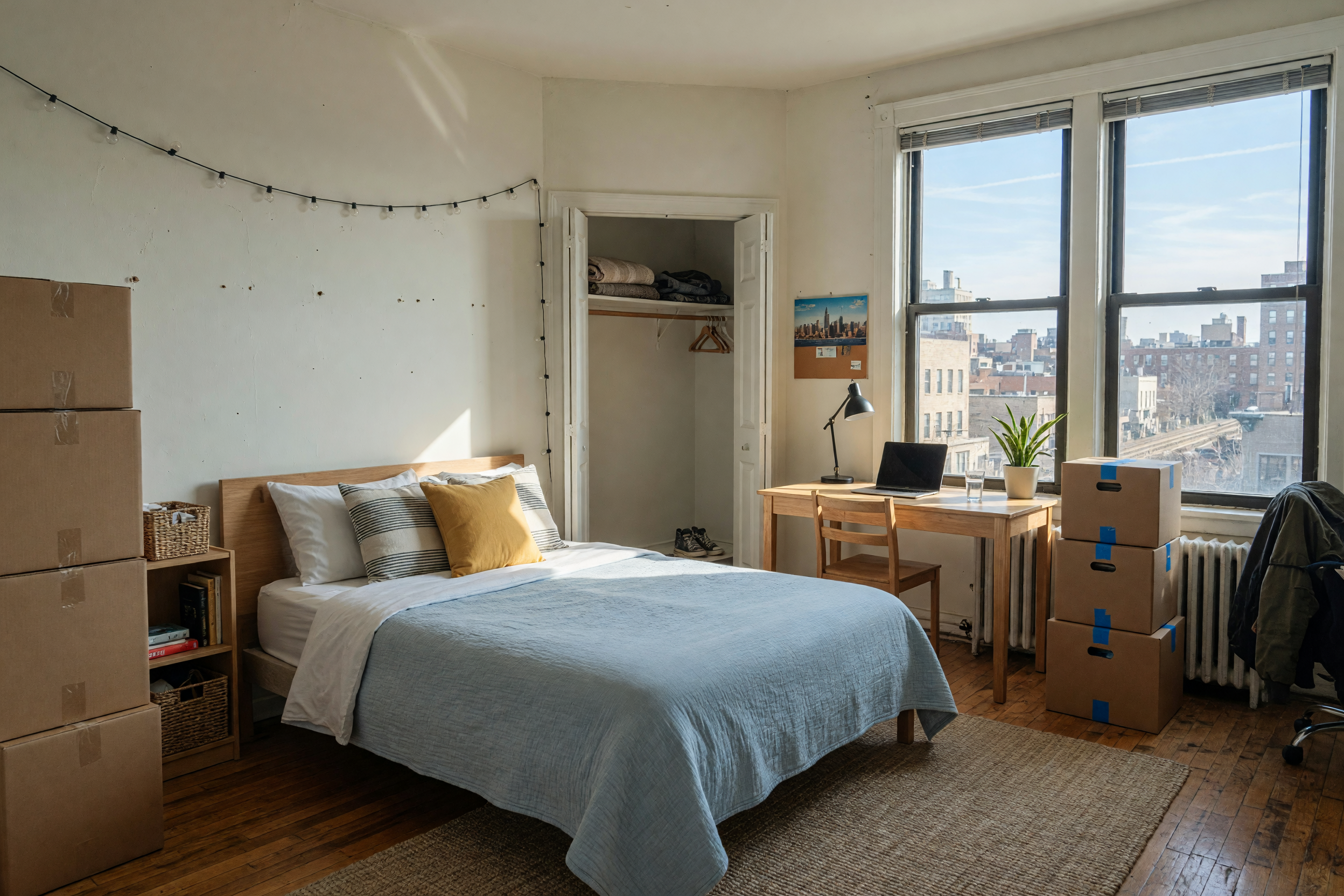
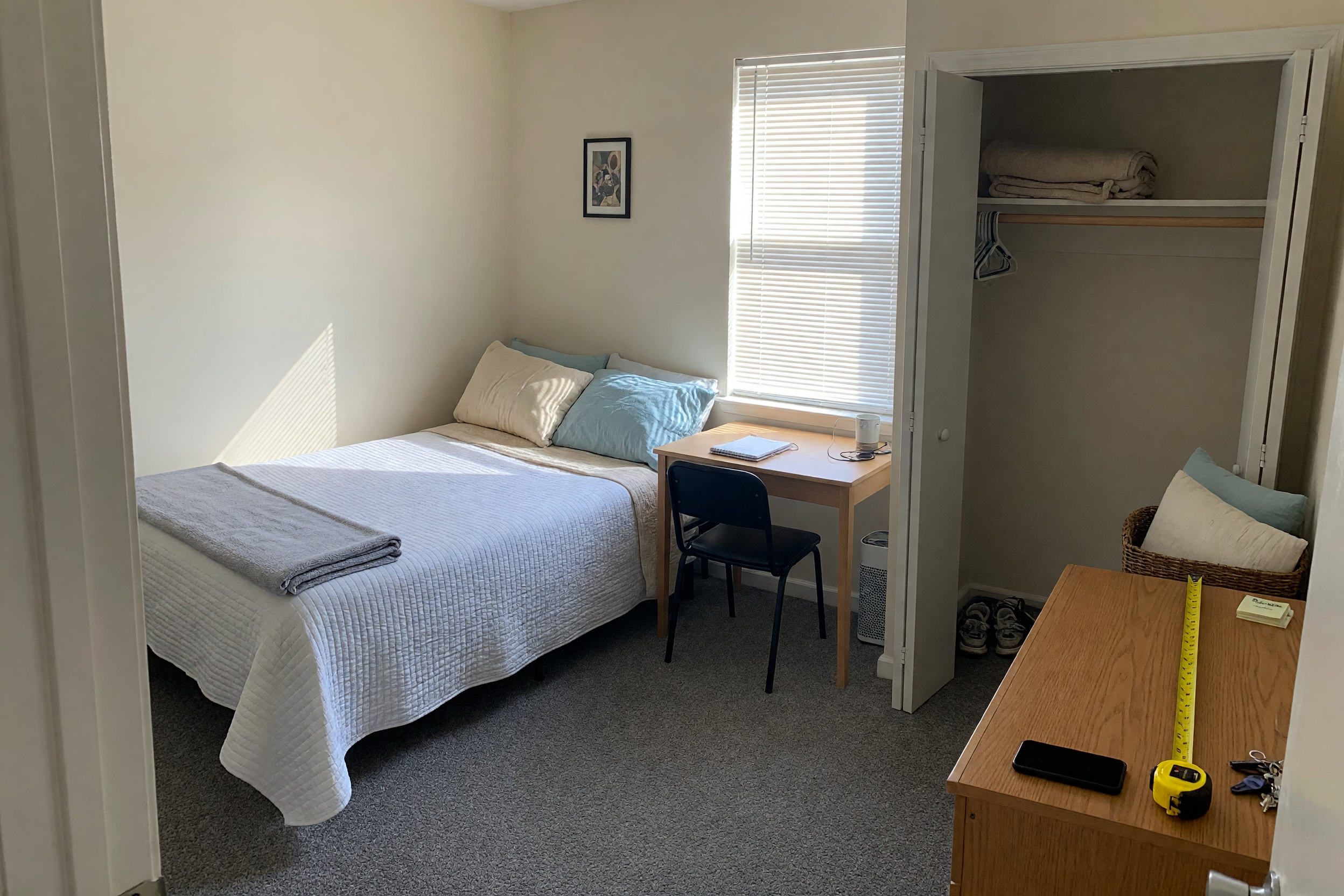
Take photos in daylight if possible. Show the room from two corners, the closet or storage area, the window, the shared kitchen, the bathroom, and the entrance or hallway only if it helps explain access. Do not include mail, apartment numbers, personal documents, valuables, or identifiable faces. If the room is currently occupied, remove personal items or wait until it can be photographed cleanly.
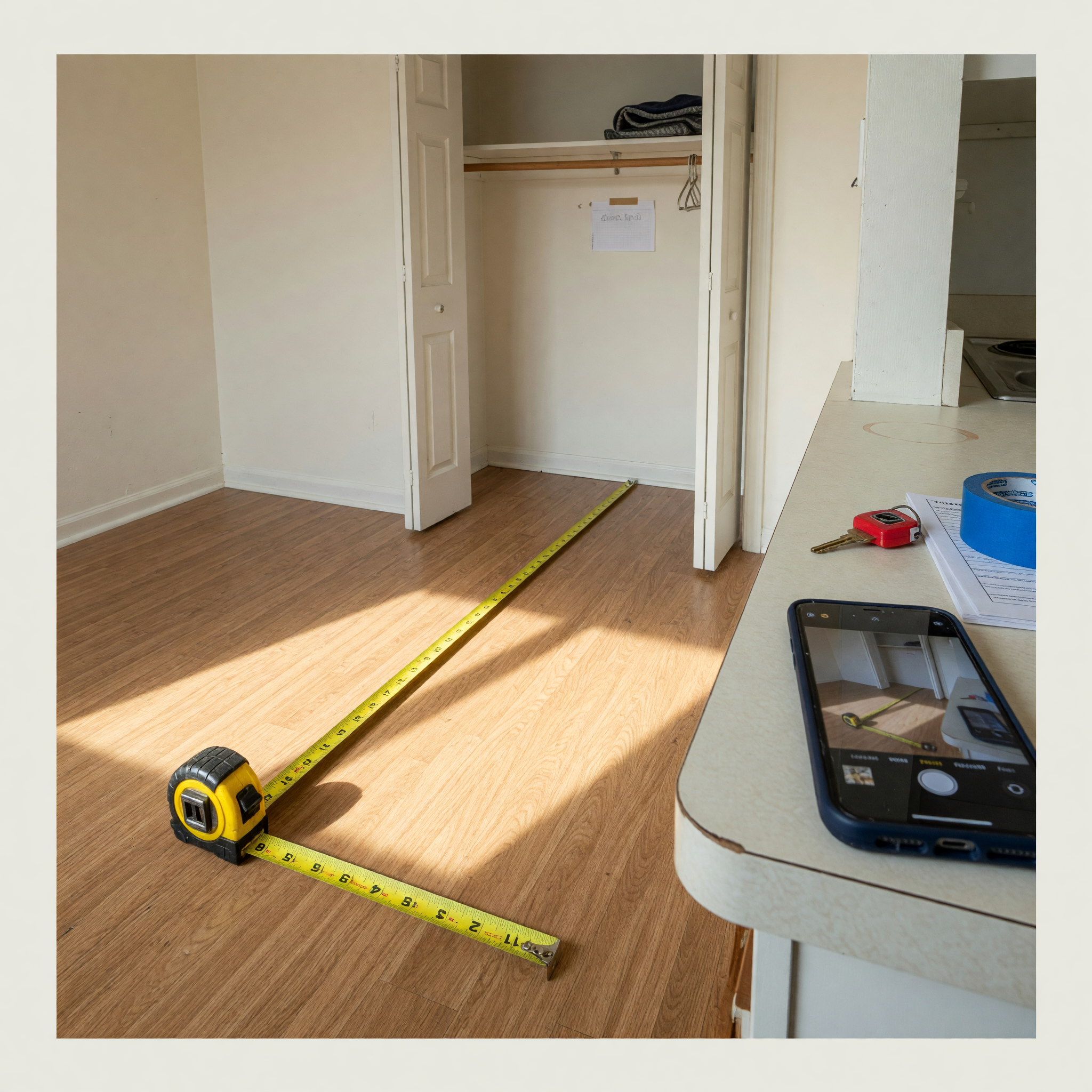
Use measurements instead of adjectives. “Fits a full bed and desk” is better than “big room,” but exact details are stronger: “Room is about 10 by 12 feet, with a 5-foot closet and one west-facing window.” If you do not know the exact square footage, say “about” and measure wall-to-wall with a tape measure. Renters understand that older Chicago apartments are not always perfect rectangles.
Also make the move-in cost clear. List monthly rent, security deposit or move-in fee if applicable, utilities, internet, laundry, parking, and the earliest move-in date. Do not invent average utility costs if you are not sure. Instead say, “Gas and electric are split monthly; I can show recent bills during the viewing.” That is more trustworthy than a number you cannot back up.
Use Chicago Details That Actually Matter
Chicago room searches are heavily shaped by neighborhood fit and commute. A renter may love the room but pass if parking is unrealistic, the train walk is too long, or winter heat is unclear. You do not need to share an exact address in the public listing. You do need to give enough location context for the right person to respond.
Useful Chicago details include:
- Neighborhood or nearby cross streets, without publishing the unit number.
- Nearest CTA line, Metra line, or bus corridor if that is a selling point.
- Street parking expectations, permit zone notes, or garage availability.
- Laundry setup: in-unit, building, laundromat nearby, or no laundry.
- Heat and air conditioning basics, especially in older buildings.
- Stairs, elevator access, and whether the room is in a garden, walk-up, or high-rise unit.
If you want the listing to be discoverable from the local marketplace side, connect it to the right city path. A Chicago room belongs near Chicago local listings, and housing supply can also be discovered through the broader housing section. Clean category choice matters because a renter searching housing should not have to sort through furniture, services, or general classifieds to find a room.
Set House Rules Without Sounding Hostile
House rules are not the same as a personality test. The goal is to make boundaries visible so mismatched renters opt out early. Keep rules factual, lawful, and tied to the home. Avoid language that judges people or creates confusion about protected characteristics. If you are unsure what you can ask or require, keep the public listing focused on occupancy, lease terms, shared-space expectations, and logistics.
Bad rule copy: “No drama, no weird people, must be normal.” It tells serious renters nothing and makes the home sound unpredictable.
Better rule copy: “Quiet hours after 10 p.m. on weeknights, no smoking indoors, kitchen cleaned after use, and overnight guests discussed in advance because the apartment is shared.”
Be equally clear about pets. Say whether pets are allowed by the lease, whether there are already pets in the home, and whether pet fees or approvals apply. If you cannot accept pets, write it plainly: “Building lease does not allow additional pets.” That is stronger than “prefer no pets,” which invites negotiation when the answer is fixed.
For safety, keep the first public listing at neighborhood or cross-street level. Share the exact address only after you have screened the person enough to schedule a viewing. When showing the room, use normal precautions: meet when another adult can know your schedule, avoid sharing sensitive documents through random messages, and do not accept overpayment or complicated payment stories.
Copy This Chicago Room Listing Template
Use this as a working template, then remove anything that does not apply. The best listing is specific without becoming a diary.
| Listing field | What to write | Example |
|---|---|---|
| Title | Neighborhood, room type, rent, timing | Private Room in Albany Park, $800, Available Sept. 1 |
| Room basics | Size, closet, furniture, window, bathroom access | About 10 by 11 feet, unfurnished, closet, shared bath |
| Monthly cost | Rent, deposit or fee, utilities, internet | $800 rent; utilities split; internet included |
| Location | Neighborhood, transit, parking, cross-street context | Near Kimball Brown Line; permit street parking nearby |
| Home setup | Roommates, laundry, stairs, pets, smoking | Two roommates, building laundry, no smoking indoors |
| Next step | What to include when replying | Send move-in date, schedule, pet needs, and viewing times |
Here is a complete sample:
“Private room available September 1 in a shared Albany Park apartment near the Brown Line. Rent is $800 monthly. Utilities are split with two roommates; internet is included. The room is about 10 by 11 feet, unfurnished, with a closet and one window. Shared kitchen and bathroom, building laundry, and street parking nearby. Best fit for one person looking for a quiet weeknight home. No smoking indoors. Please reply with your move-in date, typical schedule, pet needs, and two times you could view the room.”
If you already wrote the description somewhere else, you can tighten it before posting with the Brixaz listing assistant. Keep the final version direct. Renters do not need a sales pitch; they need facts they can trust.
Post Where Renters Can Act On The Listing
Once the listing is clear, make it easy for a Chicago renter to respond. Choose the housing category, keep the title specific, and use the first paragraph for the facts that determine fit: rent, availability, neighborhood, room type, and core house rules. If your listing starts with a story, move that story lower or remove it.
When you post on Brixaz, use the rental intent so the form and discovery path match what you are offering. A room listing should start from a prefilled rental post, not a generic item-for-sale flow. That helps the listing land in the right place and gives renters a clearer route from search to direct contact.
Before you publish, read the listing like a stranger. Can they tell whether the room is available for their date? Can they estimate total monthly cost? Can they understand the commute area without getting the exact address? Can they write one useful message instead of five short questions? If yes, the listing is ready.
If the room is furnished, add these extra details before publishing: furnished room for rent rules and utilities
Room posts in any city need clear costs before renters message: room rental checklist for utilities and rules
FAQ
What should I put in a Chicago room rental listing first?
Put the rent, availability date, neighborhood, room type, and top fit details first. A renter should know within a few seconds whether the room could work for their budget, commute, and move-in timing.
Should I include the exact address in the public listing?
No. Use the neighborhood, nearby cross streets, or transit context in the public listing. Share the exact address only when you are ready to schedule a viewing with a qualified person.
How many photos does a room listing need?
Use enough photos to explain the room and shared spaces: two bedroom angles, closet or storage, kitchen, bathroom, and laundry or entry details if relevant. Quality matters more than volume.
What renter questions should my listing answer?
Answer cost, utilities, deposit or fee, move-in date, lease length, roommates, pets, smoking, laundry, parking, transit, and what the renter should send in the first reply.
How do I avoid unqualified roommate replies?
Ask for specific reply details: move-in date, typical schedule, budget confirmation, pet needs, parking needs, and two viewing windows. Serious renters can answer those quickly.
Can I post a furnished room differently?
Yes. Say exactly what furniture is included, what can be removed, and whether the room has storage. Photograph the furniture clearly and mention mattress size if a bed is included.
Comments
Loading comments...
Checking sign-in status...