
How to Sell a Commercial Truck by Weight, Hours, Inspection, and Use
If you want to vender camión comercial or publish a work truck listing that gets real replies, the details matter. This guide shows how to present weight, hours, inspection history, and use clearly for a stronger local s

ARTICLE LANGUAGE
Showing original language
If you can post today, start on vehicles and keep the listing specific enough that a local buyer can decide fast.
Use why early listings matter if you want the no-fee, direct-contact trade-off in plain words.
Start with the truck’s exact job and configuration
Buyers of commercial trucks do not want a vague story. They want to know what the truck did, what it was built to carry, and how it was used day to day. Start by naming the body style, axle setup, fuel type, transmission, bed or box type, and any commercial equipment installed. If the truck hauled tools, cargo, food, landscaping material, or construction supplies, say so directly. That context helps people decide whether the truck fits their work and whether the wear makes sense.
Be clear about the truck’s intended duty cycle. A local buyer comparing two listings will often choose the one that explains whether it ran short routes, long highway trips, stop-and-go deliveries, or heavy site work. If you want to publish a truck listing that looks professional, this is the first trust signal. It also makes your listing easier to find because searchers often use phrases like vender camión comercial, publish a work truck, or local truck sale when they are looking for a vehicle that can return to work quickly.
List weight ratings and carrying limits accurately
Weight matters because it tells buyers what the truck can legally and safely do. Include the gross vehicle weight rating, payload capacity, curb weight, and trailer rating if applicable. If the truck has a scale ticket, door sticker, or manufacturer plate showing these numbers, mention where the buyer can verify them. Do not guess. A wrong number can create a bad impression and can even make a serious buyer walk away before asking anything else.
For commercial buyers, weight is more than a spec; it is a planning tool. They need to know whether the truck can handle the loads they move every week. If you upgraded suspension, added a service body, installed a liftgate, or changed tires to support heavier use, include that too. Those details help buyers understand how the truck was operated and whether it still meets their job requirements. A strong listing does not hide limits. It shows them honestly so the next owner can make a safe, local decision.
Show operating hours and mileage in context
Mileage alone does not tell the full story on a commercial truck. Hours can reveal whether the engine spent a lot of time idling, working at low speed, or doing repeated short trips. Include the current odometer reading and the engine hours if the truck has an hour meter or telematics record. When possible, explain the relation between the two. For example, a truck with moderate mileage but high idle time may show more wear on brakes, cooling, and accessories than the odometer suggests.
Put the numbers in plain language and avoid trying to make them sound better than they are. Buyers appreciate a listing that explains how the truck was actually used. If the vehicle ran as a delivery truck, municipal unit, tow vehicle, or service truck, note that because each role affects wear differently. When people search to sell a commercial truck locally, they are often trying to compare real operating history, not just price. Clear hours and mileage help them decide faster and reduce repetitive questions.
Use inspection records to prove condition
A commercial truck inspection history can do more to build confidence than a long description. Include the date of the most recent inspection, the type of inspection completed, and any important findings. If the truck passed, say it passed. If it needed repairs before approval, list the repaired items and whether documentation is available. Buyers do not expect perfection, but they do expect honesty and a record they can review.
When the truck has a maintenance log, summarize the most recent service items: oil changes, brake work, tire replacements, fluid flushes, battery changes, suspension repairs, or emissions-related service. Mention whether receipts are available. These details matter because they show routine care, not just current appearance. A used truck inspection story that includes dates and work performed feels much more credible than a vague statement like “well maintained.” For a local sale, that credibility shortens the buyer’s research path and makes your listing stand out from generic posts.
Describe real use, not just cosmetic condition
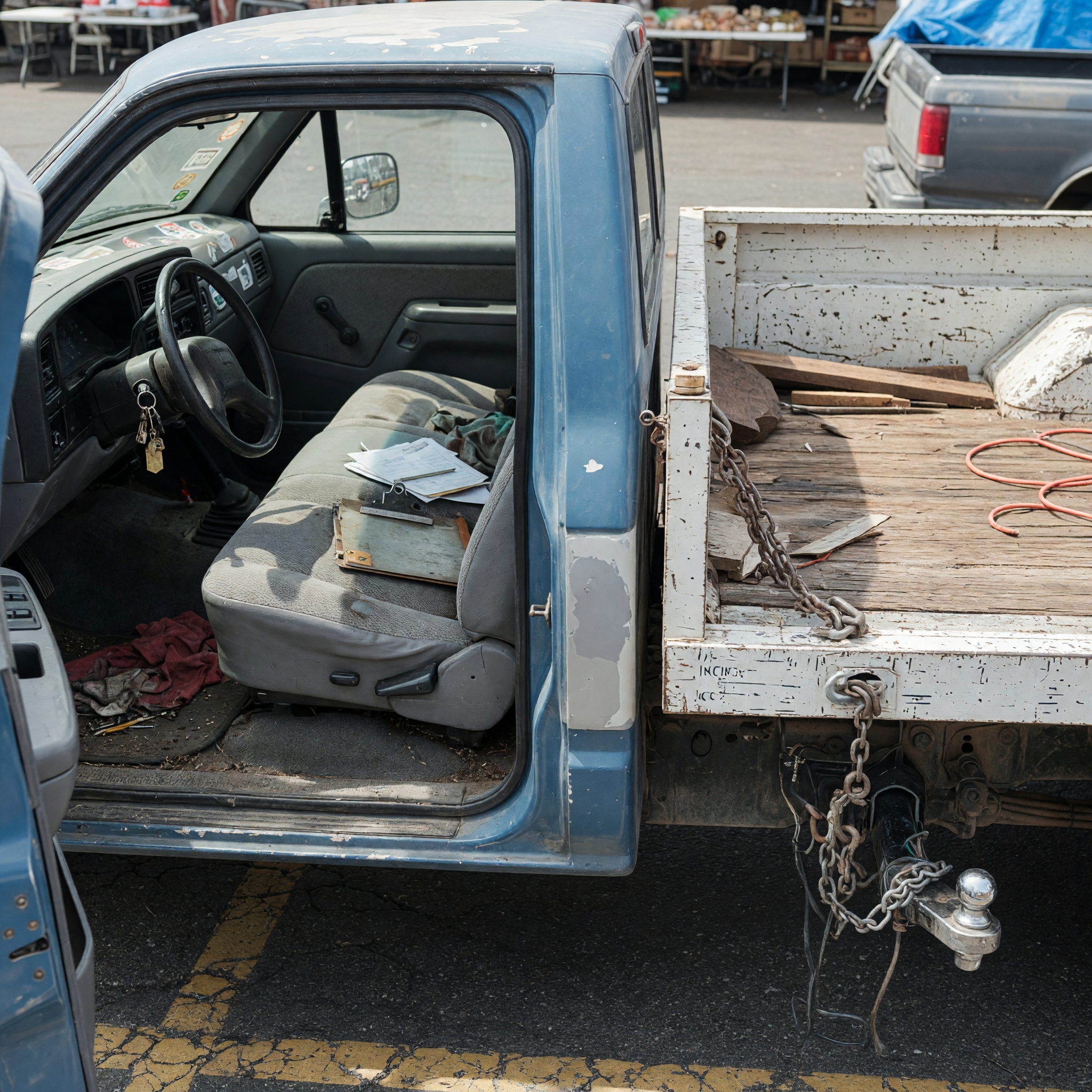
Commercial trucks are expected to show work history, so buyers focus on whether the wear matches the use. Point out visible signs honestly: seat wear, chipped paint, scratched bed rails, worn floor mats, faded decals, or minor dents. Then connect those signs to the truck’s job. A service truck with compartment wear or a delivery truck with loading marks may still be a strong candidate if the mechanical side is sound. That explanation keeps the listing believable.
Also describe what the truck can do now, not only what it did before. If the engine starts easily, the transmission shifts cleanly, the hydraulics work, the liftgate operates, or the lights and accessories function, say that clearly. Buyers looking for a local truck sale often want something ready to return to work without delay. They are more likely to respond when they can picture how the truck fits into their own route, crew, or business. Honest use descriptions help them make that connection quickly.
Write the listing so local buyers can compare it fast
A good commercial truck listing is easy to scan. Put the most important facts near the top: year, make, model, mileage, hours, weight rating, inspection status, and major equipment. Use short sentences and consistent labels so buyers can compare your truck with others in seconds. If you are trying to publish a truck locally, this format matters because many buyers search on mobile and decide quickly whether to keep reading.
Keep the language specific and practical. Avoid salesy claims that do not help a buyer evaluate the vehicle. Instead, focus on the facts that reduce doubt: service records, weight data, inspection history, work history, and known issues. This approach improves your chances of selling a used commercial vehicle because it matches the way serious buyers think. When someone is looking for a work-ready truck in their area, clarity beats hype. A clean, structured listing makes your truck easier to compare and easier to trust.
Use listing assistant when that is the next step.
Frequently asked questions
What should I include first when I sell a commercial truck?
Start with the truck’s exact configuration, mileage, hours, weight rating, and current inspection status. Those details help buyers judge fit before they ask for more photos or schedule a visit.
Why do hours matter if I already list mileage?
Hours show how long the engine and systems were actually running, especially in idle-heavy or stop-and-go work. Two trucks with similar mileage can have very different wear if their operating hours are not similar.
Should I mention damage or wear in a work truck listing?
Yes. Honest notes about dents, scratches, seat wear, and other signs of use help buyers trust the listing. The key is to explain whether the wear is cosmetic or tied to a mechanical issue.
How can inspection records help me sell faster?
Inspection records reduce uncertainty. When buyers see dates, results, and any repaired items, they can judge the truck more confidently and spend less time asking for proof.
What makes a local truck sale listing stand out?
A strong local listing is specific, honest, and easy to scan. Clear weight data, service history, hours, mileage, and real-use details usually create more serious replies than a generic description.




Comments
Loading comments...
Checking sign-in status...