
How to Sell a Boat or RV with a Better Listing
A strong boat or RV listing starts with clear ownership details, smart storage notes, and a simple systems review. Use this guide to publish a more trustworthy ad for a used boat, a RV de dueño, or a local camper sale.
ARTICLE LANGUAGE
Showing original language
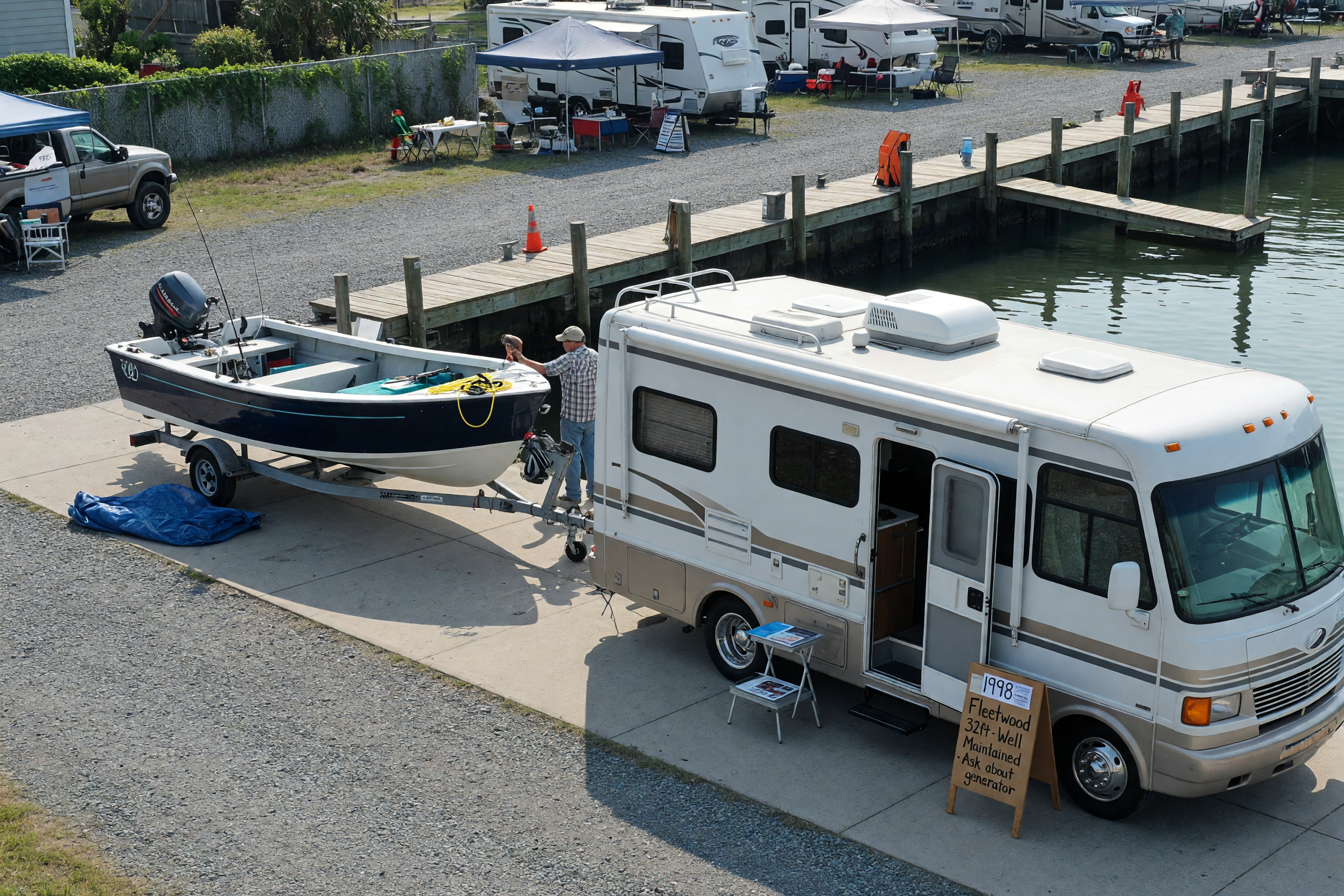
If you want to sell a boat or RV, the listing needs more than a few photos and a price. Buyers of used boats, campers, and motorhomes look for proof of ownership, honest condition notes, and signs that the vehicle has been cared for.
This guide shows you how to present title details, storage history, and system checks in a way that feels clear and local. Use vehicles to place the listing in the right marketplace category and make it easier for nearby buyers to find your offer.
Start with a clean title story
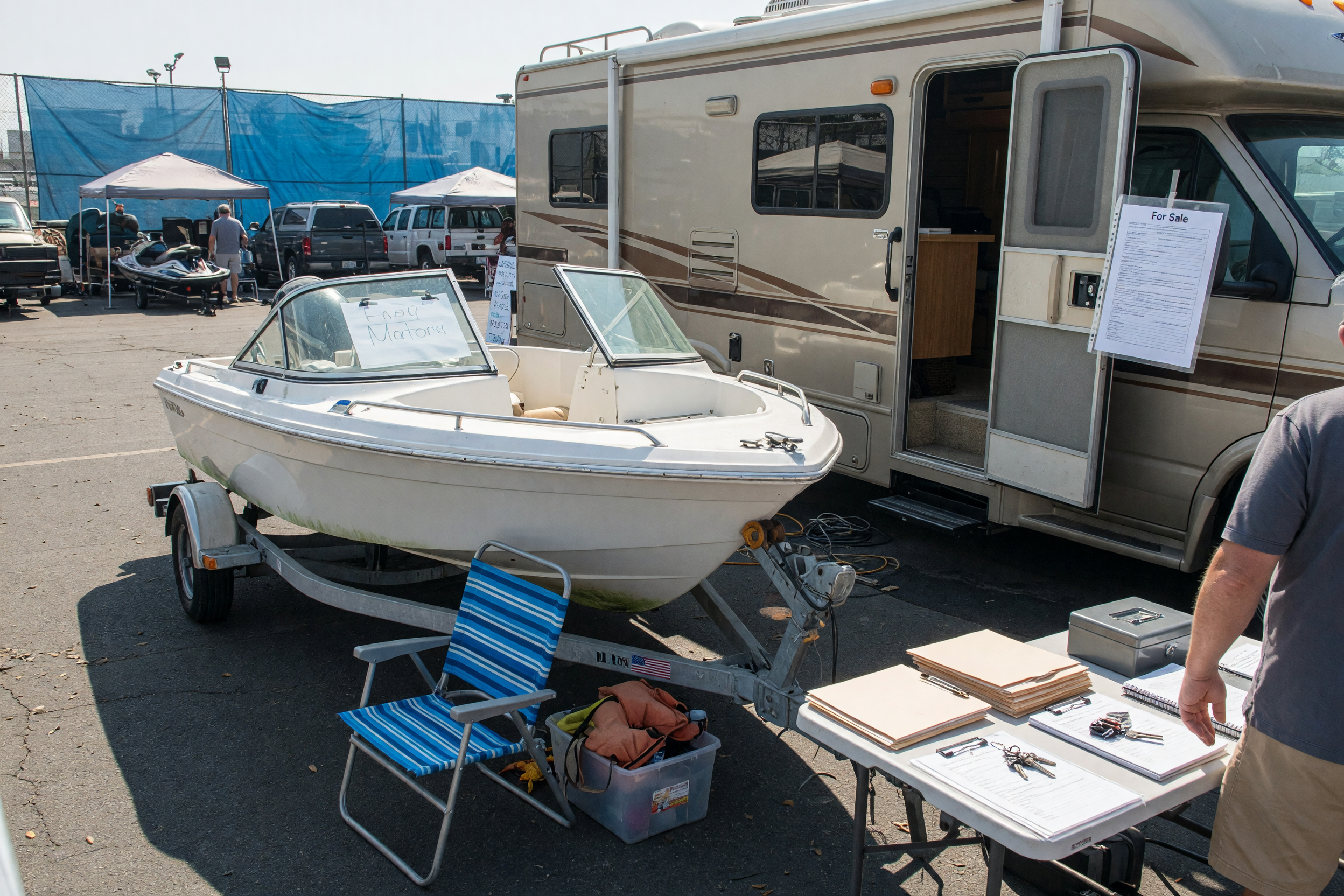
Buyers move faster when the ownership story is easy to understand. In your listing, say whether you have a clean title, a lien release, registration papers, or other documents that support a normal transfer. If the boat is documented differently than a car, explain that plainly. The goal is not legal advice; it is trust. People searching to vender bote usado or publicar casa rodante want to know the paperwork will not slow the deal.
List the exact year, make, model, hull or VIN number if you are comfortable sharing part of it, and whether the title matches the current setup. If the vehicle has been imported, rebuilt, or re-registered, mention that too. Avoid vague lines like “all set” or “paperwork ready” without details. A buyer who sees clear title language is less likely to worry about delays. In a local sale, clarity on ownership can be the difference between a quick message and a missed lead.
Explain where it has been stored
Storage history matters because boats and RVs age differently depending on where they sit. A unit kept under cover, in dry storage, or on a private lot usually has fewer moisture and sun issues than one left exposed. Tell buyers where the boat or camper has been parked, how long it stayed there, and whether it was used regularly or only seasonally. This is especially useful for anyone looking to sell camper local to nearby buyers who want easy inspection access.
Be specific about conditions that affect value: indoor storage, driveway storage, marina slips, winterization, or trailer storage. If you used covers, dehumidifiers, battery tenders, or engine flush routines, include those details. A buyer does not need a perfect story, but they do need a believable one. When storage notes match the photos and the rest of the description, the listing feels honest. That is important for RV de dueño and boat listings because buyers often assume hidden wear unless you address it first.
Review the main systems before you post
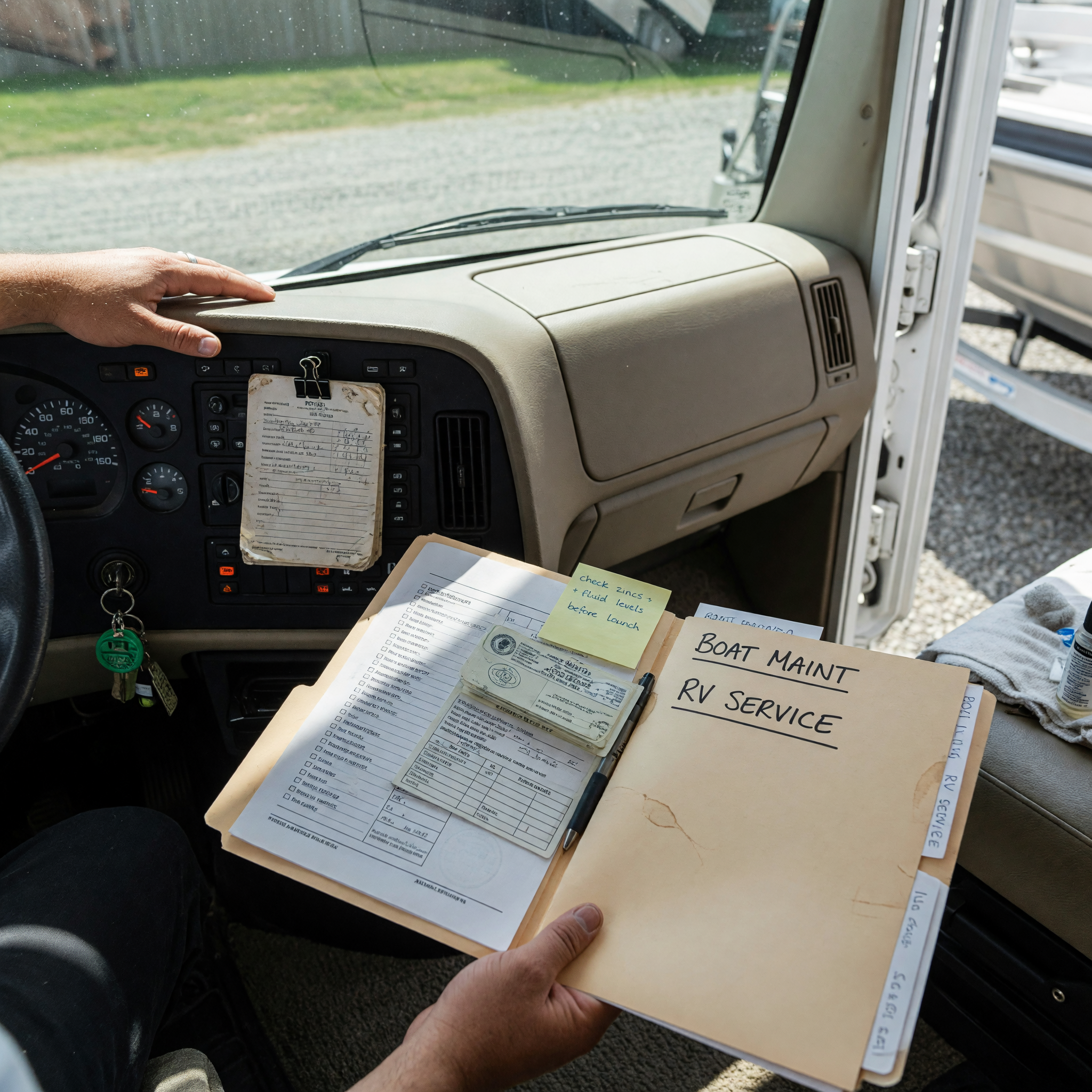
Before publishing, check the systems a buyer will ask about first. For boats, that may include the engine, outdrive, steering, bilge pump, lights, fuel system, battery, and trailer if included. For RVs, focus on the engine or tow setup, generator, brakes, tires, roof seals, water lines, propane, HVAC, refrigerator, and electrical hookups. You do not need a mechanic-level report, but you do need a simple summary of what works and what needs attention.
Write the review in plain language. For example, say “engine starts and runs,” “generator powers on,” “AC blows cold,” or “roof has a small leak that was resealed last season.” Buyers searching to post a used boat or publish a camper listing often compare many options, so specific system notes help yours stand out. If you recently serviced filters, batteries, belts, bearings, or seals, mention the date or season. Honest maintenance details can support a better price and reduce back-and-forth questions.
Use the right photos and order
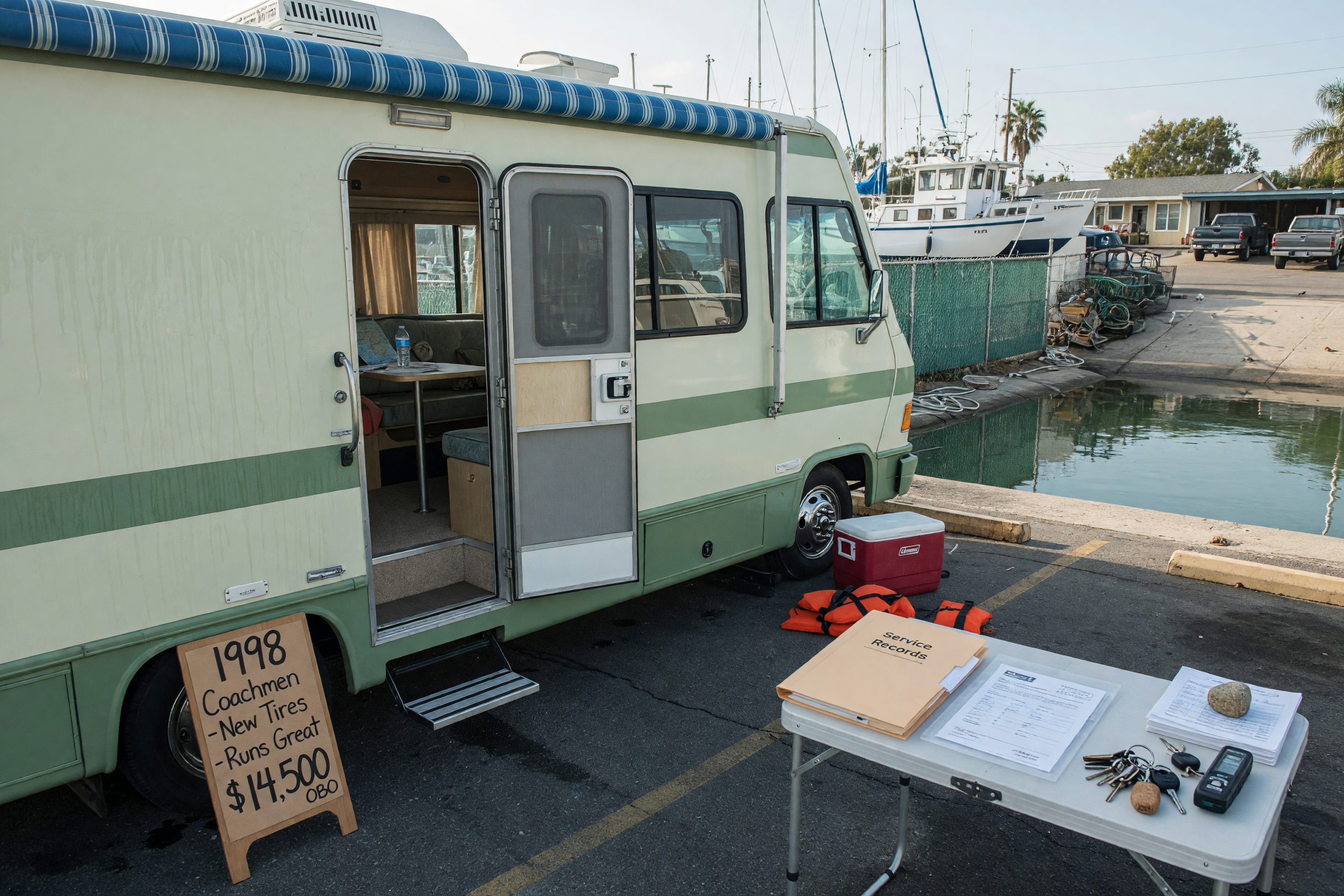
Photos should tell the story of the boat or RV before a buyer ever asks a question. Start with a wide exterior shot, then show both sides, the rear, the interior, and any included equipment or trailer. Add close-ups of the dashboard, controls, galley, sleeping area, engine bay, or cabin spaces that buyers care about. If there is visible wear, show it. Clear images reduce suspicion and help local buyers decide faster.
Keep the photo order logical: best overview first, then the key systems, then storage or maintenance details, then flaws. A buyer looking to vender bote usado may scroll quickly, so the first three images matter a lot. Clean the surfaces, remove personal items, and open storage compartments so people can see what they are buying. Good photos do not need expensive editing; they just need to be bright, steady, and honest. When the images match the title and storage notes, your listing feels much more reliable.
Write condition notes that reduce surprises
Condition notes work best when they answer the questions buyers are already thinking about. Mention mileage or engine hours, length, passenger capacity, sleep capacity, trailer condition, and any recent repairs. If something does not work, say so directly. A weak battery, old tires, cosmetic gelcoat wear, dated upholstery, or soft spots in a roof section are better disclosed early than discovered later during a viewing.
Use simple phrases that compare well across listings. For example, “solid floor, cosmetic wear only,” “used last season,” or “needs minor attention to one system.” Buyers searching for a RV de dueño or a local camper sale often expect normal age-related issues, but they want to know the scope. If you replaced major parts, include them, because upgrades matter as much as flaws. Clear condition notes help filter serious buyers from people who only want the lowest price. That usually saves time and keeps the conversation focused on real offers rather than repeated explanations.
Post locally and make contact easy
Once your title, storage, and systems details are ready, publish the listing in the vehicles category that matches boats and RVs. A local-first listing helps nearby buyers evaluate the item without guessing about location or transport. Include the city, whether pickup is available, and if inspections are welcome by appointment. If the boat is on a trailer or the RV is ready for road transfer, mention that clearly.
Make the message path simple. Buyers respond faster when they know exactly how to ask for a viewing, what questions to include, and whether you are open to phone calls or only messages. Keep the description consistent with the photos and avoid exaggeration. For people trying to publicar casa rodante or sell a camper locally, trust is the main conversion factor. The easier it is to understand the item, the more likely it is that a serious local buyer will reply with a real offer instead of a general question.
Use why early listings matter when that is the next step. Use listing assistant when that is the next step.
Frequently asked questions
What should I include to sell a boat used locally?
Include the year, make, model, title status, main systems, storage history, and honest condition notes. Clear details help local buyers decide faster.
How do I make a RV de dueño listing feel trustworthy?
Show the ownership documents you have, describe storage and maintenance, and be direct about what works and what needs repair. Specificity builds trust.
Should I mention winter storage in my listing?
Yes. Winterization, indoor storage, and covered storage all help buyers understand how the boat or RV was protected.
What systems matter most when I publish a casa rodante?
Engine or tow setup, brakes, tires, electrical, plumbing, roof seals, HVAC, generator, and appliances are the main items buyers ask about first.
How do I sell a camper local without too many questions?
Answer the usual questions in the listing itself: title, condition, storage, mileage or hours, repairs, and whether inspections are allowed.



Comments
Loading comments...
Checking sign-in status...