
Sell a Used Musical Instrument: Model, Condition, Demo
Turn a used guitar, keyboard, amp, or school instrument into a local listing buyers can trust. Use model details, condition proof, and clear pickup terms before you post.
ARTICLE LANGUAGE
Showing original language
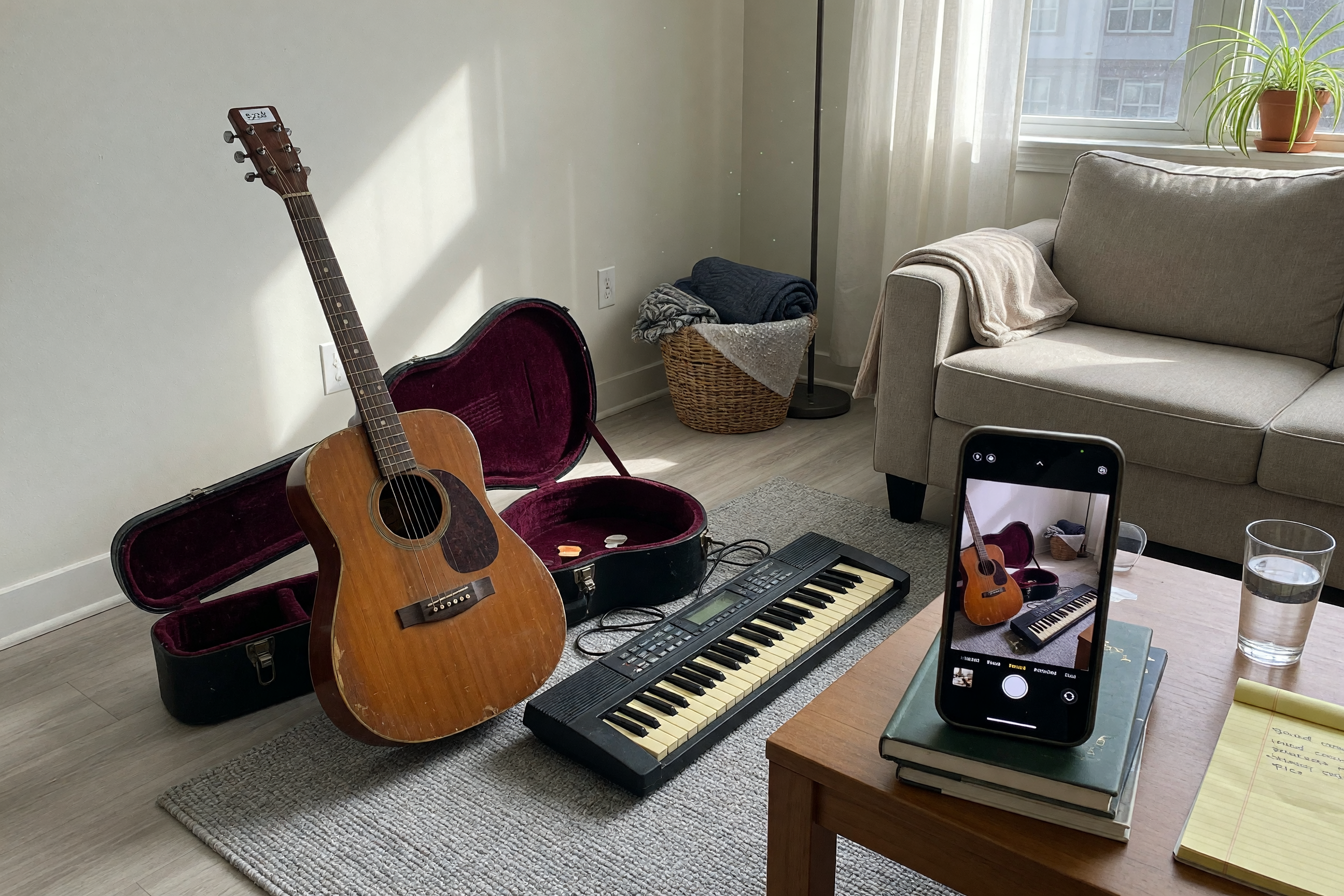
If you have a guitar, keyboard, amp, school band instrument, drum hardware, pedal, mixer, or recording gear sitting unused, the fastest useful next step is not writing a perfect ad. It is gathering enough proof that a local buyer can decide whether to message you. You can post a used musical instrument on Brixaz with the category already set, then let interested buyers contact you directly.
This guide is for one specific seller: someone in the United States who owns a real instrument or piece of music gear and can photograph it today. Brixaz is still early, so there is no promised view count or guaranteed sale. The trade-off is simple: posting is free, there is lower category competition, and a complete listing can become the first useful local result for buyers searching beyond the crowded national marketplaces.
Who Should Post a Used Instrument This Week
Good candidates are instruments with a clear identity and a buyer who can inspect or test them locally. That includes student clarinets, beginner guitars, digital pianos, practice amps, cymbal stands, microphones, interfaces, DJ controllers, pedals, cases, and bundles of accessories. A listing is worth posting when you can answer three questions without guessing: what is it, what condition is it in, and how can the buyer verify it works?
Do not wait until you have studio-quality photos. A clean phone photo near a window is enough if it shows the full item, the model, the wear, and the included accessories. The used-instrument category needs sellers who are specific. A vague title like "guitar for sale" attracts broad curiosity. A title like "Yamaha acoustic guitar with case, light fret wear, ready to play" helps the right buyer decide whether to ask for a pickup time.
Before you write, decide what you are really selling. A playable instrument, a repair project, a parts item, and a student starter bundle are different listings. The buyer expectations, price conversation, and safety checks change with that choice.
Record the Model, Version, and Included Gear
Musical instruments are hard to compare when the listing skips model details. Two guitars from the same brand can be very different. A keyboard with weighted keys is not the same buyer need as a small synth. A trumpet with a case and mouthpiece is easier to buy than a trumpet with missing parts. Your listing should remove that uncertainty.
Look for model numbers on the headstock, back plate, inside label, serial sticker, pickup cavity, keyboard underside, amp back panel, pedal bottom, or original paperwork. If you cannot find the exact model, say that plainly and photograph the marks you do have. Do not invent a model because it looks similar online.
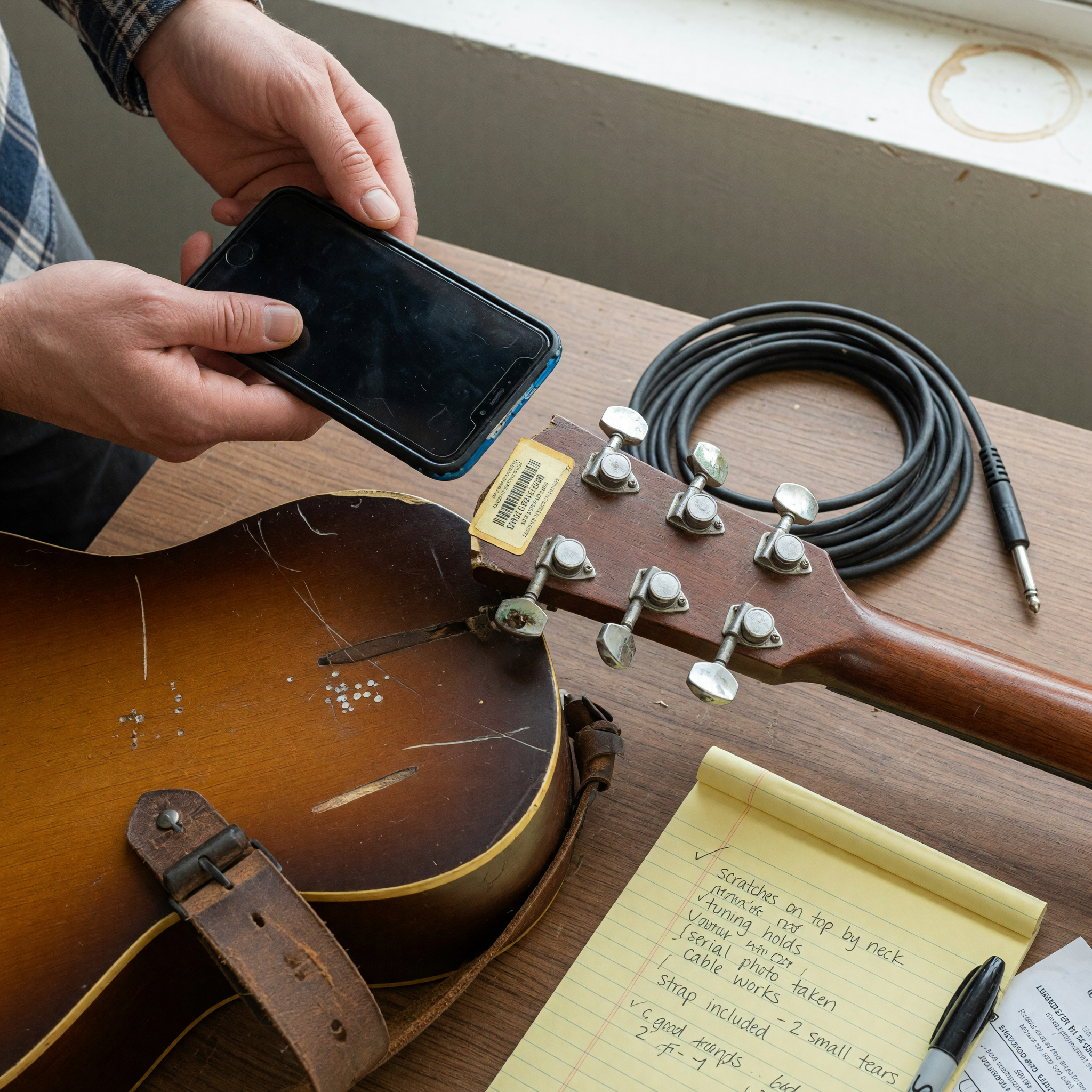
Use this quick checklist before you post:
| Listing field | What to include | Why buyers care |
|---|---|---|
| Exact item | Instrument type, brand, model, size, or version if known | Lets buyers compare the right item instead of guessing |
| Condition | Playable, needs setup, needs repair, cosmetic wear, missing parts | Filters serious buyers from repair-only shoppers |
| Proof | Short demo clip, tuner photo, power-on photo, or clear test note | Reduces "does it work?" messages |
| Accessories | Case, stand, bow, strap, cable, power supply, mouthpiece, manual | Changes the value and pickup plan |
| Pickup terms | City area, public meetup preference, cash or digital payment boundary | Prevents long threads with buyers who cannot meet |
Show Condition Without Overselling It
Used music buyers are not scared by normal wear. They are scared by surprises. Photograph scratches, dents, missing knobs, worn frets, sticky keys, tarnish, cracks, lifted bridges, noisy pots, battery corrosion, damaged cases, and non-original parts. If the item has been in storage, say whether it was climate controlled, in a case, or untouched for years.
For string instruments, mention action, fret wear, neck straightness if you can judge it, recent string age, pickup output, and whether it stays in tune during a short test. For keyboards and electronics, mention every key, button, input, output, screen, speaker, and power supply. For brass and woodwinds, mention pads, valves, slides, corks, mouthpiece condition, case condition, and whether the instrument has recently been serviced.
Use careful wording when you are not a technician. "Plays through a small amp during a five-minute home test" is stronger and more honest than "perfect condition." "All keys make sound, but I have not tested MIDI" is better than "works great" if MIDI matters to the buyer. On Brixaz, direct contact means the buyer can ask follow-up questions, but your listing should answer the predictable ones first.
Write Copy That Gets Serious Local Messages
The best used-instrument listings sound specific, calm, and testable. They do not pressure the buyer, hide flaws, or rely on brand hype. If you already have listing copy elsewhere, you can reuse the facts and improve the structure. If you are starting from scratch, keep the first screen tight: item, condition, included gear, pickup area, and testing status.
Bad listing copy:
"Nice guitar, barely used, sounds amazing. Need gone."
Better listing copy:
"Yamaha acoustic guitar with soft case. Good beginner/student guitar. Light scratches on the back, strings are older, no cracks I can see. Plays at home and stays in tune during a short test. Includes case, strap, and extra picks. Pickup near downtown Austin; public meetup preferred."
The better version does four useful things. It names the item, sets a realistic buyer expectation, discloses wear, and makes pickup concrete. You can use the same pattern for a keyboard: "Casio 61-key keyboard with power adapter, all keys tested for sound, speaker works, cosmetic scuffs, no stand included." For an amp: "Practice amp powers on, clean channel tested, input jack works, knobs have light scratch noise when turned."
If you are unsure how to structure the whole description, the Brixaz sell-used guide can help you keep the listing practical instead of promotional.
Set a Price Using Local Proof, Not Hope
A used instrument price should come from comparable listings, condition, accessories, urgency, and whether the buyer can test it before paying. Do not choose a number only because of what you originally paid. Original retail can matter, but the local buyer is comparing your exact item against alternatives available this week.
Check current listings for the same model, completed sales when available, local music shops, and repair costs if something needs work. Then adjust for proof. A keyboard with a power adapter, clear photos, and every key tested deserves a cleaner conversation than one with no cord and no test. A guitar with a case and fresh setup can support a different ask than the same guitar with old strings and unknown action.
If you want a quick pricing sanity check before publishing, use the listing price checker and then write your listing with room for reasonable negotiation. A useful phrase is: "Price reflects tested condition and included case; open to a reasonable local offer after inspection." That avoids sounding rigid while still protecting you from low-effort messages.
Use Category, City, and Pickup Details to Build Trust
Brixaz works best when the listing is easy to discover by category and easy to act on by location. Put the item in musical instruments, use the city or nearest area buyers actually recognize, and avoid hiding the pickup terms until the last message. A buyer who can see "public meetup near Midtown" or "pickup in North Dallas, evenings after 6" is more likely to send a useful first reply.
This is the Brixaz-specific advantage for founding sellers: a clean early listing can define the category instead of fighting hundreds of stale posts. Because contact is direct and Brixaz does not take a marketplace fee from the listing, your job is to make the buyer comfortable enough to ask one next question, not to force a checkout flow. For higher-value gear, meet in a public place, bring only the item agreed on, avoid shipping requests if you are selling locally, and do not share home access details with strangers.
If you are deciding whether early posting is worth it, read the founding sellers note. The honest trade-off is smaller audience today, less competition, free posting, and no guaranteed sale. For a used instrument collecting dust, that trade-off is often reasonable because the listing can sit clearly in the right category while buyers search locally.
For guitar sellers who need a more specific checklist, read: sell a used guitar with model and setup details
FAQ
What should I include when I sell a used musical instrument?
Include the instrument type, brand, model, condition, test status, accessories, pickup area, and any known issues. Photos should show the full item, model label, wear, included gear, and proof that it powers on or plays when possible.
Should I post a demo video or audio clip?
Use one if you can make it safely and clearly. A short clip of a guitar through an amp, a keyboard playing several keys, or a horn producing sound helps buyers trust the listing. If Brixaz posting does not host your clip format, mention that a short demo is available on request.
How do I describe condition if I am not a musician?
Describe only what you can observe and test. Say "powers on," "all keys make sound," "visible dent on bell," or "strings are old" instead of claiming professional condition. Honest limits are better than confident guesses.
Should I sell accessories separately or as a bundle?
Bundle accessories when they make the instrument easier to buy, such as a case, power supply, stand, strap, bow, mouthpiece, or cable. Sell separately when the accessory has meaningful value on its own or the main buyer may not need it.
What pickup details should I put in the listing?
Name the general city area, meetup preference, rough availability, and whether the buyer can test the item. Keep personal details private until you have a serious buyer, and use a public meetup for portable gear when practical.
Can I list an instrument that needs repair?
Yes, if the listing is clear. Put "needs repair" or "for parts" near the start, photograph the issue, and explain what you know. Repair buyers exist, but they need direct condition facts before they spend time messaging.



Comments
Loading comments...
Checking sign-in status...