
How to Sell a Commercial Truck on Brixaz: Weight, Hours, Inspection, a
If you want to vender camión comercial successfully, the details that matter most are weight, operating hours, inspection status, and proof of real use. This guide shows how to publish camión de trabajo listings that fee

ARTICLE LANGUAGE
Showing original language
When buyers search for a commercial truck, they are not just comparing prices. They are checking whether the truck fits the job, whether it has been used responsibly, and whether the listing gives enough facts to reduce risk. If you want to vender camión comercial faster, start by thinking like a buyer who needs to trust the vehicle before sending a message. vehicles
A strong Brixaz listing should make the truck easy to evaluate at a glance. That means clear weight information, working hours, inspection history, and honest signs of use. When you publish camión de trabajo details in a structured way, you help local buyers decide sooner and contact you with better questions. This guide explains exactly what to include for a stronger venta camión local.
Start with the truck’s weight and work rating
Weight is one of the first details serious buyers look for because it tells them what the truck can legally and safely carry. Include the curb weight if you know it, plus the gross vehicle weight rating, payload capacity, and any axle limits that matter for the model. If you do not have every number, list the official figure from the manufacturer or the registration document. Avoid guessing, because buyers comparing commercial vehicles often know the difference between an estimate and a verified spec. A clear weight section helps your listing stand out and makes it easier to vender camión comercial to users who need a specific job fit.
Also explain how the truck’s current setup affects weight. If it has a liftgate, tool storage, a modified bed, or added equipment, note how those changes affect use and load limits. Buyers often search for a vehicle that can work immediately, not one that needs extra calculations. When you publish camión de trabajo details with accurate weight data, you make your ad more practical for fleets, small businesses, and independent operators. That clarity is especially important in a venta camión local setting, where buyers may want to inspect in person and confirm the truck matches their route, cargo, or service needs.
Show operating hours and real work history
Commercial buyers care about hours because they use them as a rough measure of wear. If the truck has an hour meter, include the current reading and say whether it is original, replaced, or verified through service records. If the truck does not have an hour meter, use other evidence of work history, such as maintenance logs, route schedules, or fleet records. Be specific about what kind of work the truck did: delivery, construction, landscaping, towing, or municipal service. That context helps buyers understand why the vehicle has the wear it does and whether it matches their own workload. A listing built this way supports a better publicação camión de trabajo style, even if the buyer is local and comparing several options at once.
Do not hide heavy use. Instead, frame it honestly and professionally. For example, a truck with highway delivery hours may have different wear than one used on short city routes with frequent stops. Share whether the engine was mostly idling, hauling, or operating under load. These details matter because buyers want to estimate future maintenance costs. When you give a clear work history, you make it easier to vender camión comercial without long back-and-forth messages. Transparent hour and usage data can turn a vague ad into a credible venta camión local that attracts buyers who understand commercial equipment and are ready to inspect.
Document the inspection status before you publish
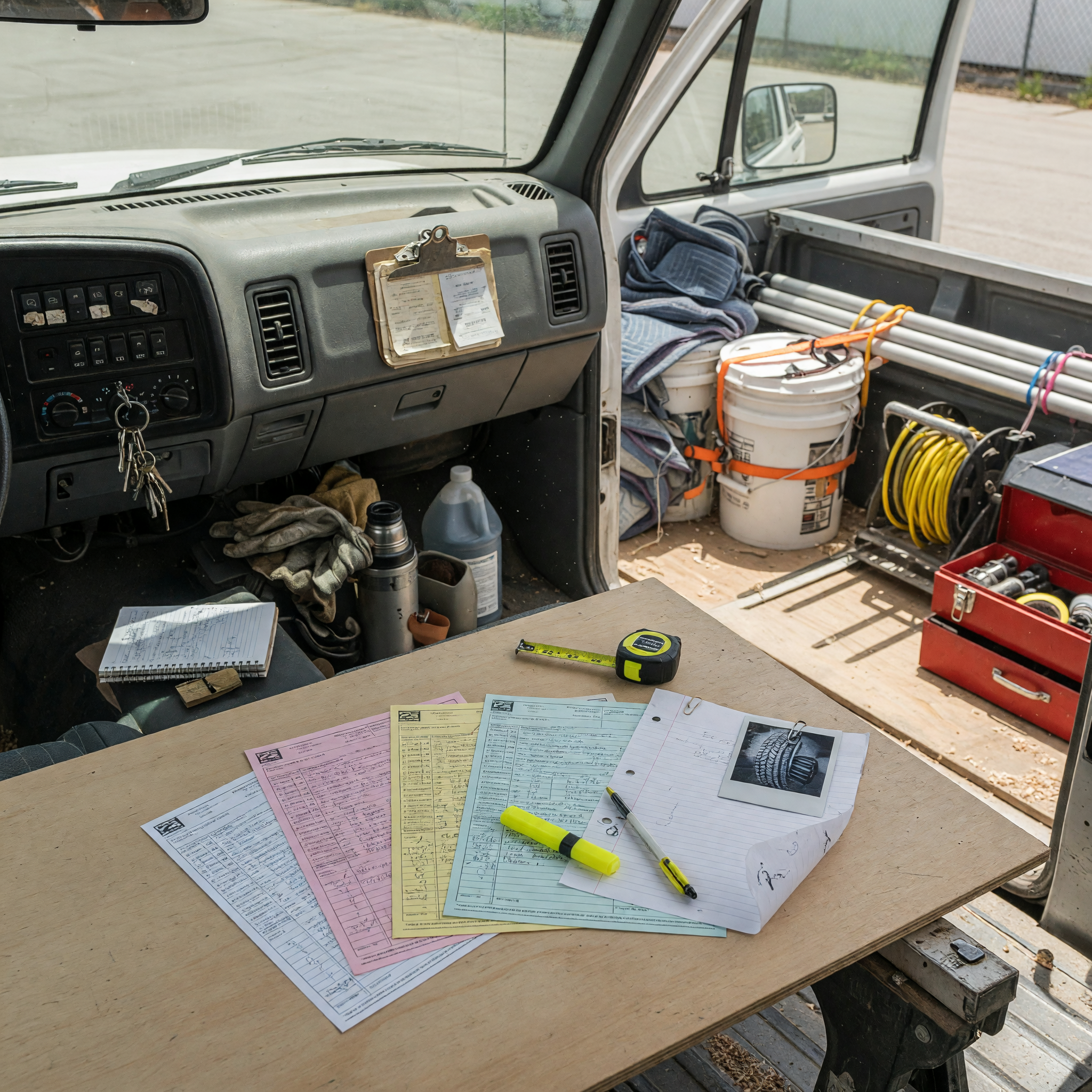
An inspection status is one of the fastest trust signals in a used vehicle listing. If the truck has a current inspection, say when it was done, where it was completed, and whether it passed without issues. If it failed before and was repaired, mention the repair and the date of the retest. If the inspection has expired, be direct about that too. Buyers do not expect perfection, but they do expect honesty. A clear used truck inspection summary helps reduce questions later and shows that you are not trying to hide problems. It also makes your listing more useful for local buyers who may need to compare several trucks before visiting one in person.
Include any supporting documents you can share during the conversation, such as maintenance receipts, emissions paperwork, or safety certificates. If the truck recently had brakes, lights, tires, or suspension checked, mention those items even if they were not part of a formal inspection. Those small details can matter as much as the main report because they tell buyers the vehicle was cared for. When you publish these facts clearly, you improve the odds of a smoother sale and make it easier to vender camión comercial to serious shoppers who value documentation and predictable next steps.
Explain visible wear and proof of use honestly
Commercial trucks are expected to show use, so the goal is not to make the vehicle look new. The goal is to describe visible wear in a way that feels complete and credible. Mention dents, scratches, seat wear, tire condition, rust spots, paint fading, dashboard lights, or hydraulic issues if they exist. If the truck has been maintained well despite high use, say so and back it up with service history. Buyers looking to publicar camión de trabajo want to know whether the wear is cosmetic, mechanical, or both. That distinction helps them decide if the truck is ready for work or needs immediate investment.
Proof of use can also strengthen the listing. You might include photos of the bed, cargo area, tool mounts, PTO equipment, shelving, or service body layout. These details help buyers understand the truck’s real purpose and reduce doubts about whether it was used lightly or heavily. If the vehicle served a specific trade, mention that trade and any relevant features that remain installed. Honest wear plus clear proof of use creates a balanced presentation that supports a stronger venta camión local. Buyers usually respond better to listings that feel practical and straightforward than to ones that sound polished but incomplete.
Write the listing so buyers can compare quickly
Commercial vehicle shoppers often compare many listings in a short time, so structure matters. Put the most important facts near the top: year, make, model, mileage or hours, engine type, transmission, weight rating, inspection status, and location. Then add a short paragraph explaining what the truck was used for and why it is being sold. This format helps buyers scan quickly and decide whether your truck deserves a message. It also makes your ad easier to trust because the information is organized instead of buried in a long story. A structured post supports the goal to vender camión comercial with fewer unnecessary questions.
Use simple language and avoid vague claims such as “runs great” or “excellent condition” unless you can support them with details. For example, say the truck starts cold, shifts cleanly, and has recent tires or brakes. If it needs attention, say what it is and whether the issue affects driving or only appearance. This level of clarity helps people decide faster, especially if they are searching for a venta camión local and need to act soon. A clear comparison-friendly layout is often the difference between a listing that gets saved and one that gets ignored.
Prepare for questions, viewing, and a clean handoff
Once the listing is live, buyers will usually ask about usage, maintenance, title status, and whether they can inspect the truck in person. Prepare those answers before you post so you can respond consistently. Have the registration, inspection records, service receipts, and any ownership documents ready. If the truck is still in active use, say when it can be shown and whether it can be driven locally for a short demonstration. Buyers are more confident when the process feels organized and predictable. That preparation helps you publish camión de trabajo listings that move from interest to inspection with less delay.
For the handoff itself, be clear about what is included with the truck: spare keys, toolboxes, racks, tire chains, or extra equipment. If something will not be included, mention it early. This avoids surprises and keeps the final conversation focused on price and condition. A smooth handoff does not mean giving discounts or answering every question in advance; it means making the transaction simple and transparent. When you sell with that mindset, you make it easier to vender camión comercial locally to buyers who want a practical vehicle and a straightforward purchase process.
Use why early listings matter when that is the next step. Use listing assistant when that is the next step.
Frequently asked questions
What weight details should I include in a commercial truck listing?
Include curb weight, payload capacity, gross vehicle weight rating, and any relevant axle limits. If you know the official manufacturer or registration figures, use those instead of estimates.
How do I describe hours on a truck if it has an hour meter?
List the current reading, say whether the meter is original or replaced, and mention the kind of work the truck did so buyers can judge wear in context.
Should I mention a failed inspection in the listing?
Yes. Briefly explain what failed, what was repaired, and whether the truck passed a retest. Honest inspection history usually builds more trust than silence.
What counts as proof of use for a work truck?
Photos of equipment, service body features, shelving, cargo wear, maintenance records, and route or fleet history can all help prove how the truck was actually used.
How can I make my listing easier to compare locally?
Put the key facts first, use short paragraphs, avoid vague claims, and include the exact location. That format helps buyers compare trucks quickly and message with confidence.






Comments
Loading comments...
Checking sign-in status...