
How to Sell a Commercial Truck Locally With Confidence
If you want to sell a commercial truck locally, the right details matter. Show weight, hours, inspection status, and real use history so buyers can compare your listing fast.
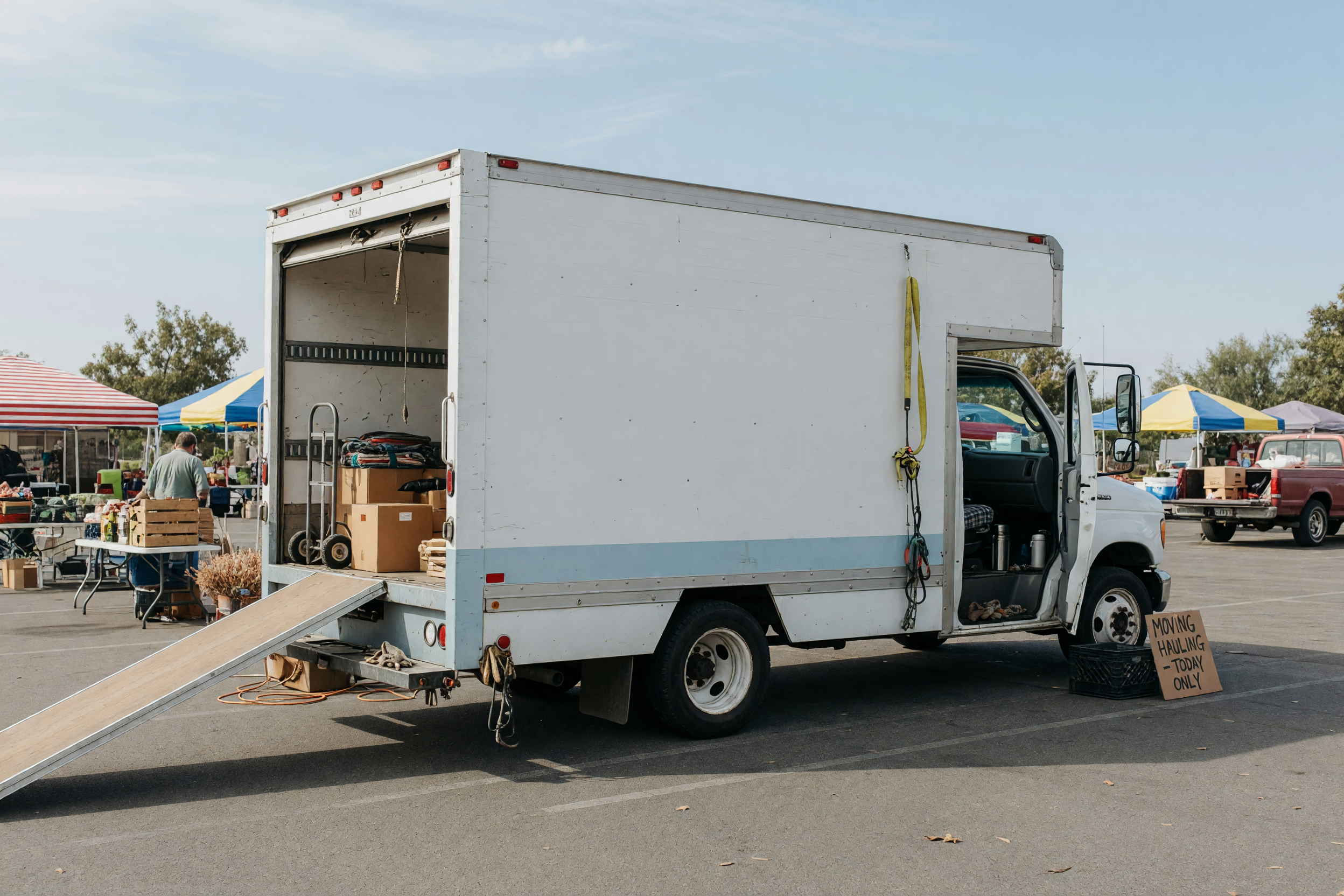
ARTICLE LANGUAGE
Showing original language
When you want to sell a commercial truck, buyers usually compare the facts before they compare the photos. Weight, operating hours, inspection history, and how the truck was used all affect trust and pricing.
A clear listing helps you attract serious local buyers faster. If you are ready to publish a truck for work, vehicles and make the important details easy to review from the start.
Start With the Truck’s Real Work Profile
Before you write anything, define the truck as a working asset, not just a vehicle. Buyers want to know what the truck actually did every day, whether it handled deliveries, hauling, construction support, or municipal work. That context changes how they judge wear, maintenance, and remaining value. If the truck was used on short routes with frequent stops, mention that. If it carried heavy loads on long highway runs, say so clearly. This is where many sellers lose trust: they describe features but ignore the job history.
Include the make, model, year, drivetrain, transmission, fuel type, and current mileage or engine hours. If the unit has a liftgate, box, flatbed, dump setup, refrigeration, or towing gear, list it in plain language. Buyers searching to publish camión de trabajo equivalents in English will respond better to a listing that reads like a working record. The more directly you explain the truck’s purpose, the easier it becomes for a local fleet buyer or contractor to decide whether it fits their needs.
List Weight, Capacity, and Operating Limits Clearly
Weight is not a minor detail in a commercial truck sale. Many buyers need to know gross vehicle weight rating, curb weight, payload capacity, axle setup, and any upfit weight added after the original build. If you leave out the numbers, buyers may assume the truck is unsuitable for their routes or permits. A clear weight summary helps them check licensing requirements, loading rules, and job compatibility without messaging back and forth.
Use the manufacturer label, title records, or service documents to confirm the figures. If the truck has been modified, explain how the additions affect usable capacity. For example, a heavy body, crane, or refrigeration unit can reduce payload even when the engine still performs well. Mention whether the suspension, brakes, and tires were upgraded to match the load. Buyers comparing a venta camión local listing will often shortlist the truck that gives the most practical capacity data. In commercial sales, clear numbers reduce confusion and help serious buyers move quickly.
Disclose Hours, Mileage, and Wear in a Simple Format
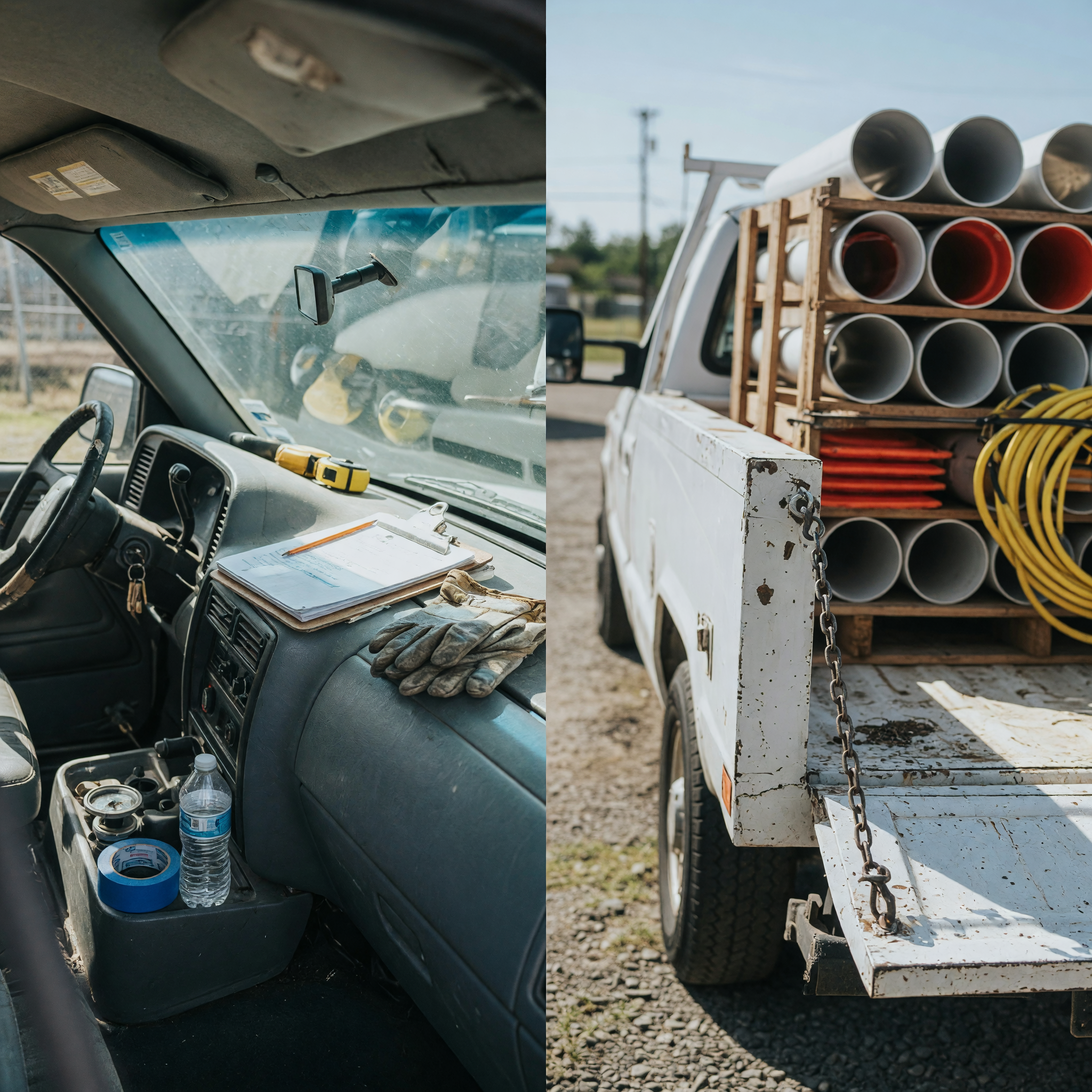
For work trucks, hours can matter as much as mileage. A vehicle with moderate mileage but many idle or engine hours may have more wear than it first appears. If the truck has a hour meter, include the reading and explain whether it was used for long hauls, stop-and-go service, or stationary operation. If the engine hours are not available, be honest and say so. A direct explanation is always better than a vague listing that invites suspicion.
Present wear in categories buyers understand: engine, transmission, brakes, tires, suspension, bed or body, and cab condition. Note what has already been replaced and what may need attention soon. This helps buyers estimate immediate costs after purchase. People looking for a used commercial truck often care less about perfection than about predictability. If the truck starts easily, shifts properly, and has a documented maintenance trail, say that. A careful, factual description turns a rough-looking truck into a credible one because it shows the seller knows the unit well.
Explain the Inspection Status and Maintenance Records
A buyer reading a commercial truck listing wants to know one thing: can this vehicle get back to work quickly? That is why inspection status matters so much. State whether the truck has a current inspection, what type it is, when it expires, and whether any issues were flagged. If the truck is due for inspection soon, mention that up front instead of waiting for a buyer to discover it later. Transparency keeps the conversation focused on value instead of doubts.
Maintenance records make the listing stronger. Add oil change intervals, brake work, tire replacements, fluid service, major repairs, and any fleet or shop documentation you have. If you have receipts, build sheets, or service summaries, organize them before publishing the post. Buyers will trust a truck used in regulated or demanding work more when they can see consistent upkeep. For anyone searching to buy or vender camión comercial assets locally, records are often what separate a quick sale from a long one. They also help justify your asking price with evidence instead of claims.
Show the Truck as a Safe, Honest Use Case
Describe how the truck performed in daily use, not just what it can do on paper. If it was used for landscaping, delivery routes, equipment transport, or local contractor work, say so. Then explain the kind of loads it handled, the roads it traveled, and whether it was kept under cover or exposed to weather. This gives buyers a realistic picture of future life with the truck. A unit that was lightly loaded and serviced regularly may be more attractive than one that looks newer but has an unclear history.
Use photos to support the story, but keep the written listing focused on facts. Mention dents, rust, cab wear, tire age, and any cosmetic issues that do not affect operation. Buyers appreciate honesty because it saves them time and reduces negotiating friction later. If the truck passes inspection cleanly, say so. If it needs a minor repair, explain whether you already priced that into the listing. A reliable truck used for a clear purpose is easier to sell when the use case matches the buyer’s own work. That is especially true in local markets where trust travels fast.
Publish the Listing for Local Buyers Who Need It Now
When the details are ready, turn them into a listing that is easy to scan on a phone. Lead with the most important facts: truck type, year, weight class, hours or mileage, inspection status, and the main work body or equipment. Keep sentences short and avoid vague praise. Buyers searching for a truck for immediate use want clarity, not marketing language. A clean first paragraph can help your listing stand out among other used commercial vehicles.
To reach the right audience, post in the vehicles area and choose the selling format that matches your goal. Local buyers are more likely to respond when the listing feels complete from the first glance. Include the location, availability for viewing, and whether the truck can be driven away or must be hauled. If you want the best chance at a fast sale, focus on the details that help a buyer compare your truck with others nearby. Strong facts build confidence, and confidence leads to messages from serious buyers.
Use why early listings matter when that is the next step. Use listing assistant when that is the next step.
Frequently asked questions
What details matter most when selling a commercial truck?
Start with year, make, model, mileage or engine hours, weight rating, inspection status, maintenance history, and the truck’s actual work use. Those details help buyers judge value fast.
Should I include engine hours if the truck also has mileage?
Yes. For work trucks, engine hours can reveal wear that mileage alone does not show. Include both if available and explain the type of use.
How do I describe weight and capacity accurately?
Use the label, title documents, or build records to list gross vehicle weight rating, payload capacity, axle setup, and any added equipment that affects load limits.
What makes a used truck listing more trustworthy?
Clear inspection status, service records, honest wear notes, and direct language about how the truck was used all help buyers trust the listing.
Can I sell a commercial truck locally without a long description?
You can, but shorter listings usually get fewer serious responses. Local buyers want enough facts to decide whether the truck fits their job before they contact you.





Comments
Loading comments...
Checking sign-in status...