
How to Price Used Electronics So Buyers Don't Lowball You
Lowballing is the tax on a vague listing. Here are the four price inputs buyers actually use, how to research a real local range, and the wording that stops lowball offers before they start.
ARTICLE LANGUAGE
Showing original language
You know the message. You list a laptop, a game console, or a pair of headphones, and within the hour someone sends "still available? what's your lowest?" before they have even read the price. Lowballing is the tax you pay for a vague listing. When a buyer cannot tell what your item really is, what shape it is in, or why your number is what it is, they assume the worst and open low — because to them, every used gadget is a gamble until proven otherwise.
The fix is not to hold firm and argue. It is to price your electronics so clearly, with such visible reasoning, that a lowball offer would look unreasonable next to your listing. This guide covers the four price inputs buyers actually use, how to research a real local range instead of guessing, the exact wording that shuts down haggling before it starts, and a checklist you can apply to any device — a phone, a TV, a monitor, a drone — before you post it today.
Why buyers lowball used electronics
Electronics are the category where a buyer's fear is highest and their information is lowest. A couch either holds you or it does not. A used graphics card, a two-year-old phone, or a smart TV could be fine, or it could have a dying battery, dead pixels, or a fault that only shows up after money changes hands. That uncertainty is what a lowball offer is really pricing in. The buyer is not insulting you; they are hedging against everything your listing did not tell them.
So the lever you control is uncertainty, not stubbornness. Every fact you add — the exact model number, the storage size, the battery cycle count, the reason you are selling — removes a reason for the buyer to discount. A listing that reads like it was written by someone who knows the device and has nothing to hide gets offers near asking. A listing that says "gaming laptop, works good, $500 obo" gets $300 offers, because "obo" plus vagueness reads as "I will take much less."
Because a buyer contacts you directly on the Brixaz electronics section with no middleman to reassure them, the confidence has to come from your post. That is an advantage the moment you use it well: the seller who answers every question up front stops competing on price alone and starts competing on trust.
The four inputs that set a used electronics price
Buyers do not price your item from a feeling. They build a number in their head from four inputs, whether they realize it or not. Nail all four and your price stops looking negotiable.
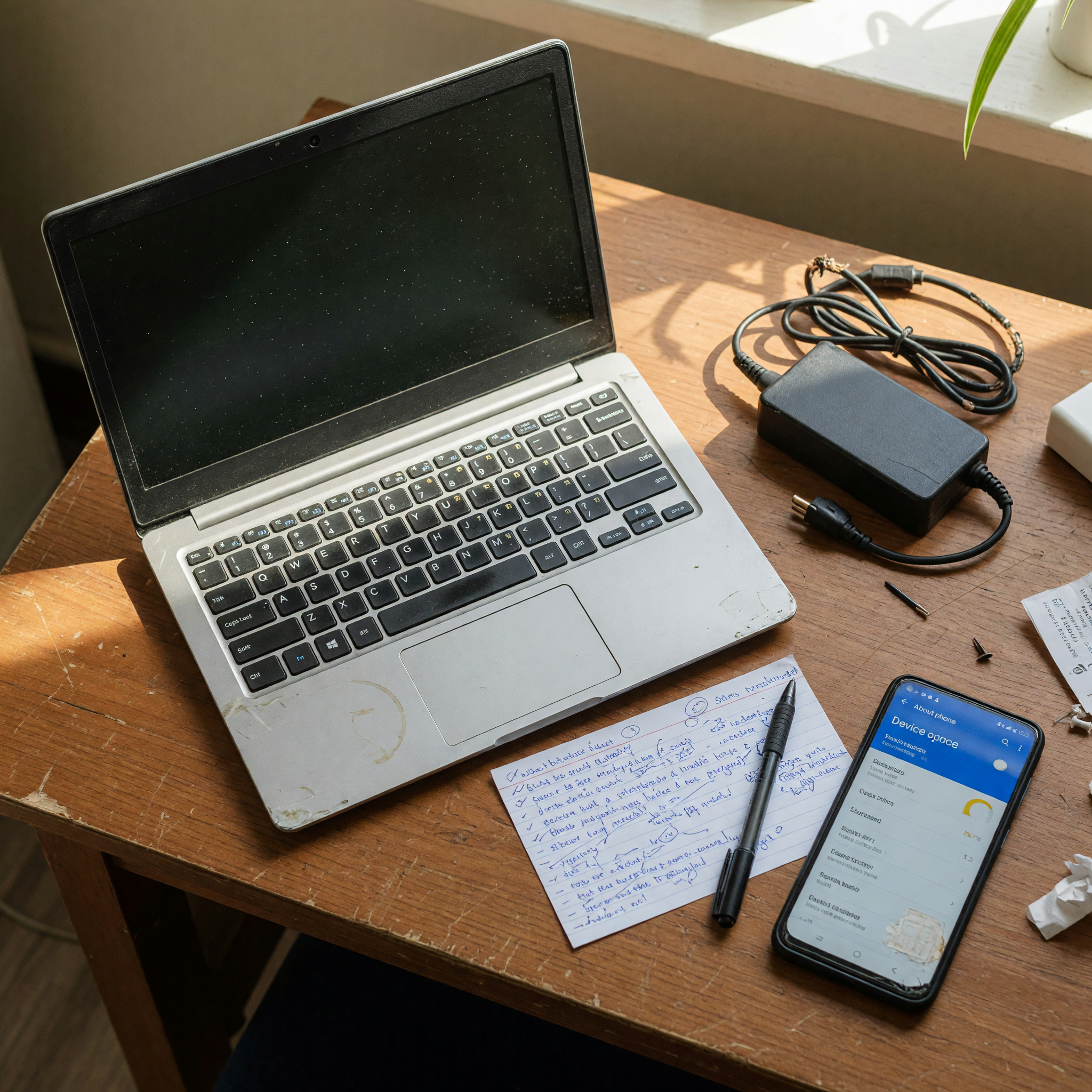
- Exact identity. Not "laptop" — the model, generation, and configuration. "Dell XPS 13, 2021, i7, 16GB RAM, 512GB SSD" is a priceable thing. "Nice Dell laptop" is not, so buyers assume it is the cheapest version.
- Condition, stated honestly. Cosmetic wear and, more importantly, functional health: battery capacity, screen defects, controller drift, port issues. A named flaw costs you a little; a hidden flaw discovered at pickup costs you the whole sale.
- What's included. Original charger, cables, box, controllers, accessories. A console with two controllers and all cables is worth meaningfully more than a bare unit, and buyers know it.
- Local demand and timing. What comparable units are actually listed for near you right now, and how fast that model moves. A newer, in-demand device holds price; a three-generation-old gadget needs a realistic number to sell at all.
When your listing shows all four, the buyer has nothing left to "discover" by lowballing. The negotiation, if any, is about the meetup time — not the price.
Research a real local price range before you post
The single biggest pricing mistake is anchoring to what you paid or to a retail number that no longer exists. What you paid is irrelevant to a buyer; what matters is what your exact item sells for locally today. Spend ten minutes building a real range before you pick a number.
Search current listings for your exact model and configuration in your area. Browse recent electronics listings and filter to the closest match — same model, same storage, similar condition. Note three things: the range from lowest to highest, where the clean, well-photographed listings sit within it, and how long the cheap ones have been up (if they are still listed after weeks, that price is too low to move even at the bottom). Then place your number just under the well-presented listings, not at the desperate bottom and not at the fantasy top.
Two honest anchors help buyers accept your price. If a device is still sold new, a real "sells new for around X" line makes a fair used price look like the deal it is — but only use a number a buyer can verify in seconds. And a plain reason for selling ("upgraded to a newer one," "switched to a desktop") reassures buyers there is no hidden defect driving the sale. Never invent a fake retail anchor or a phantom "paid $1,200" claim; one number a buyer catches as inflated makes them distrust every other line.
The condition-to-price checklist
Run any device through this before you post. Each row is a fact buyers use to justify — or attack — your price. Fill in every row that applies; a blank is a question a buyer will answer with a lowball.
| What to check | Why it moves the price | How to write it |
|---|---|---|
| Exact model & specs | Turns a guess into a comparable item | "Sony WH-1000XM4, black, 2022 model" |
| Battery / power health | Top buyer fear for anything portable | "Battery holds ~6 hrs, cycle count 210" |
| Screen / display | Dead pixels and burn-in tank value fast | "Screen flawless, no dead pixels or burn-in" |
| Cosmetic wear | Sets honest expectation, kills pickup surprises | "Light scuff on bottom corner — photo #4" |
| Functional test | Proves it works, not just powers on | "Tested: all ports, Wi-Fi, camera, speakers work" |
| Accessories included | Bundles justify a higher number | "Includes original charger, box, 2 controllers" |
| Reset / account status | Removes the biggest trust blocker | "Factory reset done, signed out of all accounts" |
| Reason for selling | Signals no hidden defect | "Upgraded, so this one's just sitting unused" |
| Price & flexibility | Tells buyers how to approach you | "$220, priced to sell, small offers OK" |
A buyer who reads those nine lines has no unanswered fear left. That is the whole point: you are not defending a price, you are removing every reason to discount it.
Write the price line so it resists lowballing
How you frame the number matters as much as the number itself. The same $220 reads as "take whatever you can get" or "this is fair and I know it," depending entirely on the words around it. Compare the weak and strong versions:
| Weak copy | Better copy |
|---|---|
| "$250 obo" | "$220, priced to move. Small offers OK, no lowballs please — it's already below what similar ones are listed for locally." |
| "Works good." | "Fully tested — all ports, Wi-Fi, and speakers work. Battery still holds about six hours." |
| "Barely used." | "Used maybe a dozen times, kept in the box. One faint scuff on the bottom edge, shown in photo #4." |
| "Comes with charger." | "Includes the original charger and box. Factory reset and signed out, ready to set up as new." |
Two moves do the heavy lifting. First, anchor your price to your own research inside the listing: "already below comparable local listings" tells the buyer the discount work is done, so their lowball would just be greedy. Second, state your flexibility precisely — "small offers OK" invites a reasonable $10–$20 nudge while "firm, priced to sell" closes the door politely. Vague "obo" invites the whole internet to guess how low you will crawl. Be specific and the guessing stops.
Bundle, time, and photograph to protect your price
A few tactics let you hold a higher number without arguing. Bundle related items — a console with extra controllers and three games, or a monitor with its stand and cables — so the buyer compares your complete package to bare listings and yours wins. Time your post to when buyers are actually shopping: evenings and weekends move electronics faster than a Tuesday morning, and a fresh listing sits at the top where serious buyers see it first.
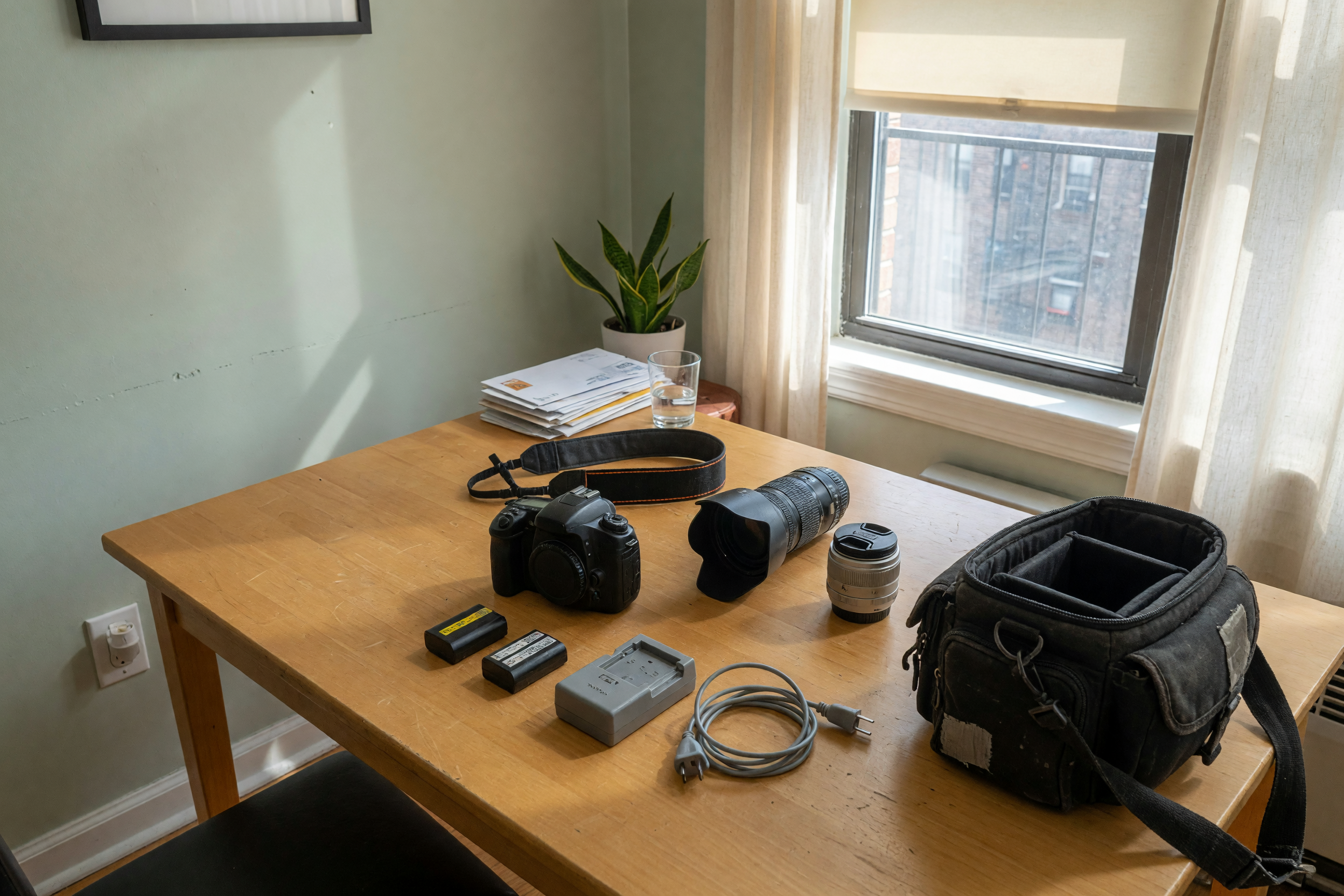
Then let your photos carry the proof. Shoot your own images in daylight, never stock photos, which scream "scam" to any electronics buyer. Show the device powered on and working, every angle and any flaw you named, the accessories laid out, and a close shot of the model number or a specs screen. Photos that prove the item is real, yours, and exactly as described do the same job as the checklist — they answer questions before a buyer can turn them into a discount. When you are ready to browse how strong local listings are structured, your city page shows what well-priced electronics posts look like in a busy market.
Related on the Brixaz blog: How Much Is Used Furniture Worth? Resale Values by Item and Age.
If the device you are pricing is a phone, this focused checklist helps with IMEI, carrier status, and pickup: sell a used phone locally
Pricing a console bundle has a few details that general electronics pricing does not cover: sell used game console
Para consolas y otros electrónicos: vender una consola usada
If you are pricing a full desktop setup instead of a single gadget, this related guide goes deeper on used PC prices
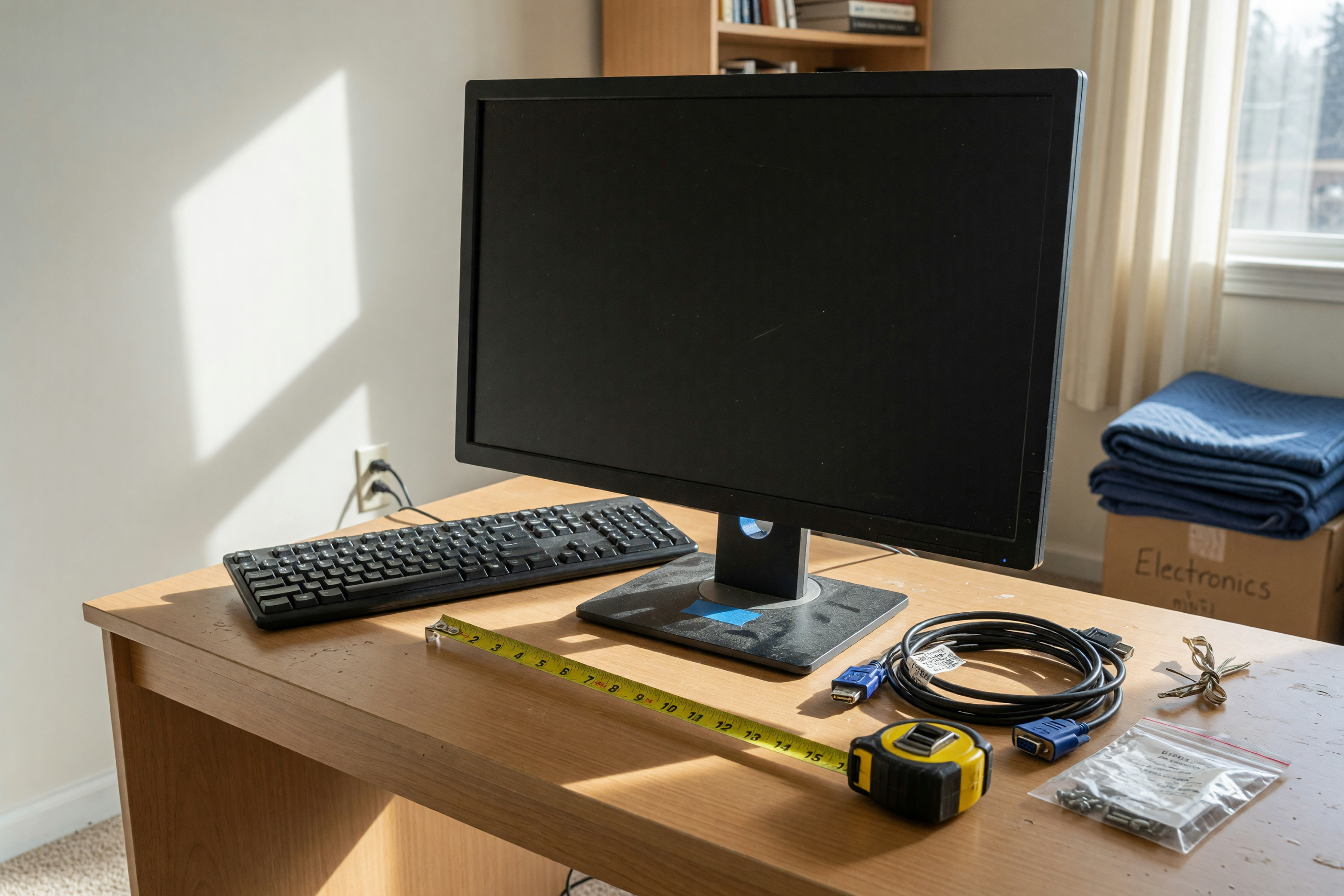
Monitor sellers need specs and condition proof before choosing a price: used monitor pricing and listing checklist
Frequently asked questions
How do I stop buyers from lowballing my electronics?
Remove the uncertainty that makes them hedge. List the exact model and specs, state battery and functional condition honestly, show the accessories included, and anchor your price to real local listings inside the post. When your listing answers every question up front and says the price is already below comparable units, a lowball offer looks unreasonable instead of clever.
Should I price based on what I originally paid?
No. What you paid is irrelevant to a buyer — they price from what your exact model and condition sell for locally today. Search current listings for the same device, note where the clean, well-photographed ones sit, and place your number just under them. Pricing to your old receipt is the fastest way to sit unsold while lowballers circle.
What condition details matter most for price?
The functional ones buyers fear most: battery or power health for anything portable, screen defects like dead pixels or burn-in for displays, and a confirmation that you tested the ports, wireless, and speakers. Cosmetic wear matters too, but a named scuff costs far less than a hidden fault a buyer discovers at pickup and uses to renegotiate or walk.
Is it better to price firm or leave room to negotiate?
Decide and say so clearly. If your price is already fair and researched, "priced to sell, firm" saves everyone time and skips the haggling. If you want a quick sale, "small offers OK" invites a reasonable $10–$20 nudge without opening the floodgates. The one thing to avoid is a vague "obo," which signals you will accept far less than you want.
Do I really need to include the charger and box?
They help more than most sellers think. A complete package — original charger, cables, box, and any controllers or accessories — lets buyers compare your listing to bare units and choose yours, which supports a higher price. Always factory reset the device and sign out of your accounts first, and say so in the listing; that single line removes a major trust blocker.
Where do I post used electronics on Brixaz?
Use the post form set to the electronics section, add your researched price and the checklist details, and upload your own daylight photos. Posting is free and puts your device in front of local buyers who can meet the same week and pay in person.



Comments
Loading comments...
Checking sign-in status...