
Sell Used Sports Equipment: Size, Wear, Pickup Details
A practical seller guide for turning cleats, rackets, bats, helmets, pads, golf clubs, and outdoor gear into clear local listings.
ARTICLE LANGUAGE
Showing original language
If you have cleats outgrown after one season, a tennis racket sitting in the closet, golf clubs you no longer swing, or kids' pads from last year, you can post used sports equipment on Brixaz without paying a listing fee or sending buyers through a checkout system. The fastest useful listing is not the longest one. It is the one that tells a local buyer what sport it fits, what size it is, what condition it is in, and how pickup will work.
This guide is for the seller who can post today: a parent clearing a garage, a student leaving campus, a coach moving team extras, or an athlete replacing gear before the next season starts. Brixaz is still in founding-seller mode, which means the audience is smaller than the biggest marketplaces, but early sellers face less category competition, can publish free, and can handle replies by direct contact. There is no guaranteed sale or view count. The practical advantage is that a clean listing has room to stand out.
Start with the exact gear, sport, and buyer
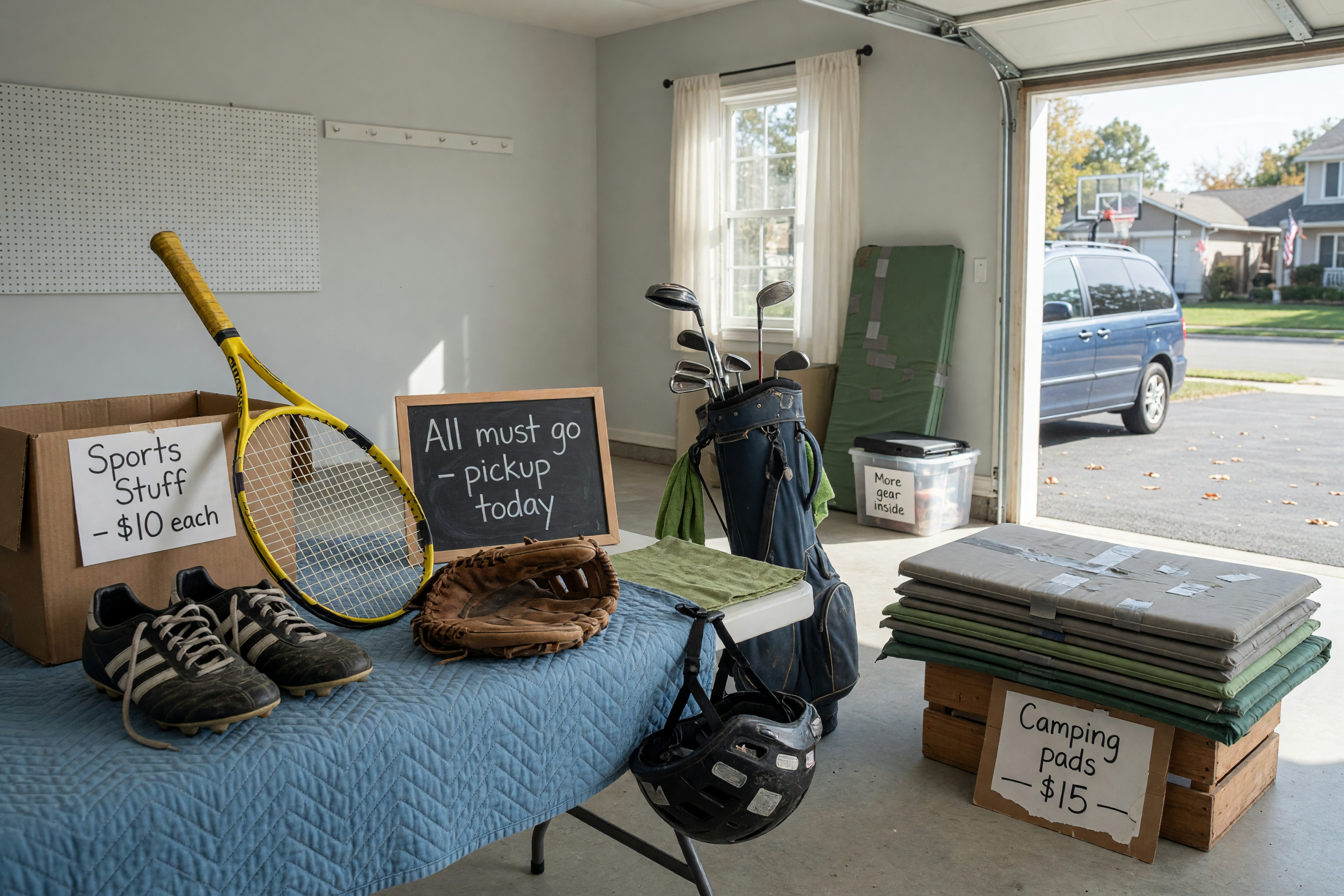
A sports listing gets weak when it says only "sports stuff" or "gear bundle." Buyers search and compare by activity, size, age range, and whether the item is ready for practice this week. Before you write the title, decide whether you are selling one item, a matched set, or a starter bundle.
Good single-item listings include "Easton youth baseball bat, 29 inch," "women's size 8 soccer cleats," or "adult tennis racket with case." Good bundle listings include "youth soccer starter bundle, size 4 ball and shin guards" or "camping pad pair for weekend trips." If the items do not naturally go together, split them into separate listings. A buyer looking for golf clubs may not want a basketball hoop, and mixed bundles invite extra questions.
The hard conversion question is simple: who can post after reading this? Someone with usable sports gear they can hand to a local buyer this week. What should they post? One clearly named item or bundle with size, wear, season, included pieces, and pickup terms. Which route should they use? The sporting goods posting form above, already set for a selling listing.
Write size and fit details buyers can trust
Sports equipment is not like a coffee table where one tape measurement may be enough. Fit can decide whether a buyer messages at all. For clothing and footwear, include labeled size, gender or youth/adult fit when relevant, and any brand-specific fit note that is obvious from use, such as "runs narrow" or "fits like a youth large." For bats, rackets, clubs, skis, boards, helmets, and pads, write the measurement printed on the item and one real-world note that helps the buyer decide.
Bad listing copy: "Used baseball stuff, good condition, pickup only."
Better listing copy: "Youth baseball bundle: 29 inch bat, right-hand glove, size small batting helmet, and two practice balls. Used for one spring season. Helmet has surface scuffs but no cracks I can see. Pickup near the north side after 5 pm."
That better version works because it reduces the first round of messages. The buyer knows whether the bundle fits their player, what is included, what wear to expect, and when pickup is possible. If you want help turning notes into a cleaner draft, use the Brixaz listing template generator after you gather sizes and photos.
Show wear honestly without killing buyer interest
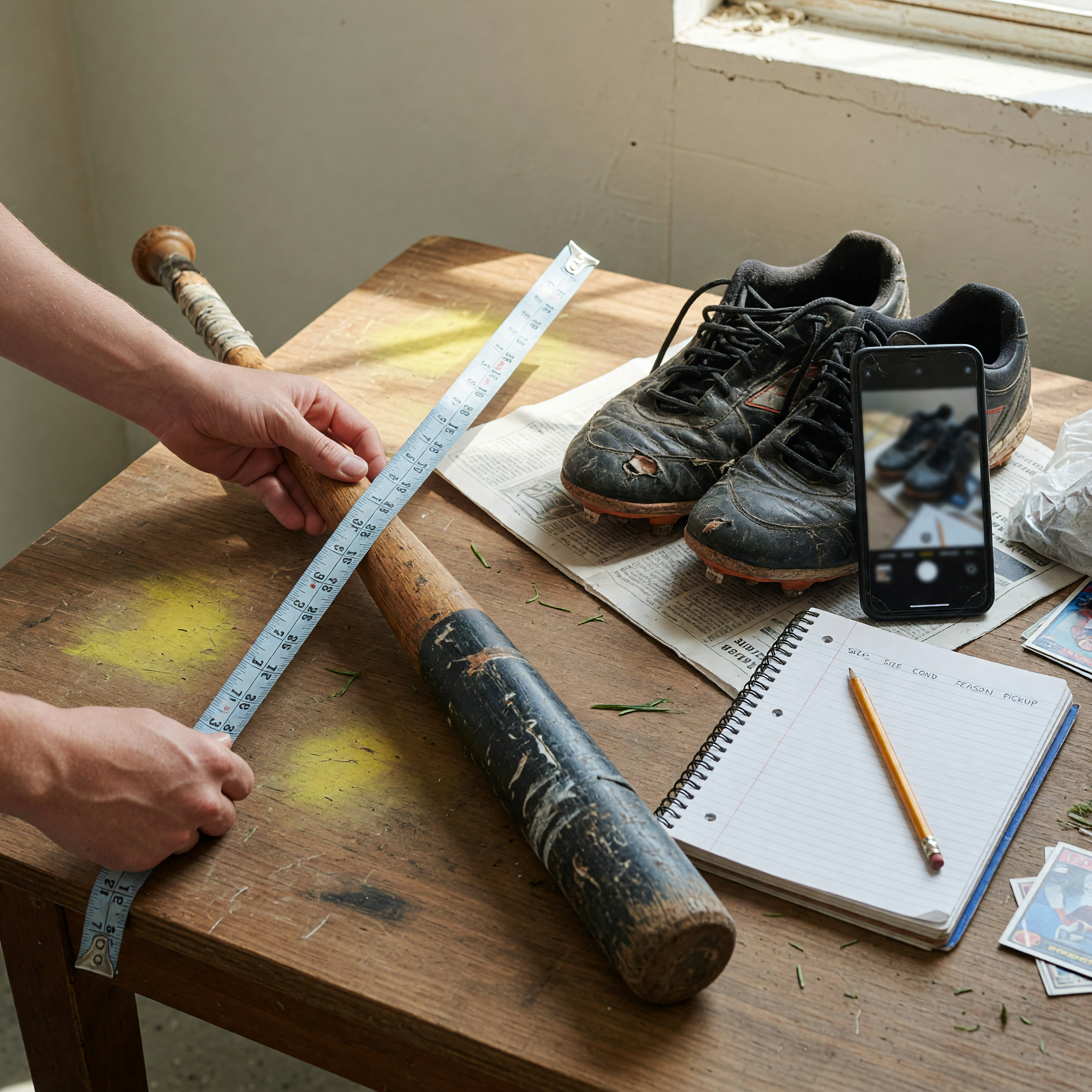
Used sports equipment sells on trust. A buyer does not expect new condition, but they do expect the listing to name the wear that affects performance, safety, or appearance. Instead of writing "normal wear," describe the visible facts: sole tread, grip tackiness, missing screws, scratches, rust, dents, frayed straps, padding compression, loose stitching, stains, or battery condition for electronic training gear.
Separate cosmetic wear from functional issues. "Scuffs on the helmet shell" is different from "helmet has a crack." "Tennis grip should be replaced" is different from "frame is bent." If there is a safety concern, say so plainly or do not sell the item for use. Helmets, pads, child carriers, and protective gear deserve extra care because the buyer is not just comparing price; they are judging whether the item is still appropriate to use.
A useful condition paragraph can be short: "Used two seasons. Cleats have dirt marks and heel wear, but studs are intact. No torn seams. Laces included. See photos of both soles." That gives the buyer a reason to trust you, and it protects your time because the photos and description match.
Use season timing and price signals without inventing demand
Season matters. Cleats, pads, gloves, skis, snowboards, golf clubs, bikes, and camping gear all get more urgent when a local season, school tryout, league signup, or weather window is close. You do not need to claim that everyone is buying this week. Just make the listing easy to find for the person already looking.
Pricing should come from the item, not a guess dressed up as a market report. Check current local listings for comparable age, condition, and included pieces. Then decide whether your goal is maximum price, fast pickup, or clearing a bundle. If the item has missing parts or needs cleaning, price with that friction in mind. If you are unsure, the listing price checker can help you compare your asking price against the details you plan to publish.
For Brixaz, the original insight is category clarity. A used soccer bundle posted in the right sporting goods category can be discovered by local buyers scanning used items, while a vague "garage cleanout" title can disappear into general browsing. Direct contact also changes the job of the listing: it should answer enough up front that the first message can be about pickup, not basic facts.
Build a sports gear listing checklist
Use this checklist before you publish. It is meant to make the listing stronger in ten minutes, not turn a simple sale into paperwork.
| Listing field | What to include | Example |
|---|---|---|
| Title | Sport, item, size, and main condition note | Youth soccer cleats size 5, one season wear |
| Size or fit | Printed size, length, age range, hand, grip, or frame size | Right-hand glove, youth medium, broken in |
| Included pieces | Every item in the bundle and anything missing | Two rackets, three balls, one case; no net |
| Wear | Scuffs, tread, cracks, stains, dents, grip, straps, padding | Grip worn and should be replaced; frame straight |
| Season use | How long it was used, if you know it | Used for fall league and stored indoors |
| Pickup | City area, general timing, stairs or bulky-item notes | Pickup in Austin, evenings after 6 pm |
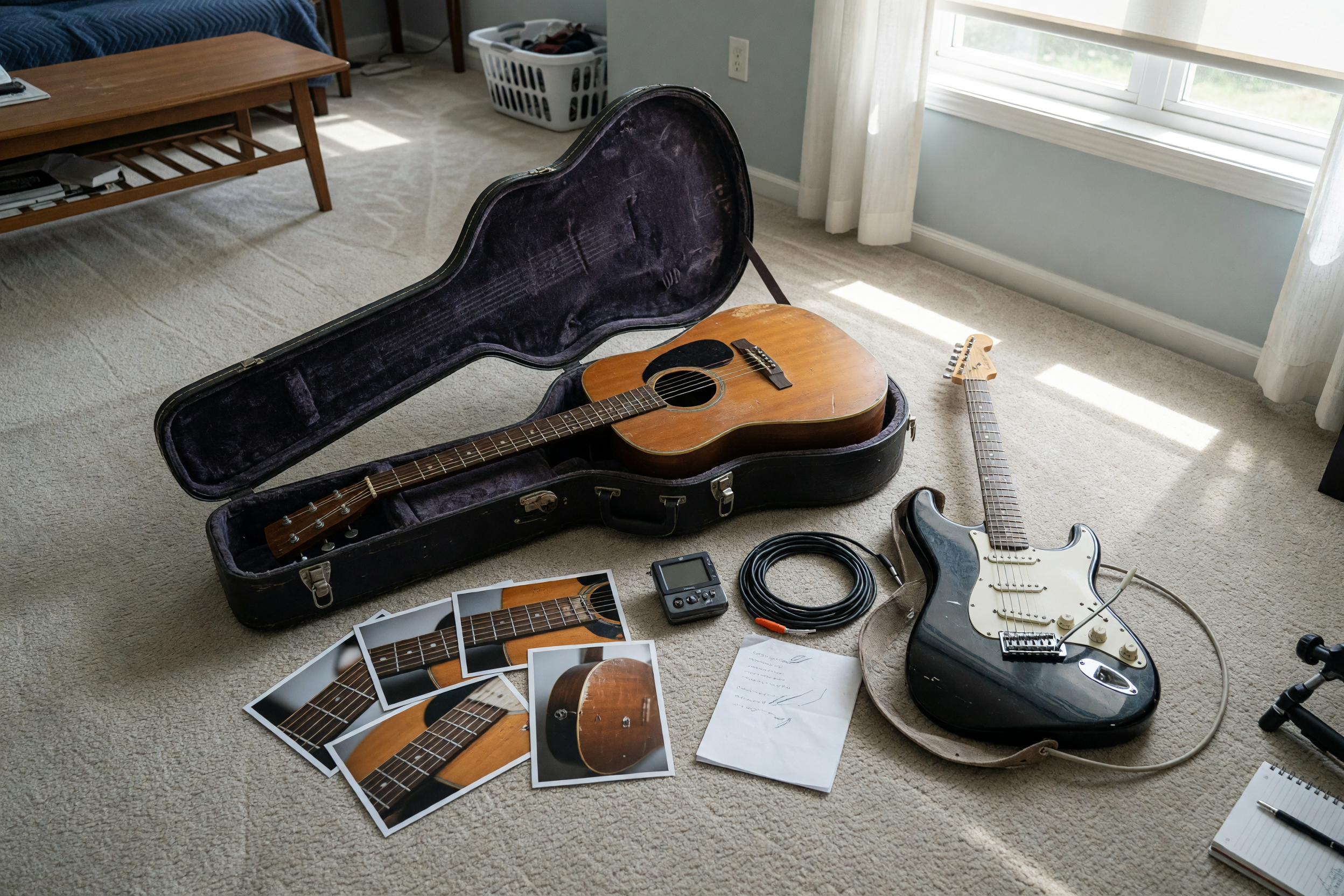
Photos should prove the same details. Take one full-item photo, one label or size photo, one wear close-up, and one bundle photo showing everything included. For larger gear such as goals, hoops, punching bags, boards, or golf sets, add a scale reference or measurement so the buyer can plan transport. Sellers with several categories of used items can also start from the broader sell used items path, but sports gear should still land in the specific sporting goods category when you post.
Set pickup terms that prevent last-minute confusion
Pickup is where many local sales fall apart. The listing does not need your full address, but it should give a general area and the practical terms. Say whether pickup is porch pickup, meet-up in a public place, garage pickup, or buyer-loads. If the item is bulky, write whether it is disassembled, whether help is available, and what vehicle size may be needed.
Good pickup wording: "Pickup near East Austin. I can meet in a public parking lot for small items. For the portable goal, buyer loads from garage; it folds but is still long." That is more useful than "must pick up." It tells the buyer how to behave and helps you avoid negotiating logistics after they arrive.
Keep safety boundaries clear. Do not invite strangers inside for small gear. Do not hold an item indefinitely without a confirmed time. Do not accept complicated payment stories. For expensive equipment, meet in a public place when practical and let someone know your pickup plan. Brixaz supports direct contact, so the listing should make the next message concrete: "Is Tuesday after 6 pm available?" is better than "Is this still available?"
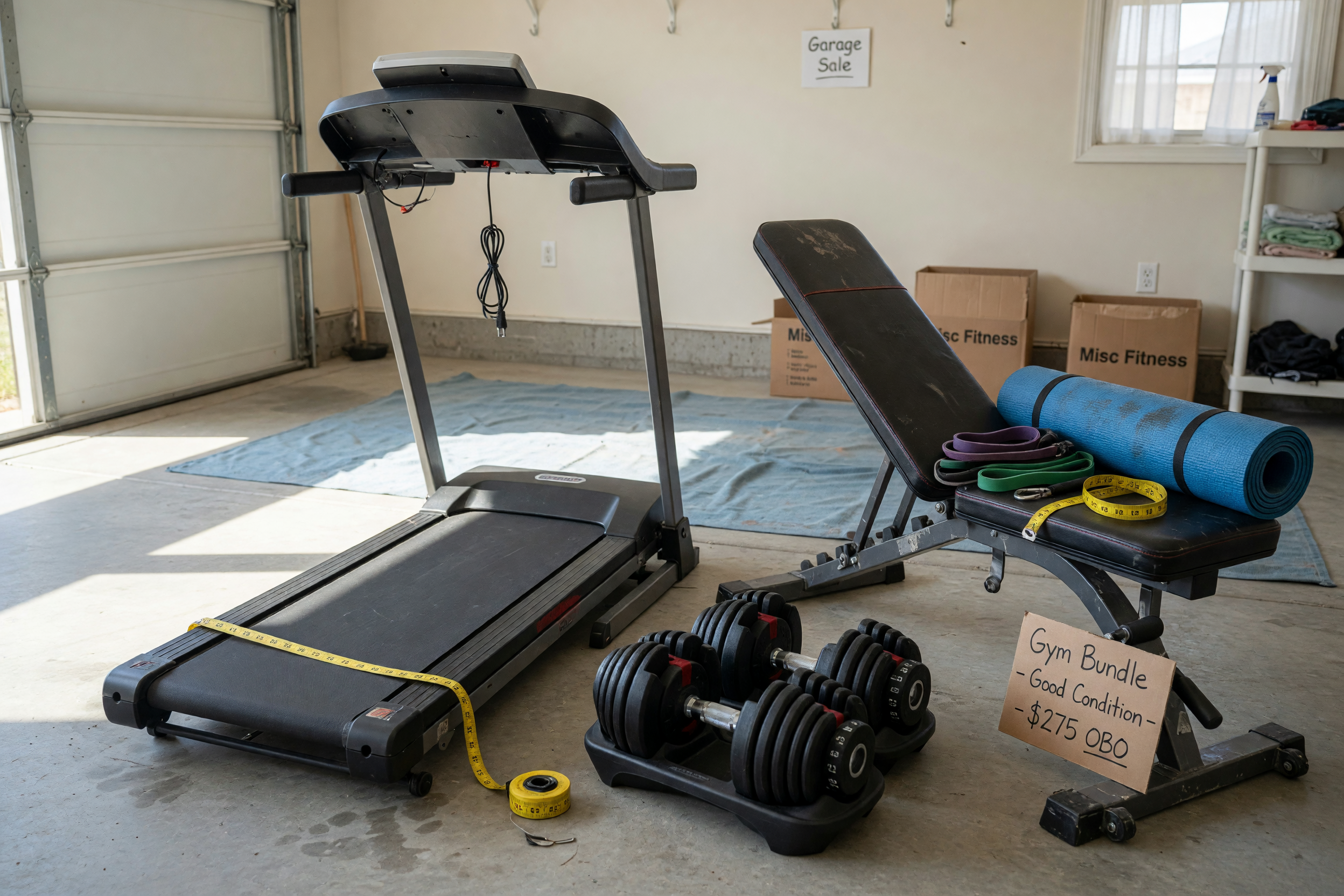
If the gear is more fitness-focused than team-sport focused, use this related guide to sell used exercise equipment locally
FAQ
What is the best title for used sports equipment?
Use the sport, item, size, and condition in plain words. "Youth baseball bat 29 inch, one season use" is stronger than "baseball gear" because the buyer can decide whether it fits before opening the listing.
Should I sell sports gear as a bundle or separate listings?
Bundle items that fit the same buyer: same sport, size range, season, or activity. Split unrelated items so each listing can have the right category, title, photos, and price.
What wear should I disclose?
Disclose wear that affects fit, safety, performance, or buyer expectations: cracks, dents, rust, worn grips, thin tread, frayed straps, stains, missing parts, weak padding, or anything that needs replacement.
Can I sell used helmets or protective pads?
You can list them only if you are comfortable describing their condition honestly. If there are cracks, unknown damage, missing straps, or safety doubts, say that clearly or avoid selling them for active use.
How many photos should I include?
Include at least four when possible: full item, size label, wear close-up, and all included pieces together. For higher-priced gear, add extra angles and any model or serial plate that helps buyers compare.
What pickup details belong in the listing?
Give the city area, general pickup windows, whether you will meet publicly, and any loading notes. Keep your exact address for confirmed buyers, not the public listing.



Comments
Loading comments...
Checking sign-in status...