
How to Sell a Used Bike Locally (Photos, Size, and Pickup)
Sell your used bike faster with the exact photo shot list, the frame-size and drivetrain specs buyers ask for, fair pricing, and safe test-ride and pickup wording.
ARTICLE LANGUAGE
Showing original language
A used bike should be one of the easiest things to sell locally. Somebody in your city wants exactly what's hanging in your garage, and they want to ride it home this weekend. Yet the typical bike listing sits for two weeks pulling nothing but "still available?" and lowball offers, until the seller drops the price and assumes nobody wanted it. Almost always the bike is fine. The listing just never answered the three questions every bike buyer asks before they'll drive across town: what size is it, what shape is the drivetrain in, and can I test-ride it.
This guide gives you the exact photo shot list, the measurements and specs that stop the "what size?" messages, a fair way to price it, and pickup wording that filters out no-shows. Work through it once and your bike stops attracting tire-kickers and starts pulling the buyers who show up with cash and a bike rack.
Why used bike listings stall
A bike is a size-specific, mechanical purchase, and a stranger is being asked to trust both from a phone screen. Frame size decides whether it's rideable at all, and the drivetrain decides whether it's a good deal or a project. One blurry photo of a bike leaned against a fence answers neither, so the serious buyer keeps scrolling to a listing that does. The bike isn't the problem — the missing information is.
The fix is easy because a bike doesn't move and its condition is visible. You just have to show it completely and honestly. On Brixaz, buyers message you directly with no middle layer, so a listing that already shows the frame size, the gears, the tire tread, and the honest scratches means the first message you get is "can I ride it Saturday?" instead of "what size is this?"
The photo shot list every used bike needs
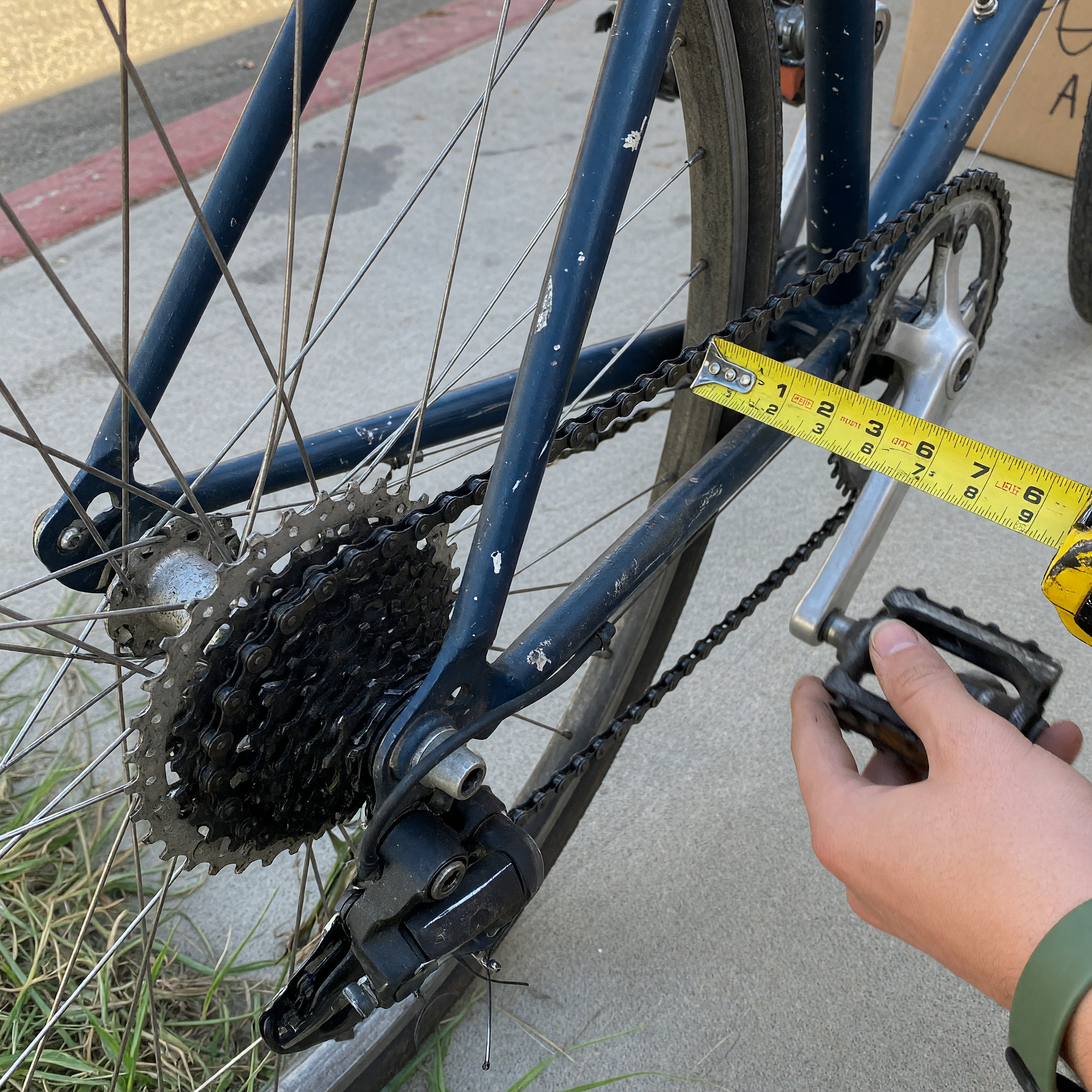
Shoot in daylight with the bike standing on a kickstand or leaned upright, cranks at a clean angle, against a plain-ish background so the frame lines read clearly. Six to eight photos is the sweet spot — enough to answer everything without burying the important shots.
- Full side profile, drive side — the hero shot. Whole bike level in frame, chain and gears facing the camera.
- Full side profile, non-drive side — proves both sides and shows any lean-over scratches.
- Drivetrain close-up — chain, cassette, and derailleur. A clean or rusty drivetrain is the single biggest value signal.
- Both tires, tread and sidewall — buyers want to see tread left and no cracked, dry-rotted rubber.
- Cockpit — bars, shifters, and brake levers, so buyers see the controls and any grip wear.
- Brakes and rotors or pads — a close shot of the pad or rotor tells buyers how much life is left.
- The one flaw, up close — the scratch, dent, or rust spot you'll mention. Showing it builds trust, not doubt.
- Serial number or size stamp — a photo of the frame size marking answers the top question before it's asked.
If you want the fields prompted for you as you shoot, the Brixaz listing assistant walks you through what bike buyers expect to see so you don't forget the drivetrain shot or the size.
Measure and spec it before you post
Half of bike questions are "will it fit me?" Answer that in the listing and you skip an entire round of messages. You don't need a bike shop — a tape measure and the stampings on the frame get you most of the way. Here's what a vague listing leaves out versus what a serious one includes:
| Field | Bad listing | Better listing |
|---|---|---|
| Bike type | "Nice bike" | "Hybrid commuter, flat bars, 700c wheels" |
| Frame size | Not listed | "Medium / 54 cm — fits about 5'7"–5'10"" |
| Wheel size | Not listed | "700c (fits standard road/hybrid tires)" |
| Gearing | "Lots of gears" | "3x8 (24-speed), shifts through all gears cleanly" |
| Brakes | Not listed | "Rim brakes, pads about 70% left" |
| Tires | "Good tires" | "Tread good, no dry rot, both hold air overnight" |
| Condition / use | "Barely used" | "Ridden ~2 seasons, stored indoors, tuned last spring" |
| Known issues | Not listed | "Small paint chip on top tube (photo 7); rear tire due soon" |
Frame size is the field that ends the most back-and-forth. If you don't know it, look for a stamped number near the bottom bracket or seat tube and give a rough rider-height range — buyers can work with "fits about 5'7" to 5'10"" far better than silence.
Price it so you don't get lowballed
Lowballs usually mean the price looks made up. When your number is anchored to something real, buyers argue less. Start from what the same model, size, and condition is actually selling for near you, then adjust for drivetrain wear, tire life, and any upgrades. A bike with a fresh tune and new tires deserves more than an identical one that needs both.
Check your number against the Brixaz price checker and browse what comparable bikes are going for on local search before you commit. Then price a little above your floor and say "reasonable offers OK" — it invites the serious buyer to make one offer instead of opening at half.
Write a caption that answers buyer questions
Photos pull buyers in; the caption closes them. Keep it scannable — a short intro line, then the specs as a quick list. Compare these two:
Bad: "Bike for sale. Good condition, rides great. $150 obo. Message for details."
Better: "Hybrid commuter bike, medium / 54 cm frame — fits about 5'7" to 5'10". 700c wheels, 3x8 (24-speed), shifts cleanly through every gear. Rim brakes with about 70% pad life, tires hold air overnight with good tread. Ridden two seasons, stored indoors, tuned last spring. One small paint chip on the top tube, shown in photo 7. Rides smooth and true. $150, reasonable offers OK. Local pickup near 78704, and you're welcome to test-ride it in the parking lot — bring a helmet and an ID."
The better version isn't padding — every line retires a question the buyer would otherwise have to ask. When it's ready, you can post the bike with the bicycle category prefilled so it lands in front of the right local riders instead of getting lost in a generic feed.
Make pickup and the test-ride safe and simple
A bike is one of the few used items a buyer expects to try before paying, so plan for the test-ride up front instead of being surprised by it. Spell out where and how in the listing and only the serious, prepared buyers will commit. Add two lines to the bottom:
- Test-ride: "Happy to let you ride it around the lot before you decide. Please bring a helmet and a photo ID, which I'll hold during the ride."
- Meetup & payment: "Local pickup near [neighborhood + ZIP]. Cash on pickup. I can meet daytime weekdays or Saturday morning — tell me a window and I'll hold it."
Holding an ID during a test-ride is a normal, reasonable ask that quietly prevents a ride-off, and buyers who balk at it are telling you something. Meet in a busy public spot in daylight — a grocery parking lot or a police-station exchange zone — have a second person along if you can, and don't take the listing down until the cash is in hand.
If your two-wheel listing has an engine, use this motorcycle listing checklist: used motorcycle listing
If you are cleaning out more than one piece of athletic gear: sell used sports equipment
If you are refreshing an older bike listing, use this newer checklist: sell a used bicycle with frame size and condition
For a more size-specific bicycle listing, see the newer guide to selling a used kids bike locally
FAQ: selling a used bike locally
How many photos should a used bike listing have?
Six to eight: both full side profiles, a drivetrain close-up, both tires, the cockpit, the brakes, one clear flaw shot, and the frame-size stamp. That answers every buyer question without burying the important shots under twenty near-identical ones.
How do I figure out the frame size if I don't know it?
Look for a stamped number near the bottom bracket or on the seat tube — that's usually the size in centimeters or as S/M/L. If there's no marking, measure from the center of the crank to the top of the seat tube and give a rough rider-height range like "fits about 5'7" to 5'10"." Buyers can work with an honest estimate; they can't work with silence.
What's the biggest thing that changes a used bike's value?
The drivetrain and tires. A clean chain and cassette that shift smoothly, plus tires with tread and no dry rot, signal a bike that was cared for and is ready to ride. Rust, a skipping chain, or cracked tires read as a project and pull the price down — so photograph these honestly and price accordingly.
Should I let a stranger test-ride the bike?
Yes, but with sensible guardrails. Meet in a busy public place in daylight, keep the ride to a visible parking lot or block, and hold the buyer's photo ID while they ride. A serious buyer expects to try a bike and won't mind reasonable terms; anyone who refuses them is a signal to pass.
How do I price a used bike so I don't get lowballed?
Anchor to real comparables — the same model, size, and condition selling near you — then adjust for drivetrain wear, tire life, and upgrades. Run it through the price checker, list a little above your floor, and add "reasonable offers OK." A number that's clearly tied to reality gets argued down far less than a round guess.
Where should I list a used bike to sell it locally?
List it in the vehicles section of a local marketplace where buyers browse by city and contact you directly, so there are no fees and no middle layer. Include the frame size and drivetrain condition in the post, and you'll hear from riders who already know it fits before they message.


Comments
Loading comments...
Checking sign-in status...