
Local Marketplace Near Me: Post Items People Actually Find
Nearby buyers are already searching for what you want gone. Here is how to post a used item so a local marketplace actually surfaces it — right category, real photos, honest price, and clear pickup.
ARTICLE LANGUAGE
Showing original language
When you type "local marketplace near me" into a phone, you are usually one of two people: someone hunting for a specific thing close enough to pick up today, or someone with a garage full of stuff who wants it gone without shipping a single box. This guide is for the second person — the seller — because the buyers are already looking. There are people within a few miles of you right now searching for exactly the couch, blender, stroller, or bike sitting unused in your home. Whether they ever find it comes down to how you post it.
The gap between a listing that sells in a day and one that sits for three weeks is not luck or price alone. It is findability. A used item that is filed under the wrong category, shot in bad light, and titled "stuff for sale" is invisible even when the perfect buyer is one neighborhood over. This walkthrough shows you how to post a used item so local buyers actually surface it, message you, and show up — with real before-and-after copy, a photo checklist, a pricing table, and pickup wording you can reuse on every listing.
Why "local marketplace near me" searches don't find your stuff
Local discovery works on matching. A buyer searches a category, a city, or a keyword, and the marketplace shows the listings that line up with all three. Miss any one of them and you drop out of results the buyer never scrolls past. That is why a genuinely good item — clean, working, fairly priced — can still get zero messages: it was posted in a way the search could not match to the people looking for it.
Three things quietly kill findability. The first is a vague or wrong category, so your dresser lands in "misc" instead of furniture where dresser shoppers browse. The second is a title with no searchable words, like "great deal" instead of "IKEA Malm 6-drawer dresser white." The third is a missing location, so nobody searching your city or ZIP ever sees it. Fix those three and you are already ahead of most of the local competition, because most sellers fix none of them.
You can browse how this looks from the buyer's side on the used items marketplace — notice which listings you would actually click and which you scroll past in half a second. The ones that stop you almost always share the same handful of traits, and every one of them is something you control for free.
Pick the right category so the right buyers find you
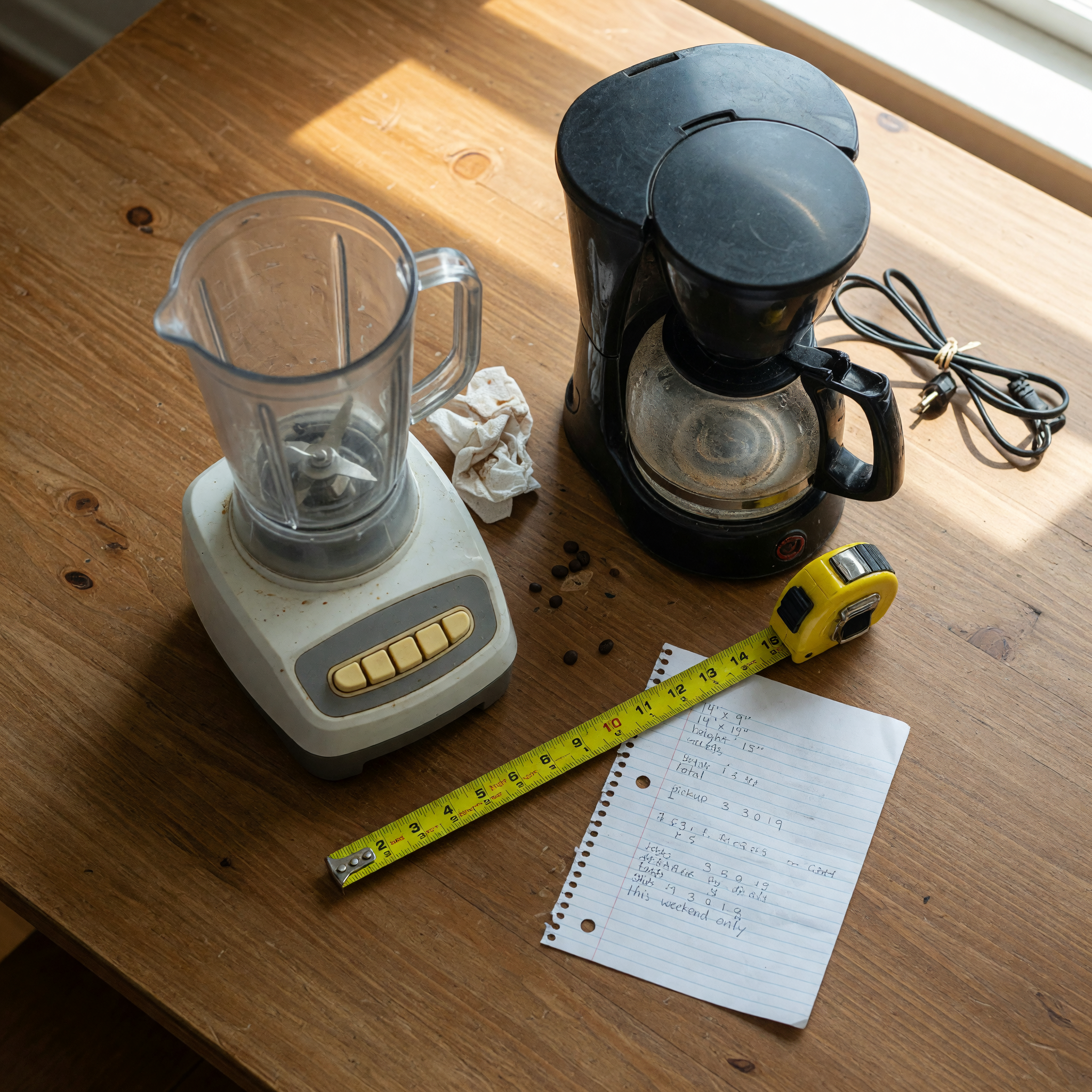
Category is the single biggest findability lever, because it decides which buyers ever see your item at all. Someone shopping for a sofa filters into furniture and never leaves it; if your sofa is sitting in a generic "for sale" bucket, that shopper never crosses paths with it no matter how good your photos are. Choose the closest specific category, not the broadest one that technically fits.
On Brixaz the main sections map to how people actually shop: furniture for couches, tables, dressers, and beds; electronics for phones, laptops, TVs, and appliances; plus vehicles, housing, and more. If your item is in good shape but you would rather give it away to clear space fast, the free section is its own destination buyers watch closely — posting there through a free listing often moves an item the same day. Match the item to where its buyers already are, and half the discovery work is done.
Take photos that make a used item findable and believable
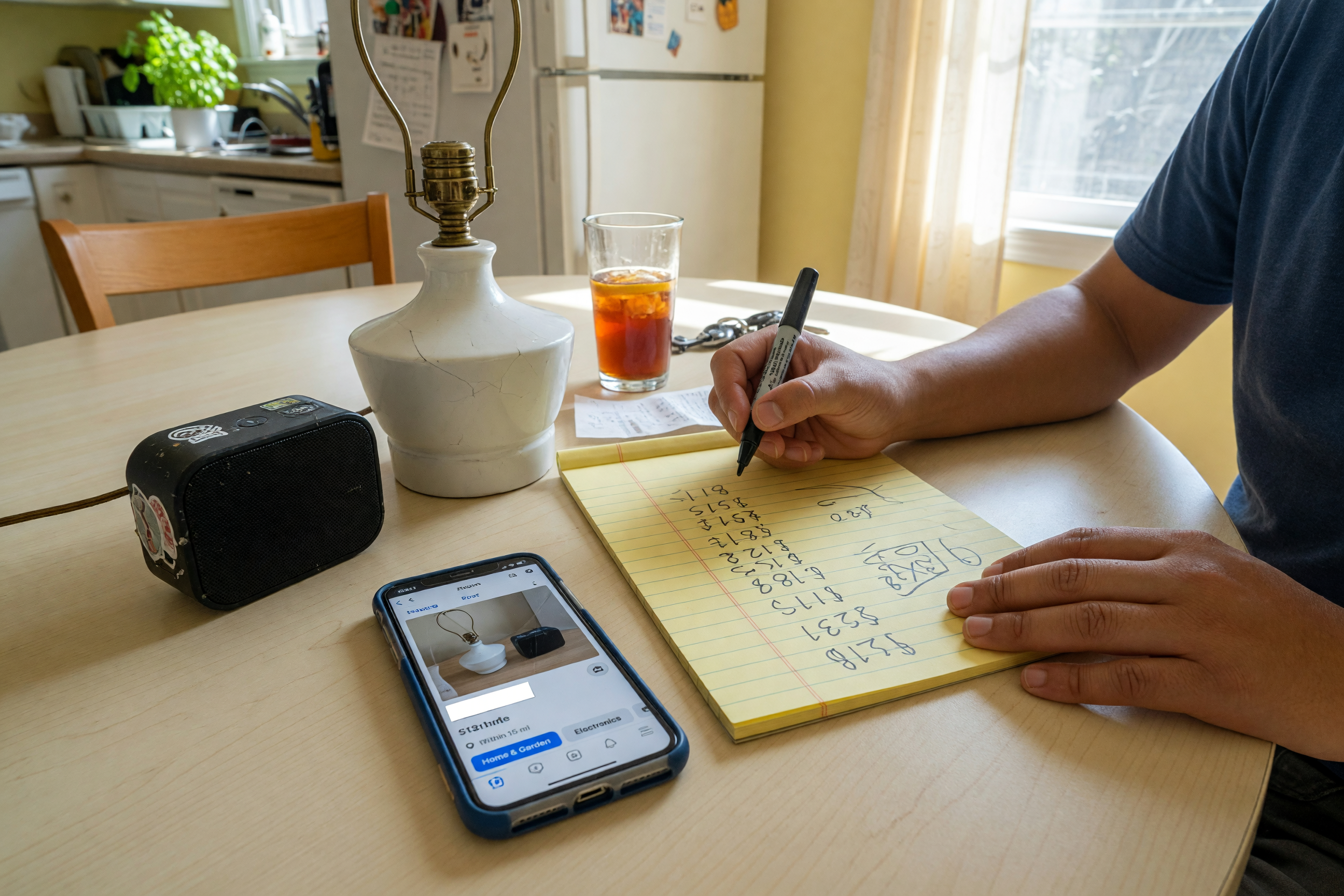
Photos do two jobs at once: they earn the click in a grid of thumbnails, and they answer the "what condition is it really in?" question that makes a buyer message instead of scroll on. A used item with one dark photo reads as a gamble. The same item with five honest, well-lit shots reads as a deal from someone who has nothing to hide. Buyers reward the second every time.
Use this quick checklist before you post any used item:
- Shoot in daylight near a window, not under a single yellow bulb. Natural light shows true color and real condition.
- Lead with the full item against a clean, uncluttered background so the buyer sees exactly what they get.
- Add angles — front, side, back, and a close-up of any brand label, model number, or serial tag.
- Photograph the flaws — the scratch, the stain, the worn corner. Showing damage builds more trust than hiding it, and it stops the "you didn't mention this" cancellation at pickup.
- Include a scale cue for anything size-sensitive: a phone or a hand next to a small item, a full room shot for furniture.
Five clear photos take three minutes and do more for your reply rate than dropping the price twenty dollars. They are the cheapest upgrade a listing has.
Write a title and description buyers actually search
Your title is a search field, not a headline. Buyers type brand names, model numbers, sizes, and colors — so those exact words have to be in your title or you never appear in their results. "Great deal, must go" contains zero words anyone searches. Load the title with the specifics instead, and let the description answer the questions a buyer would otherwise have to message you to ask.
| Weak listing copy | Better, findable copy |
|---|---|
| "Dresser for sale" | "IKEA Malm 6-drawer dresser, white, 63x31 in, smoke-free home" |
| "Blender, works good" | "Ninja Professional blender 1000W, all parts, tested working" |
| "Kids bike" | "Boys 16-inch bike, ages 4-6, good tires, one small scuff on frame" |
| "Couch, message me" | "Gray 3-seat fabric sofa, 84 in wide, pet-free, small stain shown in photo 4" |
In the description, cover the fields buyers ask about most: exact dimensions, brand and model, age, why you are selling, what is included, and any flaws. A description that pre-answers those questions turns a curious browser into someone who messages ready to buy, instead of someone who opens a back-and-forth just to learn the sofa is too wide for their doorway.
Price it so local buyers don't scroll past
Local pricing is its own skill, and getting it roughly right is what keeps your listing near the top of a buyer's mind instead of buried under cheaper alternatives. Overprice and you get silence; underprice and you leave money on the table and attract resellers who lowball anyway. The fix is to anchor to what similar used items are actually listed at near you, not to what you paid new.
Search your own item on the marketplace first — filter the local listings search for the same brand and condition and see the real range. Then price a notch below the average if you want it gone this week, or at the average if you can wait. If you want a faster read than manual scrolling, the listing price checker gives you a starting range so you are not guessing. Whatever number you land on, put it in the listing; "make me an offer" with no price just filters out serious buyers who assume you will be difficult.
Nail pickup, location, and safe direct contact
The last mile of a local sale is logistics, and vague logistics kill deals that were otherwise done. A buyer who cannot tell where you are or when they can grab the item simply moves to the next listing. Spell it out: the general area or ZIP (not your exact door), the pickup window, and who handles moving a heavy item. "Pickup in the 78704 area, evenings and weekends, help loading available" answers three questions in one line and signals you are organized and real.
Here is the Brixaz-specific edge worth understanding: buyers message you directly through the listing, with no middle layer holding your contact hostage. That makes local deals fast, but it also means the trust your post earns is doing the work a big brand name would otherwise do. Clear photos, an honest flaw note, a real ZIP, and a firm price are what make a stranger comfortable driving over. For safety, meet in a public spot or your driveway for smaller items, keep the conversation in the message thread, take cash or an instant transfer at handoff, and never share bank details or ship an item that was posted for local pickup.
Looking instead of selling? flip it around and post a wanted listing
A useful next read for sellers bringing existing phone listings to Brixaz: vender un celular usado sin pagar comisión
Frequently asked questions
How do I get my listing to show up in local searches?
Match the three things local search filters on: the right specific category, a title with searchable words like brand, model, size, and color, and your city or ZIP in the listing. Most sellers miss at least one of those, which is why good items sit unseen. Nail all three and you appear in front of the buyers already looking for exactly what you have.
How many photos should a used item listing have?
Aim for five clear, daylight photos: the full item, two or three angles, a close-up of any label or model tag, and an honest shot of any flaw. More good photos raise your reply rate more reliably than a small price cut, because they answer the condition question that makes a buyer message instead of scroll past.
What price should I list a used item at?
Anchor to what similar used items near you are actually listed at, not what you paid new. Search your item on the marketplace or run it through the price checker to get a real range, then price a notch below average to sell this week or at average if you can wait. Always show a number — "make me an offer" scares off serious buyers.
Should I write the exact address in my listing?
No. Put the general area or ZIP and a pickup window so buyers can judge distance and timing, but keep your exact address in the direct message once you have agreed on the sale. That gives buyers enough to plan around while keeping your door private until you have a real, committed buyer coming over.
Is it worth listing an item for free instead of selling it?
Often, yes, if your goal is space rather than cash. A working item posted in the free section frequently moves the same day because buyers watch it closely for exactly that. It clears clutter fast, skips the price haggling entirely, and still puts your listing in front of nearby people who will come pick it up.
How do I stay safe selling to a local stranger?
Meet in a public place or your driveway for smaller items, keep all messages in the listing thread, and take cash or an instant transfer at handoff. Never share bank login details, and don't ship an item you posted for local pickup — that pattern is a common scam. Trust your read on anyone who dodges basic questions or pushes to move off-platform.



Comments
Loading comments...
Checking sign-in status...