
Buy and Sell Near Me: Make a Listing Worth Clicking
Most local listings get scrolled past in the search grid. Here's how to make your buy-and-sell post worth the click: photo, title, price, and pickup.
ARTICLE LANGUAGE
Showing original language
When someone searches buy and sell near me, they don't read listings—they scan a grid. Forty little cards of a photo, a price, and a few words of a title. In about a second per card, they decide what to tap and what to skip. Most items never get a message because the listing lost that one-second contest, not because the price was wrong.
This guide is about winning the tap. If you're posting a used couch, a coffee maker, a bike, or a box of kids' clothes, you'll learn how to make the card people actually click, and how to keep them once they land. Everything here you can do today from your phone before you post a used item.
What buyers actually see first (the search card)
Sellers write listings as if buyers open them one at a time and read top to bottom. They don't. On a local marketplace, buyers live in the results grid and make snap decisions from three things:
- The first photo shrunk to a thumbnail the size of a stamp.
- The price, which they use to sort "worth it" from "nope."
- The first 30–40 characters of your title before it gets cut off.
That's the whole audition. If those three don't earn a tap, nothing inside your listing matters—the great description, the honest measurements, the fair price—because no one opened it. So optimize the card first, then the page. Think of your listing as two jobs: the card earns the click, the page earns the message.
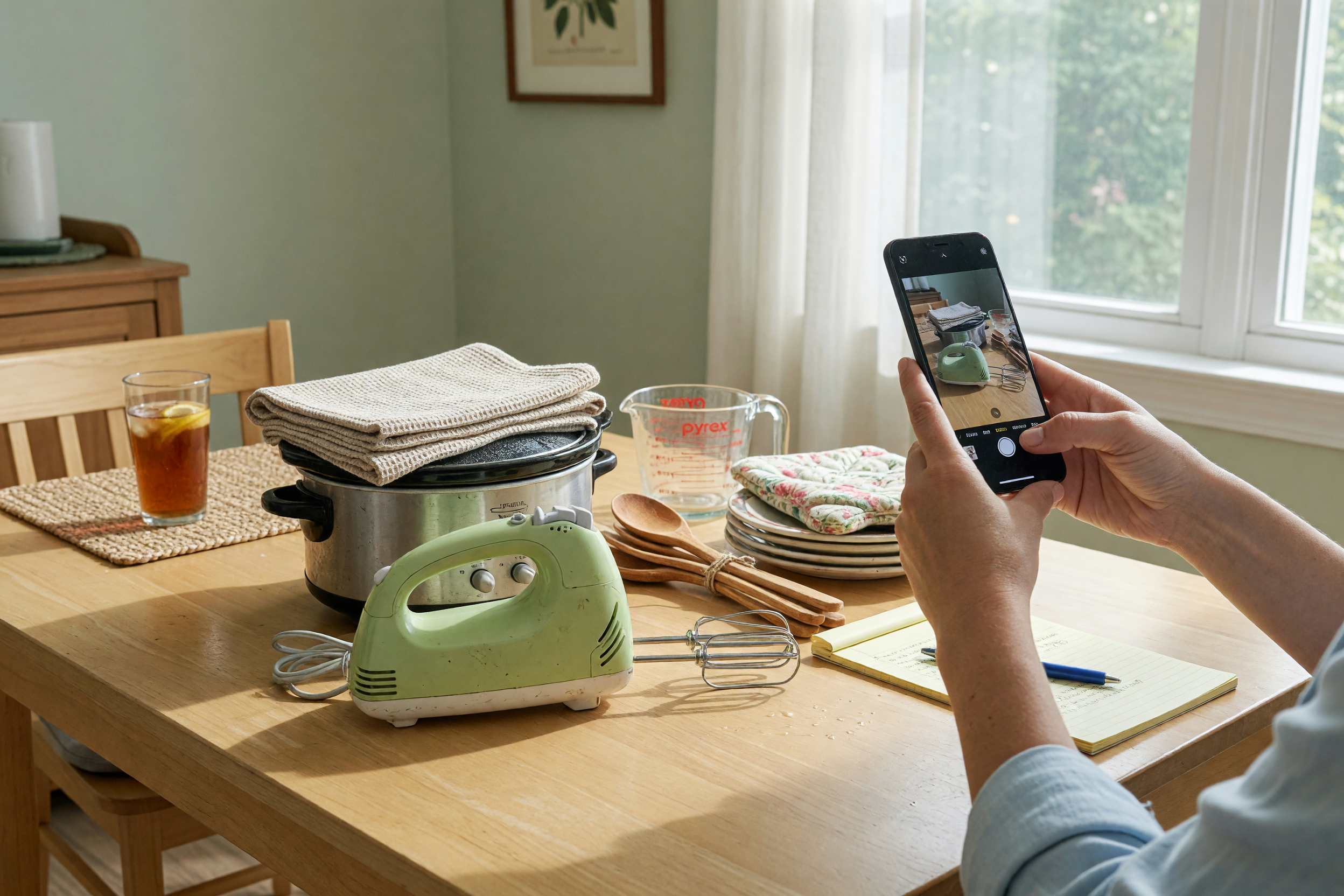
The first photo is your click—shoot the thumbnail, not the album
Your first photo is doing 80% of the work at thumbnail size. A dim, cluttered, far-away shot disappears in the grid no matter how good the item is. A bright, tight, front-on photo pops.
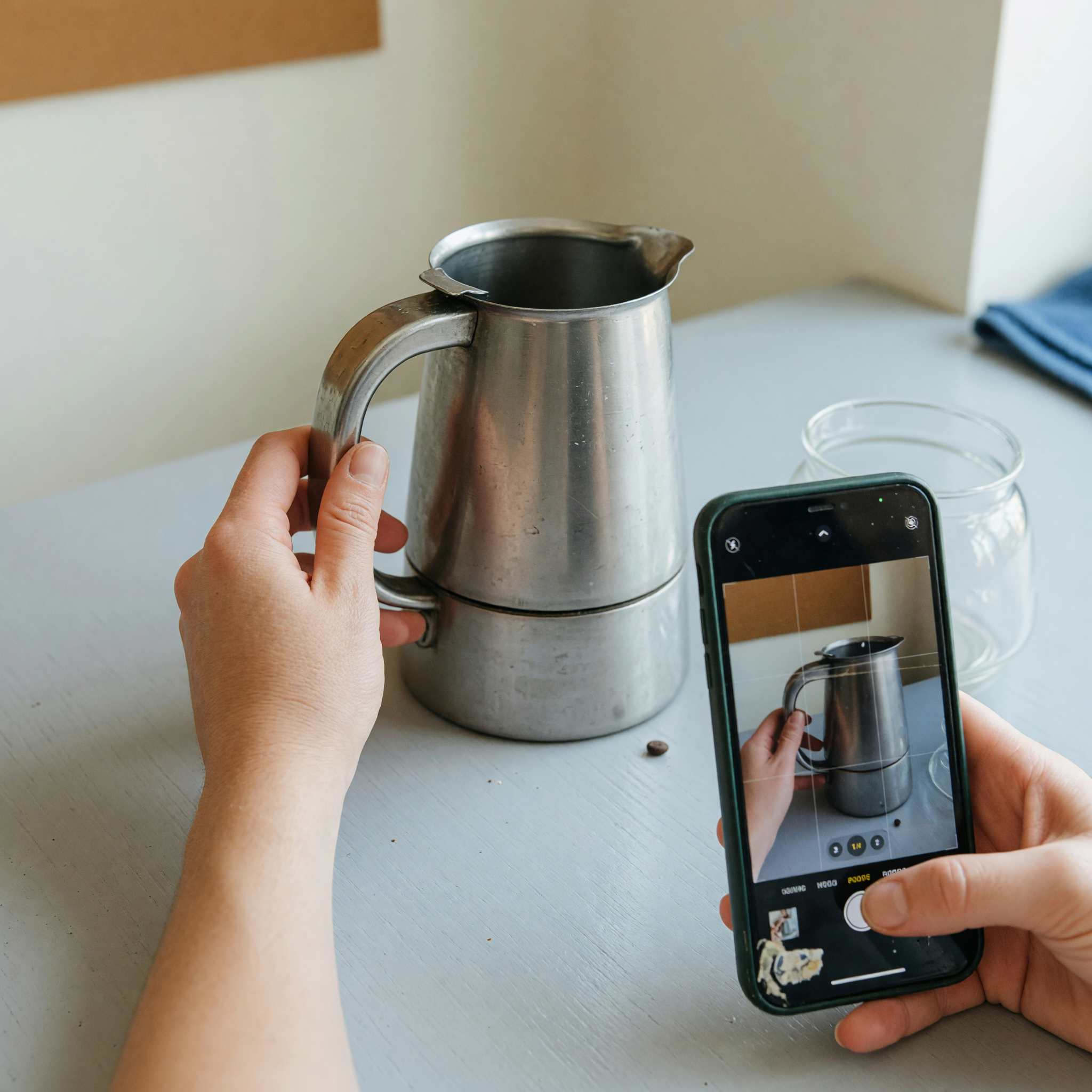
Shoot the first photo like it's the only one you get, then add the rest for detail. Use this quick photo checklist before you post:
- Daylight, no flash. Shoot near a window in the morning or late afternoon.
- Fill the frame. The item should take up most of the photo—no distant shots of a chair across a room.
- Clean background. A blank wall, a made bed, or a wiped counter. Clutter reads as "junk."
- Front-on hero shot first. The angle a buyer pictures using it.
- Then the honest details: any scratch, stain, worn corner, or missing part, in the same light.
Photograph the flaws on purpose. A visible scuff in photo four builds more trust than a flawless gallery, and it kills the "wait, why didn't you mention this" message that stalls a pickup.
Write a title that survives the grid
Your title gets truncated, so front-load the words a buyer would search and the words that signal condition and value. Lead with the item, brand, and one strong detail. Leave the fluff for the description.
| Weak title (scrolled past) | Better title (worth clicking) |
|---|---|
| Couch for sale | Gray 3-seat sofa, clean, smoke-free home — can help load |
| Coffee maker | Ninja drip coffee maker, 12-cup, works great, descaled |
| Kids stuff cheap | Boys clothes 4T bundle, ~20 pieces, washed, no stains |
| Bike | 26in Trek mountain bike, M frame, tuned, ready to ride |
Notice what the better titles do: they name the thing, add a search keyword (brand, size, dimension), and drop one trust signal ("smoke-free," "no stains," "tuned"). When you're ready, you can carry that title straight into a prefilled form and post your item in a couple of minutes.
Price is a click signal, not just a number
Buyers read price before they read anything else, and they read it as a signal about you. A round "$100" with no photos reads as a guess. A price a little under the obvious comparable, with clear photos, reads as "this seller is serious and reasonable—tap." Overpricing doesn't just lose the sale; it loses the click, so your listing never even starts a conversation.
Set the number from what similar items near you are actually asking, not what you paid. Search the same item on the marketplace, look at what's active versus what's been sitting, and land just under the crowd if you want it gone this week. If you'd rather not eyeball it, run the item through the listing price checker to get a realistic local range before you post.
Two more pricing habits that earn clicks: put the price in the price field (not "message me for price," which most buyers skip), and if you're open to offers, say "OBO" instead of pricing high and hoping. And for the stuff that isn't worth the hassle—half-used paint, mismatched glasses, a printer you can't sell—list it on Free Stuff. Free items move fast, clear your space, and often bring the neighbor who comes back for your paid listings.
The 10-second listing body that stops the message-and-ghost
Once a buyer taps in, you have about ten seconds to answer the questions that decide whether they message or bounce. Every unanswered question is a reason to leave. A tight body prevents the endless "is this still available / what are the dimensions / does it work" back-and-forth that burns out sellers.
Answer these, in plain lines, near the top:
- Condition, honestly: "Used, good shape. Small scratch on the left side, shown in photo 3."
- Key measurements or specs: width x depth x height for furniture; size for clothes; capacity or model for electronics.
- Why you're selling: "Upgrading," "moving," "kids outgrew it." It reassures buyers nothing's wrong.
- What's included: cables, remote, original box, extra parts—or clearly "no charger."
- Pickup basics: general area and rough availability.
Here's a Brixaz-specific edge most sellers miss: because Brixaz connects buyers and sellers by direct contact instead of routing everything through an app inbox, the buyer who messages you is usually ready to arrange a real pickup, not just window-shopping. That only works if your listing already answered the basics—so a buyer messages to say "I'll take it, when can I come?" rather than to start twenty questions.
Pickup, location, and safe direct contact that close the sale
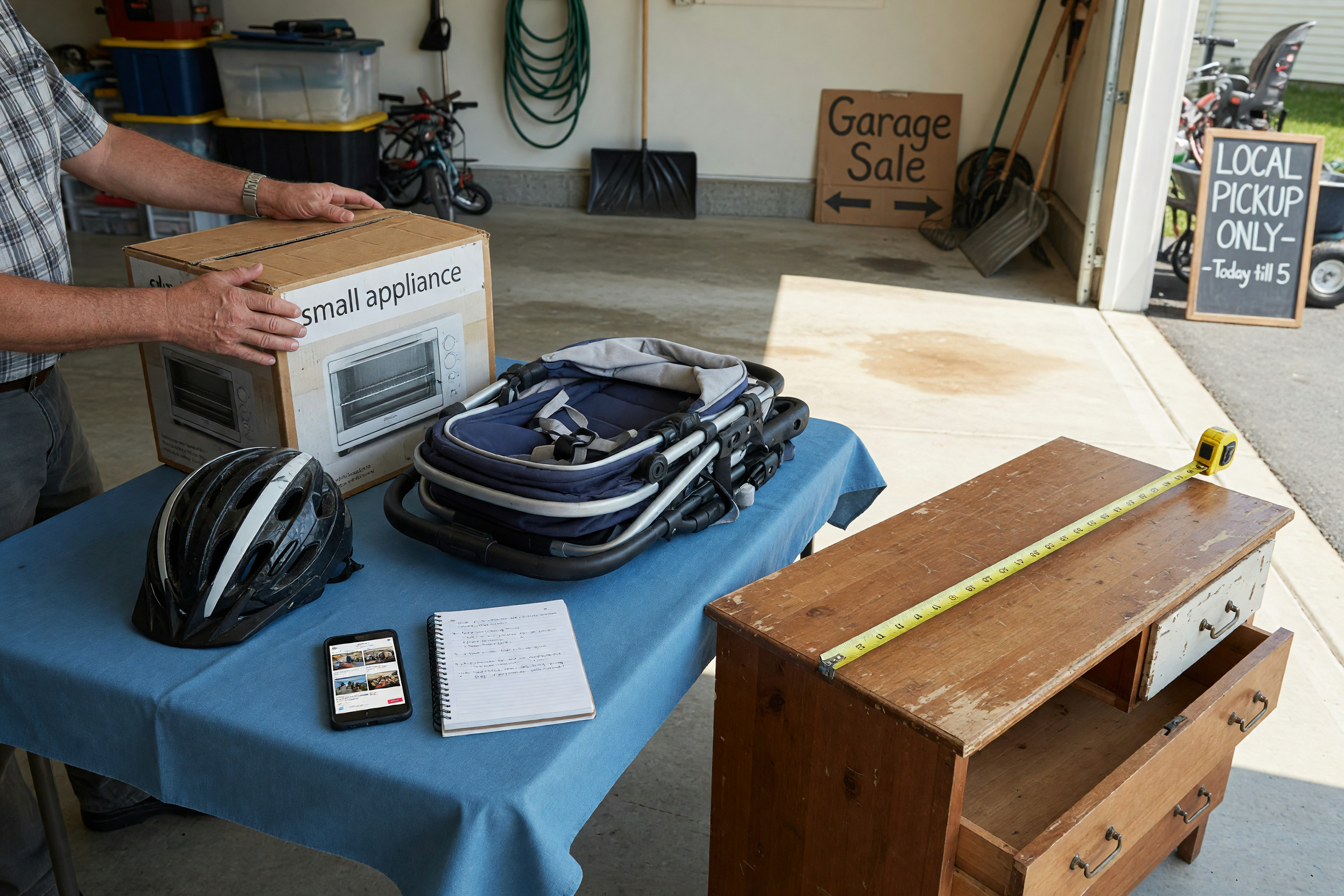
The final gap between "interested" and "sold" is logistics. Make pickup obvious and safe so the buyer can say yes without a negotiation. Name a general area, not your exact address, and pick a public, well-lit meeting spot for small items—a busy parking lot, a store entrance, or many police-station exchange zones.
Good pickup wording sounds like: "Pickup in the Riverside area, weekdays after 5 and weekends. I can meet at the Target lot on Main for smaller items. Cash or Venmo/Zelle at pickup." That one line removes three rounds of messages. For heavy items, add whether you can help carry and whether there are stairs—buyers bringing a friend and a truck need to know.
Keep money simple and in person: cash or an instant transfer app at pickup. Skip anyone who wants to "ship it," overpays, or pushes you off-platform to a "shipping agent." Choosing a clean category and your real city or ZIP when you post also matters—it puts your listing in front of the local buyers who can actually come get it, instead of scattering it nationwide where nobody's close enough to bother.
On the other side of the deal, buyers can post a wanted listing so sellers reply
If you want a pre-post checklist, read this before publishing: free classified ads post checklist
Frequently asked questions
How do I sell something near me fast?
Post it with a bright, tight first photo, a searchable title (item + brand + one detail), a fair local price in the price field, and clear pickup wording. Those four things earn the click and the message. Underprice the crowd slightly if you want it gone this week.
What's the best first photo for a listing?
A front-on hero shot in daylight that fills the frame against a clean background. It's judged at thumbnail size in the search grid, so a far-away or dim photo disappears no matter how nice the item is.
How should I price a used item?
Price from what similar items near you are actively asking, not what you paid. Land just under the obvious comparable to sell quickly, and put a real number in the price field—"message for price" gets skipped. A price checker gives you a realistic local range.
What details do buyers want before they message?
Honest condition (with flaws shown), key measurements or specs, what's included, why you're selling, and pickup area plus availability. Answering these up front stops the "is this available / what size / does it work" loop.
How do I arrange a safe pickup with a stranger?
Meet in a public, well-lit spot for small items, share a general area instead of your exact address, and take cash or an instant transfer at pickup. Ignore anyone who wants to ship, overpays, or pushes you to a "shipping agent."
Is it worth listing free items too?
Yes. Things that aren't worth the effort to sell still clear your space fast on Free Stuff, and free listings often bring nearby neighbors who come back for your paid items.



Comments
Loading comments...
Checking sign-in status...