
Finish the Listing Readers Started After Roommate Listing Template
If people opened your roommate draft but never finished reading, this guide shows how to turn that interest into a complete Brixaz listing with the details buyers expect.

ARTICLE LANGUAGE
Showing original language
If you can post today, start on conversion and keep the listing specific enough that a local buyer can decide fast.
Use why early listings matter if you want the no-fee, direct-contact trade-off in plain words.
Why Readers Stop Before the Listing Is Finished
Most unfinished roommate drafts fail for the same reason: they make the reader work too hard. When someone clicks a post and only sees fragments of rules, utilities, or move-in costs, they hesitate. They may like the room, but they do not yet know enough to decide. That pause is where a conversion is lost. A strong finish to the listing removes that hesitation by making the post feel complete, organized, and practical.
Think of the listing as a small decision path. First, the reader wants to know what the room is, who it is for, and whether the household setup fits their life. Then they look for the details that affect budget and comfort: rent, utilities, deposits, parking, pets, guests, and move-in timing. If any of those are hidden or scattered, the reader has to guess. Guessing lowers trust. A finished listing answers the obvious questions in the first pass so the reader can move from curiosity to action without friction.
Start With the Missing Facts Buyers Expect First
If you want to finish listing copy fast, begin with the facts that buyers scan for before anything else. Lead with the rent amount, what utilities are included, what utilities are shared, the deposit, and the earliest move-in date. If there is a lease term, mention it plainly. If the room is furnished, say so. If there is a private bath, a shared kitchen, or a reserved parking spot, include that too. These details are not extras. They are the foundation of trust.
Use short, direct language and keep the order consistent. Readers should not have to hunt through paragraphs to figure out the basics. A clean format makes the listing feel finished even before they read every line. If you still have gaps, state them clearly rather than leaving blanks. For example, say that utilities are split by bill, or that move-in costs depend on the exact start date. Clarity is better than vague wording, because vague wording makes the room seem harder to evaluate. The simpler the facts, the easier it is for a reader to keep going.

Turn Rules Into Confidence Instead of Red Flags
Rules are often the section sellers avoid, but they are one of the best tools for closing a listing. When written well, rules do not feel restrictive. They feel considerate. Buyers want to know whether the home is quiet, whether guests are allowed, whether smoking is allowed, and how shared spaces are used. If you list the rules early and clearly, you help the right people self-select and you reduce messages from mismatched leads.
Make the rules feel specific enough to be useful, but not so long that they become a warning label. A short list of household expectations can do a lot of work: quiet hours, cleaning habits, pet policy, guest policy, and shared-bathroom etiquette. If there are special rules around working from home or package delivery, include those too. The goal is not to sound strict. The goal is to show that the home is managed with care. A well-written rules section tells readers that they are dealing with a responsible roommate situation, which makes the post easier to trust and easier to finish reading.
Explain Utilities and Move-In Costs Without Confusion
Utilities and move-in costs are where many readers decide whether a listing feels affordable. If the numbers are confusing, they stop. So instead of burying cost details in a sentence, break them into clear categories. State what is included in rent, what is split, and what is paid separately. If utilities vary by season, say that. If internet is included but electricity is shared, say that. Readers are looking for the real monthly picture, not just the headline rent.
Move-in costs deserve the same treatment. Mention the deposit, first month’s rent, any cleaning fee, or any pro-rated amount for a mid-month start. If the total upfront cost depends on credit, lease length, or move-in date, explain the condition in plain terms. The more transparent this section is, the less back-and-forth you will need later. A complete listing should make the budget easy to understand at a glance. That is how you reduce uncertainty and keep the reader moving toward a decision instead of abandoning the page to figure it out elsewhere.
Write the Description So It Feels Real and Easy to Trust
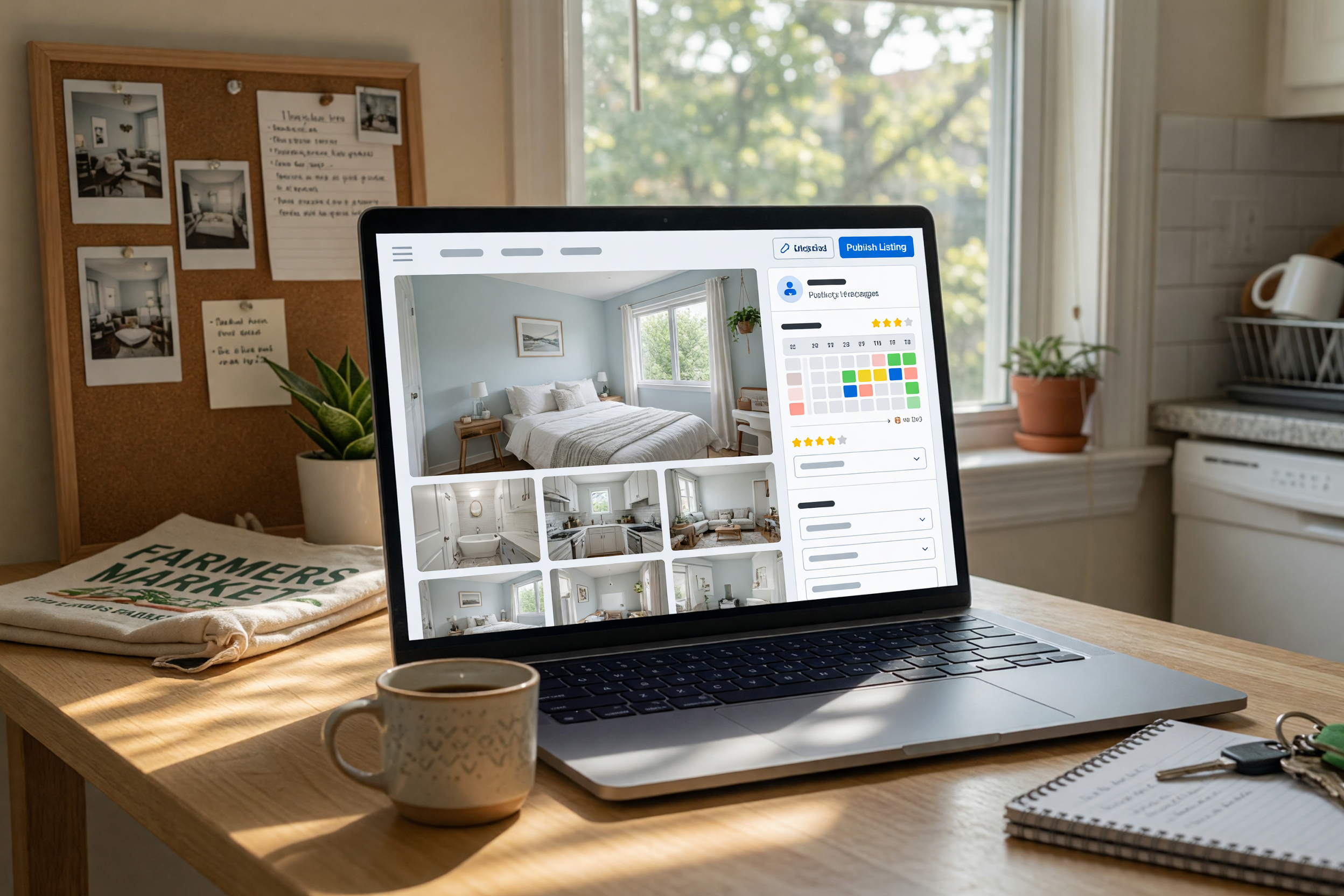
After the facts, the description should help the reader imagine daily life in the home. This is where you can describe the room size, natural light, storage, furniture, and what the shared spaces are like. Keep it concrete. Instead of saying the room is nice, say what makes it useful: enough space for a desk, a closet, a bed, or a quiet corner for remote work. Real details make a listing feel finished because they show that someone actually lives there and understands the space.
Trust also comes from tone. Avoid exaggerated promises or vague sales language. Readers usually respond better to straightforward wording that sounds human and accurate. Mention the kind of roommate fit you want, such as someone tidy, respectful, or comfortable with a shared schedule. If the home is best for one person rather than a couple, say so directly. If there are limits around pets, smoking, or noise, include them here if they were not covered above. The best descriptions reduce surprise. When a reader can picture the room and the living arrangement, they are more likely to continue instead of leaving to ask basic questions.
Use Structure to Help the Reader Reach the End
Even strong content can lose readers if the layout feels crowded. A finished listing needs structure that lets people move quickly from one key detail to the next. Start with a short opening summary, then present the essentials in a predictable order: room details, rules, utilities, move-in costs, and roommate fit. This order matches how buyers mentally evaluate a listing, so it feels natural rather than forced.
Short paragraphs help a lot. So do simple sentences and consistent terms. If you call something a deposit in one place, do not switch to another label later unless it means something different. If you mention shared bills, keep the wording consistent throughout the post. This kind of discipline makes the listing easier to scan and easier to trust. A reader should not need to decode your post before deciding whether to message. When the structure is calm and logical, the content feels more complete, and the listing becomes easier to finish, easier to understand, and easier to act on.
Use listing assistant when that is the next step.
Frequently asked questions
What does it mean to finish listing a roommate post?
It means filling in the details readers need to decide, especially rules, utilities, move-in costs, room features, and roommate fit.
Why do readers stop on a form open no listing draft?
They usually stop when the post looks incomplete, vague, or too hard to scan for the basics.
Should I list utilities inside the rent or separately?
List them in the clearest way possible and say exactly what is included, shared, or billed separately.
How detailed should roommate rules be?
Detailed enough to prevent confusion, but short enough that they feel helpful instead of intimidating.
What is the best way to present move-in costs?
Show the full upfront amount clearly, including deposit, first month’s rent, and any other required fees.




Comments
Loading comments...
Checking sign-in status...