
Finish the Farm or Ranch Listing Readers Started
If readers opened your farm or ranch draft but never finished, this guide shows how to complete the listing with the details buyers need to trust the land, the water, and the price.
ARTICLE LANGUAGE
Showing original language
If you can post today, start on conversion and keep the listing specific enough that a local buyer can decide fast.
Use why early listings matter if you want the no-fee, direct-contact trade-off in plain words.
Start With the Property Story, Not the Form
A strong farm or ranch listing starts before the form fields. First, decide what makes the property worth attention in one sentence. Is it size, water access, pasture quality, fencing, access roads, or a mix of all of these? That simple story becomes the backbone of the post and helps you avoid a random pile of facts.
When the listing feels unfinished, it is usually because the seller is trying to type everything in the order the form asks for it. Instead, think like a buyer. Buyers want a quick sense of land use, location, and practical value. If your main point is cattle-ready acreage with reliable water, say that early. If it is a quiet ranch with expansion potential, say that early too. The form should support the story, not create it.
This approach also makes the remaining fields easier to complete. Once the core message is clear, you can choose details that support it and skip the filler. That is how you finish the listing instead of leaving it half-built.
Use Numbers That Help Buyers Understand Value
Farm and ranch buyers pay close attention to numbers because numbers help them compare land quickly. Acres or hectares matter, but they are only the starting point. Add useful measurements such as usable pasture area, water points, irrigation coverage, barn size, fence condition, road frontage, or distance to town if it affects operations. The point is not to overload the post. The point is to make the land easier to evaluate.
Be careful with vague language like “large property” or “great potential” unless you support it with actual details. A reader can ignore a claim, but a number gives it weight. If the ranch has three wells, 12 paddocks, and year-round access, that is far more convincing than a general statement about being ready for livestock. If certain numbers are approximate, label them clearly so the post still feels honest.
Buyers often decide whether to continue reading based on these facts alone. When the numbers are specific, the listing feels complete, and the reader is more likely to trust the rest of the description.
Show Water Access and Land Use Clearly
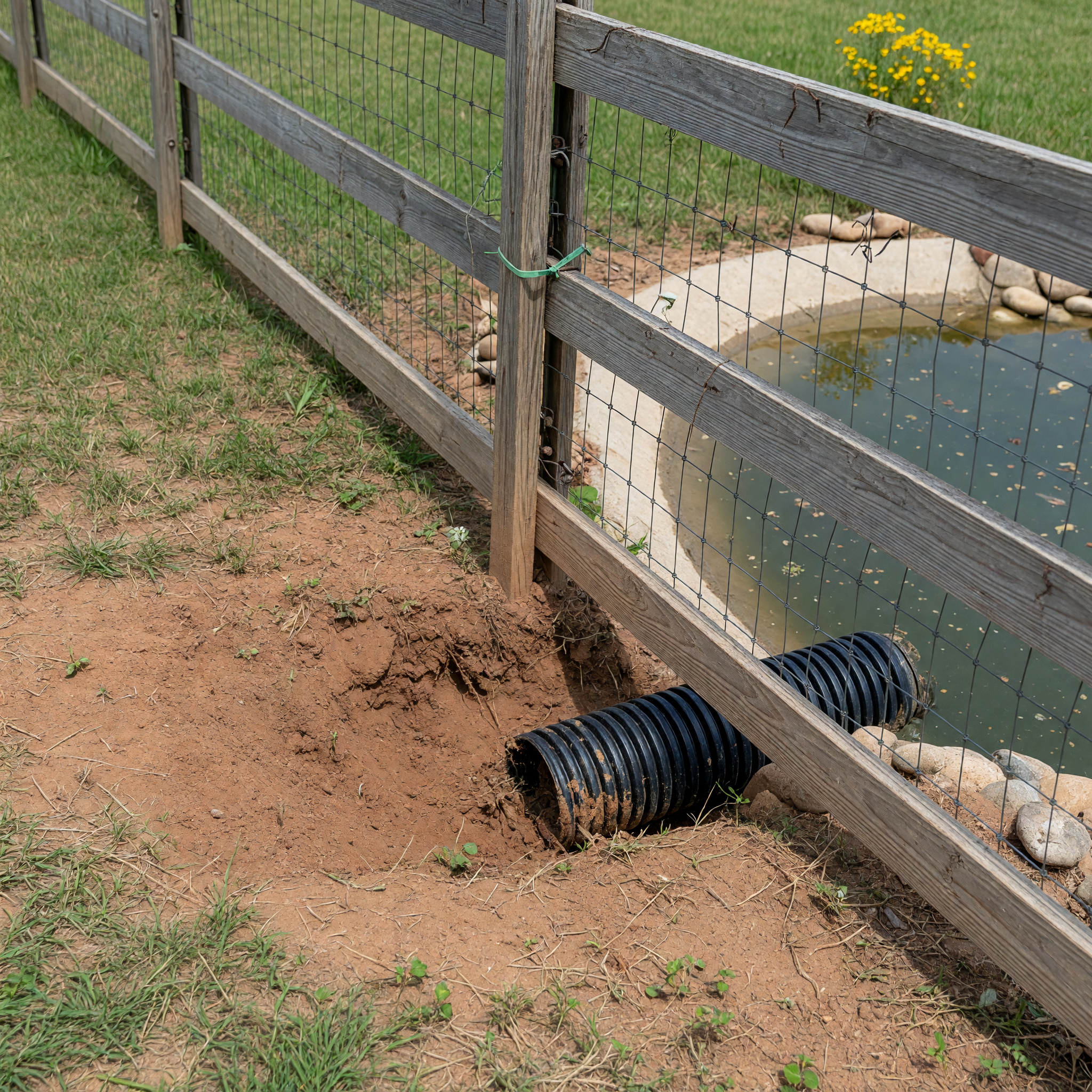
For rural property, water access can change the entire value story. Buyers want to know whether the land has a river, creek, pond, well, spring, irrigation line, or shared water rights. They also want to know whether that water is seasonal or dependable. If the property supports crops, grazing, or mixed use, explain how the water fits that purpose.
Land use matters just as much. A buyer reading a ranch listing wants to know if the property is best suited for livestock, hay production, recreation, future development, or a private retreat with agricultural value. If the land has areas that are fenced, cleared, wooded, or improved, describe them in practical terms. Avoid writing as if the entire property serves the same purpose when it does not.
When sellers leave these details out, readers cannot finish evaluating the listing in their heads. That creates hesitation. A clear explanation of water and use removes uncertainty and helps the buyer picture how the property works in real life.
Turn Features Into Proof Instead of Promotion
Many unfinished drafts repeat the same idea in different words: beautiful, peaceful, ideal, amazing. Those words do not finish the listing because they do not prove anything. Buyers need evidence. If the property is peaceful, show that it has distance from roads or neighboring homes. If it is ideal for horses, mention barns, turnout space, fencing, or riding access. If it has strong value, explain what buyers are actually getting for the price.
Proof can also come from condition. Note whether the house, barn, corral, or equipment storage is updated, maintained, or ready for use. If improvements have been made, list them in plain language. If there are limitations, say them honestly. A listing that includes both strengths and limits often feels more complete than one that only praises the property.
This is where many readers move from interest to action. They are not just looking for a nice-sounding post. They are looking for reasons the property fits their plans. The more your listing proves its value, the more likely it is to keep attention and reduce doubt.
Write for the Buyer Who Skims First
Most buyers do not read a rural listing from top to bottom on the first pass. They skim for the details that matter most to them. That means your finished listing should be easy to scan. Short paragraphs, clear facts, and logical order help the buyer move through the post without getting lost.
Put the strongest facts near the top. Then follow with land features, water, structures, access, and any restrictions or special conditions. If the listing includes multiple uses, separate them clearly. A buyer should be able to find the key information in seconds. If they need to search for whether the property has fencing, utility access, or usable acreage, the listing is harder to trust.
Good formatting is not decoration. It is part of the sale. A well-structured post makes the property feel more organized and more professional. That is especially important when the reader arrived from an article like How to Post a Farm or Ranch Listing That Shows Real Value and is now deciding whether to trust the final listing.
Check the Details That Keep the Form Open
Sometimes the listing is not finished because one missing detail keeps the draft from feeling complete. Common blockers include unclear location, missing price range, no water description, no access information, or photos that do not match the text. Before you publish, review the post as if you were a buyer with no prior context. Ask whether the listing answers the basics without making assumptions.
Also check for consistency. If you say the property is ready for livestock, make sure the photos and details support that. If you mention acreage, verify that the number is correct everywhere it appears. If you reference utilities, access roads, or improvements, make sure those facts are not buried or contradicted later in the draft. Small errors can make a strong listing feel unfinished.
The final pass is where the draft becomes usable. A completed listing does not need to be perfect, but it should feel coherent, specific, and ready for buyers to evaluate without extra back-and-forth.
Use listing assistant when that is the next step.
Frequently asked questions
What if my farm listing is still only a draft?
Start by writing one clear sentence about what makes the property valuable, then add the numbers, water details, and land use that support it.
How much detail should I include about water access?
Include enough detail for a buyer to understand whether the water is seasonal, reliable, shared, or supported by wells, ponds, or irrigation.
Should I mention problems in the listing?
Yes, if they affect value or buyer decisions. Honest limitations help the listing feel complete and reduce wasted inquiries.
What makes a farm or ranch post feel unfinished?
Vague language, missing numbers, no water description, and unclear land use are the most common reasons a listing feels incomplete.
How do I finish the listing faster?
Use a simple order: core value, size, water, land use, structures, access, and any limits. That sequence makes the draft easier to complete.

Comments
Loading comments...
Checking sign-in status...