
Finish the Listing Readers Started After “How to Sell a Boat or RV wit
If someone opened your listing and never finished it, the problem is usually clarity, not demand. This guide shows how to turn a started draft into a complete Brixaz post that answers the right questions fast.
ARTICLE LANGUAGE
Showing original language
If you can post today, start on conversion and keep the listing specific enough that a local buyer can decide fast.
Use why early listings matter if you want the no-fee, direct-contact trade-off in plain words.
Why a “Form Open, No Listing” Draft Loses Buyers
A draft that stays open too long often fails for a simple reason: it asks the buyer to do too much work. When someone sees a title, a few photos, and vague details, they have to guess condition, price logic, size, and next steps. That uncertainty slows interest and makes the listing feel unfinished, even if the item is real and available.
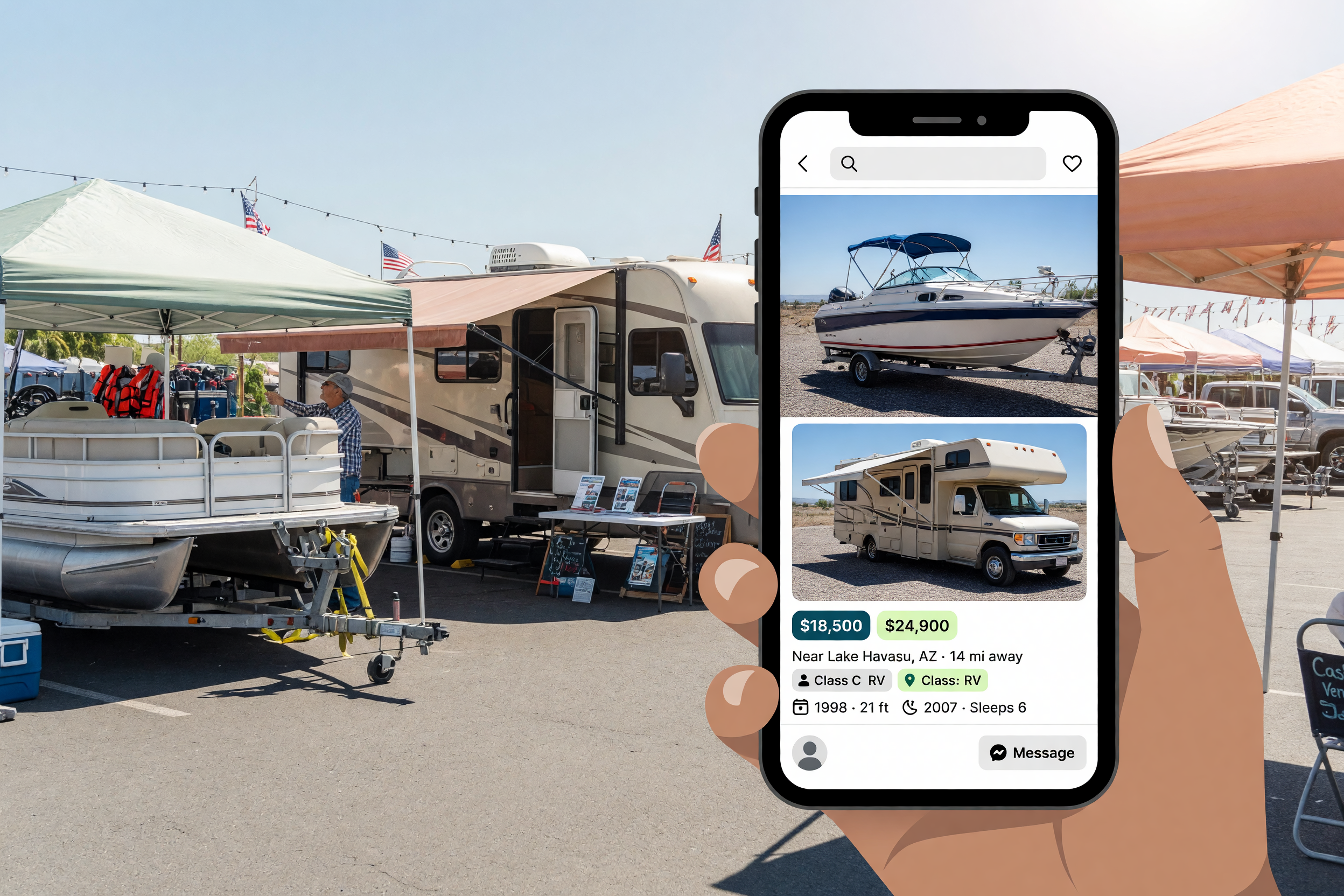
For boats and RVs, the risk is even higher because buyers compare many variables at once. Year, model, mileage or hours, storage history, maintenance, and title status all matter. If those details are hidden or scattered, the reader cannot build confidence. A better listing does not try to impress with flowery language. It reduces questions before they are asked.
Think of the listing as a decision page, not a story. The fastest way to keep readers moving is to answer the obvious questions in the first pass. If the form is open but the post is not finished, fill the gaps that make the buyer pause. Most lost leads come from missing basics, not from weak demand.
Start With the Details Buyers Check First
Begin with the facts a serious buyer scans immediately. For a boat, include make, model, year, length, engine type, hours, fuel type, and trailer status if relevant. For an RV, include class, length, year, mileage, floor plan, engine or tow setup, and whether the title is clean. These details create the frame that everything else hangs on.
After the core specs, add the condition notes that remove doubt. Mention what works well, what has been serviced, and any visible wear that a buyer would notice on arrival. Avoid vague lines like “great condition” unless you explain why. A listing becomes stronger when it states the truth plainly and leaves little room for surprise.
If you have records, say so. Maintenance history, recent work, and stored-out-of-season details can matter as much as age. Even small facts can help a buyer finish the mental math and keep reading. When the basics are missing, people assume the rest may be missing too. When the basics are complete, trust starts building immediately.
Write the Listing So It Feels Complete, Not Long
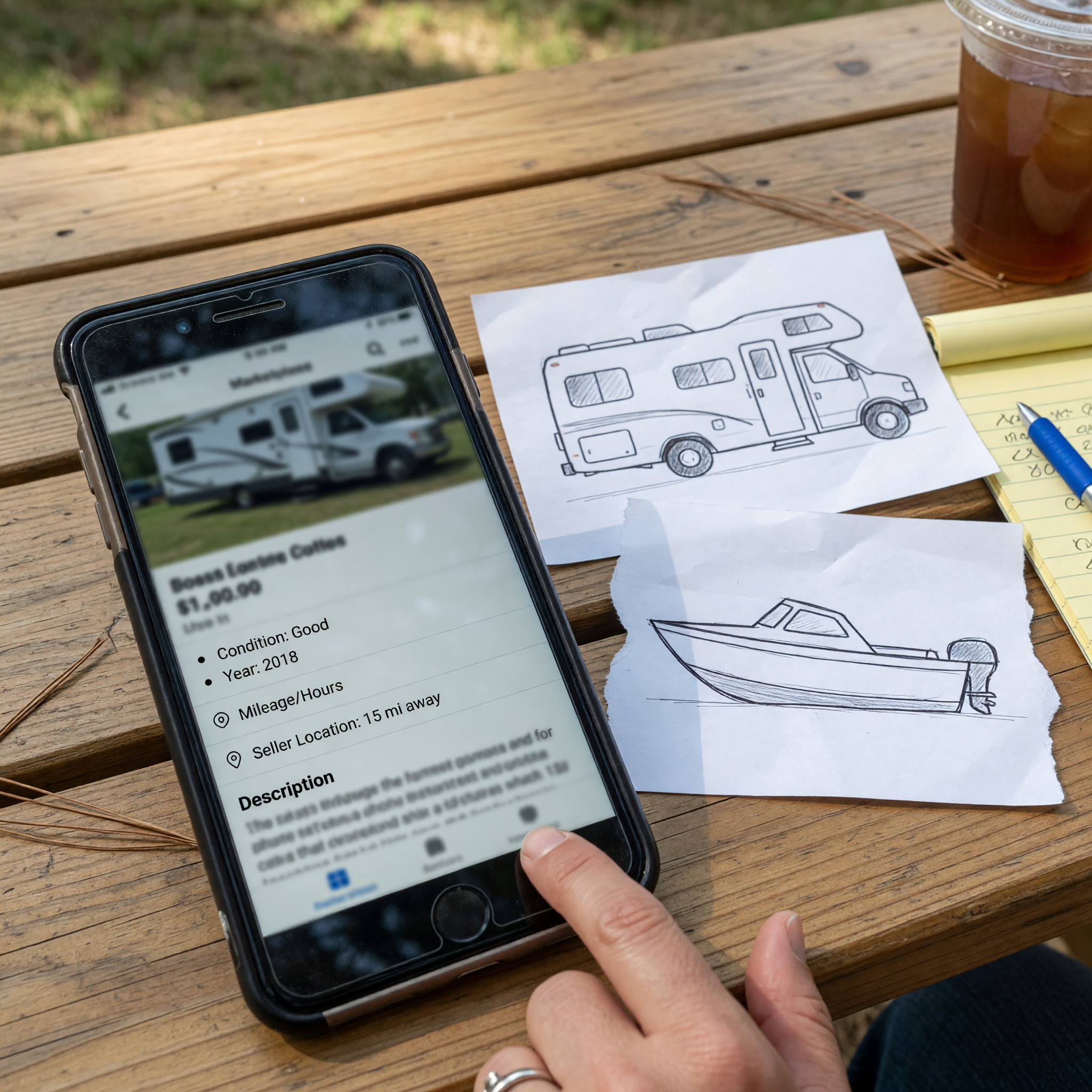
Many sellers think a stronger listing means more words, but completeness matters more than length. A buyer wants a clean path through the details: what it is, what condition it is in, why it is worth attention, and how to move forward. If each part is easy to find, the listing feels finished even if it stays concise.
Use short paragraphs and simple structure. Put the most important information near the top, then support it with practical notes below. Avoid mixing features, upgrades, and condition in one long block. Instead, separate them so the reader can scan and absorb the information quickly. This works especially well on mobile, where most buyers read in a hurry.
Clear language also helps you avoid accidental confusion. If the RV has a rebuilt component or the boat needs a minor repair, say it directly. Buyers do not expect perfection; they expect honesty. A complete listing sounds confident because it does not hide the tradeoffs. When the writing is clean, the reader can focus on the item instead of decoding the sentence structure.
Use Photos and Order to Finish the Story
Photos do more than show the item. They finish the listing by proving that the words match reality. Start with the strongest exterior image, then move to the interior, control areas, storage, tires or hull, and any feature that buyers care about most. A random photo order makes the post feel unfinished, while a thoughtful sequence creates momentum.
Make sure the images answer the same questions the text raises. If the listing mentions a clean interior, show it. If it notes a new seat, awning, battery, or cover, include a clear photo of that detail. Buyers often stop reading when the photos fail to support the description. Good order keeps them engaged because each image confirms another part of the story.
Also avoid dark, blurry, or duplicated photos. A small set of clear images beats a large set of weak ones. If possible, show one wide shot, one close-up, and one practical detail for each major area. That mix helps a buyer imagine the item in use and reduces the feeling that something is being hidden. Strong photos help the draft feel complete without adding extra text.
Answer the Questions That Usually Kill Replies
Most buyers decide whether to contact a seller based on the same few questions. Is the price realistic? Is the title ready? Are there hidden issues? Can I inspect it soon? If the listing does not answer these points, the buyer may leave without saying why. Your job is to surface those answers before they disappear into chat.
Price does not need a long explanation, but it should feel grounded. If the item has recent service, upgraded parts, or a desirable layout, mention the reason it stands out. If there is a known issue, disclose it in plain language and explain whether it affects use. Honesty tends to improve response quality because it filters for serious buyers.
Availability details also matter. State whether the item is ready for viewing, whether it is stored locally, and what kind of contact or scheduling is easiest. This turns passive interest into a possible next step. A buyer who can picture the inspection process is more likely to stay engaged. A listing that answers the practical questions feels finished because it removes the need for extra guessing.
Turn the Open Draft Into a Better Brixaz Post
Once the draft has the right facts, read it as a buyer would. If you can spot a gap in seconds, so can they. Tighten the title, put the most useful details first, and remove anything that sounds repetitive or uncertain. The best Brixaz posts are clear enough to scan and complete enough to trust.
Next, check whether the listing matches the item’s real value. If the boat or RV has a feature that helps justify the price, make sure it appears early. If the condition is average but honest, keep the tone direct and practical. A finished listing does not need hype to perform. It needs balance between usefulness and clarity.
Finally, compare your post to a simple standard: could a buyer decide whether to message you after one read? If not, something important is still missing. Add that detail, trim the rest, and review the flow again. When the listing reads like a complete answer instead of a half-open form, readers are far more likely to stay, trust, and respond.
Use listing assistant when that is the next step.
Frequently asked questions
What does a finished listing need most?
The most important thing is clarity. Buyers want the basics, the condition, and the next step without having to ask for every missing detail.
How long should a boat or RV listing be?
Long enough to answer the main buyer questions, but short enough to scan quickly. Clear structure matters more than word count.
Should I mention problems in the listing?
Yes. Honest condition notes build trust and help serious buyers decide faster. Hidden issues usually create more friction later.
Do photos really affect whether people reply?
Yes. Good photos confirm the details in the text and make the listing feel complete. Weak photos can make even a strong draft feel unfinished.
What if my draft already has most of the details?
Review it for gaps, repetition, and unclear phrases. Often the difference between a draft and a finished listing is just better order and cleaner language.





Comments
Loading comments...
Checking sign-in status...