
Used Baby Gear: What Parents Need to See Before They Message
Baby-gear buyers screen for safety before price. Here are the checks, fields, photos, and pricing that turn a pile of outgrown gear into a same-week pickup.
ARTICLE LANGUAGE
Showing original language
Babies outgrow their gear faster than almost anything else you'll ever buy. The stroller that felt essential at three months is dead weight by the time your kid is walking, and the infant car seat has a hard expiration date whether you use it for one baby or three. So you take a photo of the pile in the garage, write "baby stuff, barely used, make an offer," and wait. Then come the questions — every single one you could have answered in the listing: How old is it? Any recalls? Was the car seat ever in a crash? Do you have the manual? Is it smoke-free?
Used baby gear sells quickly and for real money when the listing does the reassuring for you. The buyer is usually a tired parent or a grandparent shopping for a nursery, and they are screening for one thing above price: is this safe enough to put my kid in? Answer that up front — honestly, with dates and specifics — and you turn a pile of "barely used" clutter into a listing that gets a committed pickup instead of forty skeptical messages. This guide covers the safety checks that matter, the exact fields parents look for, how to photograph gear, and how to price and hand it off cleanly.
Why used baby gear listings live or die on trust
With most secondhand items, the buyer is weighing whether the price is fair. With baby gear, they're weighing whether it's safe — and that raises the bar on your listing. A parent reading your post is quietly running a risk assessment: is this crib the old drop-side kind that got recalled, is the car seat past its expiration, has the high chair harness been chewed to failure? Every unanswered question doesn't just slow the sale; it plants doubt. And doubt in a baby-gear buyer usually ends in silence, not a lowball.
That's the opportunity. Most listings say "gently used, works great" and leave the safety math to the buyer, who then either interrogates you or moves on. A listing that states the manufacture year, confirms no recalls, and includes the manual instantly reads as coming from a careful owner — which is exactly the person a nervous buyer wants to buy from. On Brixaz you're contacting each other directly, with no middleman vouching for anyone, so that trust has to be built into the words and photos of the listing itself. The seller who front-loads the safety facts wins the message while the vague post is still being scrolled past.
Safety first: the checks that make or break a baby gear sale
Before you write a word, run each item through a quick safety pass. This isn't just ethics — it's what converts. A buyer who sees you checked these details will trust the rest of your listing, and you'll avoid the worst outcome of all: selling something that shouldn't be sold.
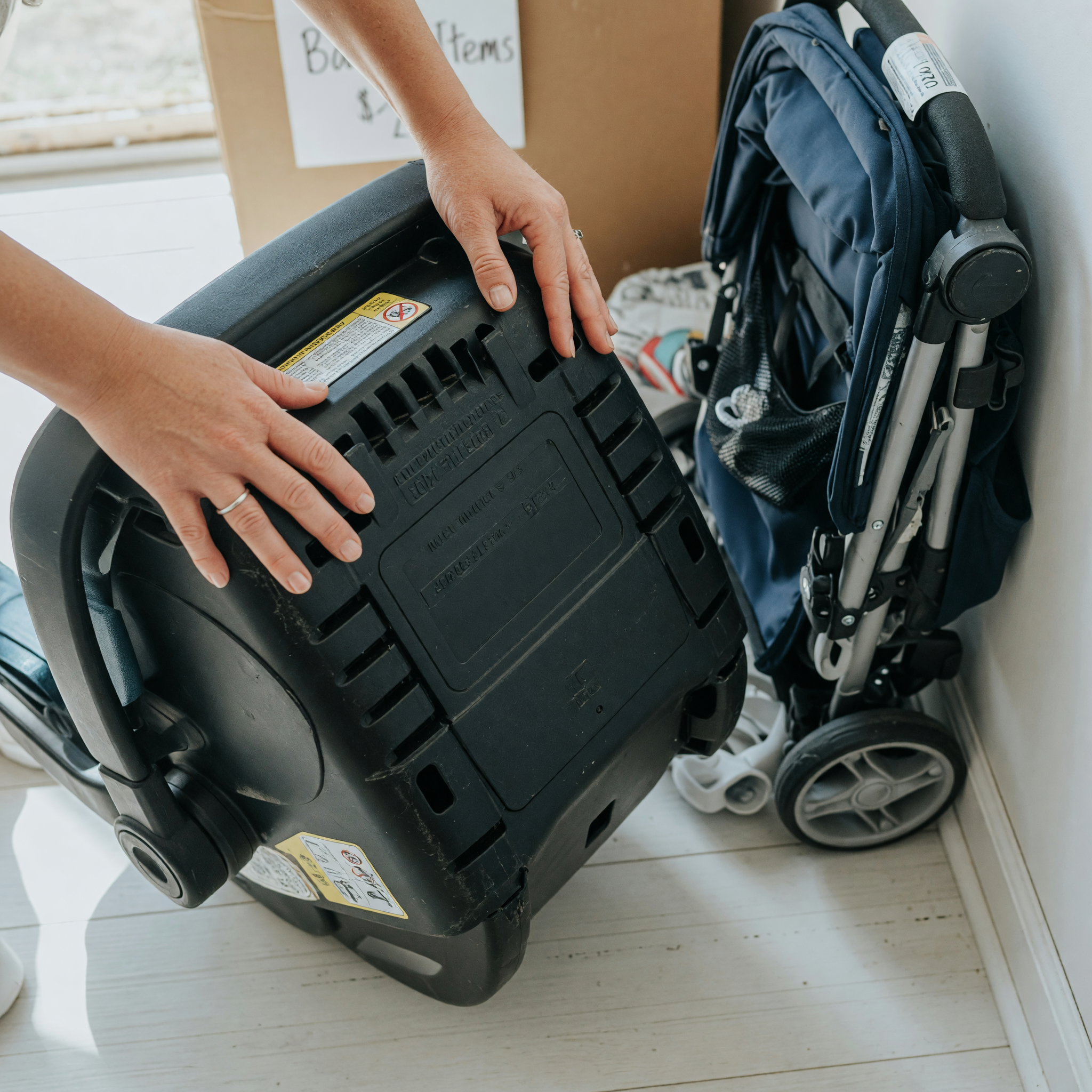
- Car seats: check the expiration date and crash history. Every car seat has an expiration date (commonly six to ten years from manufacture) stamped or labeled on the shell. If it's expired, don't sell it as usable. Only sell a seat whose full history you know — one that has never been in a moderate or severe crash. If you can't vouch for that, say so plainly or don't list it.
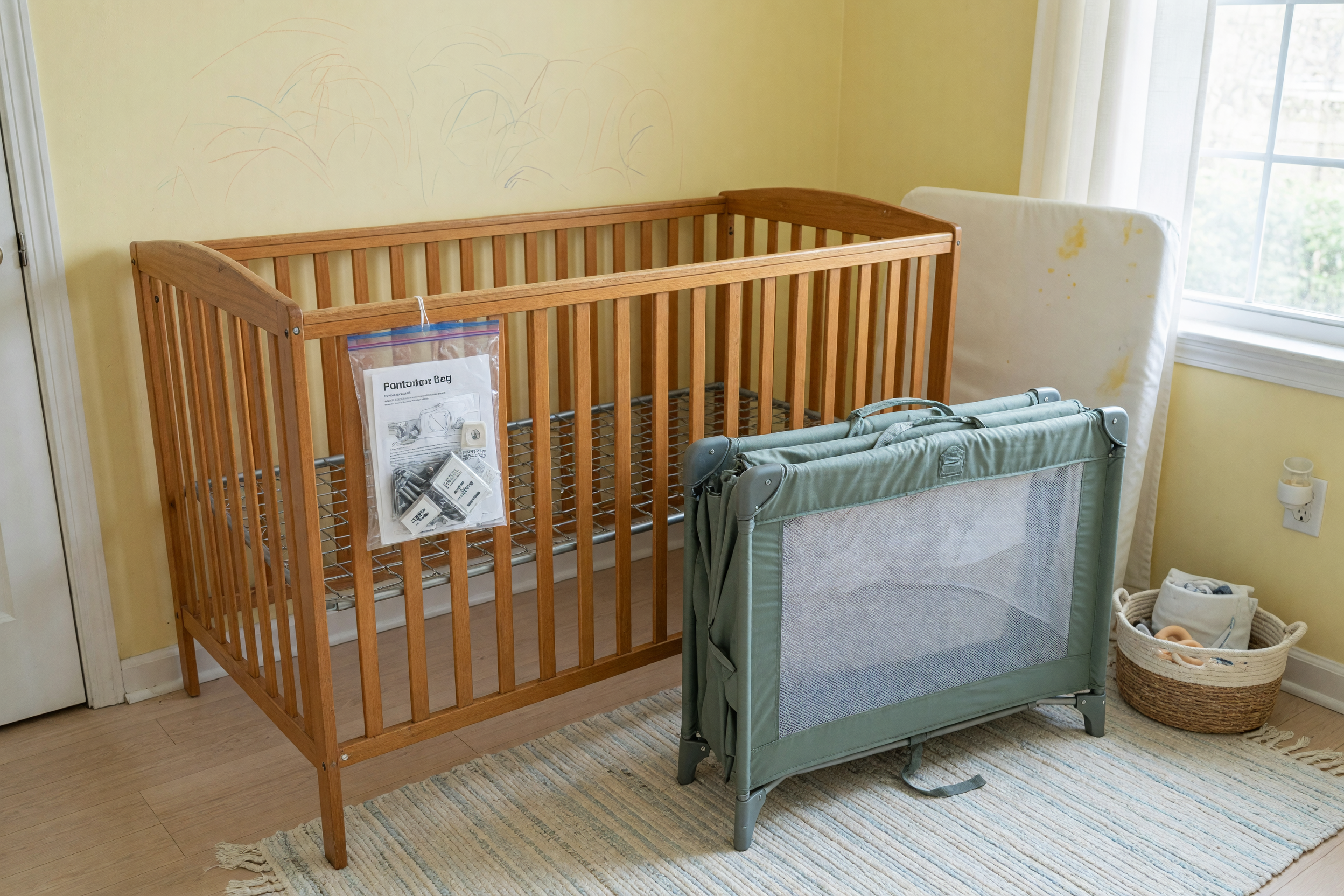
- Cribs: confirm it meets current standards. Drop-side cribs were banned and recalled years ago; don't sell one. Make sure all hardware is present and tight, slats aren't cracked, and the mattress support is solid.
- Check for recalls. Search the item's brand and model on the official government recall database before listing. Note "no open recalls, checked [model]" in your post — it does a lot of quiet reassuring.
- Confirm all parts and the manual. Missing a stroller wheel lock, a high-chair tray, or a car-seat base changes the item completely. List what's included and what isn't.
- Clean and sanitize. Wash removable fabric covers, wipe down frames, and check harnesses and buckles for stuck food or damage. Buyers can smell a smoke-free, pet-free home in the photos.
Being upfront about a limit doesn't kill the sale — it builds the trust that closes it. "Selling the stroller and high chair; keeping the car seat since I can't verify its crash history for a new owner" reads as responsible, and responsible is what sells baby gear.
The fields parents scan before they message
Parents shopping the baby & kids section read fast and screen hard. They're looking for a specific set of facts, and a missing one is a reason to keep scrolling. Run your listing through this checklist before it goes live — each blank row is a message you'll have to field, or a buyer you'll quietly lose.
| What parents check | Why it matters | How to write it |
|---|---|---|
| Item, brand & model | Lets them look up reviews, recalls, and retail price | "Graco Pack 'n Play, model on box" |
| Age / manufacture year | Decides expiration and whether it's a current model | "Bought new spring 2024, used ~10 months" |
| Condition, stated plainly | Sets expectations, prevents pickup renegotiation | "Small fabric stain on seat, shown in photo 4" |
| Recall & safety status | Answers the buyer's biggest fear directly | "No open recalls, checked model number" |
| What's included | Confirms it's complete and usable day one | "Includes base, rain cover, and manual" |
| Home environment | Smoke and pet exposure is a real dealbreaker | "Smoke-free, pet-free home" |
| Price & pickup | Signals whether to message at all | "$45 firm, pickup evenings this week" |
A buyer who reads those seven lines has almost nothing left to ask except when to come by. That's the difference between a listing that gets a same-day pickup and one that generates a week of "is this still available?" with no one showing up.
Photograph it like a parent who's about to spend money
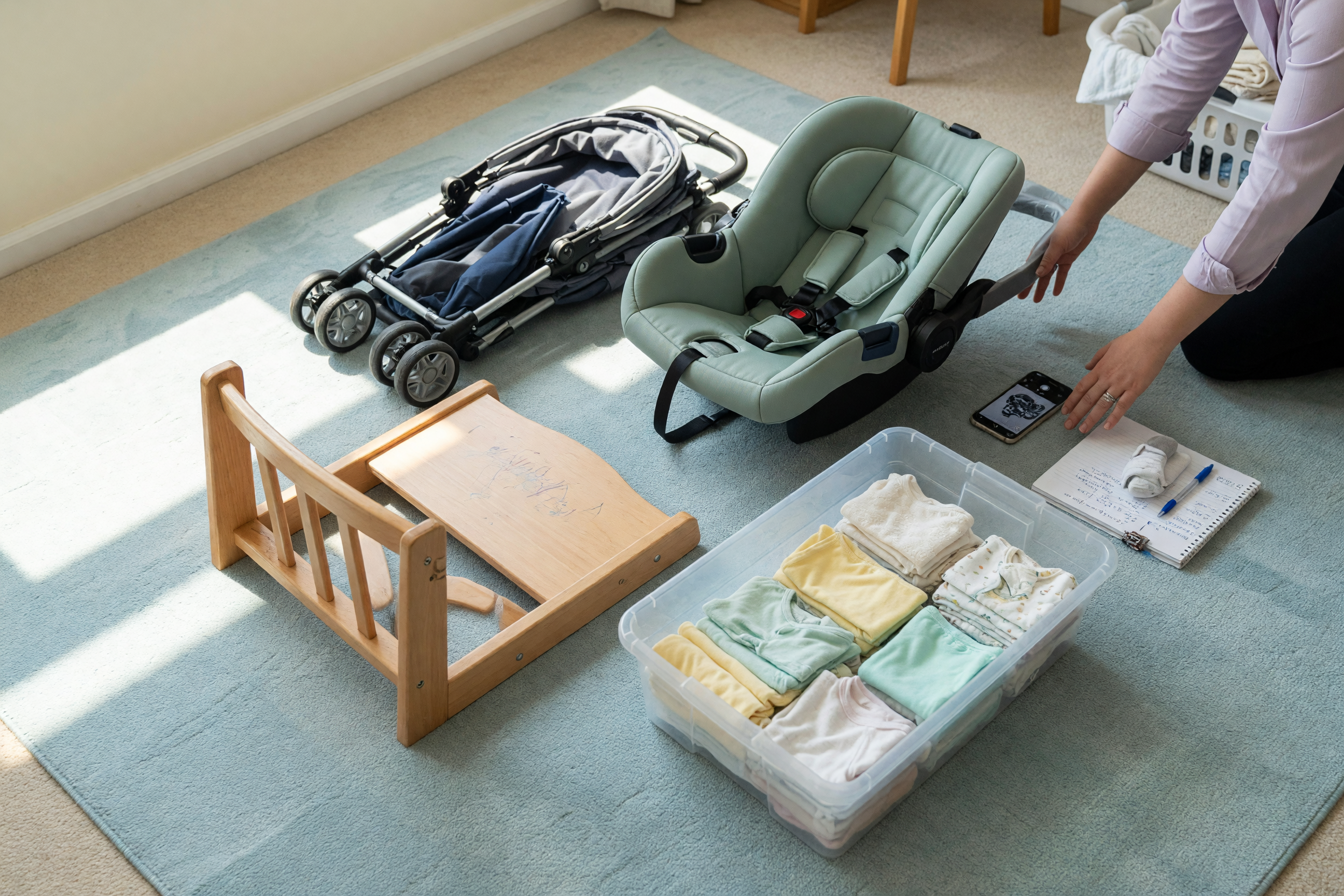
Baby gear photos have one job: prove the item is clean, complete, and cared for. Shoot in daylight, wipe everything down first, and lay the pieces out so the buyer can count them. A single dim photo of a folded stroller shoved in a corner tells a parent nothing; a clear set tells them you're the careful owner they hoped to find.
Capture the whole item set up as it's meant to be used, then the folded or packed size for transport. Photograph the harness and buckles up close so the buyer can see they're intact and clean. Shoot any flaw directly and honestly — a named, pictured scuff costs you a couple of dollars, while a flaw discovered at pickup costs you the whole sale. Include a shot of the model label or manufacture date sticker; for a car seat, that photo is worth a paragraph of reassurance. If you're browsing comparable local listings for pricing, notice which ones you'd actually message — it's always the ones with clean, complete, well-lit photos.
Price and pickup that close the sale
Used baby gear generally sells in the range of a third to half of its original retail price when it's clean, complete, and current — more for premium brands in near-new shape, less for older or well-worn pieces. Don't anchor to what you paid; anchor to what the same model, in similar condition, is actually listed for near you right now. Spend ten minutes checking before you pick a number, then set yours just under the clean, well-photographed posts rather than at the top or the desperate bottom.
Bundling moves gear fast. "Stroller, bassinet, and infant insert together — $80, or $55 for the stroller alone" gives a nesting parent an easy yes and clears more of your garage in one pickup. When you're ready, head to the sell-used hub to start a listing, and write the pickup terms right into the post: a real neighborhood or cross-streets, whether it comes apart to fit a car, and a specific window like "pickup evenings and Saturday morning." For safety, meet in a public, well-lit spot or at your door with someone home, and keep the exchange to the item and the agreed price — the same common-sense boundaries any local sale deserves.
Bad versus better listing copy
The same box of gear, written two ways, gets two completely different results. Compare the vague version that invites a dozen questions with the specific version that earns a committed pickup:
| Weak listing | Better listing |
|---|---|
| "Baby stuff, barely used, make an offer" | "UPPAbaby stroller + bassinet, bought new 2024, used ~1 year. $180 for both." |
| "Car seat for sale" | "Infant car seat, mfg 2023, expires 2033, never in a crash, base + manual included. $60." |
| "Good condition" | "No open recalls (checked model). Small stain on canopy, photo 3. Smoke-free, pet-free home." |
| "Message me" | "Pickup evenings this week or Sat AM, near Oak & 5th. Folds down to fit a sedan trunk." |
The better column isn't longer for its own sake — every line retires a question a nervous parent would otherwise have to ask. Because buyers reach you directly and choose whom to trust from the listing alone, the seller who answers the safety, completeness, and pickup questions up front gets the one message that matters while the "make an offer" post is still waiting.
For a more focused stroller or car seat post: sell a used stroller with model and safety details
For another condition-sensitive local listing: sell used pet supplies safely and clearly
For stroller and car-seat sellers, this Spanish guide adds the model, safety, and pickup details parents expect: vender silla de carro usada con datos de seguridad
For another parent-focused resale checklist: sell a kids clothes lot with clear pickup details
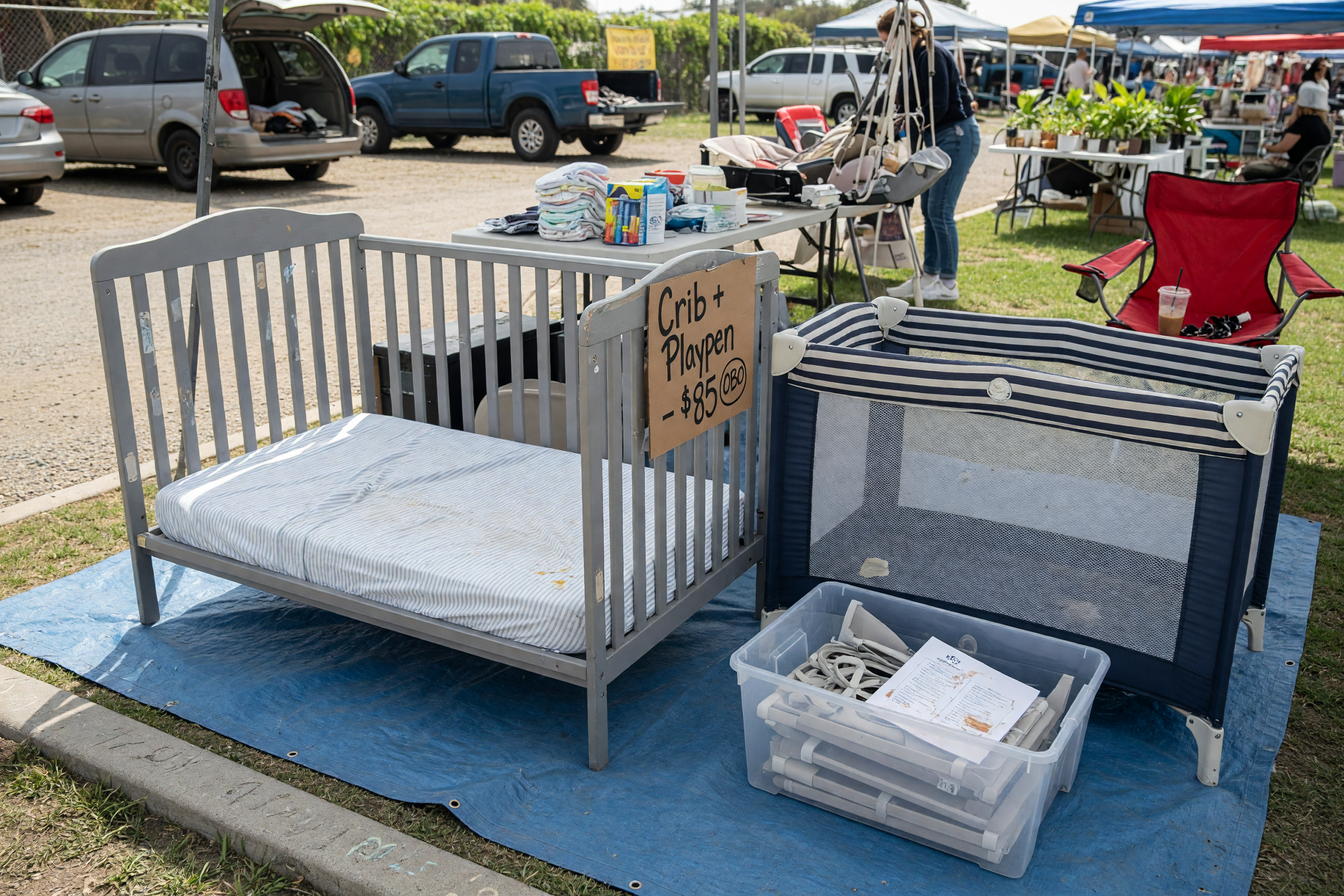
For sellers posting a sleep item rather than a mixed baby-gear bundle, use this focused crib checklist: sell a used crib or Pack-n-Play safely
If the item is better as a free local handoff than a sale, use this giveaway version: give away baby gear with safety notes
Frequently asked questions
Is it OK to sell a used car seat?
You can, but only responsibly. Sell a seat whose full history you know: one that is not past its expiration date and has never been in a moderate or severe crash, with no open recalls and all parts included. If you can't personally vouch for the crash history, the honest move is to say so or keep the seat rather than pass an unknown risk to another baby. State the manufacture year, expiration date, and "never in a crash" directly in the listing.
How do I find out if baby gear has been recalled?
Look up the brand and model on the official U.S. government recall database before you list. Note the result in your post — "no open recalls, checked model number" — because it answers the buyer's biggest fear before they even ask. If an item does have an open recall, don't sell it; contact the manufacturer about the remedy instead.
How much is used baby gear worth?
Clean, complete, current gear usually sells for about a third to half of its original retail price, higher for premium brands in near-new condition and lower for older or worn pieces. Price from what the same model is actually listed for locally right now, not from what you paid. Setting your number just under the clean, well-photographed comparable listings is what earns a fast pickup.
What should I include in the photos?
Shoot in daylight after wiping everything down: the item set up as intended, the folded or packed size, close-ups of the harness and buckles, any flaw shown honestly, and a photo of the model label or manufacture-date sticker. For a car seat, that date photo does more reassuring than a paragraph of text. Never use a stock or catalog image — buyers read that as a red flag.
Should I bundle items or sell them separately?
Bundling clears your space faster and gives buyers an easy yes, especially for matching systems like a stroller, bassinet, and infant insert. Offer both options — a bundle price and an individual price — so a parent who only needs one piece can still buy. Just make sure each item in a bundle passes its own safety check; one expired or recalled piece shouldn't ride along in a bundle.
Where do I post used baby gear on Brixaz?
Use the post form set to sell in baby & kids, fill in the brand, age, recall status, and what's included, and add your own daylight photos. Posting is free, parents message you directly, and your listing surfaces to local families who can pick up the same week.
Comments
Loading comments...
Checking sign-in status...