
Moving Sale Near Me: List Furniture, Boxes & Pickup Times
Selling before a move? Here's how to post furniture, appliances, and leftover boxes as local listings with clear dimensions, move-it pricing, and pickup windows nearby buyers can act on this week.
ARTICLE LANGUAGE
Showing original language
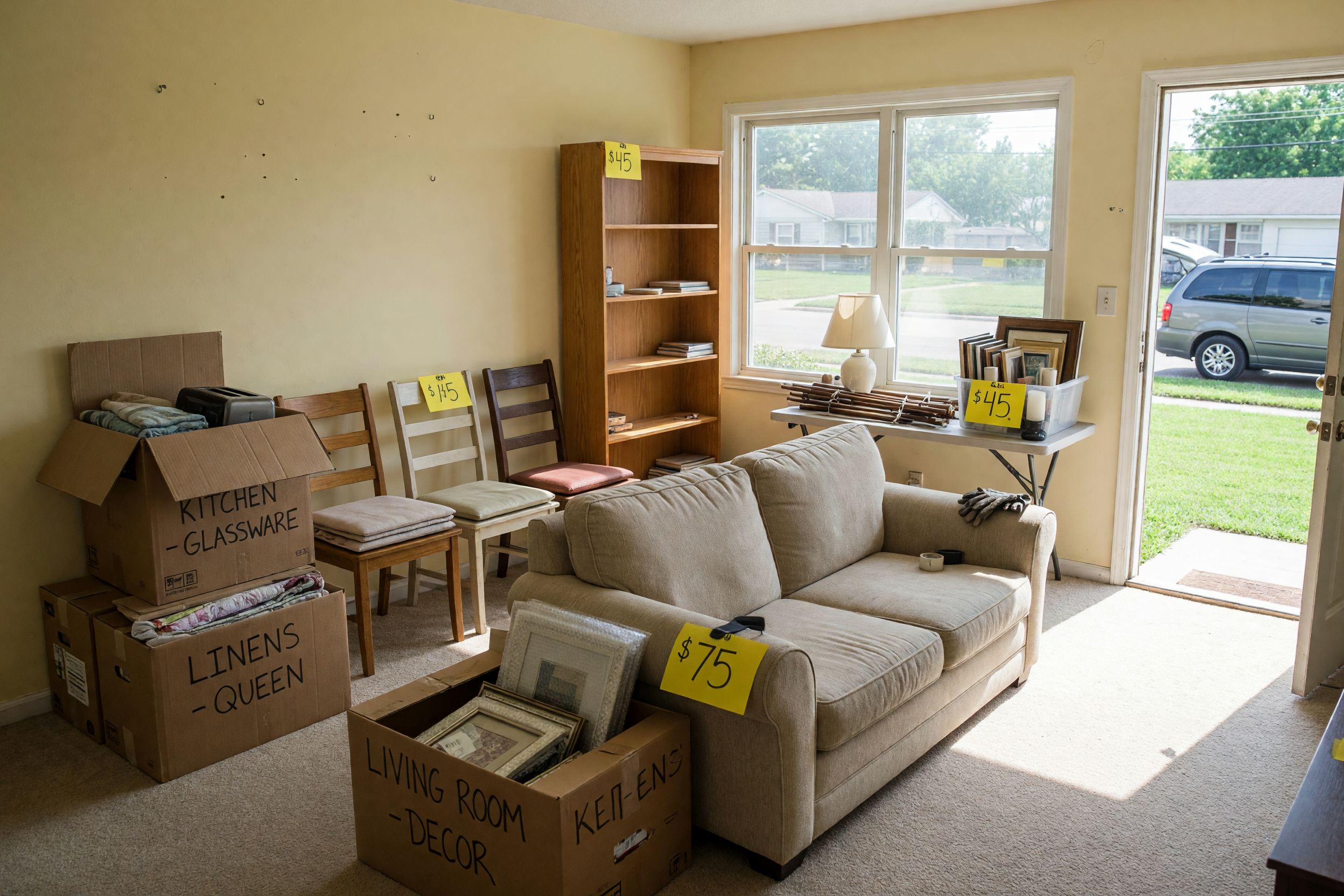
A move has a deadline, and everything you own is now sorted into two piles: things riding in the truck and things that need to be gone before it arrives. A moving sale near me is how you turn that second pile into cash instead of hauling it, storing it, or leaving it on the curb. Instead of dragging furniture onto the driveway for one Saturday, you post each item as a local listing, buyers nearby find it, and they come pick it up on a schedule that fits around your packing.
This guide is for anyone with a lease ending, a closing date, or a truck reserved — the sofa that won't fit the new place, the dining set you're upgrading, the desk, the dresser, the stack of moving boxes you'll have left over. You don't need a garage sale permit or a full weekend. You need a fast system to decide what to list, what to give away, how to price it to move before your deadline, and how to write pickup instructions a buyer can actually follow. Everything below is copy and checklists you can run tonight.
Why an online moving sale beats the driveway version
A driveway moving sale only reaches people who happen to drive past your signs during a four-hour window on one specific day. If it rains, or your move date lands mid-week, that window closes. An online moving sale puts each item in front of every buyer within a few miles who is actively searching for "used sofa," "dining table," or "moving boxes" — any day, until your deadline. You post once and let nearby buyers come to you one item at a time.
The other advantage is control. With a physical sale, strangers wander your yard and haggle over a quarter. With local listings, buyers message you first, you agree on a time and a price, and you meet them at the door for a clean handoff. Start by browsing the used items marketplace to see how nearby furniture and household listings are written, then plan your own batch around your move date.
Sort by your move date, not by what things are worth
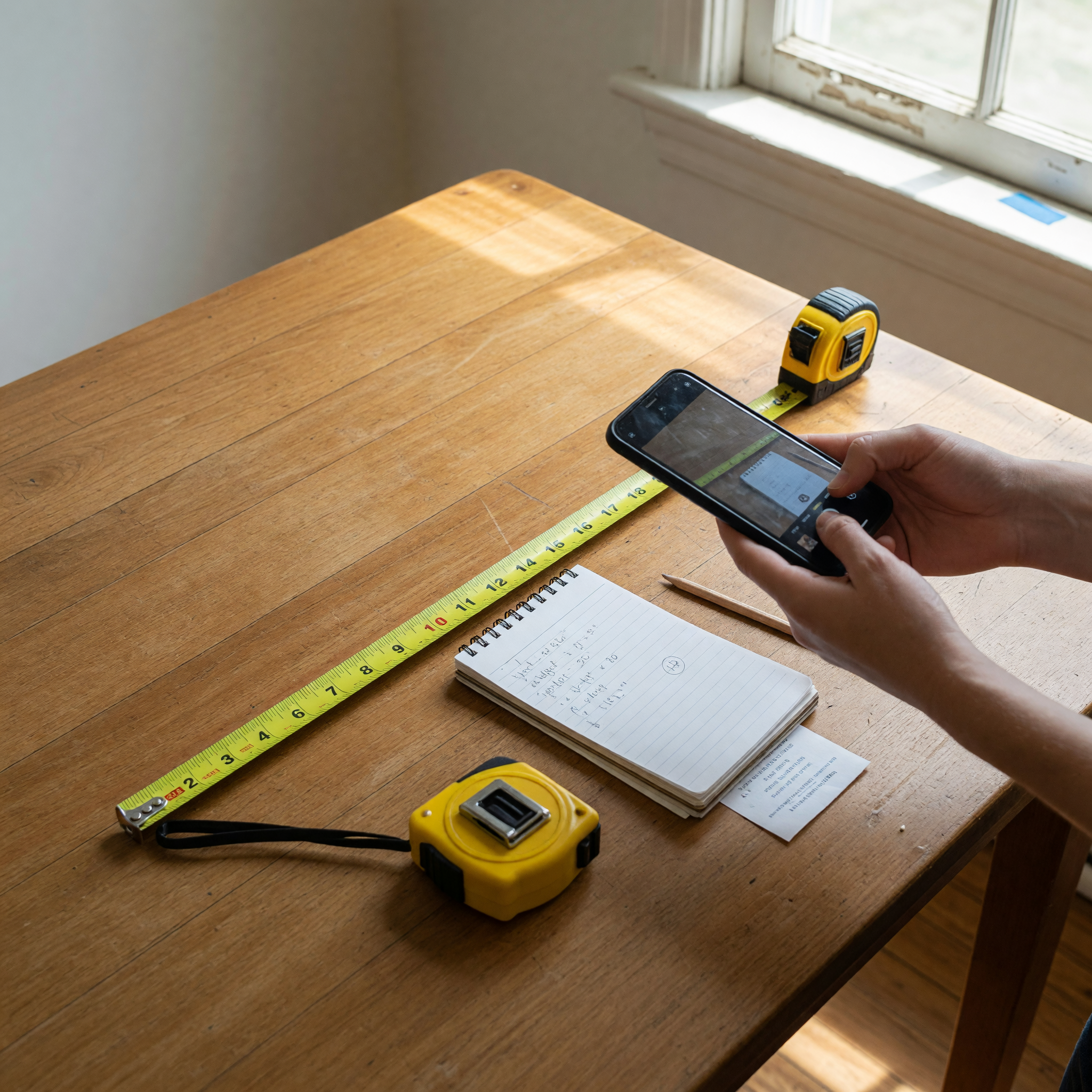
When you're moving, the sort is different from a normal declutter. The clock, not the resale value, decides the plan. Walk every room once with three destinations in mind and put a sticky note on each large item so you're not re-deciding later:
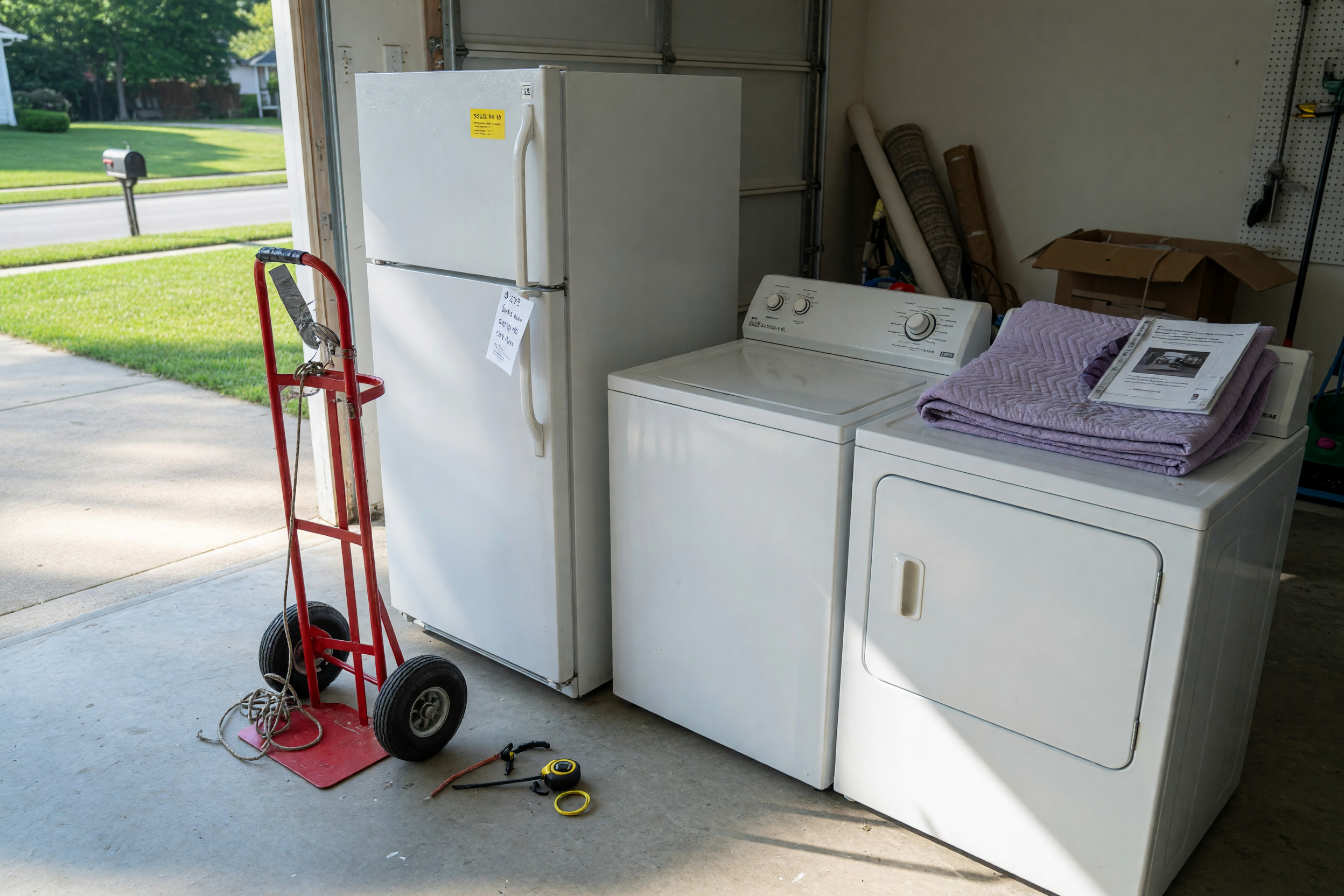
- Sell on its own. Furniture and appliances a buyer searches for by name: the sofa, dining set, dresser, desk, mattress, bookshelf, washer, or fridge. These carry the most value and clear the most space, so post them first — ideally two to three weeks before the move.
- Give it away. Working items not worth the negotiation with a truck bearing down: a worn but usable coffee table, extra shelving, a spare microwave, the leftover moving boxes once you're unpacked. Post these in the free stuff section — free items often move the same day and buy back your time.
- Toss or donate. Broken, stained, or unsellable items. Don't waste a listing on them; a quick trip beats a week of no messages.
Doing the sort by deadline means your highest-value, hardest-to-move pieces go live first, while you still have weeks of runway. The small stuff and giveaways can wait until the final week, when speed matters more than price.
Price to move it before the truck comes
Moving-sale pricing is not "what did I pay." It's "what will make a nearby buyer message me this week instead of next." A used sofa priced at 20 percent of retail with clean photos moves in days; the same sofa priced at half of retail sits until moving day and then gets left behind. Buyers can see you're moving, and they'll wait you out — so price like the deadline is real, because it is.
Use these signals to set a number that actually moves:
| Situation | Pricing move | Why it works |
|---|---|---|
| 3+ weeks before the move | Fair market price, firm | You have time to wait for the right buyer |
| Final week | Drop 25-40%, mark "must go by [date]" | Urgency plus a real deadline pulls fast buyers |
| Bulky item (sofa, dresser, mattress) | Price low, note "you haul" | Buyers factor in the effort of moving it |
| Last 48 hours | Free or "best offer, gone tonight" | Clearing space beats a few dollars |
If you're unsure what a fair number is for a specific piece, check comparable local listings before you post. The listing price checker helps you land on a price nearby buyers will actually pay, so you don't start too high and burn your first week of runway.
Write listings that answer the buyer's first question
A nearby buyer decides in about ten seconds whether to message you. What loses them is a listing that makes them work: a blurry photo, a three-word description, no dimensions, no price, no pickup area. For furniture, the single most important missing fact is size — a buyer needs to know if it fits their room and their vehicle before they'll drive over.
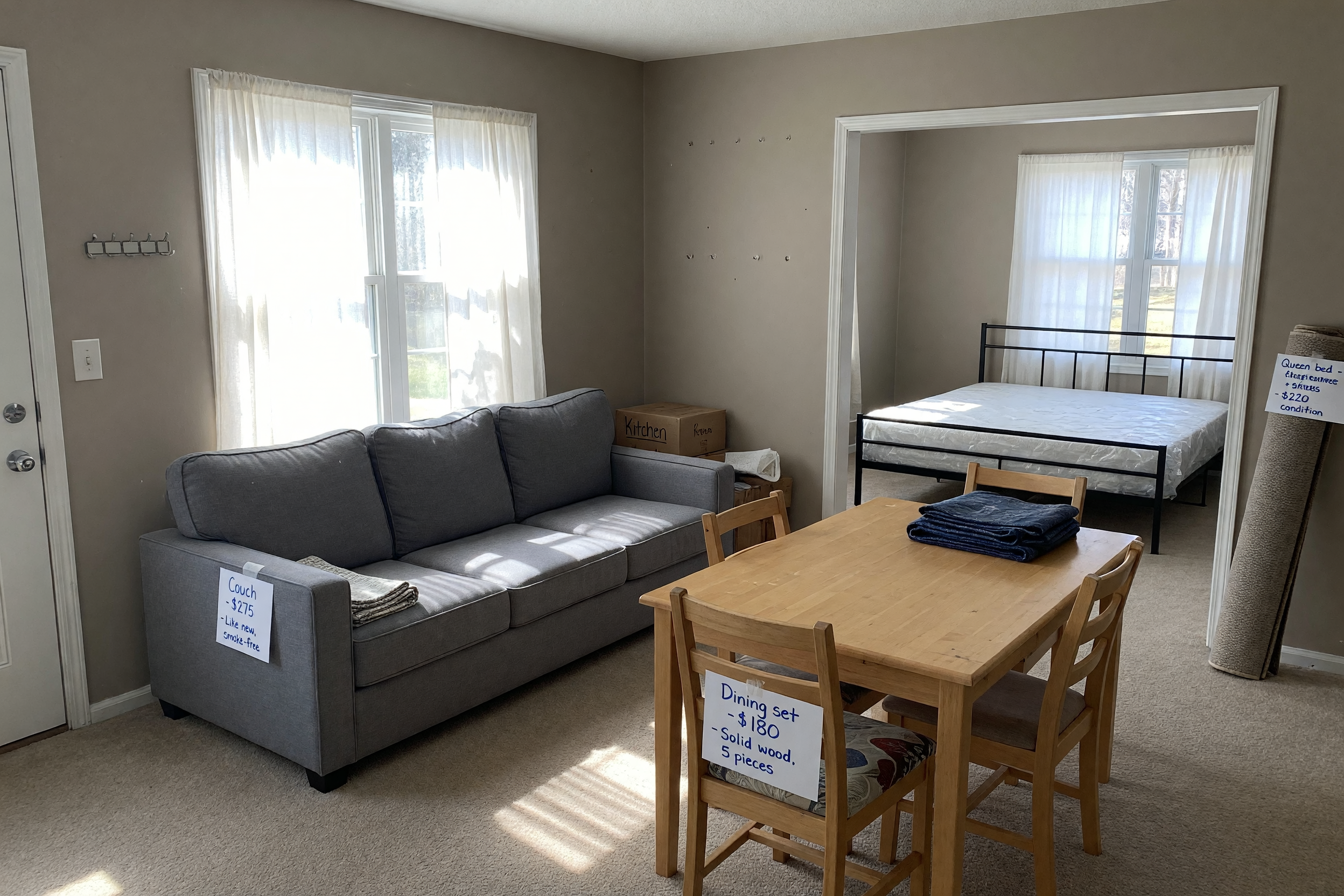
Here's the difference in practice. Weak: "Couch for sale, good condition." Better: "Gray 3-seat fabric sofa, 84" W x 36" D x 34" H, smoke-free home, small pen mark on left cushion shown in photo 4, $120, you haul, pickup in the 78704 area before July 25." The second answers size, condition, flaws, price, effort, location, and deadline in one line — the buyer has nothing left to ask except when to come by. Include these exact fields for every furniture listing:
- Dimensions — width, depth, height (and whether it disassembles).
- Condition — honest, with flaws named and photographed.
- Photos — four to six: full item, each side, any damage, and it sitting in the room for scale.
- Price and terms — the number, plus "firm," "OBO," or "you haul."
- Pickup area and deadline — a ZIP or neighborhood and the date it must be gone.
Posting a batch of furniture goes faster when the form already knows the category. This prefilled furniture listing form starts you in the right section so you can fill in the facts and move to the next item.
Set pickup times buyers can actually follow
Mid-move, your calendar is the constraint. The listings that clear fastest are the ones with clear pickup windows, because a buyer can say "I'll take the 6pm slot Thursday" instead of playing message tag. Vague wording — "message me and we'll figure it out" — creates back-and-forth you don't have time for while you're packing.
Offer specific windows and hold your ground on them. Good pickup wording: "Available for pickup Tue-Thu 5-8pm and Saturday 10am-2pm. First confirmed, first served. Item is ground floor, easy load, bring help for the sofa." That tells the buyer when to come, how the handoff works, and what to expect at the door. For safety, meet at the door or driveway, keep the exchange in daylight or well-lit areas, take cash or an instant transfer confirmed before the item leaves, and don't share your full address until a time is locked in.
Your moving-sale posting checklist
Run this list once per big item and you'll have a clean, message-ready listing every time:
- Measured width, depth, and height, and noted if it comes apart.
- Took four to six photos in good light, including any flaws and one shot for scale.
- Named the condition honestly — no surprises at the door.
- Set a move-it price using local comparables, not the original receipt.
- Added a pickup area (ZIP or neighborhood) and a hard deadline.
- Offered two or three specific pickup windows.
- Noted load details: floor level, stairs, whether the buyer needs help.
- Listed leftover boxes and giveaways separately so they clear on their own.
For leftover boxes after a move: free moving boxes near me
If the moving sale includes outdoor pieces: sell used patio furniture before pickup day
Frequently asked questions
How far before my move should I start posting?
Post large furniture two to three weeks out — the sofa, dining set, and dresser take the longest to move and have the most value to recover. Save small items, kitchen goods, and giveaways for the final week, when speed matters more than price.
What sells fastest in a moving sale?
Sofas, dining sets, dressers, desks, mattresses, and working appliances move fastest because buyers search for them by name. Clearly measured, honestly described pieces with a "you haul" note and a real deadline get the most messages.
Should I sell my leftover moving boxes?
Yes — used moving boxes are in constant demand from the next person who's relocating. Bundle them into one listing ("20 medium/large moving boxes + packing paper, all sturdy") and price them low or list them free to clear space fast in the free stuff section.
How do I price furniture I still owe on or paid a lot for?
What you paid doesn't set the price — what nearby buyers will pay does. Used furniture typically sells for 20-40 percent of retail, less if it's bulky or dated. Check comparable local listings so you start at a number that moves instead of sitting until moving day.
Is it safe to have strangers pick up items while I'm moving?
Yes, with basic boundaries: meet at the door or driveway, keep pickups in daylight, confirm cash or an instant transfer before the item leaves, and don't share your exact address until a pickup time is locked in. Have a second person home for large-item handoffs when you can.
What if items don't sell before my move date?
In the final 48 hours, drop prices hard or relist anything left as free — clearing space beats hauling it or paying to store it. A same-day free listing for a working coffee table or shelf usually finds a taker within hours.




Comments
Loading comments...
Checking sign-in status...