
How to Post a Furniture Assembly & TV Mounting Service
Turn drill skills into local work: name the exact jobs you do, price furniture assembly and TV mounting with flat rates buyers accept, and post a service that books this week.
ARTICLE LANGUAGE
Showing original language
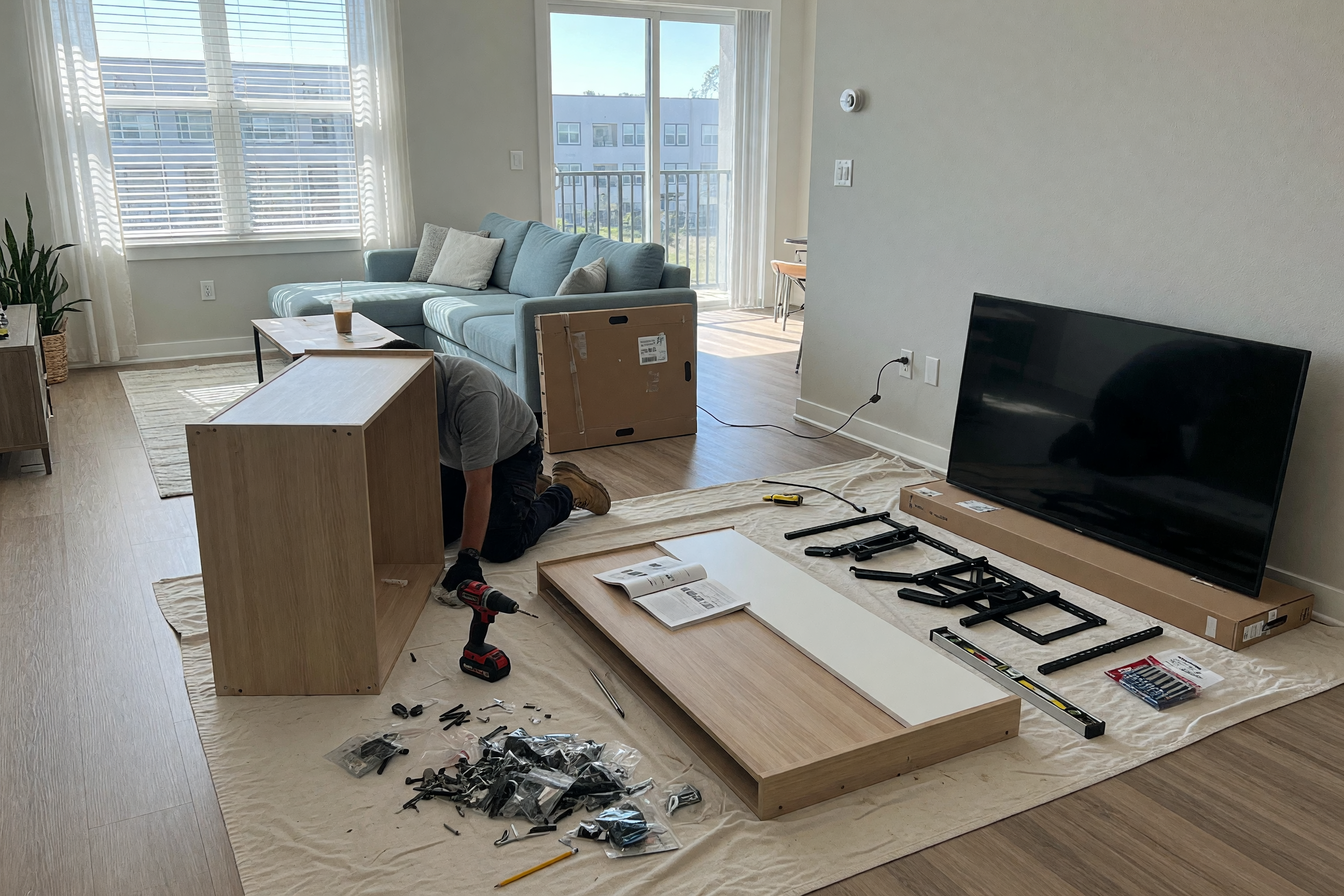
Every week, someone in your city opens a box from Ikea, Wayfair, or Amazon, looks at 40 numbered panels and a bag of cam locks, and quietly decides this is not their weekend. Down the hall, another neighbor just bought a 65-inch TV and has no idea where the studs are. Those two people are your customers, and they are already looking — they just can't find a name to text. If you can build a dresser without cursing and hang a TV level on the first try, furniture assembly and TV mounting is one of the fastest local services to start, because the demand is constant, the tools are cheap, and most jobs are done in under two hours.
The catch is that a vague listing gets skipped. "Handyman available" tells a buyer nothing about whether you'll show up for a single wardrobe or a wall mount. This guide shows you exactly how to post a furniture assembly and TV mounting service that names the jobs you do, prices them so buyers say yes, and turns a scroll into a booking — so you can put a real listing up today and take work this week.
Why furniture assembly and TV mounting sell themselves right now
Assembly and mounting are the rare local services where the customer has already committed money and hit a wall. They own the furniture. They own the TV. They don't want a project — they want it done tonight so the living room stops looking like a warehouse. That urgency is why these jobs book fast and rarely get haggled hard: the buyer is comparing your quote to another lost Saturday, not to the cheapest bid on earth.
It's also a service you can offer with almost nothing. A cordless drill, a bit set, a stud finder, a small level, a rubber mallet, and a set of hex keys covers the vast majority of flat-pack builds and standard wall mounts. You don't need a license to assemble a bookshelf. What you do need is a listing that makes a stranger trust you enough to let you into their apartment — and that trust is built with specifics, not adjectives. Browse the current local services listings in your area and you'll see the gap immediately: plenty of "handyman" posts, very few that plainly say "I assemble Ikea and mount TVs, flat rate, this week."
Write a service listing that names the exact jobs you do
The single biggest upgrade you can make is to swap vague availability for a concrete menu. A buyer scanning listings is asking one question: "Will this person do my specific thing?" Answer it before they have to ask. List the item types you assemble, the mount sizes you handle, and the areas you cover.
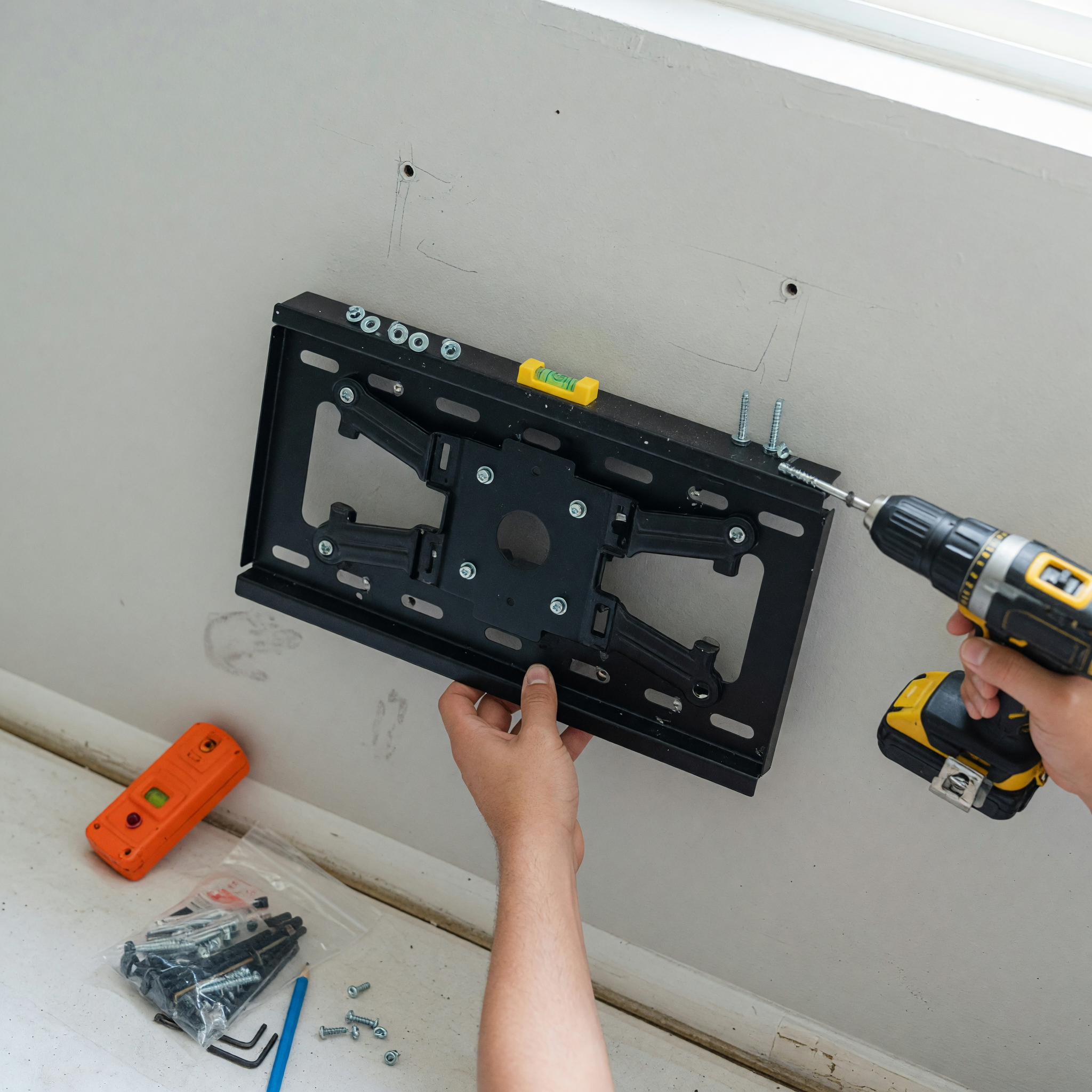
Compare how these two listings land with a buyer holding a boxed wardrobe:
| Vague listing (skipped) | Specific listing (booked) |
|---|---|
| "Handyman, reasonable rates, message me" | "Furniture assembly & TV mounting — Ikea, Wayfair, cribs, desks, wardrobes; TVs up to 75in on drywall, brick, or studs" |
| "Can help with stuff around the house" | "Flat rate: $60 to assemble a standard dresser or bookshelf, $90 to mount a TV including cable tidy" |
| "Available weekends" | "Evenings and weekends, usually same or next day; I cover [your city] and 15 miles out" |
| "Experienced and reliable" | "200+ builds done; I bring my own drill, bits, level, and stud finder — you just point to the wall" |
Notice what the better column does: it removes doubt. It tells the buyer their item is in scope, roughly what it costs, when you can come, and that you arrive equipped. That's the whole job of the listing. If you want to see how buyers phrase these needs so you can mirror their words, run a quick local search for "TV mounting" and "furniture assembly" and note the exact language people use — then put those words in your title.
Price furniture assembly and TV mounting so buyers say yes
The mistake new providers make is quoting per hour. "Twenty-five an hour" makes a buyer nervous — they can't tell if the job is one hour or five, so they hesitate. Flat rates by task remove that fear. The buyer knows the number before you arrive, and you get faster as you go, which quietly raises your effective hourly rate. Set a clear starting price per common job and add named surcharges for the hard stuff.
| Common job | How to price it | What to state in the listing |
|---|---|---|
| Standard flat-pack (dresser, bookshelf, desk, bed frame) | Flat rate per item | "$50-$70 per item; large wardrobes priced after a photo" |
| TV wall mount (drywall + studs) | Flat rate, mount not included | "$80-$100; you supply the bracket, or I bring one for parts cost" |
| Mount on brick, tile, or plaster | Base rate + surcharge | "+$30 for masonry — tell me the wall type when you message" |
| Cable concealment / soundbar add-on | Add-on line item | "+$25 to hide cables in a raceway" |
| Multiple items same visit | Small bundle discount | "Book 3+ items, I take 10% off the total" |
Anchor your numbers to what people near you actually charge, not to a guess. Drop a job into the listing price checker or scan comparable service posts to find the local middle, then price at a fair, clean number you can defend in the first message. A flat, transparent price is also what protects you from the endless "how much?" back-and-forth — the buyer sees the range up front and messages ready to book a time, not to negotiate the floor.
The photo and proof checklist that wins the booking
A service you can't hold in your hands is sold on proof. Buyers can't inspect your work before you arrive, so your listing has to show it. Before you post, gather this:
- Three or four finished-job photos — a cleanly built desk, a level-mounted TV, tidy cables. Your own work, real rooms, no stock images.
- A "before and after" if you have one — the box on the floor, then the assembled piece. It sells the transformation instantly.
- A photo of your tool kit laid out. It signals you show up equipped and aren't borrowing a screwdriver from the customer.
- A one-line credential — "200+ assemblies," a trade background, or "I do this full-time on weekends." Specific beats "experienced."
- Your service radius in plain miles or neighborhoods, so out-of-range buyers self-filter and in-range buyers feel covered.
- What you bring vs. what they supply — you bring tools; they supply the furniture, the TV, and the wall mount (or pay parts cost).
The Brixaz-specific edge here is direct contact: a buyer messages you, not a bidding pool, and you reply in the same thread that becomes the booking. That means your listing's job is to make the very first message easy — someone should be able to read it and text "Can you mount a 55in on drywall Saturday? Address is…" with everything they need already answered. Every ambiguity you remove is a message you don't have to trade before the work is confirmed.
Answer the buyer's questions before they book
Assembly and mounting happen inside someone's home, so trust and boundaries matter more than in a curbside sale. Head off the natural questions right in the listing, and set the limits that keep the job clean for both of you.
Cover these in a short "good to know" section: whether you handle wall repair if a mount comes down later (most set a "I mount securely into studs; I'm not liable for pre-existing wall damage" line), that the customer confirms the exact TV size and wall type before you arrive, that payment is due on completion, and that you'll haul away the flat-pack cardboard only if agreed in advance. Buyers who post to the help-needed requests are often explicit about timing and access — read a few to learn the reassurances people want, then bake those answers into your standing listing so you're not retyping them every time. Clear boundaries don't scare buyers off; they signal you've done this before.
Post your service where local buyers are already looking
Once your menu, prices, and proof photos are ready, get the listing live. Open the service posting form with the category pre-set and paste in your job menu, flat rates, service radius, and photos: start your service listing. Keep the title concrete — "Furniture Assembly & TV Mounting — [City], same-week, flat rates" — so it matches exactly what buyers type when they're standing over an unopened box. Then let nearby customers message you directly and book a time.
One listing done well works for months. Refresh the photos as you finish standout jobs, adjust prices as you learn your local market, and keep your response time fast — the provider who replies within the hour usually gets the booking, because the buyer's box is still sitting there unbuilt.
Want steady task work, not just one job? task jobs near me: errands, assembly, and cleaning
Related handyman listing guide: handyman services near me
Related local home-service guide: moving services near me
For providers who want a more specific assembly menu: post furniture assembly service pricing
For Spanish-speaking furniture assembly providers, this related Brixaz guide is useful: publicar armado de muebles
FAQ: posting a furniture assembly and TV mounting service
Do I need a license or insurance to offer furniture assembly and TV mounting?
Assembling flat-pack furniture and hanging a standard TV mount generally doesn't require a contractor's license, since you're not altering the home's structure, wiring, or plumbing. Rules vary by city and by job, so check your local requirements before you scale up. Many independent providers carry basic liability coverage for peace of mind and mention it in the listing, because it reassures buyers who are letting a stranger drill into their walls.
Should I charge by the hour or a flat rate per job?
Flat rates per task win far more bookings. An hourly quote makes buyers nervous because they can't predict the total, while "$60 to assemble a standard dresser" tells them the price before you arrive. Set flat starting rates for your common jobs and add clearly named surcharges for harder cases like masonry walls or oversized wardrobes, so there are no surprises on either side.
What tools do I actually need to start?
A cordless drill with a driver-bit set, a stud finder, a small bubble or laser level, a rubber mallet, a set of hex keys, and a tape measure will handle the large majority of flat-pack builds and standard TV mounts. Bring your own — a listing that says "I arrive fully equipped, you just supply the furniture and the wall mount" reads as professional and removes a common buyer worry.
Who supplies the TV wall mount and the furniture hardware?
State this plainly in your listing to avoid confusion. The standard is that the customer supplies the furniture, the TV, and the wall bracket, while you bring all the tools. Many providers offer to bring a bracket for parts cost as a convenience add-on. Flat-pack hardware comes in the box, but it's worth noting you'll flag any missing cam locks or screws before starting.
How do I price a job I haven't seen yet, like a large wardrobe?
Give a starting range in the listing and ask for a photo before you commit to a firm number. "Standard dressers $60; large wardrobes and modular units priced after a quick photo" is honest and protects you from underquoting a four-hour build. Checking comparable local rates first helps you land on a fair number the buyer accepts without back-and-forth.
How fast should I respond to booking messages?
As fast as you can — ideally within the hour. The buyer's furniture is sitting unbuilt in a box, so the provider who replies first while the frustration is fresh usually gets the job. Because buyers on Brixaz message you directly, a quick, specific reply that confirms the price, the date, and what you'll bring often books the visit in a single thread.



Comments
Loading comments...
Checking sign-in status...