
Commercial Space for Rent: How to List It Clearly
A practical Brixaz guide for posting a commercial listing people can compare quickly, with a paste-ready template, photo checklist, and pricing tips.
ARTICLE LANGUAGE
Showing original language
Commercial space for rent listings work best when buyers can compare size, use, access, and total monthly cost in the first glance. Start with a clear headline, exact space details, and Brixaz vivienda listings so people can message you without extra back-and-forth.
If you are posting a commercial space for rent on Brixaz, keep it specific: what the space fits, what is included, and what the next step is. Brixaz is free to post, with direct buyer-seller contact, and still growing, so clarity matters more than hype.
Lead with the use case buyers care about
Open your listing by naming the business type the space actually fits, not just the square footage. A buyer looking for a salon, café, office, or storage bay wants to know whether the layout, plumbing, parking, loading access, or front visibility matches their plan. A stronger first line is, “Street-level retail bay suitable for a service business” than “nice unit available.” Include the size, floor level, and whether the space is finished or needs build-out. If the unit has a private restroom, front door, roll-up door, or shared lobby, mention that early. That helps people self-sort before they contact you. Avoid vague phrases like “flexible space” unless you explain what flexibility means in practice. A concrete example is better: “open room plus rear office and sink area.” The goal is to make a buyer say, “Yes, I can picture my business there,” or “No, this is not my fit,” without a follow-up message.
Use a pricing note buyers can verify locally
Do not guess at a “fair” rent without checking comparable local listings first. Search similar spaces by type, size, condition, and lease structure, then compare what each listing includes: base rent, common area costs, utilities, taxes, or build-out allowances. If the listing uses a monthly figure, say exactly what that figure covers. If the rent is negotiable, explain what changes it: lease length, improvement budget, or timing. A simple example is, “See similar listings in this area and compare the total monthly cost, not just the headline rent.” That gives buyers a practical way to judge your offer without you inventing a market average. If you are unsure how to phrase pricing, use the words you would want when shopping yourself: “Ask for current lease terms and included expenses.” That keeps the listing honest and avoids surprises later. For any legal or licensing question tied to how the space can be used, tell readers to confirm with their city or state before they sign anything.
Paste-ready listing kit for Brixaz
- Title: Corner retail bay with rear office and sink
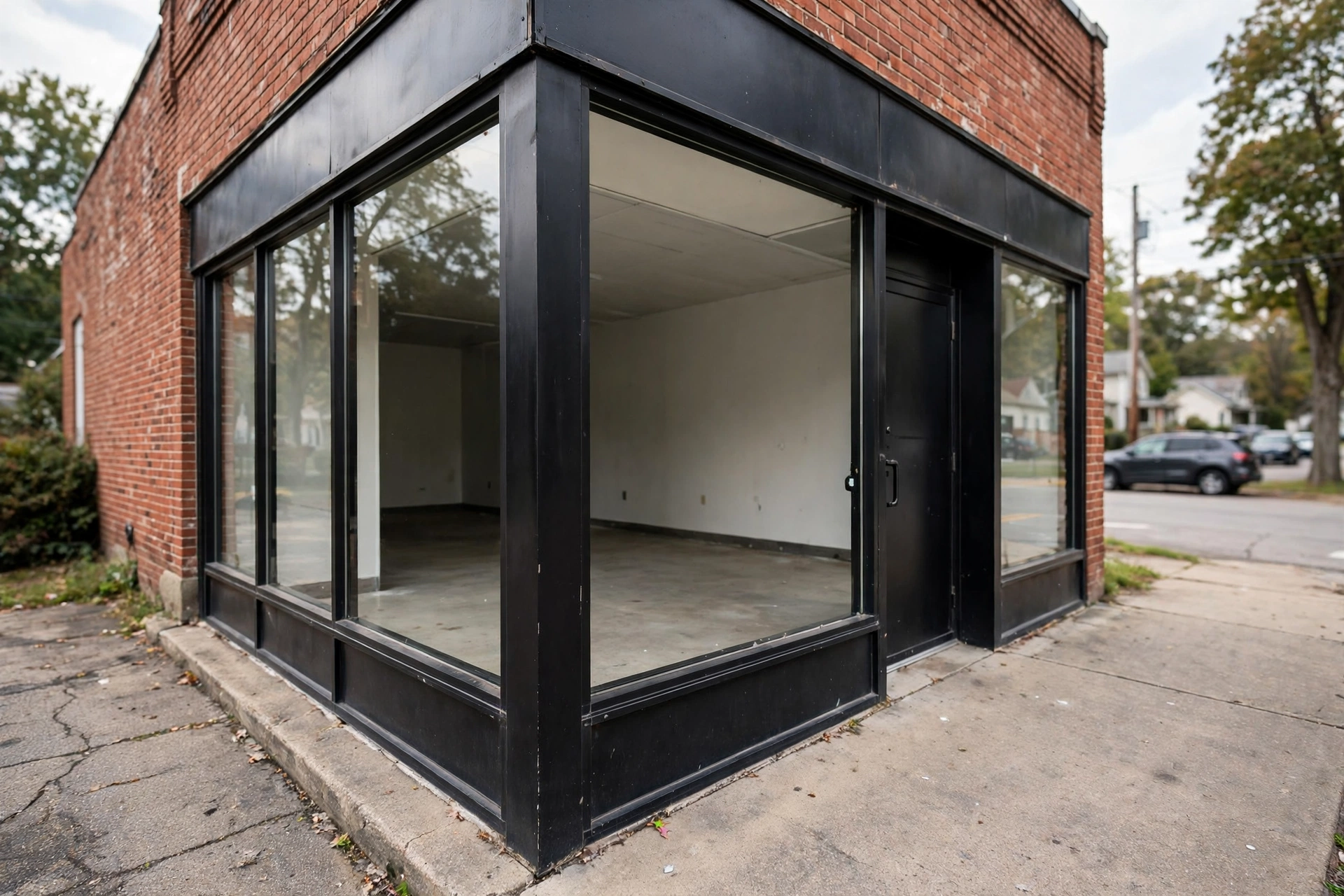
- Photo 1: Wide exterior view showing the storefront, entrance, and parking or curb access
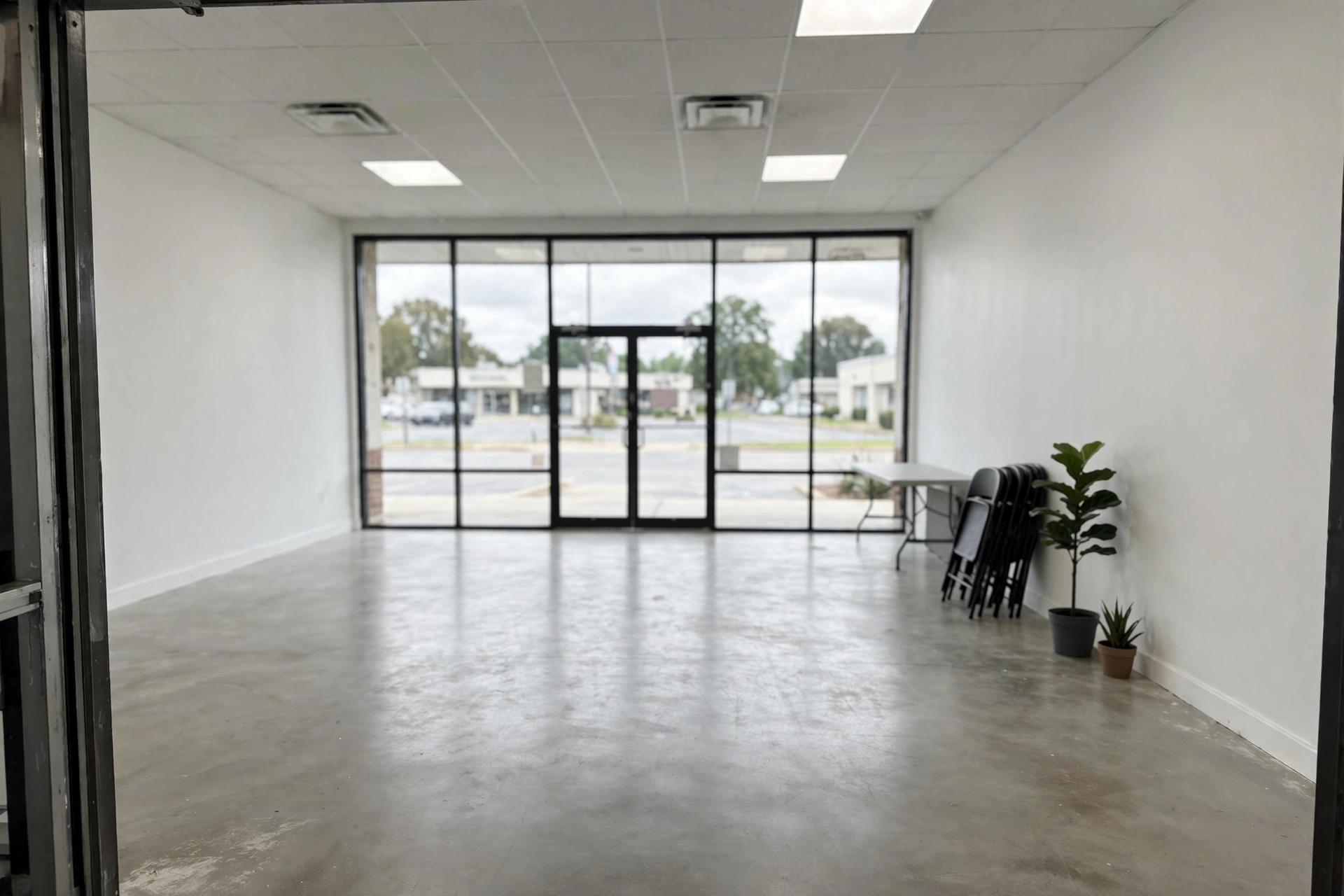
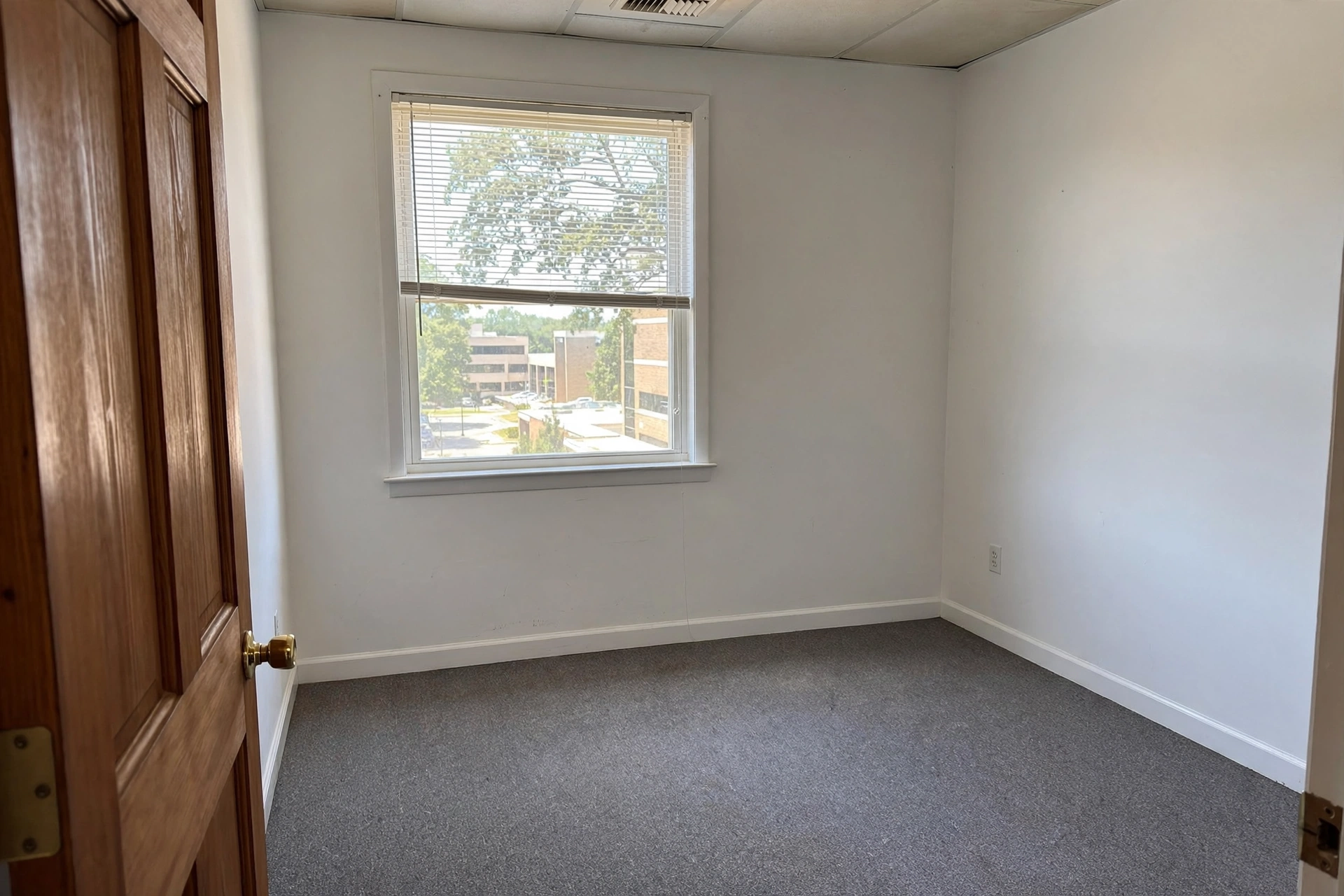
- Photo 2: Bright interior shot from the front door showing the full open floor area
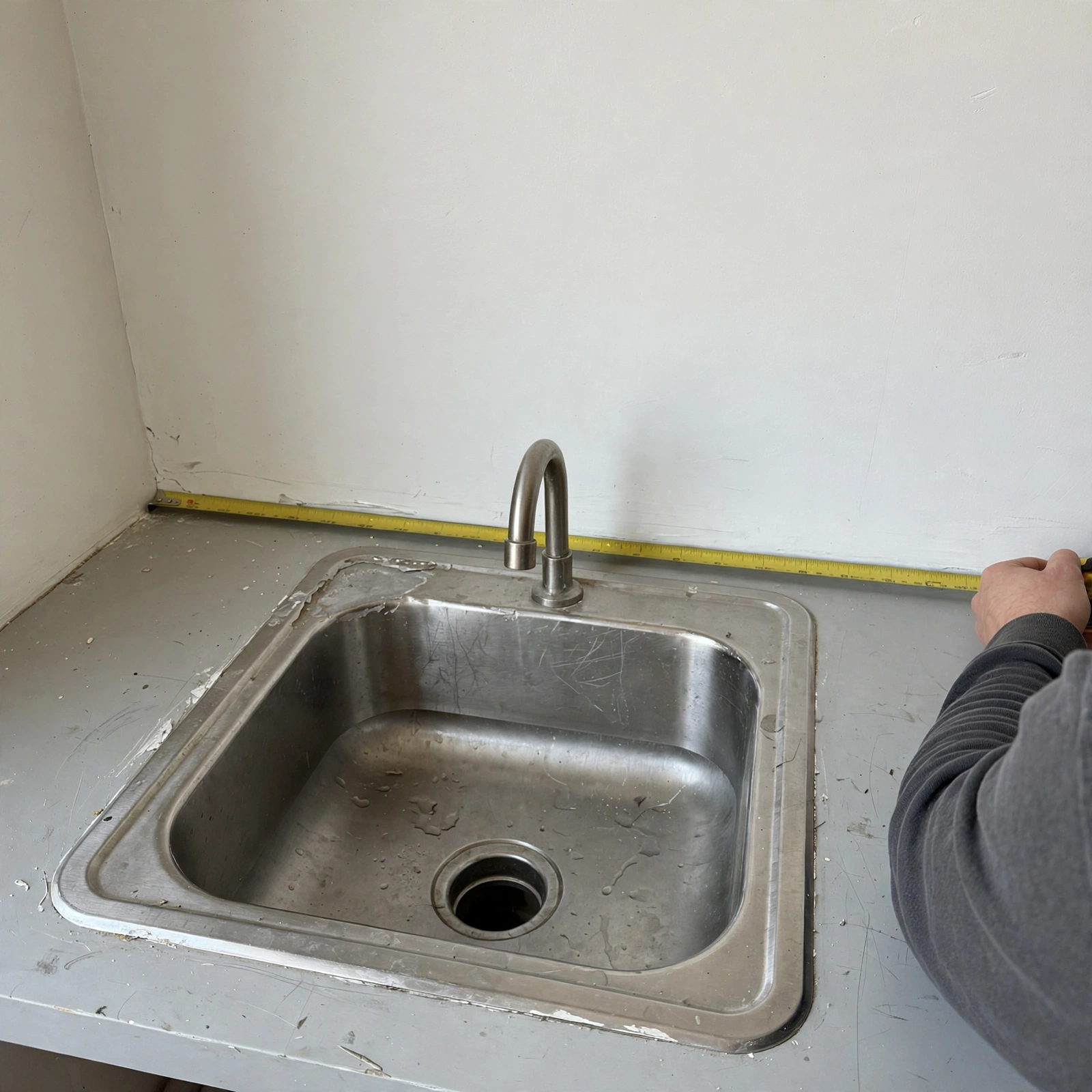
- Photo 3: Close-up of one useful feature, like a private restroom, sink, loading door, or built-in storage
- Photo 4: Back-of-space view showing office nook, utility area, or rear access
- Description sentence: Available commercial space with clear front access, practical layout, and room for a business that needs visible customer entry and simple daily operations.
Keep the photos in this order so a buyer can understand the space from outside to inside without guessing. Avoid dark flash photos, close crops that hide scale, and images that only show decor. A listing works better when every photo answers one question: where is it, how big does it feel, what features are usable, and what condition is it in? If the space is unfinished, say so. If it is move-in ready, show that with clean walls, working lights, and an uncluttered floor. A title under 70 characters helps the listing read well on mobile. The editable sentence above is intentionally plain; you can add your lease terms after it. If you want a second model for wording, Commercial Space for Lease: Checklist to Fill It Faster can help you see how buyers compare practical details instead of marketing language.
Include the deal terms buyers compare first
Most serious buyers want the basic terms up front, even before they tour. Add whether the lease is month-to-month or longer term, whether subleasing is allowed, and whether there are extra charges beyond the base rent. Say if utilities are separate, if there is shared parking, and whether the tenant is responsible for any improvements. If the space is intended for a specific use, mention that clearly so people do not waste time. A simple checklist works well: size, use, condition, access hours, deposit, utilities, and move-in timing. If you do not know an answer yet, say “confirm during showing” instead of leaving it out. One common mistake is writing “all utilities included” when only water is included, or “available now” when the space still needs cleanup. Another mistake is hiding access limits, like shared entry times or restricted deliveries. Buyers compare commercial listings by risk as much as by rent, so the more precise you are, the more trust you build. That trust leads to better inquiries from people who can actually move forward.
| Field | What to write |
|---|---|
| Space type | Retail, office, studio, warehouse, or mixed-use |
| Size | Exact square footage if known |
| Access | Street entry, rear door, loading, or shared hallway |
| Costs | Base rent plus any extra charges you know |
| Condition | Move-in ready, partly finished, or needs build-out |
Photograph the space like a buyer will tour it
Use photos that answer practical questions, not just attractive ones. Start with the exterior so the buyer can identify the building, then move inside with one shot from each corner if possible. If the ceiling is low, the floor needs work, or the room has narrow access, show that honestly. A buyer deciding on a retail space listing tips may care more about visibility and layout than styling, while an office user may care more about private rooms, noise, and natural light. Include one photo that shows scale, such as a doorway, standard chair, or visible room depth. If the unit has a restroom, sink, or delivery route, capture it clearly. Do not use filters that change wall color or make the space look larger than it is. The most useful image is often the one that answers the hardest question: “Can my business function here?” When your photos are accurate, you reduce avoidable messages and you get more serious contacts from people who have already decided the space could work.
Avoid the mistakes that slow serious inquiries
The biggest mistake is making the listing sound generic. “Great location” and “must see” do not help a business owner compare. Another mistake is leaving out the size or hiding the layout behind furniture. If there is a condition issue, mention it plainly so nobody is surprised at the showing. Do not overpromise permits, usage approval, or tenant fit; those questions can change by property and jurisdiction, so buyers and sellers should confirm with the city or state before making decisions. Keep contact instructions simple, too: one preferred way to reach you and one clear question buyers should answer, such as intended use and move-in date. That filters out casual messages. If you are reposting, update the photos and terms instead of copying stale wording. A fresh listing with correct details performs better than a polished one that leaves out the facts. The best approach is simple: describe the space the way a practical business owner would inspect it, then make it easy to compare with similar options nearby.
Use free listing assistant when that is the next step.
Frequently Asked Questions
How do I price a commercial space for rent?
Check similar local listings with the same space type, size, condition, and lease structure. Compare the total monthly cost, not just the headline rent, and note what is included. If you are unsure, write that the price is based on comparable local listings and invite buyers to ask for the current terms.
What photos should I include in a commercial listing?
Use four basics: the exterior, a wide interior view from the entrance, a close-up of a useful feature like a restroom or sink, and a back-of-space photo that shows the layout. Buyers want to understand access, condition, and size quickly. Clear, honest photos usually outperform stylized ones.
What details matter most to buyers?
Buyers usually compare size, use, access, condition, move-in timing, and extra costs. They also want to know whether the space has a private restroom, loading access, parking, or build-out needs. If you list those items plainly, people can decide faster whether the space fits their business.
Can I post a commercial space listing for free on Brixaz?
Yes. Brixaz is free to post, and buyers contact sellers directly. That makes it important to include enough detail in the first version of the listing, because people will often decide whether to reach out based on the headline, photos, and basic terms alone.
How should I write a commercial space for rent description?
Start with the business type the space fits, then add the size, condition, access, and anything included in the lease. Keep it concrete and short enough to scan on a phone. Avoid vague marketing words and focus on the facts a buyer would use to compare the space with others nearby.



Comments
Loading comments...
Checking sign-in status...