
List Land for Sale by Owner: Lot Size, Access, Zoning
A lot-for-sale listing works better when it explains usable size, road access, utilities, zoning questions, survey details, and what a serious buyer should ask before visiting.
ARTICLE LANGUAGE
Showing original language
If you own a vacant lot, side parcel, buildable infill lot, rural homesite, or leftover piece of land you are ready to sell, start with a clear Brixaz lot-for-sale post. A useful listing does not just say "land available." It gives buyers the facts they need to decide whether the lot is worth a message: size, road access, utilities, zoning questions, price, photos, and what documents you have.
The conversion question is narrow: who can post after reading this? A land owner, family representative, small builder, investor, or property owner with permission can post one real lot for sale today. The exact thing to post is a for-sale-by-owner land listing with usable size, access, city or county, allowed or likely use, utility status, boundaries, price terms, and a safe first-message process. Brixaz is still building its marketplace supply, so an early lot listing has free posting, direct buyer contact, and low category competition, without a guaranteed sale or lead count.
Lead with the lot type and real use
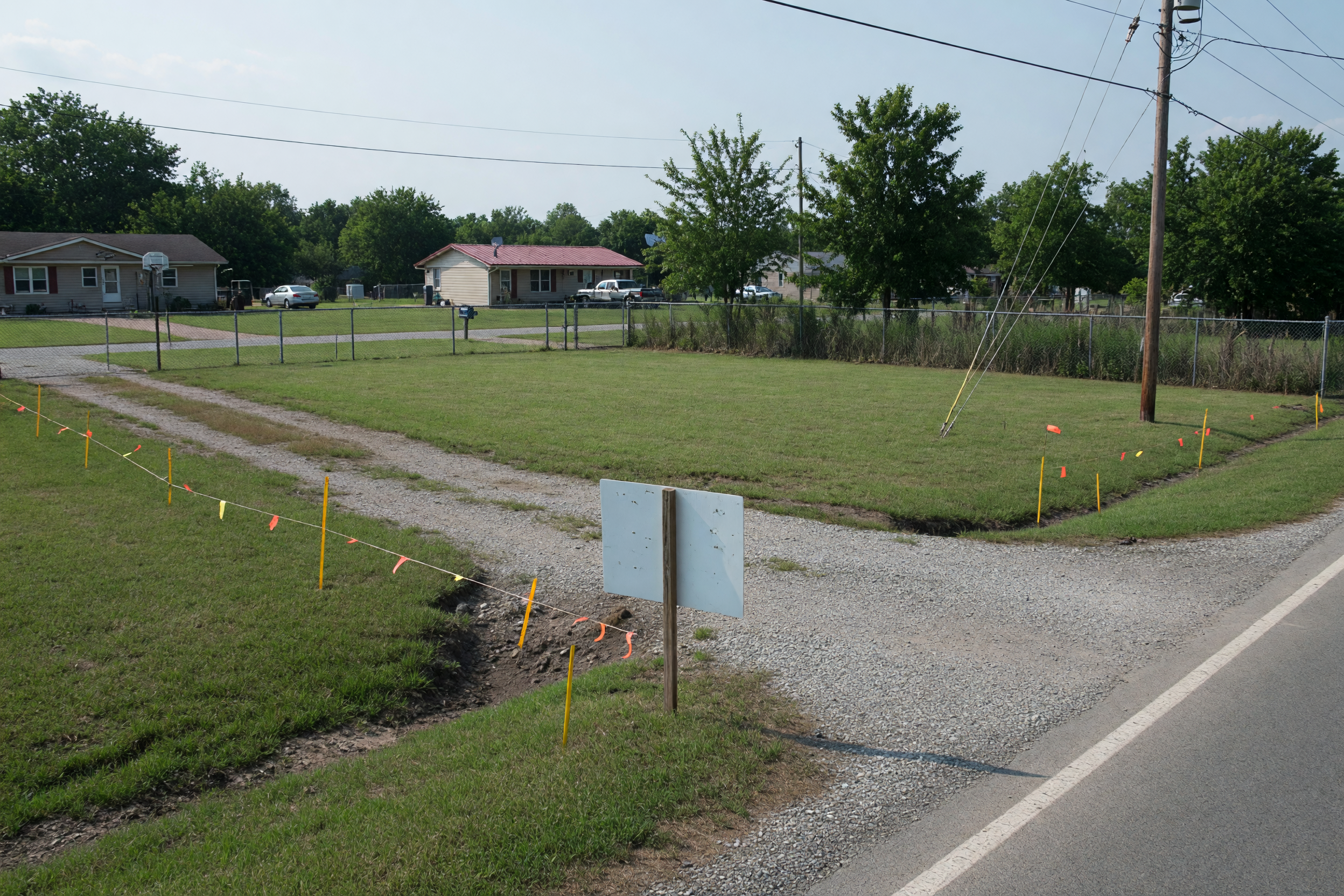
Buyers do not all mean the same thing when they search "list land for sale" or "lot for sale by owner." One wants a small city parcel for a future home. Another wants a rural homesite. Another wants extra land next to an existing property, a parking pad, garden space, or a long-term hold. Your opening lines should say what the lot is, where it generally is, and what kind of buyer should keep reading.
Weak copy says, "Great lot, many possibilities, message me." Better copy says, "Vacant residential lot for sale by owner near the east side of town, about 50 by 125 feet, paved street frontage, no house on site, buyer should confirm build rules and utilities with the city before making an offer." The better version is not fancy, but it gives a serious buyer enough to ask a useful next question.
Do not overstate buildability. If you have zoning, survey, plat, tax record, septic approval, flood information, HOA rules, or utility letters, say what you have. If you do not have those documents, write "buyer to verify" where appropriate and avoid promising a use you cannot confirm.
Measure the land buyers can actually use
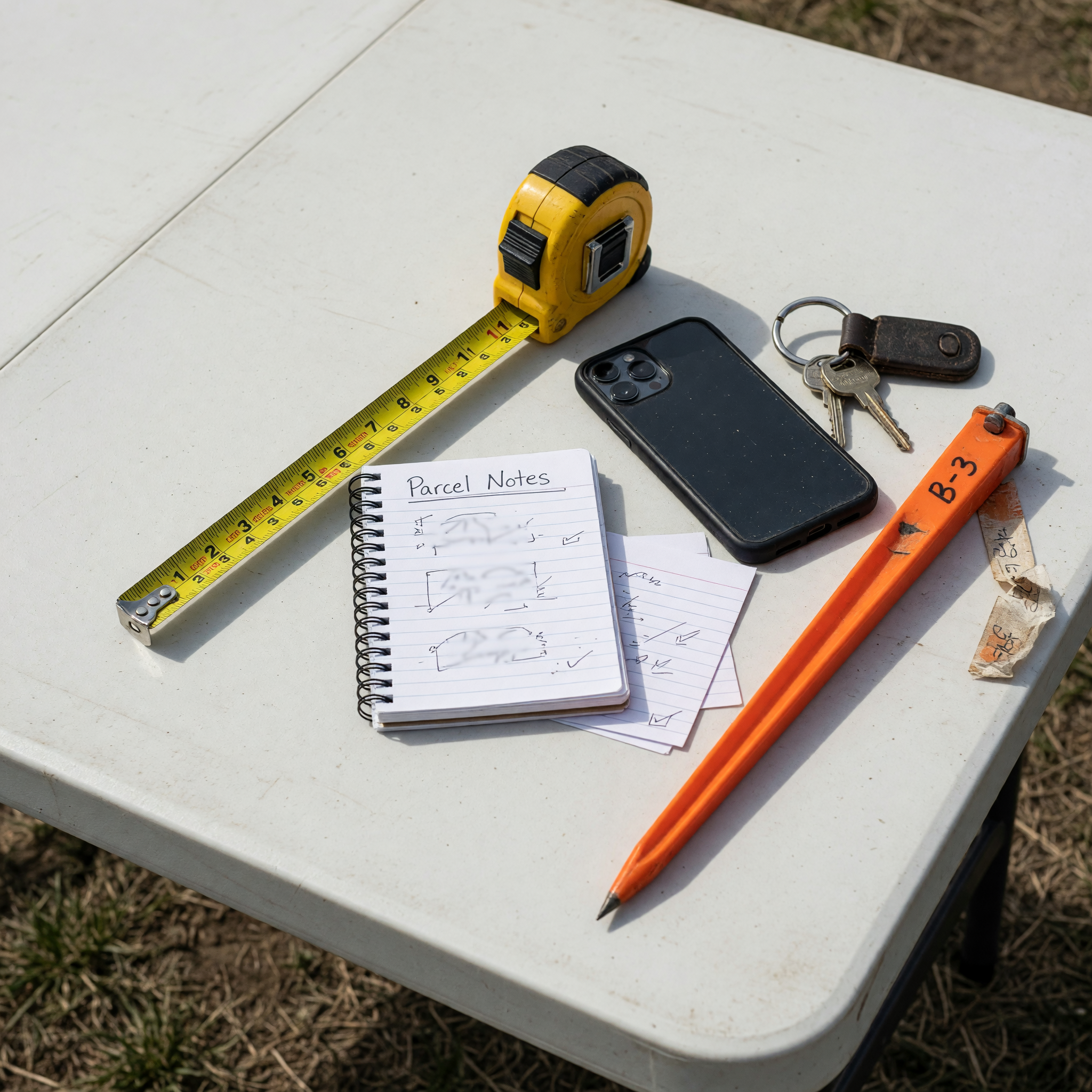
Lot size is more than acreage. A buyer wants to know the approximate frontage, depth, shape, slope, usable flat area, easements, setbacks, drainage, trees, fencing, and whether any part is hard to access. If you only know the tax-record size, say that. If you have a survey, mention the survey year and whether you can share it with serious buyers.
Good listing copy sounds like this: "County record shows 0.23 acres. Approximate street frontage is 75 feet. Lot slopes gently toward the back, with trees along the rear line. Seller has an older survey; buyer should verify boundaries, setbacks, and building requirements." That sentence reduces back-and-forth because it separates what you know from what the buyer must confirm.
Make access impossible to misunderstand
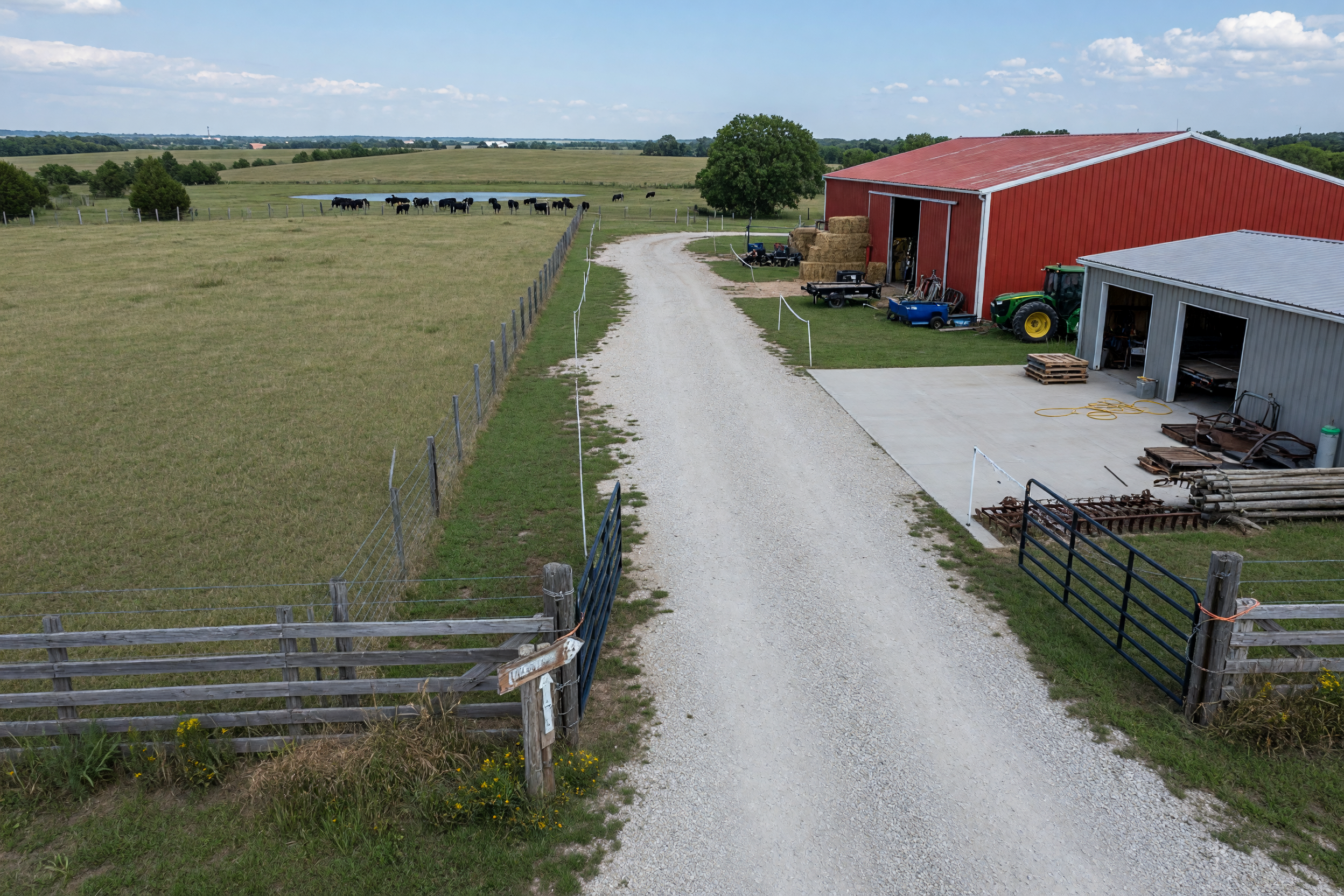
Access can be the biggest difference between a serious land lead and a wasted showing. State whether the lot touches a public road, private road, easement, alley, shared driveway, unpaved lane, gated entrance, or no improved road at all. If a buyer will need a truck, a walk-in visit, permission to enter, or a neighbor's shared access route, make that clear before anyone asks for the address.
Use plain language: "Paved public road frontage with curb cut nearby," "gravel private road; buyer should confirm maintenance agreement," or "no installed driveway; walk-in showing only with owner approval." A buyer can work with a limitation if it is visible in the listing. Hidden access limits break trust.
For Brixaz, this matters because direct contact puts the buyer and seller in the same thread. A clean category and specific access details help the first message skip generic questions and move toward a visit, document request, or offer discussion.
Use this land listing checklist before posting
Fill these fields before publishing. You do not need every document in hand, but you should separate confirmed facts from buyer-verification items. That is the difference between a useful owner listing and a vague land ad.
| Field | What to include | Example wording |
|---|---|---|
| Lot type | Residential lot, rural parcel, infill lot, commercial lot, side parcel | Vacant residential lot for sale by owner |
| Location | City, county, nearby cross streets or general area | Near the north edge of Austin, buyer receives exact address after message |
| Size | Acres, square feet, frontage, depth, usable area | About 0.25 acres, roughly 80 feet of frontage |
| Access | Public road, private road, easement, gate, driveway, showing rules | Paved road frontage; no installed driveway |
| Utilities | Water, sewer, septic, electric, gas, well, none, buyer to verify | Electric at road; buyer to verify water and septic options |
| Zoning | Known zoning, permitted use, county rules, HOA, buyer verification | Listed as residential in county record; buyer to verify build rules |
| Documents | Survey, plat, tax record, deed, disclosures, soil or perk test | Seller has tax record and older survey available for serious buyers |
| Site condition | Slope, trees, drainage, fencing, debris, structures, cleanup needed | Mostly clear with trees at rear; no structures on site |
| Price | Asking price, cash only, owner financing, deposit, closing expectations | Asking $45,000 cash or verified financing; buyer pays closing costs |
| Buyer message | Budget, intended use, timeline, financing status, visit windows | Send intended use, financing status, and two visit times this week |
If your notes are scattered, draft the first version with the marketplace listing template generator. If pricing is the part holding you up, compare your lot against nearby public listings and then sanity-check your ask with the listing price checker. Tools cannot replace local comps, legal review, or buyer verification, but they can help you stop postponing the listing because the wording is messy.
Photograph boundaries, road frontage, and constraints
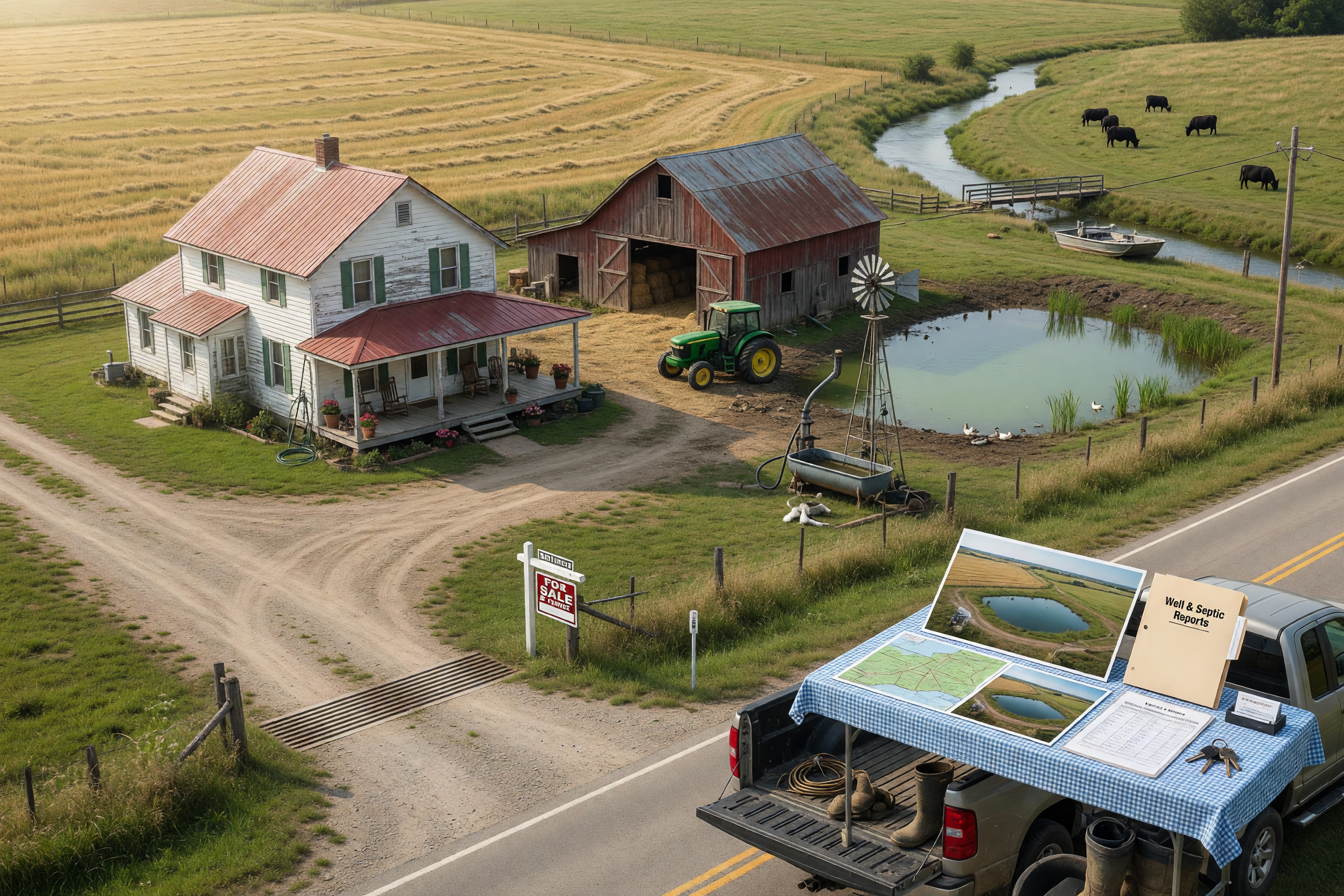
Land photos should help a buyer plan the visit. Take a wide photo from the road, a photo facing the road from inside the lot, each side boundary if visible, the rear area, the surface or slope, trees or clearing, driveway or gate, utility poles or meters nearby, drainage areas, and any cleanup issue. If the lot is wooded, show both the road edge and interior view instead of posting six nearly identical tree photos.
Avoid fake overlays, unreadable signs, private documents, neighboring license plates, security codes, and close-ups of mailboxes. Put measurements and parcel facts in the listing text. If a boundary is approximate, say "approximate boundary area shown" instead of implying a photo is a survey.
Choose the right marketplace context when you publish. Brixaz keeps housing-related listings together in the housing section, so a lot-for-sale post sits near rooms, homes, apartments, rural property, and parking or storage-style property offers rather than being mixed into ordinary used items.
Screen buyers without sharing too much too soon
A land listing should invite serious buyers, not expose every private detail at once. It is reasonable to ask first-message questions before sharing documents or exact visit instructions: intended use, cash or financing status, timeline, whether they have checked city or county requirements, and two visit windows. You can also ask whether they are a buyer, agent, builder, neighbor, or investor.
Keep the public listing clear but careful. Give the city or general area, not sensitive owner information. Do not post deed images, tax IDs, personal phone numbers inside photos, gate codes, or private neighbor details. Meet at the property only when the buyer's intent makes sense, and use normal real estate safety habits: daylight visits, someone else knowing the appointment, and no pressure to accept unusual payment methods.
The founding sellers page explains the Brixaz trade-off: the audience is smaller today, but posting is free, direct-contact, and less crowded in empty categories like lots. For a seller with real land, that means the best move is not a broad hype post. It is a specific listing that lets one serious local buyer understand the parcel quickly.
If your property includes usable acreage, water, or outbuildings, this related guide can help: farm for sale listing checklist
FAQ
What should I include in a lot for sale by owner listing?
Include lot type, general location, size, road access, utility status, zoning or buyer-verification notes, site condition, documents available, price, terms, photos, and what buyers should send in the first message.
Do I need a survey before I list land for sale?
A current survey helps, but you can still list if you clearly state what documents you have and what the buyer must verify. Do not claim exact boundaries from memory if you only have tax-record information.
How should I describe zoning in a land listing?
State only what you can support, such as the zoning shown in a city or county record, then tell buyers to verify allowed use, setbacks, utilities, and permits with the proper local office before making final plans.
What photos help sell a vacant lot?
Use photos of road frontage, entrance, boundaries, interior view, slope, trees, utilities nearby, drainage, and any cleanup issue. Buyers need to understand access and usable land, not just see that the parcel exists.
Should I share the exact address in the public listing?
You can share it if you are comfortable, but many owner-sellers start with the city or general area and provide exact visit instructions after a buyer sends intended use, budget or financing status, and availability.
Where should I post land for sale on Brixaz?
Use the lot category with selling and offering selected. The prefilled Brixaz route in this guide already carries the listing type, category, and article source so the post lands in the right housing context.
Comments
Loading comments...
Checking sign-in status...