
How to Finish a Farm or Ranch Listing That Shows Real Value
If you started a farm or ranch listing and left it unfinished, this guide shows how to complete it with the details buyers actually need. Learn how to turn a form without publishing into a listing that proves value, answ
ARTICLE LANGUAGE
Showing original language
If you can post today, start on conversion and keep the listing specific enough that a local buyer can decide fast.
Use why early listings matter if you want the no-fee, direct-contact trade-off in plain words.
Start with the facts buyers use to judge land value
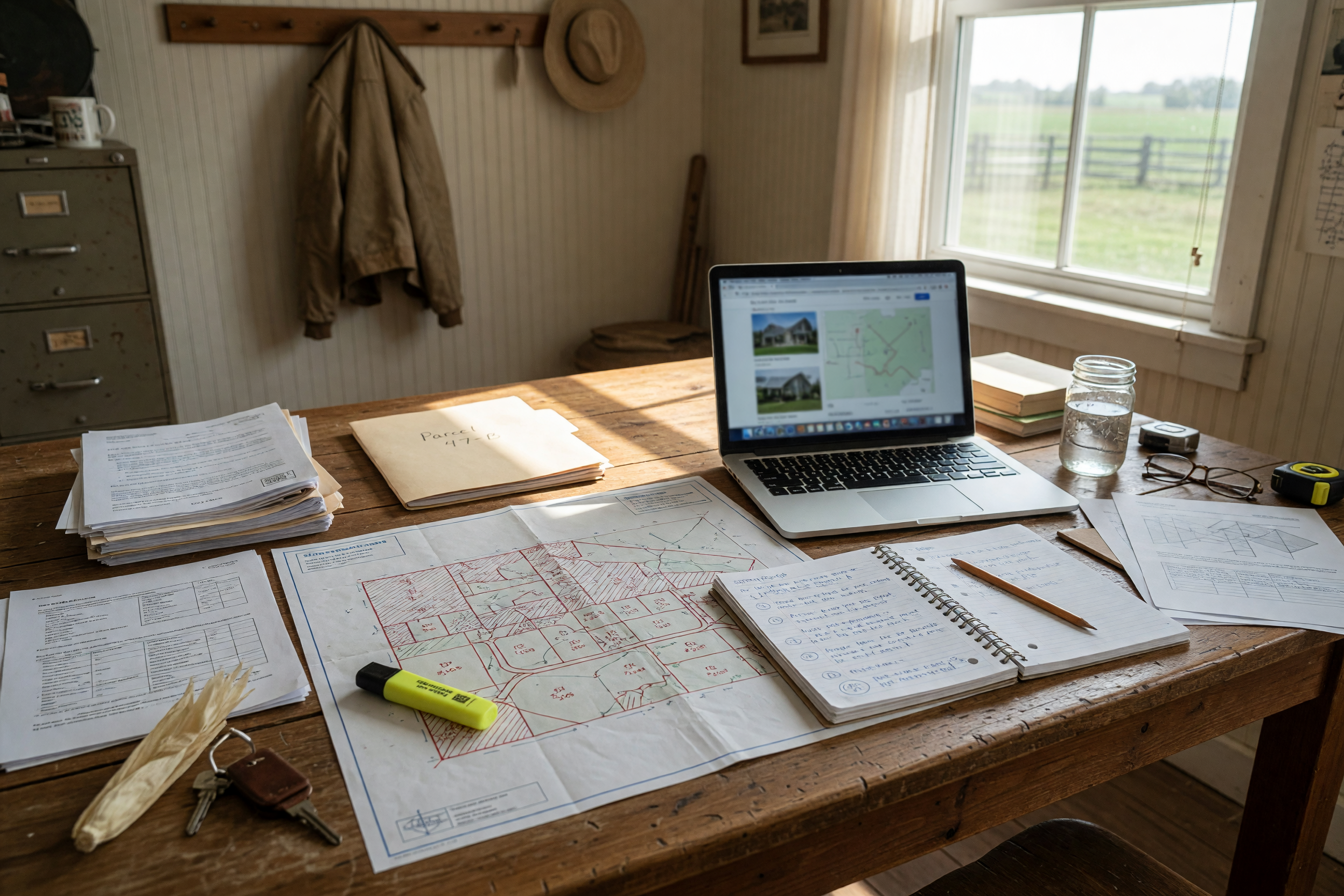
The fastest way to finish a farm or ranch listing is to begin with the facts buyers compare first. Land size, parcel shape, road access, water sources, fencing, pasture condition, and existing structures matter more than polished adjectives. If you leave those out, the listing feels incomplete and buyers have to guess. That uncertainty lowers trust and often stops contact before it starts. A buyer who is searching by acreage or utility wants to know if the property supports grazing, farming, storage, or a future build. Name the basics clearly and in the same order every time so the reader can scan without effort.
Think of the listing as a decision document, not a brochure. Instead of saying the ranch is “great” or the farm is “ideal,” show why it is usable. Include the number of acres, whether the land is cleared or wooded, if there is seasonal or year-round water, and whether equipment can reach all parts of the property. If the listing began as a draft, this is where you should complete the core fields before anything else. Once the facts are visible, the rest of the description has a foundation buyers can trust.
Explain access, water, and working condition in plain language
Access and water are two of the most important value signals in a farm or ranch listing. Buyers do not just want to know that a property exists; they want to know how it functions in daily use. Is there legal road access? Can trucks or trailers enter easily? Are gates wide enough for equipment? Does the property have wells, ponds, creeks, irrigation lines, or shared water rights? The more plainly you answer these questions, the less back-and-forth you create later. This is one of the easiest ways to turn a weak draft into a stronger listing without adding unnecessary length.
Working condition matters too. A ranch with maintained fencing and passable lanes speaks differently from raw acreage with no improvements. A farm with barns, sheds, or corrals should not hide those details in a vague sentence. Describe what is ready, what needs repair, and what is seasonal. Plain language helps the reader imagine actual use instead of just a map pin. If you are using a form without publishing yet, this is the section to complete carefully because missing utility details often make a buyer leave before saving or contacting you.
Use measurements and specifics instead of broad claims
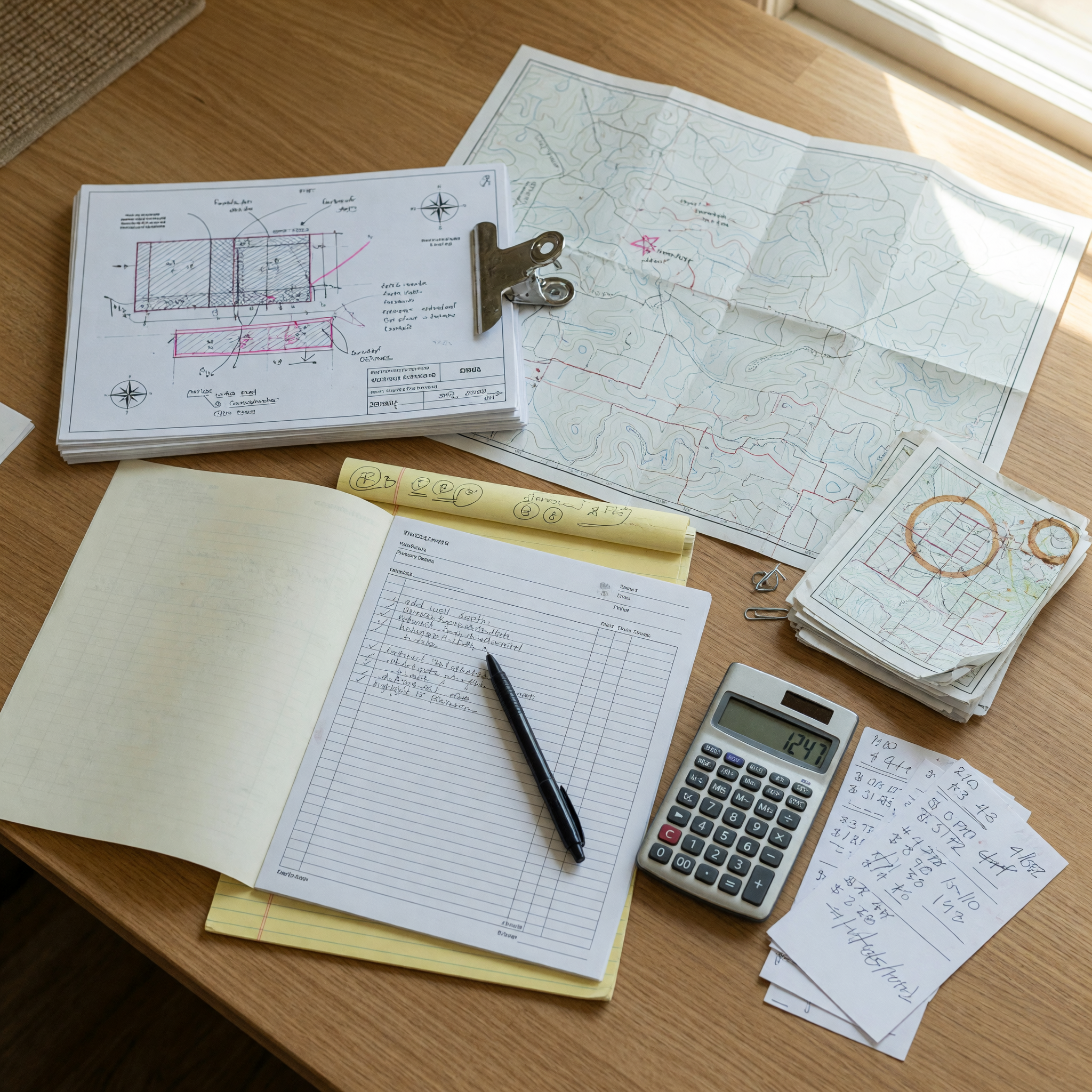
Broad claims can make a land listing sound impressive, but specifics make it believable. Rather than saying the property has “plenty of water” or “excellent potential,” give numbers, counts, and measured details whenever possible. Acres should be exact. Structure sizes should be listed. If there are multiple fields, pastures, barns, or outbuildings, note how many and what each one is used for. Buyers shopping for rural property often compare listings side by side, and the one with clearer measurements usually wins attention. Specifics help the property feel priced and represented honestly.
If you do not know every number yet, gather them before you finish the post. Check the survey, title documents, county records, or your own notes. Even a simple detail like the type of fencing or the length of road frontage can improve the listing’s value signal. A buyer who sees measured facts is more likely to believe the rest of the description. This is especially important when you are trying to terminar anuncio after starting from a template, because template language can sound generic unless you replace it with property-level proof. Finish the listing with concrete details, not placeholders.
Write for the buyer’s use case, not only the property type
A farm or ranch listing becomes stronger when it shows how the land can be used. Different buyers care about different outcomes. Some want cattle-ready pasture. Others want crop potential, hay production, storage space, or a quiet place with room for a future home. Your description should connect the property features to those uses. If the land supports grazing, say so. If it is better suited to weekend recreation, small-scale farming, or investment hold, explain that in plain terms. This helps buyers picture themselves on the property instead of just reading a list of features.
Matching features to use also prevents the listing from sounding too generic. A reader can tell when a post repeats the same phrasing used for every parcel. Strong listings mention the likely buyer without making promises the property cannot support. For example, if water access and fencing make livestock management easier, write that clearly. If the terrain is better for development or mixed use, say that too. When you finish the form, make sure each major feature leads to a practical outcome. That is what gives the listing real value and makes the message worth sending.
Remove weak filler and replace it with proof
Filler words can quietly weaken a listing even when the property itself is good. Phrases like “must see,” “rare opportunity,” and “won’t last long” do not explain value. They take up space that should be used for facts. Buyers of rural property want evidence, not noise. If your draft feels thin, cut every sentence that repeats the same idea without adding new information. Then replace it with proof: utility details, site features, access notes, maintenance history, or recent improvements. A short, direct listing can outperform a long one when every sentence adds something real.
Proof can also mean context. If the land was recently cleared, resurfaced, fenced, or surveyed, say when and how that changed the property’s usefulness. If there are restrictions, easements, or seasonal limitations, disclose them clearly. Honest detail often improves confidence more than hype ever will. This is one of the most important steps in a form without publishing because it turns a rough draft into a complete seller story. When a buyer sees evidence instead of filler, the listing feels more professional and the value is easier to understand.
Finish the form as if the buyer will never ask a follow-up
The strongest farm or ranch listings answer the obvious questions before they become messages. If a buyer should ask, “How much acreage is usable?” or “Is there enough water for livestock?” that answer should already be in the post. A complete listing reduces friction and makes it easier for serious buyers to move forward. Write as if the reader will decide from the page alone, because in many cases they will. When you complete the post, check for missing basics: location area, acreage, water, access, improvements, condition, and any limitations. If one of those pieces is absent, the listing is still unfinished.
Before you submit, read the text once as a buyer and once as a seller. The buyer wants clarity. The seller wants accuracy. Both matter. If the post feels too broad, add one more fact. If it feels too long, remove repeated lines and keep the strongest evidence. A finished listing should feel complete, calm, and trustworthy. That is the best way to end the process of terminar anuncio and move from draft status to a listing that actually supports a decision. A complete form saves time for everyone and makes the property easier to evaluate.
Use listing assistant when that is the next step.
Frequently asked questions
What should I include first in a farm or ranch listing?
Start with acreage, access, water, fencing, structures, and current land use. These are the details buyers check first.
How do I make a listing look complete if I am still missing some details?
Gather the missing facts before publishing and remove any placeholder language. A complete listing is more trustworthy than a rushed one.
Why do access and water matter so much in rural listings?
They affect how the property can be used every day. Buyers want to know whether the land supports livestock, equipment, or farming activities.
Should I use marketing language or plain facts?
Use plain facts first, then add brief context where it helps. Specifics usually build more trust than big claims.
What does it mean to finish a form without publishing too early?
It means completing all the important fields and reviewing the listing before making it public. That helps prevent weak or incomplete posts.

Comments
Loading comments...
Checking sign-in status...