
Bill of Sale: Write It, Sign It, and Save It
A practical guide to a bill of sale: what to include, common mistakes to avoid, and a simple listing kit you can use right away.
ARTICLE LANGUAGE
Showing original language
A bill of sale is a simple record that proves you transferred an item to a buyer, and it can help both sides remember the price, date, and condition. Brixaz tools listings Use it for a private sale when you want a clear paper trail before you post the item or hand it over.
On Brixaz, you can pair that paperwork with a free listing and direct buyer-seller contact, then keep the process moving without another platform. This guide shows what to include, what to skip, and how to turn the same details into a clean listing people can understand fast.
What to put in the document so it actually helps
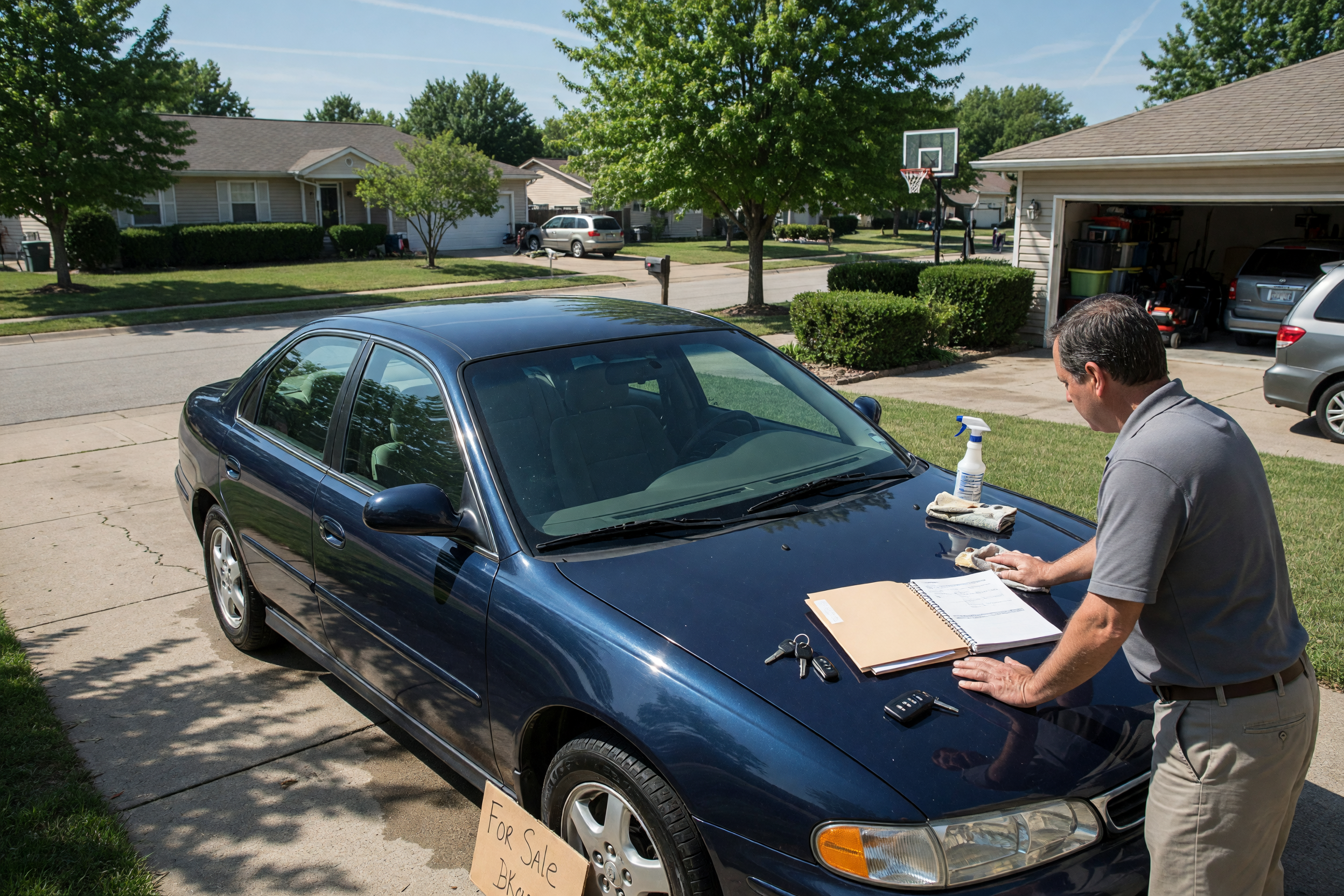
Keep the document focused on the transfer, not a long contract. Include the buyer and seller names, the item’s make or model if it has one, a short description, the date, the price, and the condition as it was at the time of sale. If the item has a serial number, VIN, or other unique identifier, add it. End with both signatures and a copy for each person. One concrete example: if you sold a used laptop, write the brand, screen size, storage, color, charger included or not, and whether it was working when handed over. A clear record protects both sides if memory gets fuzzy later. Avoid vague lines like “miscellaneous item” or “as discussed.” Those phrases are hard to verify and can cause arguments. If you are selling something that has special rules, title paperwork, or transfer steps, confirm the requirements with your city or state before you finish the deal.
A paste-ready listing kit you can edit in minutes
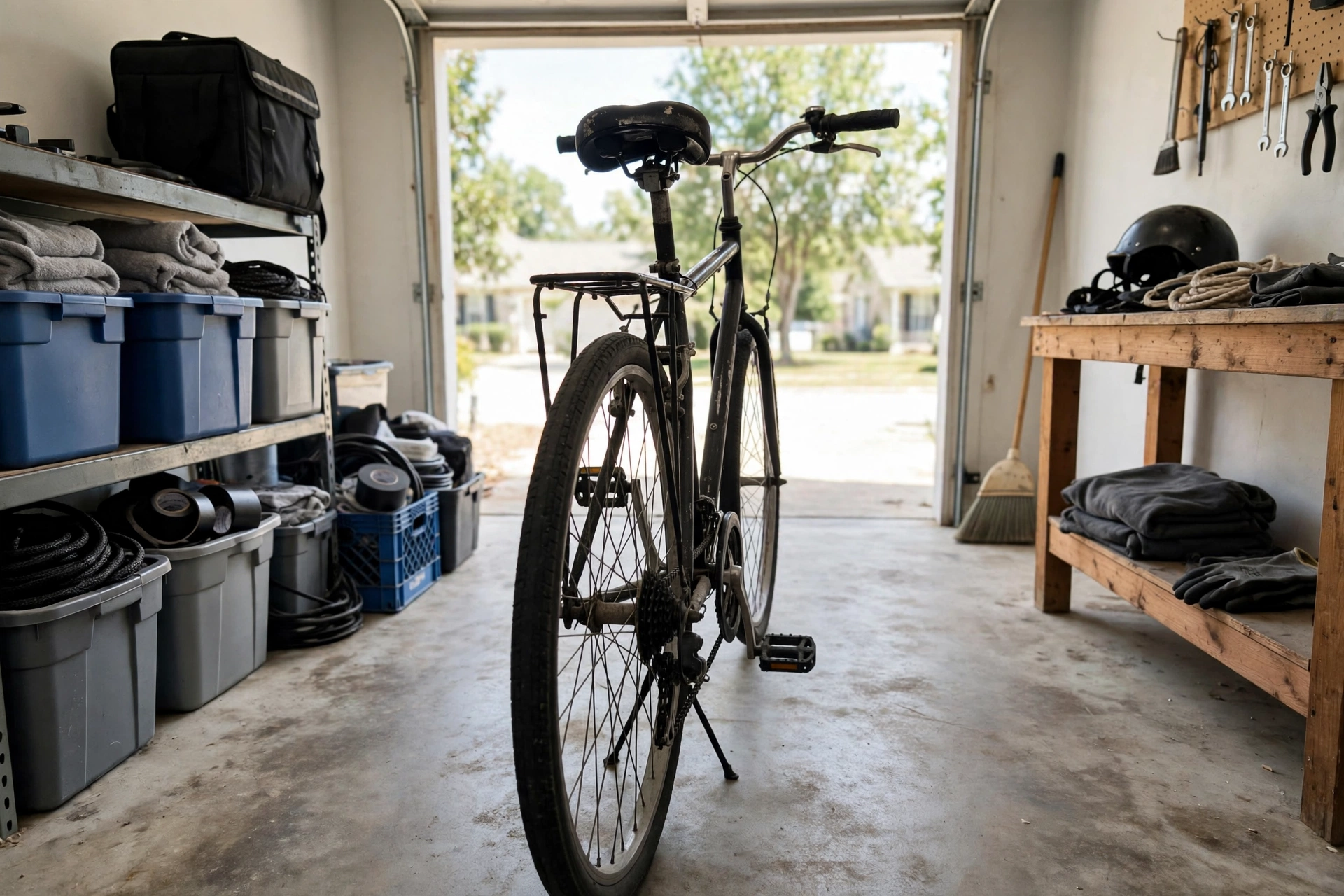
- Title: Used black 2019 foldable bike, clean and ready
- Photo 1: Full item in bright daylight from the side
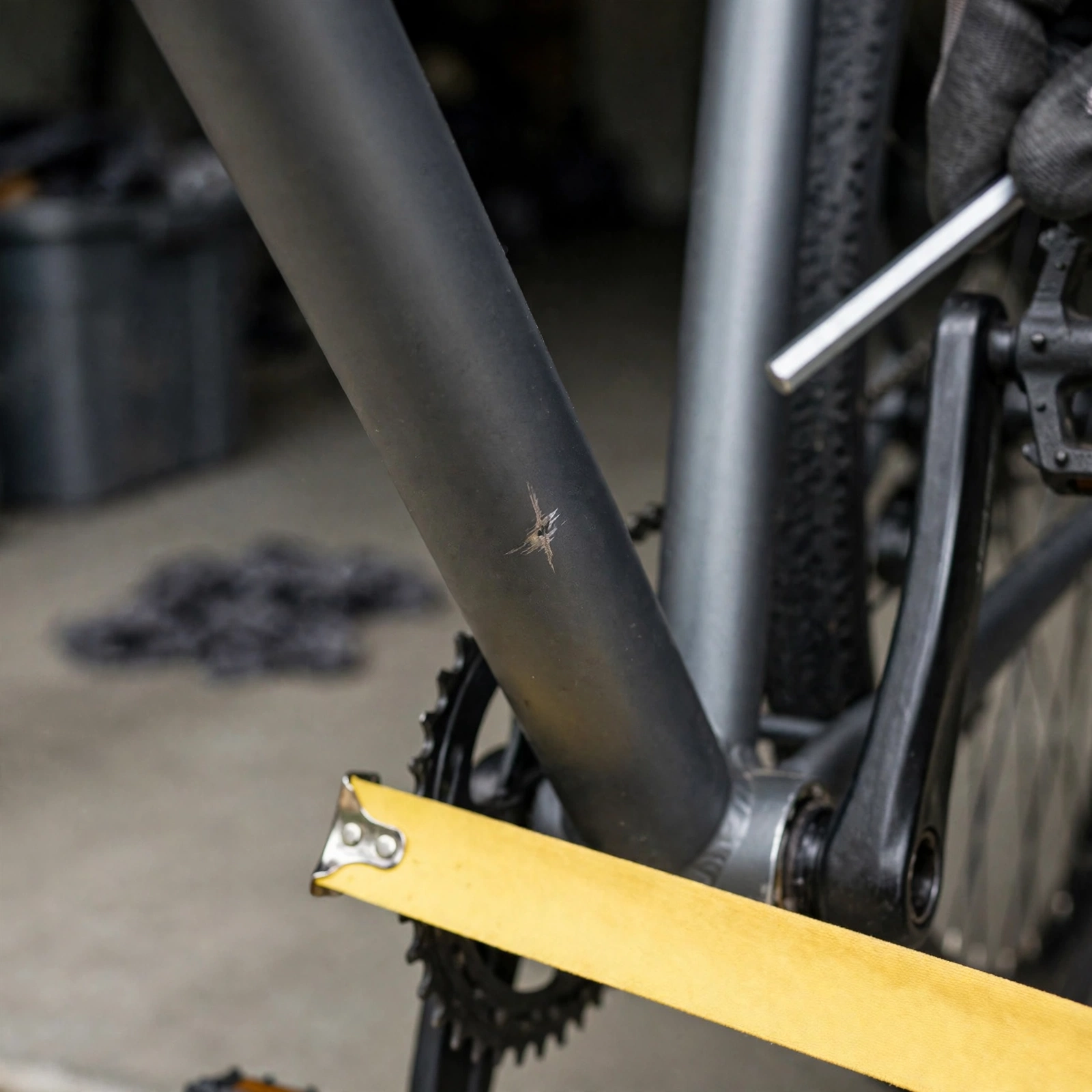
- Photo 2: Close-up of the serial number, tag, or key features
- Photo 3: Wear spot, scratch, or stain shown honestly
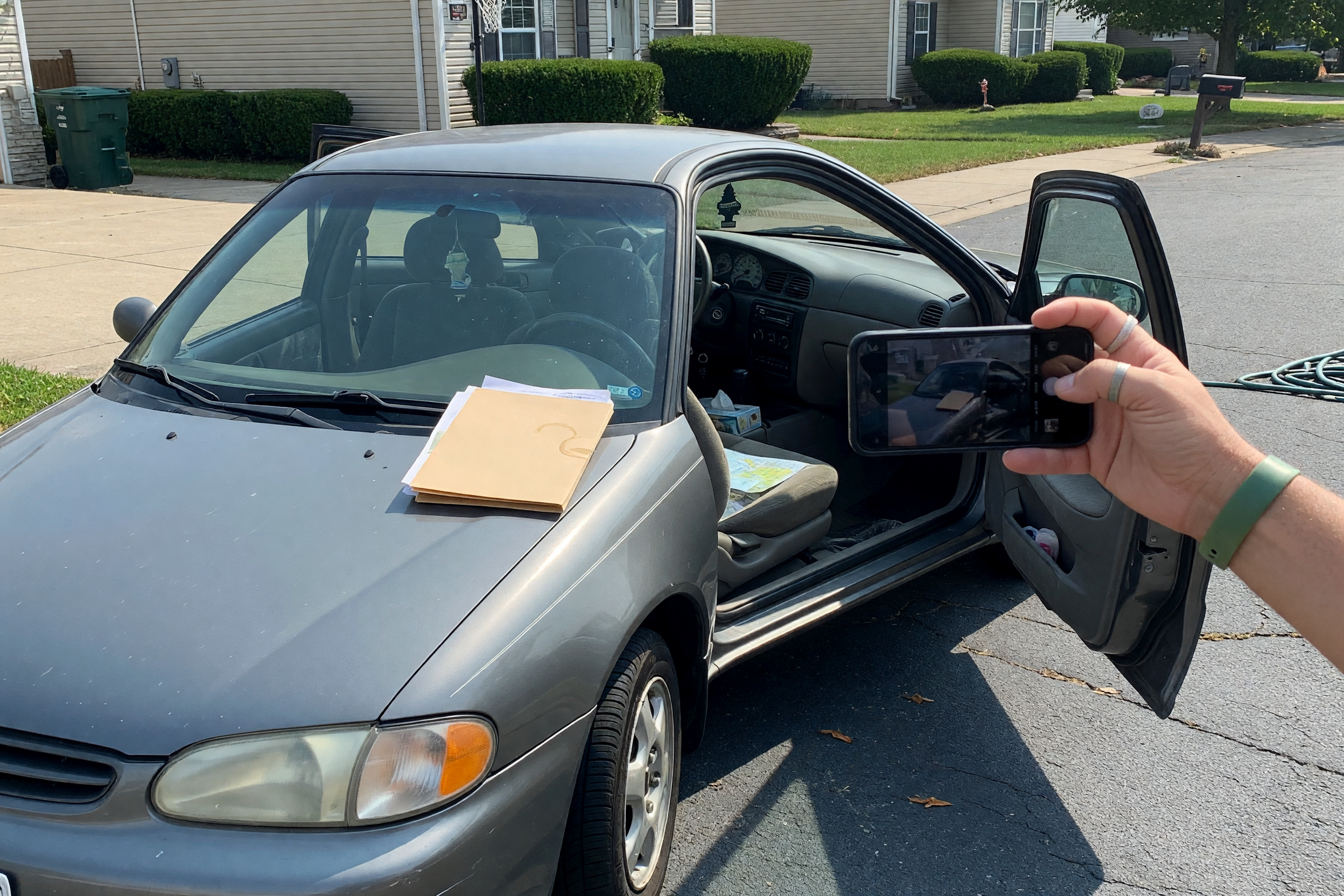
- Photo 4: Everything included together, laid out neatly
- Description sentence: “Selling a [item] in [condition] condition with [included accessories], stored indoors, and ready for pickup after a quick message.”
Use the same facts in your paperwork and your listing so the buyer sees one consistent story. That makes messages easier because you do not need to restate every detail. If the item has a box, manual, charger, mount, or extra parts, list those in the description and photograph them in one grouped shot. A mismatch between the listing and the document is a common mistake: for example, saying “like new” online but writing “fair condition” on the paper. Pick wording that matches what a buyer can actually inspect. Brixaz tools can help you keep the details organized before you post.
How to price it without guessing
Do not price from a memory or a random old receipt. Check comparable local listings for the same item, then compare condition, age, accessories, and whether pickup is easy. Start by scanning what similar sellers describe, not just the number they ask for, because the description often explains why one item costs more. For example, a complete tool set with the case and charger should usually be compared against other complete sets, not bare tools. If you want a faster sale, set your price near the low end of similar listings; if your item is cleaner, newer, or includes extras, explain why in one sentence. Avoid copying the first number you see, because that may be an outlier. If you are unsure, ask yourself what a buyer would pay for yours after subtracting missing parts, wear, and any pickup inconvenience. That is a more realistic starting point than aiming high and hoping.
When you’re ready to turn those details into a post, free listing assistant helps you match the listing to the item’s real condition so buyers know what they are seeing.
A checklist for signs, dates, and signatures
| Step | What to check | Common mistake |
|---|---|---|
| Names | Full buyer and seller names | Using nicknames only |
| Item details | Brand, model, color, size, serial or VIN | Leaving out unique identifiers |
| Condition | Working status and obvious wear | Writing “good” without specifics |
| Transfer date | The actual day you exchanged item and payment | Using a future date by accident |
| Signatures | Both people sign the same version | One person signs a different copy |
Use this as a final pass before anyone walks away. A clean signature page matters more than fancy wording. If you are selling an item to a friend, family member, or neighbor, still fill in the same fields so nobody has to reconstruct the deal later. If the item changes hands in a parking lot or at a pickup point, write the location in your notes for your own records, even if it is not on the form. Keep the paper or PDF in a place you can find fast, especially if the buyer messages later about a missing accessory or a condition issue.
When a simple receipt is enough, and when it is not
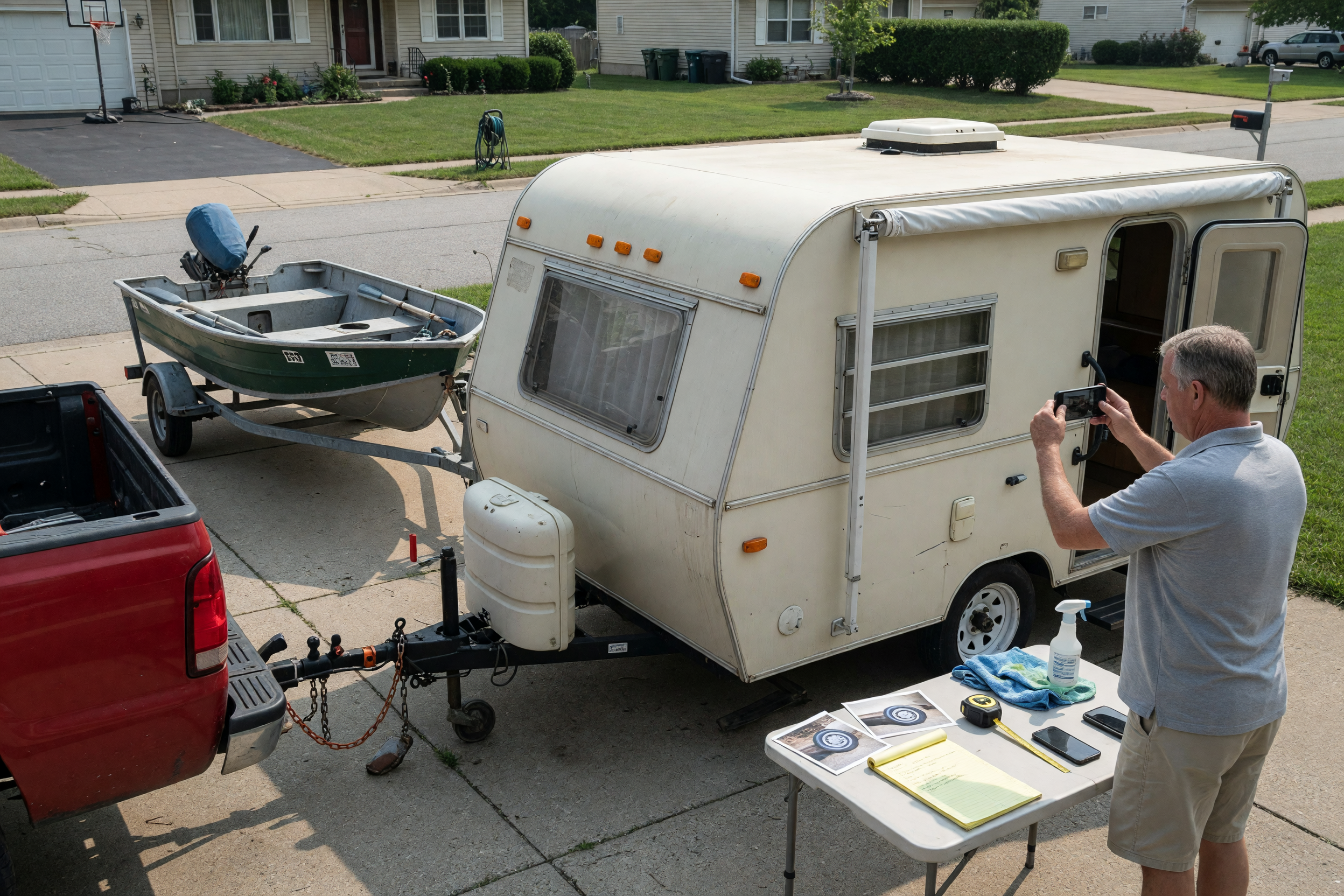
A short receipt may be enough for low-risk private sales where both sides only need proof of payment and transfer. A more detailed bill of sale is better when the item is higher value, has a unique identifier, or could come with follow-up questions about condition. Think of a receipt as “money changed hands” and a bill of sale as “this exact item changed hands under these terms.” For example, a secondhand dresser may only need a brief receipt, while a trailer, musical instrument with a serial number, or collectible item benefits from more detail. Do not turn the document into a warranty unless you truly mean to promise one. If you need a payment plan or special promises, use a different agreement and confirm the wording before signing. The safest habit is to write only what you can verify. That keeps the record honest and easier to defend if either side looks back at it later.
If your next step is posting, Do You Need a Bill of Sale? Private-Sale Rules, State by State is useful when you want to move from paperwork to a buyer-facing listing without rewriting everything from scratch.
A final cleanup pass before you post or hand it over
Do one last review of the details before you publish the listing or complete the exchange. Read the item description out loud and compare it with the paper. Ask: does the condition match, are the accessories listed, and did I leave out anything a buyer would care about? Then check the photos: do they show the same color, size, and wear that the wording describes? One common mistake is writing a clean description and then uploading a blurry image that hides damage. Another is forgetting to mention that a battery, remote, charger, or cable is not included. If the buyer asks for changes, update the listing first so the next person sees the corrected version. Save your final record, then keep the conversation simple and direct. The goal is not to overcomplicate the sale; it is to make the handoff obvious, honest, and easy to verify.
Frequently Asked Questions
What is a bill of sale used for?
It records that a specific item changed hands from a seller to a buyer. People use it to keep track of the date, price, condition, and identifying details so both sides have the same record. It is especially helpful in private sales where there is no store receipt or formal checkout system.
Do I need a bill of sale for a private sale?
Not every private sale needs one, but it is a smart idea when the item is higher value, has a serial number, or might lead to questions later. If the item has title or transfer rules, confirm the exact requirements with your state or city before you finish the deal.
What should I write on a bill of sale?
Use full names, the item description, identifying numbers if available, the sale date, the price, the condition, and both signatures. Keep the wording plain and specific. If you include accessories or note missing parts, buyers can compare the paper to the item more easily.
How do I price a used item before I make the paperwork?
Check comparable local listings for the same item, then compare condition, age, and included accessories. Look at what similar sellers say, not just the asking price. That helps you choose a number that fits your item’s real condition instead of guessing or pricing from memory.
Can I use a bill of sale and a Brixaz listing together?
Yes. Use the same facts in both places so your listing and your record match. That means the description, condition, and included parts should line up. Brixaz is free to post and lets buyers and sellers contact each other directly, so a consistent listing can save messages and confusion.



Comments
Loading comments...
Checking sign-in status...