
How to Sell Used Auto Parts by Fit, Condition, and Delivery
A practical guide for listing used auto parts with the right compatibility details, condition grading, and delivery info so local buyers can decide faster.
ARTICLE LANGUAGE
Showing original language
If you want to vender repuestos usados successfully, the listing has to answer three questions fast: will it fit, what condition is it in, and how can the buyer get it. On Brixaz, buyers usually compare a few options before sending a message, so clarity matters more than long descriptions. vehicles
This guide shows how to publicar partes de auto in a way that reduces back-and-forth and helps local buyers trust the offer. It is especially useful for repuestos OEM, hard-to-find trim pieces, and piezas de carro locales that need quick pickup or delivery coordination.
Start with exact compatibility, not just the part name
The fastest way to lose a buyer is to list a part only as “front bumper” or “alternator” without fit details. Compatibility is the first filter buyers use, so mention the vehicle make, model, year range, engine size, trim, and, when relevant, body style. If the part works across several versions, say that clearly. If it only fits a narrow range, be precise. For electronics, modules, and sensors, note whether programming, coding, or matching is required. For body parts, mention whether the mounting points and finish are original or modified.
Include OEM numbers, stamped codes, or part numbers whenever you have them. Those details help buyers verify a match before they travel. If you do not know the exact number, list every clue you do have: donor vehicle, side, position, color code, and factory specification. A buyer comparing repuestos OEM will often search by code first and model second. When compatibility is clear, your message thread becomes shorter, your listing looks more reliable, and the right person can decide faster.
Describe condition with proof, not vague claims
Buyers do not trust “like new” unless the photos and description support it. Use simple condition language that reflects reality: tested, untested, repaired, refurbished, cosmetic wear, or for parts only. If the item was removed from a running vehicle, say so. If you tested a light, motor, switch, or electronic module, explain how it was tested and what worked. If the part has cracks, broken tabs, rust, fading, scratches, or missing clips, mention those issues directly.
Be specific about what is included in the sale. A headlight may come with bulbs but not ballast; a mirror may include glass but not the cover. Small omissions often cause disputes later. If the part has been cleaned, resurfaced, or painted, note that as well. Buyers of used auto parts usually accept normal wear when they can see it and understand it. Honest condition notes reduce returns, build confidence, and make your listing stronger than a polished but incomplete description.
Use photos that answer fit and condition in one glance
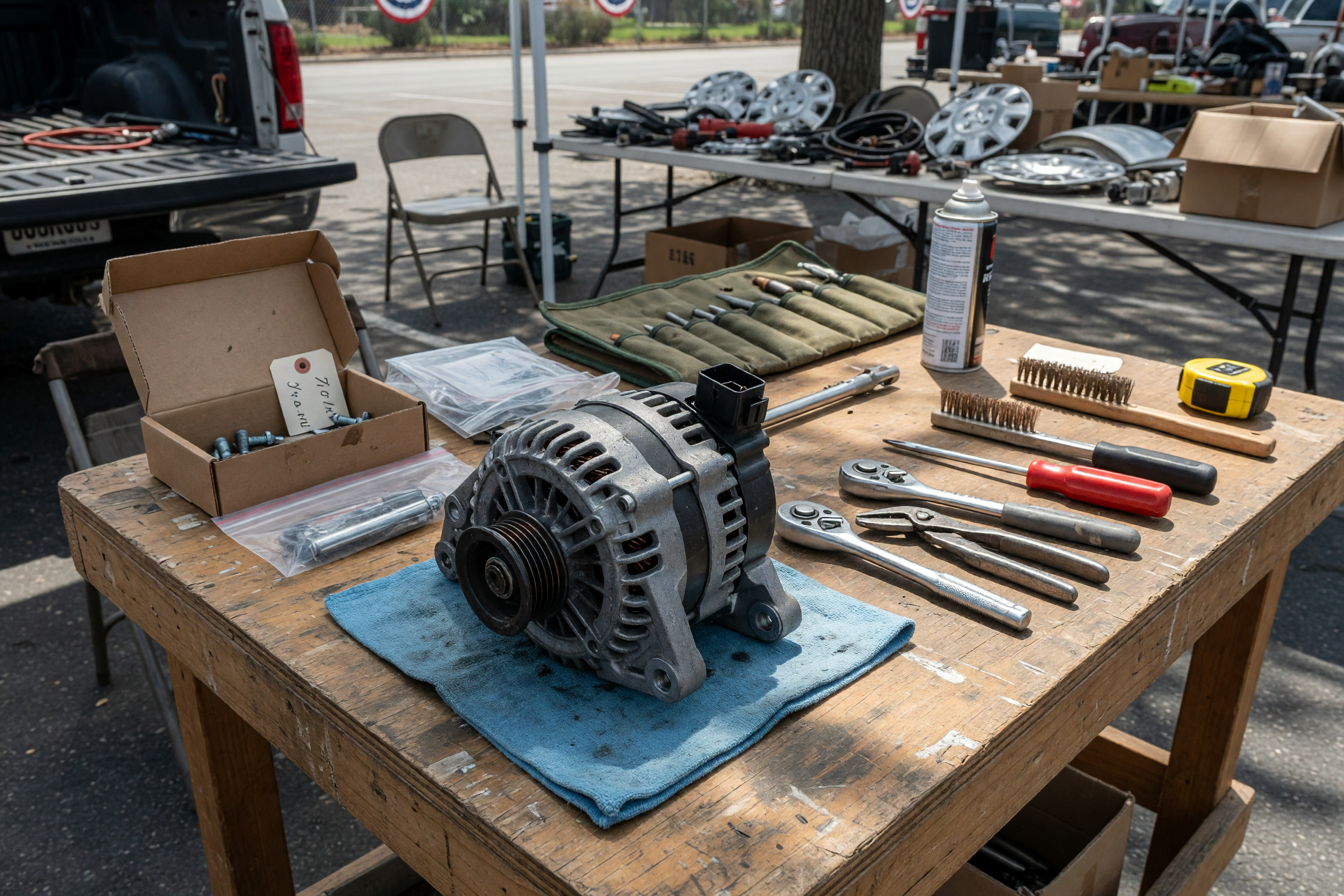
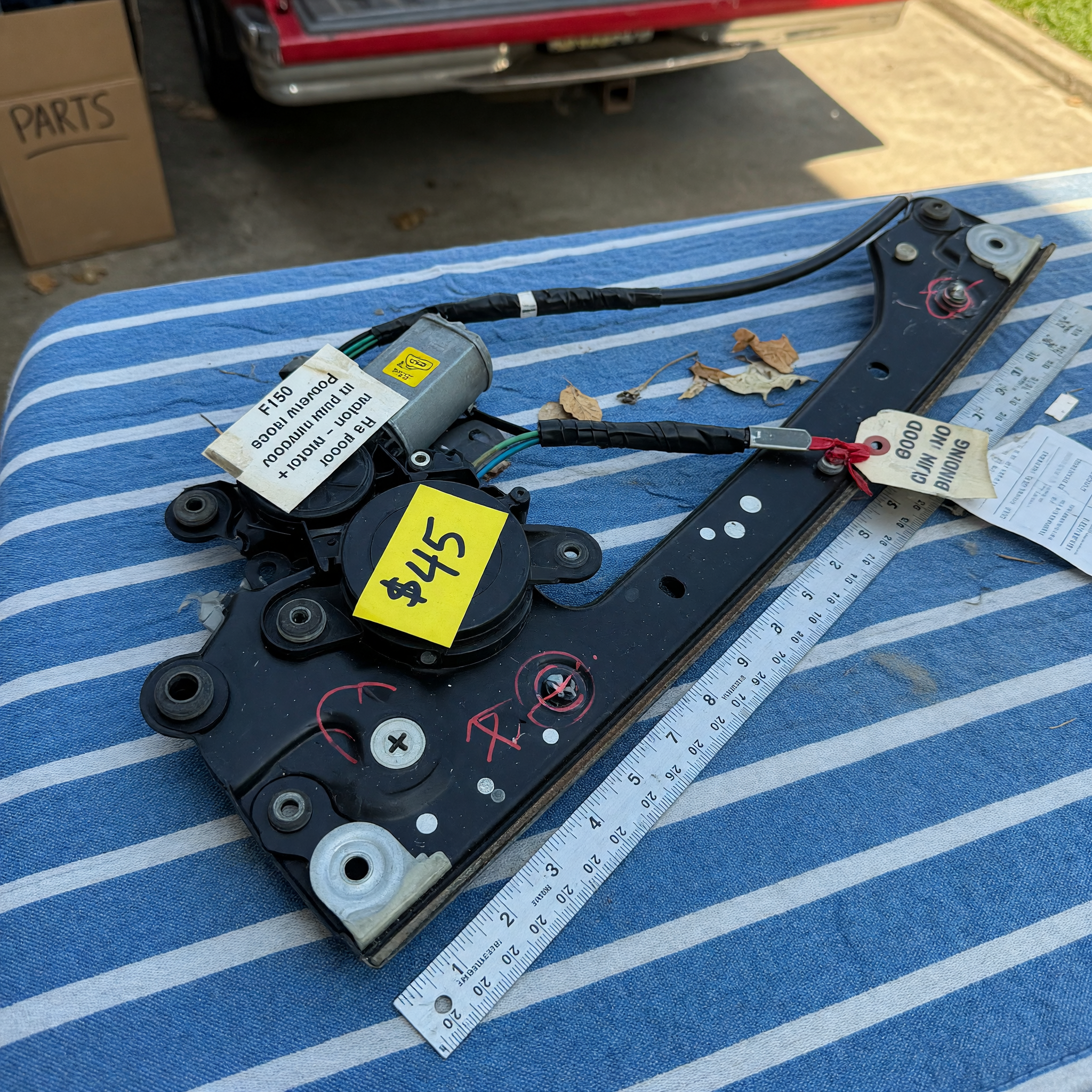
Good photos do a lot of the selling before the first message arrives. Take wide shots and close-ups in natural light, and keep the background simple so the part is easy to inspect. Show the front, back, sides, connectors, mounting points, and any labels or serial numbers. If the part has a defect, photograph that exact area instead of hiding it. Buyers appreciate seeing the flaw before they ask about it.
For larger pieces like doors, seats, bumpers, and mirrors, include one image that shows scale and one image that shows the whole part. For smaller components, place a measuring tool nearby if size matters. If you are posting repuestos OEM, a clear shot of the part number can save time for both sides. Avoid filters, heavy edits, and cluttered layouts that make the item harder to judge. Strong images make the listing feel complete and help buyers feel confident that the part matches the description.
Set a fair price using part type, rarity, and demand
Used auto parts are priced by more than age. Start by comparing the same part number, vehicle fitment, and condition level. A common switch in average condition should not be priced like a rare module or a clean body panel. Demand matters too: parts for popular cars usually move faster, while discontinued items can justify a higher price if they are hard to source. If your part is in excellent shape, mention the reasons that support a stronger price, such as testing, low wear, or original finish.
It also helps to think in terms of local convenience. A buyer looking for piezas de carro locales may pay more for a part they can inspect and pick up the same day. If you include the price in your listing, keep it honest and easy to understand. If you are open to negotiation, set a realistic floor in your mind before posting. Pricing too high leads to silence; pricing too low can make buyers suspicious. The best price is one that matches fitment, condition, and market speed.
Make delivery and pickup details simple and specific
For used parts, delivery details can be the difference between a saved listing and a skipped one. Tell buyers whether the item is pickup only, local delivery, or shipped. If the part is large, fragile, or heavy, say so early. That includes bumpers, engines, transmissions, seats, hoods, and glass. For shipping, note whether the buyer pays the label, whether you can package it, and how soon it can go out. For local exchange, mention the pickup area and any timing limits.
Packaging matters because buyers want to know the part will arrive safely. Describe how you protect surfaces, connectors, and edges. If the item is drainable or has residual fluids, explain that it was prepared properly before pickup. Clear logistics help buyers decide if the offer fits their needs. On Brixaz, a straightforward delivery note can be just as important as the part number because it reduces uncertainty and makes local buying feel easier.
Write the listing like a parts buyer would search
Buyers search with practical phrases, not marketing language. Use the part name, vehicle fit, condition, and location in the first lines of the description. Include terms like “vender repuestos usados” or “publicar partes de auto” only where they fit naturally, but keep the copy readable. If the part is OEM, say that plainly. If it is aftermarket, rebuilt, or salvaged, state it so the buyer knows what they are getting. The goal is not to sound impressive; it is to make the match obvious.
Think about the questions buyers type into a message: “Does it fit my year?” “Is it tested?” “Can I pick it up today?” Your listing should answer those points before the conversation starts. Add contact timing, interchange notes, and any known compatibility limits. A clear listing attracts fewer random messages and more serious ones. That makes it easier to move inventory, especially when you are posting multiple parts and need each listing to stand on its own.
Use why early listings matter when that is the next step. Use listing assistant when that is the next step.
Frequently asked questions
How do I know if a used part will fit my car?
Check the make, model, year range, engine, trim, and OEM part number if available. When possible, compare connector shape, mounting points, and donor vehicle details before buying or posting.
Should I list the original part number in the description?
Yes. Part numbers help buyers verify compatibility quickly, especially for repuestos OEM, electronics, sensors, and model-specific body parts.
What condition terms are safest to use for used auto parts?
Use simple terms such as tested, untested, cosmetic wear, repaired, refurbished, or for parts only. Match the wording to the real condition and include defects clearly.
How many photos should I include when publishing parts of auto?
Use enough photos to show the whole part, all sides, connectors, labels, and any damage. More clear photos usually create more trust than a single polished image.
What delivery details do buyers want most?
They usually want to know whether the part is pickup only, available for local delivery, or shippable, plus how it will be packaged and when it can be handed over.






Comments
Loading comments...
Checking sign-in status...