
Junk Removal Services Near Me: Post Load Sizes and Fees
A practical listing guide for independent junk haulers: show load sizes, fees, accepted items, service area, photos, and booking rules before customers message.
ARTICLE LANGUAGE
Showing original language
If you haul junk with a pickup, trailer, box truck, or small crew, your listing should answer the questions customers ask before they call: how much fits in one load, what you charge extra for, what you will not haul, and how fast you can show up. Start by posting your junk removal service on Brixaz so nearby homeowners, renters, landlords, and small businesses can contact you directly.
This guide is for one specific seller: an independent junk hauler or local hauling crew that can take a real pickup job this week. The exact thing to post is a service listing with your service area, load sizes, starting fees, accepted items, excluded materials, photo examples, and booking rules. Brixaz does not take a booking fee from the job, so the listing should make a buyer confident enough to send photos and ask for a pickup window.
Write the Listing for a Ready-to-Book Customer
Someone searching for junk removal services near me is usually not browsing casually. They may be clearing a garage, emptying a rental after a tenant leaves, replacing a couch, cleaning an office, or trying to finish a move-out before keys are due. Your title should match that urgency and tell the customer whether you can solve the job.
Weak listing copy sounds available but not useful:
- Bad: "Junk hauling, good prices."
- Better: "Junk Removal in Mesa - Pickup Truck Loads, Furniture, Garage Cleanouts."
- Better: "Same-Week Hauling in Raleigh - Couches, Mattresses, Boxes, Yard Waste."
The better titles name the service, the area, and the common load. That helps a customer decide whether to message you instead of a large franchise. If you are a one-person hauler, say what you can handle. If you have two helpers and a trailer, say that too. A clear small operator can win when the customer only needs one honest load and direct scheduling.
Use the words the customer uses: junk removal, junk hauling, couch removal, appliance haul-away, garage cleanout, yard debris pickup, construction debris pickup, or moving trash removal. Do not lead with a business nickname unless the service is clear in the same line.
List Load Sizes So People Can Estimate the Job
Load size is the heart of a junk removal listing. Customers often do not know cubic yards, but they understand pickup bed, trailer, half load, full load, or "one couch plus bags." Translate your capacity into plain examples so they can send a realistic message.
A useful capacity paragraph could say: "I haul pickup-truck loads, small trailer loads, and single bulky items. A typical pickup load can fit a sofa, several trash bags, small furniture, or broken-down boxes. Oversized items, heavy debris, and multiple flights of stairs may change the quote."
If you use a truck and trailer, separate the choices. A homeowner who only needs a mattress removed should not assume they are paying for a full cleanout. A landlord with a basement full of furniture needs to know whether you can take it in one trip or need photos before quoting. The best listing makes the first message specific: "I have two couches, six bags, and a small dresser. Is that a half load?"
Do not exaggerate capacity. If you promise "whole house cleanouts" but only have one pickup bed, your messages will fill with jobs you cannot price well. Say what you can do today, then add that larger jobs can be quoted after photos if you have crew or rental options.
Show Fees Without Guessing the Whole Price
Junk removal prices vary because weight, stairs, distance, dump fees, and item type all matter. Still, a listing with no price signal creates friction. Customers worry that messaging you will lead to a surprise number, and you waste time with people who expected a free pickup for something that costs money to dispose of.
Use a starting fee and a fee structure, not a fake universal price. Say what the starting fee covers and what can add cost. If you charge by load, say whether labor and disposal are included. If dump fees are separate, say so. If there is a minimum for small jobs, include it.
| Listing detail | What to write | Why it helps |
|---|---|---|
| Minimum job | Small pickup minimum for one bulky item or a few bags | Filters out messages that cannot cover travel and time |
| Load sizes | Single item, pickup bed, half trailer, full trailer | Helps customers send a useful estimate |
| Extra labor | Stairs, long carry, disassembly, heavy lifting | Prevents surprise add-ons at arrival |
| Disposal costs | Dump, landfill, transfer station, or recycling fees if separate | Explains why some items cost more than others |
| Travel area | Included neighborhoods and any outside-area fee | Keeps out requests too far from your route |
Bad pricing copy says, "Cheap junk removal, message for quote." Better copy says, "Small item pickups start with a minimum. Larger jobs are priced by load size, labor, stairs, distance, and disposal cost. Send photos, address area, item list, and preferred pickup day for a firm quote before I arrive."
If you need help turning messy details into clear listing language, use the Brixaz marketplace listing template generator to draft the structure, then replace every generic line with your actual truck size, service area, and rules.
Name What You Haul and What You Refuse
A junk removal service is easier to book when the accepted-item list is concrete. Do not only say "we haul everything." Customers have learned that "everything" usually has exceptions. List the normal items first, then state the boundaries.
Common accepted items include couches, chairs, mattresses, box springs, tables, desks, dressers, shelving, bagged household junk, cardboard, moving leftovers, yard debris, non-hazardous renovation scraps, small appliances, and garage cleanout items. If you handle appliances, say whether you take refrigerators, washers, dryers, stoves, microwaves, and water heaters. If you do not disconnect utilities, say items must already be disconnected.
Then list refusals without sounding defensive. Many independent haulers should avoid hazardous waste, paint, chemicals, fuel, oil, asbestos, medical waste, human waste, pests, wet food trash, concrete, dirt, roofing shingles, and items that require licensed handling. If you do not have the equipment for pianos, safes, hot tubs, or heavy construction debris, say those are quote-only or not offered.
This protects both sides. The customer does not waste your time with a job you cannot legally or safely take, and you avoid arriving at a pickup that is completely different from the photos. The original Brixaz-specific insight is that direct contact works best when the listing sets boundaries before the message. A customer can send photos, you can quote faster, and neither side has to fight through a vague lead form.
Make Service Area and Scheduling Easy
Junk removal is route-based work. If your truck is already crossing town, a second nearby pickup can make the day profitable. If a customer is 45 minutes outside your route, the same job may not make sense without a travel fee. Put your area in the listing so local discovery brings you the right jobs.
Write the area in practical layers: your base city, the neighborhoods you serve most, nearby towns, and your outside-area rule. A hauler might write, "Based in Fort Worth. Regular pickups in Near Southside, Arlington, Haltom City, and Keller. Jobs outside that area may need a travel minimum." You can also build around city discovery by keeping an eye on local pages such as Austin listings if you want to understand how buyers browse by place.
Scheduling rules matter just as much. Say whether you offer same-day pickup, next-day pickup, weekend pickup, evening pickup, or landlord cleanout slots. If customers need to send photos first, say that. If they must bag loose items, bring items to the curb, clear a path, or reserve elevator time, include it before they book.
A good booking line sounds like this: "For a quote, send photos of the pile, item list, nearest cross streets, stairs or elevator info, and your preferred pickup window. I will confirm price before arrival." That line turns random interest into a job you can actually schedule.
Use Photos That Build Trust Before Pickup
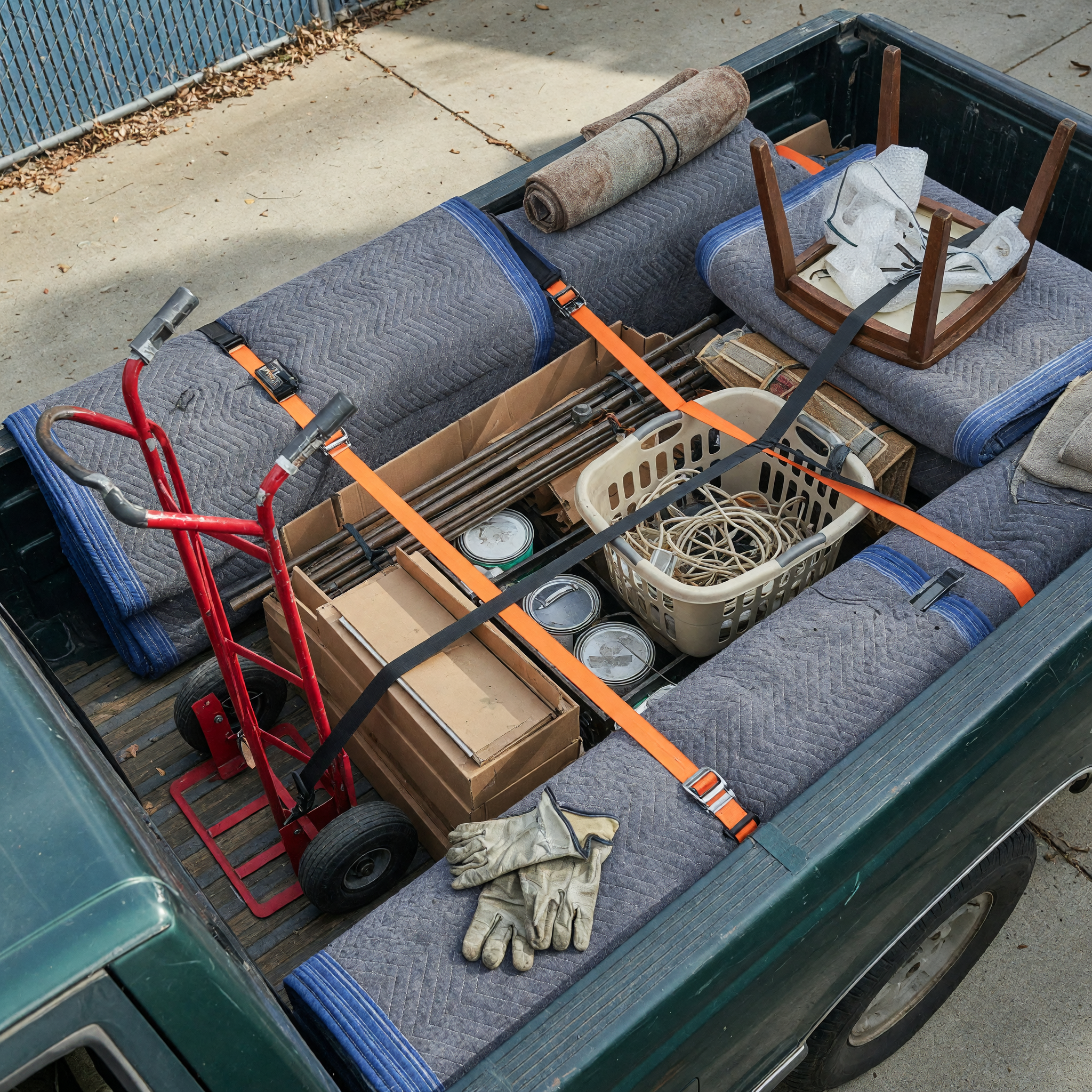
Photos for a junk hauling listing do not need to be glossy. They need to prove you are real, organized, and prepared. Show your truck bed, trailer, hand truck, straps, gloves, broom, tarps, and a clean before-or-after space if you have permission. Avoid license plates, customer addresses, family photos, readable mail, business logos you do not own, and identifiable faces.
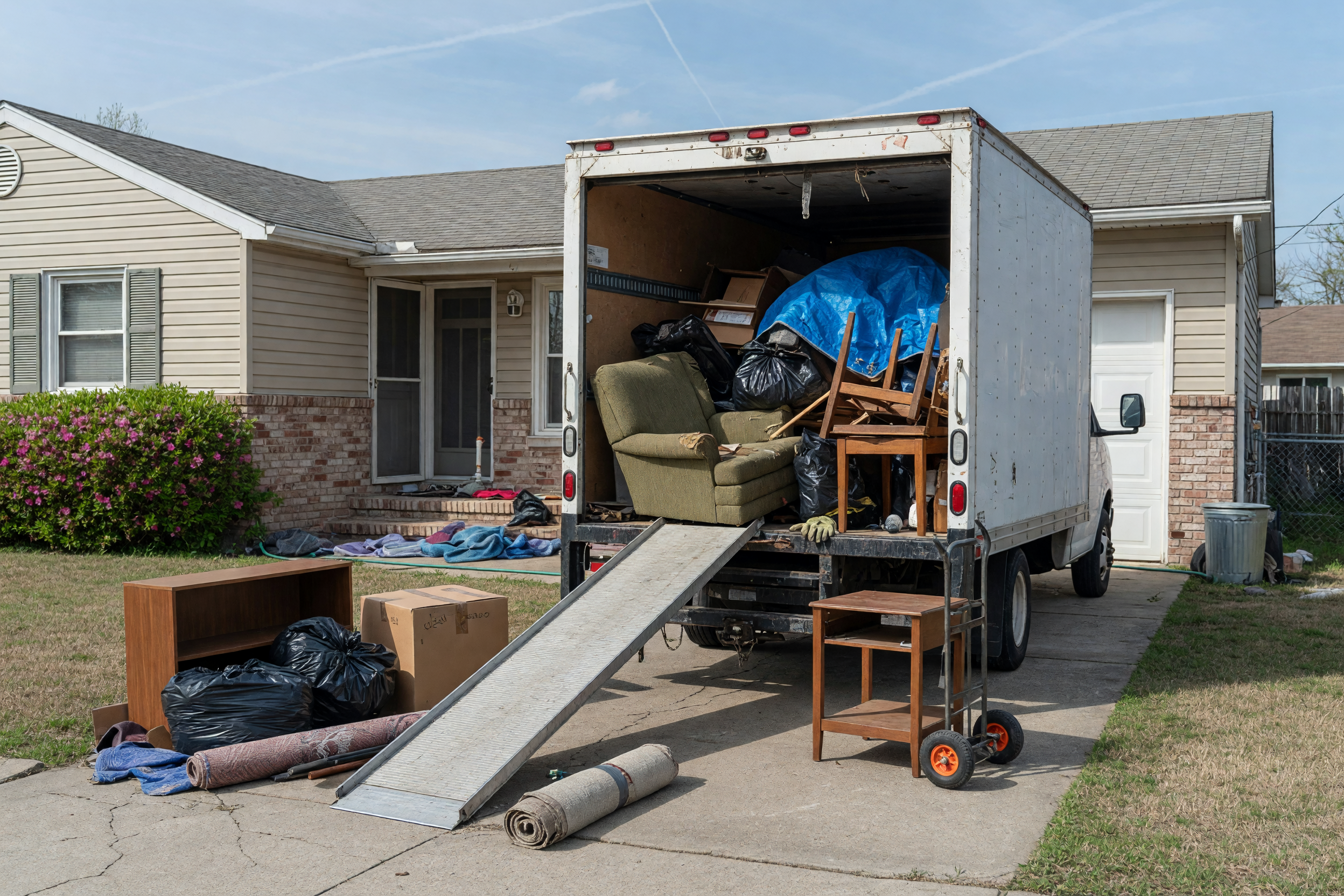
One strong photo can show the type of load you handle: a couch and boxes in a truck bed, yard bags ready for pickup, a garage pile before loading, or a swept area after removal. If you show before-and-after photos, crop tightly and remove private details. Customers want proof that you can complete the haul without turning their driveway into a mess.
Photo captions can also reduce messages. Instead of "junk job," write in the listing body: "Example load: sofa, chair, small table, and eight bags fit in one pickup trip." Do not invent examples you have not handled. Use real categories and honest limits.
If you also offer adjacent labor such as moving items to the curb, light demolition, or garage organizing, keep those services secondary. The post should stay focused on junk removal. You can make a separate listing later under local services if the offer becomes a different job type.
Post the Exact Junk Removal Listing Today
Before publishing, copy this checklist into your draft and answer each line with real details:
- Title names junk removal, hauling, or the main item type plus your service area.
- First sentence says your truck or trailer size and what jobs you want.
- Load sizes are explained in customer-friendly examples.
- Starting fee or pricing method explains labor, disposal, stairs, and travel.
- Accepted items include the common things you actually haul.
- Refused items and safety boundaries are visible before booking.
- Service area includes neighborhoods, city, radius, or outside-area fee.
- Photos show your equipment or real load examples without private details.
- Booking instructions ask for photos, item list, stairs, location area, and pickup window.
Here is a compact listing paragraph you can adapt: "Local junk removal with pickup-truck and trailer options. I haul couches, mattresses, small furniture, bagged junk, cardboard, yard debris, and garage cleanout items. Send photos, nearest cross streets, stairs/elevator details, and preferred pickup day for a firm quote. No hazardous waste, paint, chemicals, wet trash, concrete, or disconnected appliance work unless confirmed first."
If you already have photos and pricing notes, the Brixaz listing assistant can help tighten the title, category, and buyer questions before you publish.
For haulers expanding into moving jobs: moving services near me
Frequently Asked Questions
What should I put in a junk removal service listing?
Include your service area, truck or trailer capacity, load-size examples, starting fee or pricing method, accepted items, refused items, photos, availability, and the exact details customers should send for a quote.
Should I post a starting price for junk hauling?
Yes, if you can explain what the starting price covers. If every job varies, post your minimum and say which factors change the quote, such as load size, stairs, distance, disposal fees, heavy items, and extra labor.
How do I describe load size without cubic yards?
Use examples customers understand: one couch, one mattress, a pickup bed, a half trailer, a full trailer, or a garage pile shown in photos. You can still mention cubic yards if you use them professionally, but plain examples make messages better.
What junk items should I refuse in my listing?
Refuse anything you cannot legally or safely handle. Common exclusions include hazardous waste, chemicals, paint, fuel, oil, asbestos, medical waste, wet food trash, pests, concrete, dirt, and very heavy items that need special equipment.
What photos help a junk removal listing get more serious messages?
Use photos of your truck, trailer, hand truck, straps, gloves, sample loads, and cleaned-up spaces with permission. Remove private details such as addresses, family photos, readable mail, license plates, and identifiable faces.
Where should I post junk removal services on Brixaz?
Post in the junk removal category with service type and offering side selected. That keeps the listing close to local service searches and helps buyers understand that they can contact you directly for pickup details.
A useful junk removal listing does not need to sound like a national franchise. It needs to show what fits in your truck, what the job may cost, where you go, and how a customer can help you quote it quickly.



Comments
Loading comments...
Checking sign-in status...