
Introducing the Brixaz Gigs Command Center
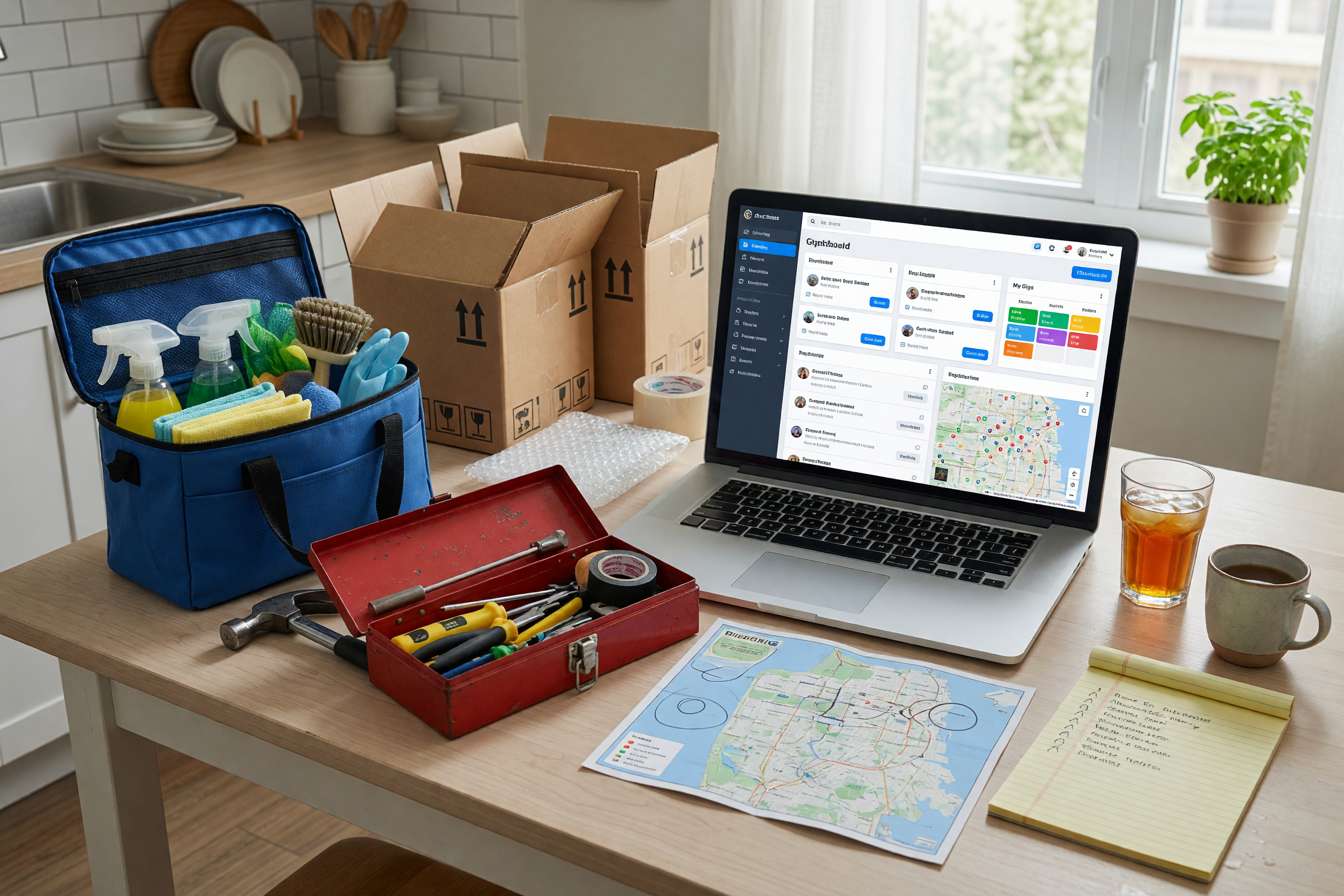
The new Brixaz Gigs Command Center gives workers, helpers, and local service pros a faster way to find real requests by city, category, urgency, and fit.
ARTICLE LANGUAGE
Showing original language
Local work should not feel like digging through a messy bulletin board. A homeowner needs help moving a couch in Austin. A cleaner wants open jobs in New York. A student can tutor on weekends. A driver wants delivery runs today. Those are all real marketplace moments, but they get lost when gig listings are hard to scan, hard to filter, or buried behind outdated pages.
That is why Brixaz now has a dedicated Gigs Command Center: a focused place for day work, local help, temporary service requests, and high-intent hiring across the United States. It is built for people who want action, not browsing theater. Workers can spot openings faster. People who need help can understand where demand exists. Sellers and service providers can turn a simple skill into a clear listing that gets found.
This launch is part of a bigger goal for Brixaz: make the local marketplace simpler, more useful, and more direct than the old classified experience. A great gigs marketplace should show what is available, where it is needed, how fresh it is, and what to do next. The command center brings those signals together on one page.
What the Gigs Command Center is built to solve
Most gig boards make people do too much work before they find anything useful. They mix services, jobs, tasks, spammy posts, old requests, and vague titles into the same stream. That is frustrating for workers and wasteful for customers. If someone needs a cleaner today, they should not have to scroll past unrelated items. If a repair worker serves Austin, they should not have to guess whether the request is nearby.
The Brixaz command center starts from the simple truth that local work depends on fit. Category matters. City matters. Recency matters. The page is organized around those signals so a provider can move from "what is open?" to "which request should I answer?" with less friction.
It also makes the supply side clearer. If you offer cleaning, moving help, repairs, delivery, classes, pet care, errands, event help, or general assistance, the command center shows how Brixaz thinks about gig demand. That makes it easier to write a useful listing, choose the right category, and show up in the places where people are already looking.
Find day work by city, category, freshness, and fit
The strongest upgrade is the way filters now work together. You can browse the full gigs hub, narrow by category, choose a city, look for newer requests, focus on paid opportunities, or jump to a full search view when you want more control. The experience is designed for scanning: quick categories, priority city links, visible counts, useful empty states, and map context where listings have location data.

For early discovery, Brixaz highlights major gig markets such as New York, Los Angeles, Austin, Miami, and Houston. The city layer is important because local service demand is not generic. Cleaning in New York, repairs in Austin, moving help in Los Angeles, and delivery requests in Miami each behave differently. A provider should be able to start with a city instead of searching the entire country from scratch.
The same idea applies to categories. The command center supports high-demand local help categories like cleaning, moving, repairs, electrical work, plumbing, delivery, paperwork help, classes, pets, events, driving, and personal assistance. That gives Brixaz stronger landing pages for people searching with clear intent, and it helps providers describe their service in the language customers already use.
How workers and local pros can use it today
If you offer a skill, start with the category closest to what people actually ask for. "General help" is usually weaker than "moving help," "home repair," "deep cleaning," or "event setup." Then choose the city where you can realistically respond. Brixaz is direct-contact by design, so your listing should reduce back-and-forth before the first message.
A strong service listing says what you do, where you work, when you are available, what details you need from the customer, and what would change the price. You do not need fancy copy. You need clarity. A cleaner might mention deep cleaning, move-out cleaning, supplies, pets, and same-day availability. A repair worker might mention doors, drywall, shelves, small carpentry, and photos required before quoting. A mover might mention stairs, elevator access, truck availability, and minimum hours.
Here is a simple field checklist before you post:
| Listing field | What to include | Why it helps |
|---|---|---|
| Title | Service plus city or use case | People understand fit before opening it |
| Category | The closest real task type | Filters and category pages can surface it |
| City | The market you can actually serve | Local discovery becomes more accurate |
| Availability | Today, weekends, evenings, or booked dates | Customers know when to message |
| Proof | Photos, examples, or specific experience | Trust improves before the first contact |
When your listing is ready, connect it to the right buyer behavior. People looking for broad options may start at marketplace search. People who need help now may start from Need Help. People comparing providers may browse local services. The Gigs Command Center brings that demand into a cleaner day-work view.
How customers can hire help with less noise
For customers, the command center makes hiring feel less random. Instead of posting a vague request and hoping the right person sees it, you can think in practical terms: what task, what city, what timing, what details, and what proof would make you comfortable? That structure helps serious providers decide quickly whether they are a match.
A better request is specific without becoming complicated. "Need two people to help move a sofa from a second-floor apartment in Austin on Saturday morning" is much stronger than "moving help needed." "Looking for a cleaner for a one-bedroom apartment, no pets, supplies preferred" is much stronger than "cleaning today." The clearer your request, the easier it is for a reliable person to respond with a useful answer.
The city layer matters here too. Brixaz city discovery helps users browse local supply and demand from a dedicated city directory. As more providers and customers post, city and category pages become stronger paths into the marketplace. That is how a simple post can turn into repeat local discovery instead of a one-time listing.
Why this is better than old classified browsing
Old classified browsing is powerful because it is open, direct, and local. But it often asks the user to tolerate clutter. The Brixaz approach keeps the directness and removes more of the friction. The command center does not try to hide the marketplace behind a complicated hiring funnel. It gives people better discovery, cleaner filters, direct contact paths, and useful next steps.
The difference is especially clear in local services. A services marketplace should not only show listings. It should help demand and supply meet at the right level of detail. Category pages help people find the kind of help they need. City pages help them stay local. Freshness filters help them avoid stale opportunities. Empty states help users create demand instead of leaving with a dead end.
That end-to-end flow is the point. Browse gigs. Narrow the city. Pick the category. See what is active. Post a request if supply is thin. Create a service listing if you can help. Return to search when you need the full marketplace. Each step should make the next step obvious.
Posting tips that turn attention into real leads
The command center can bring more qualified traffic to gig pages, but the listing still has to earn the message. The best posts answer the questions a serious customer would ask before contacting you. Where do you work? What do you do well? What do you not do? How soon can you come? Do you bring tools or supplies? What information do you need to quote?
Bad listing copy: "I do repairs. Call me." Better listing copy: "Home repair help in Austin: doors, shelves, drywall patches, furniture assembly, and small fixes. Send a photo, neighborhood, and preferred time. Same-day slots when available." The second version gives the customer confidence and gives Brixaz more useful category and location context.
Photos also matter. For service posts, use clean examples of your work, tools, finished spaces, or a simple work setup. Avoid screenshots, memes, unreadable flyers, and anything that makes the listing feel anonymous. A marketplace lead is not just a click. It is a trust decision.
Where Brixaz goes next for local gigs
This launch is not the finish line. It is the foundation for a better local work marketplace: stronger city pages, better category coverage, clearer state-level discovery, improved saved searches, more listing quality guidance, and faster ways to connect people who need help with people ready to work.
The best version of Brixaz is not just a list of posts. It is a living map of local intent. Who needs help today? Who can do the work? Which cities need more providers? Which categories have unanswered demand? The Gigs Command Center gives Brixaz a cleaner surface for answering those questions.
If you are a worker, helper, freelancer, handyman, cleaner, mover, driver, tutor, pet sitter, assistant, or local service pro, this is the moment to create your presence. If you are a customer, this is the place to describe the task clearly and attract better responses. The more specific the posts become, the more useful the marketplace becomes for everyone.
Related on the Brixaz blog: How Much Do DoorDash and Uber Eats Drivers Really Make After Expenses?.
Brixaz update: Explore the new Brixaz Jobs marketplace
Related: Brixaz Gigs Command Center
FAQ
What is the Brixaz Gigs Command Center?
It is the dedicated Brixaz hub for day work, temporary service requests, and local gig discovery. It helps users browse gigs by category, city, freshness, pay signals, and fit.
Who should use the gigs page?
Workers and local pros can use it to find open requests and understand demand. Customers can use it to see what kind of help is available and where to post a request.
What kinds of gigs work well on Brixaz?
Cleaning, moving help, repairs, plumbing, electrical work, delivery, errands, classes, pet care, event support, driving, paperwork help, and personal assistance are all strong fits.
Is posting a gig listing free?
Yes. Brixaz is built around free posting and direct contact, so local providers and customers can connect without a complicated paid gate.
How do city and category pages help SEO and leads?
They make discovery more specific. A person searching for moving help in Los Angeles or repairs in Austin has a clearer path than someone landing on a generic national page.
How can I get more messages from a gig listing?
Use a specific title, choose the closest category, name the city you serve, explain availability, add trust-building photos, and tell customers what details to send first.






Comments
Loading comments...
Checking sign-in status...